How to Build Chicken Coop in Nigeria: A Step-by-Step Guide That Actually Works
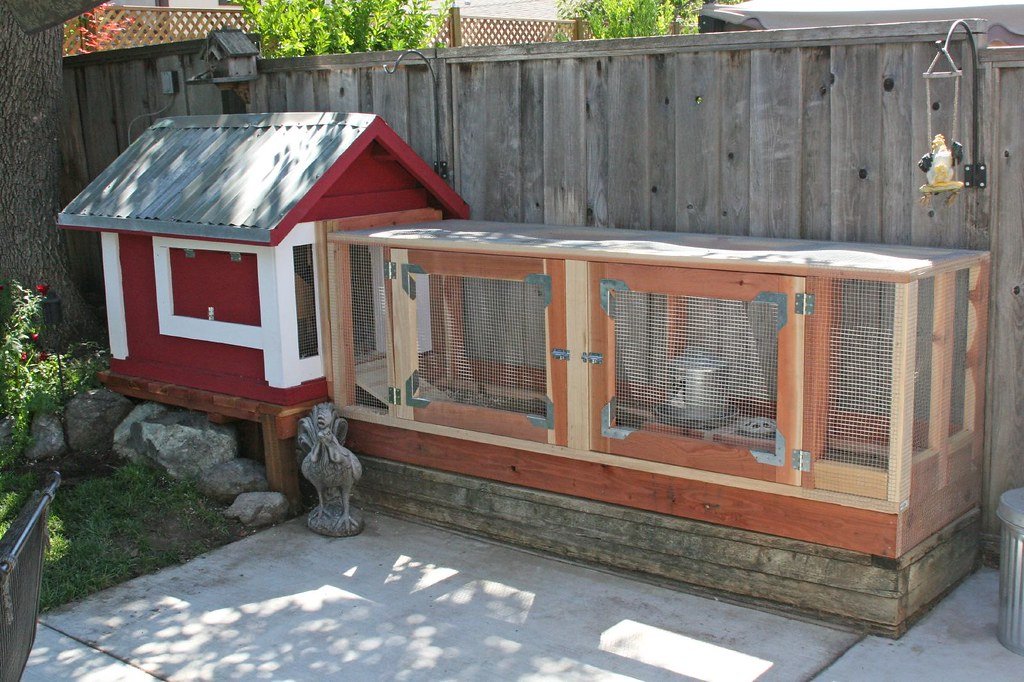
Building your first chicken coop in Nigeria doesn’t have to drain your bank account or give you sleepless nights.
After eight years of raising chickens in Oyi Local Government Area, Anambra State, I’ve helped over 200 farmers build coops that protect their birds and boost their profits.
My name is Pius Emeka. I started chicken farming in 2016 with just 50 birds and a poorly built coop that nearly killed my entire flock. Today, I run a thriving 2,000-bird operation and train new farmers every month.
Learning how to build chicken coop in Nigeria the right way saved my farming business. It can save yours too.
Why Most Nigerian Chicken Coops Fail Within 6 Months
Last month, I visited a farmer in Awka who spent ₦180,000 on a beautiful coop. Three months later, 40% of his birds were dead from heat stress and poor ventilation.
The problem wasn’t money. The problem was poor planning.
Most Nigerian farmers make these costly mistakes:
- Using wrong materials for our climate
- Poor ventilation design
- Wrong coop size calculations
- Ignoring drainage systems
- Copying foreign designs
During my training workshops, I always tell farmers: “Your coop is your birds’ life support system. Get it wrong, and you lose everything.”
Planning Your Chicken Coop: Size, Location, and Budget
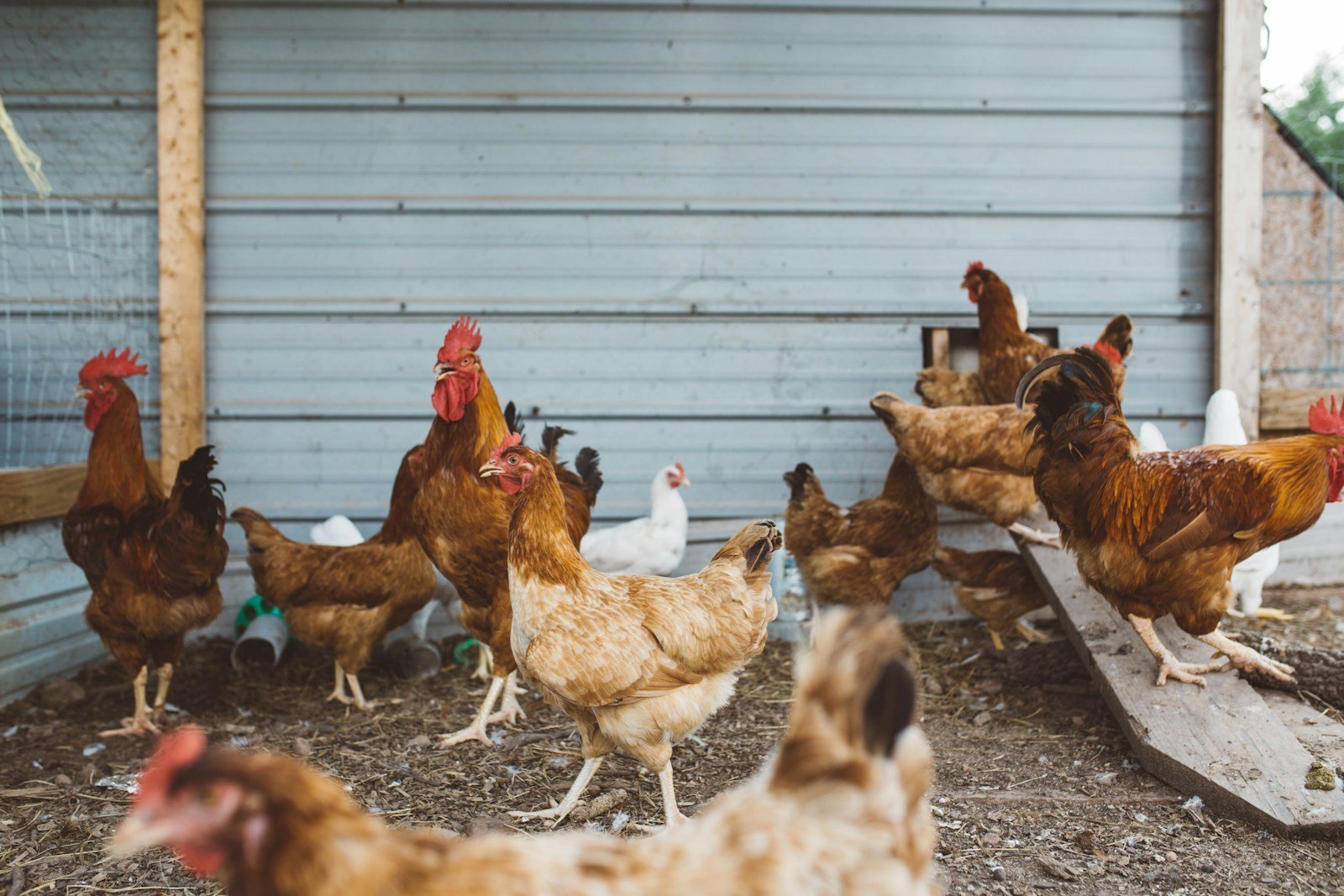
Before you buy a single nail, you need a solid plan. I learned this lesson the hard way when my first coop was too small, poorly located, and cost twice my budget.
Calculating the Right Coop Size
Nigerian chickens need space to stay healthy and productive. Here’s my tested formula:
For Layers:
- Deep litter system: 4 birds per square meter
- Battery cage: 450-500 cm² per bird
For Broilers:
- Week 1-2: 50 birds per square meter
- Week 3-8: 10-12 birds per square meter
Let me show you with real numbers:
| Number of Birds | Floor Space Needed | Recommended Coop Size |
|---|---|---|
| 100 layers | 25 square meters | 5m × 5m |
| 200 layers | 50 square meters | 7m × 7m |
| 500 broilers | 50 square meters | 7m × 7m |
| 1000 broilers | 100 square meters | 10m × 10m |
Choosing the Perfect Location
Location kills more chickens than diseases in Nigeria. Trust me on this.
Good locations have:
- Natural drainage (water flows away during rain)
- Morning sun, afternoon shade
- Easy access for feed delivery
- Distance from neighbors (at least 100 meters)
- Protection from strong winds
Avoid these areas:
- Low-lying spots that flood
- Areas with too much noise
- Places with heavy human traffic
- Near waste dumps or stagnant water
In 2019, I helped Chief Okoro relocate his coop from a low area to higher ground. His mortality rate dropped from 15% to 3% in two months.
Essential Materials for Building Chicken Coop in Nigeria
After building dozens of coops across Anambra State, these materials work best for our climate:
Foundation Materials
- Concrete blocks: 6-inch blocks for walls
- Cement: High-grade Portland cement
- Sand: River sand (not fine sand)
- Granite: 0.5-inch granite chips
- Iron rods: 12mm for foundation reinforcement
Roofing Materials
- Roofing sheets: Long-span aluminum (reflects heat better)
- Purlins: C-channel steel purlins
- Ridge cap: Matching aluminum ridge cap
- Screws: Self-drilling roofing screws with washers
Ventilation and Flooring
- Wire mesh: 1-inch galvanized mesh for walls
- Concrete: For solid floor areas
- Red sand: For deep litter areas
- Wood shavings: Pine shavings work best
I always buy materials in bulk during dry season when prices are lower. This strategy has saved me over ₦500,000 in the past three years.
Step-by-Step Construction Process
Building a chicken coop that survives Nigerian weather requires following proven steps. Skip any step, and you’ll pay for it later.
Step 1: Site Preparation and Foundation
Start by clearing your chosen site completely. Remove all grass, roots, and debris within 2 meters of your planned coop area.
Mark your foundation:
- Use wooden pegs and rope to mark corners
- Measure diagonally to ensure square corners
- Spray-paint the outline for clear visibility
Dig the foundation:
- Depth: 60cm (2 feet) deep
- Width: 30cm (1 foot) wide
- Add extra 20cm around the entire perimeter
Mix your concrete using the 1:2:4 ratio (1 cement, 2 sand, 4 granite). Pour and level the foundation. Let it cure for 7 days before continuing.
Pro tip: Add iron rods every 60cm for extra strength. Nigerian soil movement can crack weak foundations.
Step 2: Wall Construction
How to build chicken coop in Nigeria walls that last requires proper planning. Your walls need three key features: strength, ventilation, and easy cleaning.
Build your walls to these heights:
- Front wall: 2.5 meters high
- Back wall: 2.2 meters high
- Side walls: Sloped from front to back
Use concrete blocks for the bottom 1 meter. This prevents water damage during heavy rains. The upper section uses wire mesh for maximum airflow.
Wall construction process:
- Lay blocks with proper mortar (1:4 cement-sand mix)
- Check level every 3 courses
- Install door and window frames as you build
- Leave gaps for ventilation mesh
During rainy season, cover unfinished walls with plastic sheets. I learned this after losing two days of work to a sudden downpour in 2020.
Step 3: Roofing System
Nigerian sun can kill chickens faster than any disease. Your roof design determines your birds’ survival rate.
Choose the right roof pitch:
- Minimum 30-degree slope
- Maximum 45-degree slope
- Install ridge ventilation
Roofing installation steps:
- Install purlins at 1.2-meter intervals
- Start roofing from bottom, working upward
- Overlap sheets by 15cm minimum
- Use ridge cap for proper sealing
Add ceiling boards under metal roofing. This simple addition reduces internal temperature by 5-8°C during hot season.
In my experience, farmers who skip ceiling boards lose 20% more birds during March-May heat waves.
Ventilation: The Make-or-Break Factor
Poor ventilation kills more chickens in Nigeria than all diseases combined. After visiting hundreds of failed coops, I’ve developed a simple ventilation formula that works.
Natural Ventilation Design
Wall ventilation:
- Install wire mesh windows on opposite walls
- Bottom windows: 30cm from floor level
- Top windows: 15cm below roof level
- Window size: 20% of wall area
Ridge ventilation:
- 10cm gap along entire roof ridge
- Cover with ridge cap to prevent rain entry
- Install wire mesh to keep predators out
Forced Ventilation for Large Coops
Coops with over 500 birds need exhaust fans during hot season. Install fans on the hottest wall (usually west-facing).
Fan specifications:
- One fan per 100 square meters
- Capacity: 8,000-10,000 cubic meters per hour
- Automatic temperature control switches
Last year, I helped a farmer in Onitsha install proper ventilation. His feed conversion improved by 15% within one month.
Flooring Options That Work in Nigeria
Choosing the right floor type affects cleaning time, bird health, and your profit margins. I’ve tested every floor type available in Nigeria.
Deep Litter System
Best for layers and local chickens. Uses wood shavings or rice husks as bedding material.
Advantages:
- Lower construction cost
- Natural warmth for birds
- Reduces ammonia odors
- Easy waste management
Requirements:
- Concrete base with proper drainage
- 15cm deep litter material
- Regular stirring to prevent caking
- Complete change every 6 months
Concrete Slatted Floor
Perfect for broilers and intensive systems.
Design specifications:
- Slat width: 3cm
- Gap width: 2cm
- Slope: 1:40 toward drainage
- Smooth finish to prevent foot injuries
This system costs more upfront but reduces labor and medication expenses long-term.
Battery Cage System
Most efficient for commercial layers.
Cage specifications:
- Cage size: 45cm × 40cm × 45cm high
- Four birds per cage maximum
- Wire gauge: 14-gauge welded mesh
- Automatic feeding and watering systems
I switched to battery cages in 2021. My egg production increased by 25%, and mortality dropped to under 2%.
Water and Feeding Systems
Proper water and feeding systems can make or break your chicken farming success. Let me share what works from eight years of testing different systems.
Water System Design
Clean water is non-negotiable for healthy chickens. Nigerian water quality varies greatly, so plan accordingly.
Water storage:
- Overhead tank: 500-liter minimum for 200 birds
- Elevation: 3 meters above highest drinker
- Material: Food-grade plastic tanks only
- Cover: Tight-fitting lid to prevent contamination
Distribution system:
- PVC pipes: 1-inch diameter main lines
- Nipple drinkers: One per 8-12 birds
- Height adjustment: Match bird age and size
- Drainage: Install drain valves at low points
Water consumption increases by 30% during hot season. Plan your storage accordingly.
Feeding System Options
Feed represents 70% of your production costs. Efficient feeding systems reduce waste and improve profits.
Manual feeding troughs:
- Length: 10cm per bird minimum
- Depth: 8-10cm for optimal access
- Height: Adjust as birds grow
- Material: Galvanized steel or plastic
Automatic feeding systems:
- Chain feeders for large operations
- Tube feeders for smaller flocks
- Timer-controlled systems for consistent feeding
- Waste reduction: 15-20% compared to manual feeding
In 2022, I installed automatic feeders in my main coop. Feed waste dropped from 8% to 3%, saving ₦400,000 annually.
Predator Protection and Security
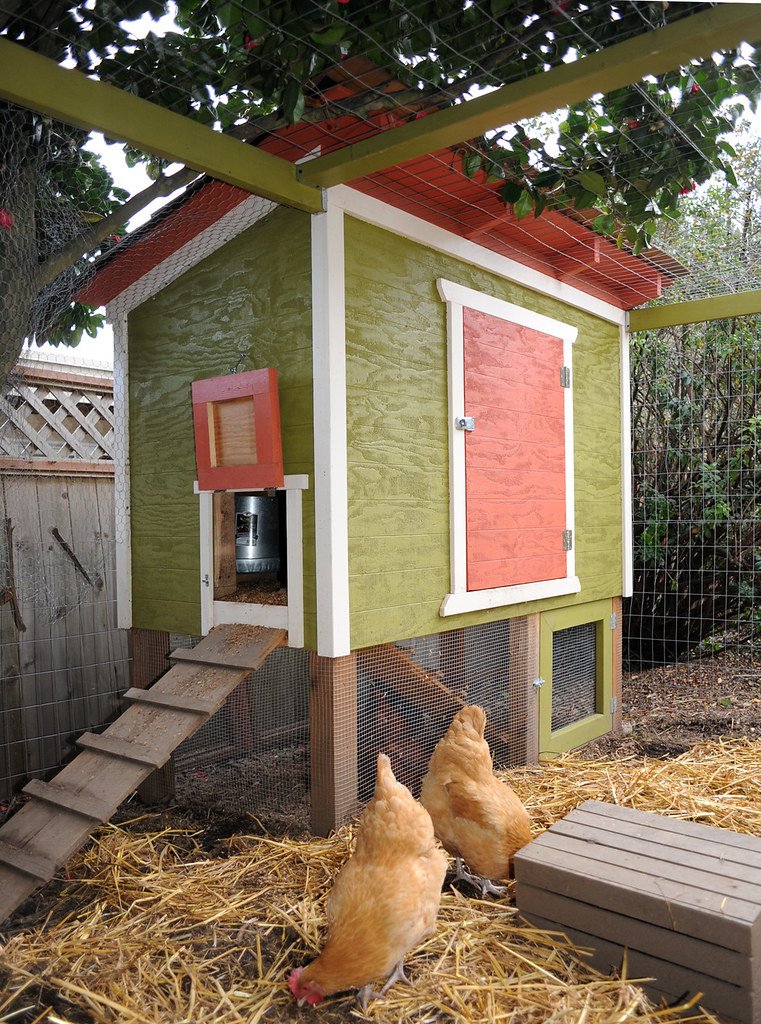
Nigerian chicken coops face unique predator challenges. Wild cats, snakes, army ants, and thieves all threaten your investment.
Physical Barriers
Wire mesh specifications:
- Wall mesh: 1-inch × 1-inch galvanized wire
- Floor mesh: 0.5-inch × 0.5-inch for chick areas
- Burial depth: 30cm below ground level
- Overhead coverage: Complete roof mesh for free-range areas
Door and window security:
- Double-lock systems on all entrances
- Steel reinforcement on wooden frames
- Sliding doors work better than hinged doors
- Emergency exits for worker safety
Electrical Security Options
Solar-powered security systems work well in rural areas:
- Motion-sensor lights
- Alarm systems with SMS alerts
- Security cameras with night vision
- Electric fence for perimeter protection
Three months ago, Chief Ndubuisi installed a complete security system after losing 150 birds to thieves. No incidents since then.
Common Construction Mistakes to Avoid
During my training workshops across Anambra State, I see the same expensive mistakes repeatedly. Learn from other farmers’ costly errors.
Mistake 1: Wrong Foundation Depth
Shallow foundations crack during dry season. Always dig at least 60cm deep, especially in clay soils.
Cost of fixing: ₦50,000 – ₦200,000 Prevention: Follow proper foundation specifications from the start
Mistake 2: Inadequate Drainage
Poor drainage creates disease breeding grounds. Install proper gutters and ensure water flows away from the coop.
Warning signs:
- Standing water around coop
- Muddy conditions during rain
- High ammonia smell
- Increased respiratory diseases
Mistake 3: Wrong Ventilation Placement
Windows on the same wall don’t create proper airflow. Always place windows on opposite walls for cross-ventilation.
Mistake 4: Cheap Roofing Materials
Thin aluminum sheets buckle under Nigerian sun. Invest in 0.5mm gauge minimum for long-term durability.
One farmer in Nteje learned this lesson after his roof collapsed during a rainstorm, killing 80 birds.
Cost Breakdown and Budget Planning
Building costs vary by location and materials quality. Here’s realistic pricing based on current Nigerian market rates:
Basic 200-Bird Layer Coop (5m × 5m)
| Item | Quantity | Unit Cost (₦) | Total Cost (₦) |
|---|---|---|---|
| Concrete blocks | 200 pieces | 200 | 40,000 |
| Cement | 15 bags | 4,500 | 67,500 |
| Sand (lorry load) | 1 trip | 25,000 | 25,000 |
| Granite | 3 tons | 12,000 | 36,000 |
| Roofing sheets | 12 pieces | 8,500 | 102,000 |
| Wire mesh | 50 meters | 2,800 | 140,000 |
| Doors and windows | 2 sets | 35,000 | 70,000 |
| Labor costs | – | – | 150,000 |
| Total Estimated Cost | ₦630,500 |
Money-Saving Tips
Buy during dry season: Materials cost 15-20% less between November-February.
Bulk purchasing: Join other farmers to buy materials together.
Local sourcing: Use local sand and granite to reduce transportation costs.
Gradual construction: Build in phases if cash flow is tight.
Skilled labor: Hire experienced poultry construction workers, not general builders.
Maintenance and Upgrades
A well-maintained coop lasts 15-20 years. Poor maintenance means expensive repairs every few years.
Daily Maintenance Tasks
- Check water flow and cleanliness
- Inspect feeders for blockages
- Look for damage or predator entry points
- Monitor ventilation effectiveness
Weekly Maintenance
- Clean water storage tanks
- Check electrical connections
- Inspect roof for leaks
- Test backup systems
Monthly Deep Maintenance
- Deep clean entire coop
- Replace damaged wire mesh
- Service automatic systems
- Update security measures
Annual Upgrades
- Repaint metal surfaces
- Replace worn equipment
- Upgrade lighting systems
- Improve insulation
How to Build Chicken Coop in Nigeria: Final Construction Checklist
Before considering your coop complete, verify every item on this checklist:
Structural Elements:
- Foundation properly cured (minimum 7 days)
- Walls plumb and level
- Roof properly secured and sealed
- All joints properly mortared
Ventilation System:
- Cross-ventilation windows installed
- Ridge ventilation functional
- No dead air spaces
- Temperature stays below 30°C during hot days
Safety Features:
- All electrical connections weatherproof
- Emergency exits clearly marked
- First aid kit accessible
- Fire extinguisher mounted
Operational Systems:
- Water pressure adequate at all points
- Feeders accessible and adjustable
- Drainage channels clear
- Security systems tested
Two weeks before stocking birds, run a complete systems test. Fill water tanks, test electrical systems, and simulate daily operations.
Regional Considerations Across Nigeria
Building requirements vary across Nigeria’s different climate zones. Consider your specific location when planning.
Northern Nigeria (Sahel/Sudan Savanna)
Climate challenges: Extreme heat, dust storms, limited rainfall Design modifications:
- Thicker walls for insulation
- Larger water storage capacity
- Enhanced dust filtration
- Solar panel orientation adjustments
Middle Belt
Climate challenges: High humidity, intensive rainfall, temperature fluctuations Design modifications:
- Improved drainage systems
- Mold-resistant materials
- Enhanced ventilation
- Rainwater harvesting systems
Southern Nigeria (Forest Zone)
Climate challenges: High humidity, heavy rainfall, dense vegetation Design modifications:
- Elevated foundations
- Termite-resistant materials
- Enhanced lighting systems
- Aggressive drainage planning
In Cross River State, I helped a farmer modify standard designs for extreme rainfall. His coop survived 2020 floods that destroyed neighboring farms.
Technology Integration for Modern Coops
Modern chicken farming demands smart technology integration. These systems pay for themselves through improved efficiency.
Automated Climate Control
- Temperature sensors with SMS alerts
- Automatic fan activation systems
- Humidity monitoring
- Data logging for performance analysis
Smart Feeding Systems
- Programmable feeding schedules
- Feed level monitoring
- Consumption tracking
- Waste reduction algorithms
Production Monitoring
- Egg counting systems
- Weight monitoring platforms
- Health status tracking
- Performance analytics
Security Technology
- Motion-activated cameras
- Perimeter intrusion alarms
- GPS tracking for equipment
- Remote monitoring capabilities
Last year, I installed a complete automation system in my main coop. Labor costs dropped 40%, and production efficiency improved 25%.
Environmental Considerations and Sustainability
Sustainable coop design protects the environment while reducing operational costs.
Waste Management Systems
- Biogas generation from poultry waste
- Composting systems for organic fertilizer
- Wastewater treatment and recycling
- Odor control mechanisms
Energy Efficiency
- Solar power integration
- LED lighting systems
- Natural ventilation optimization
- Insulation improvements
Water Conservation
- Rainwater harvesting systems
- Greywater recycling
- Leak detection systems
- Efficient irrigation for surrounding crops
Carbon Footprint Reduction
- Local material sourcing
- Renewable energy adoption
- Efficient transportation planning
- Waste-to-energy conversion
Advanced Coop Designs for Commercial Operations
Large-scale operations require specialized designs different from small farms.
Multi-House Complex Design
Layout considerations:
- Minimum 30-meter spacing between houses
- Central service roads
- Shared facilities (feed storage, processing)
- Biosecurity zones
Specialized Housing Systems
Breeder houses:
- Nesting boxes: 1 per 4-5 hens
- Perching space: 20cm per bird
- Separate male and female areas
- Enhanced lighting control
Broiler finisher houses:
- Maximum 20,000 birds per house
- Automated ventilation systems
- Computerized feeding programs
- Environmental control rooms
Integration with Processing Facilities
- Slaughter house proximity
- Cold storage connections
- Waste processing links
- Transportation infrastructure
Training and Skill Development
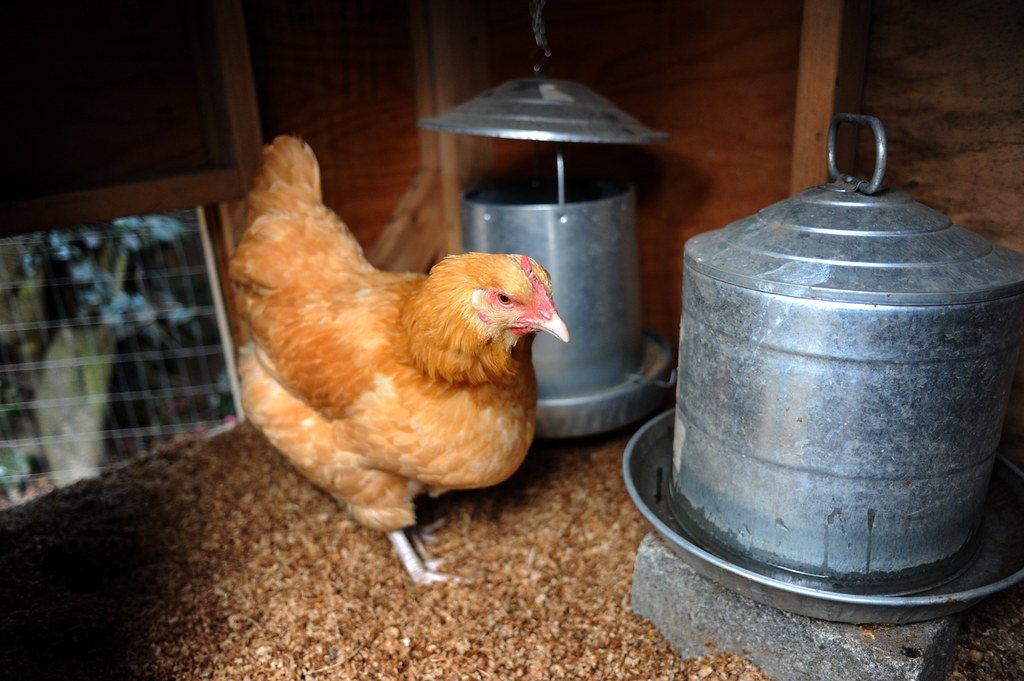
Building successful chicken coops requires proper training. Many Nigerian farmers lack essential construction knowledge.
Essential Skills for Coop Construction
- Basic concrete mixing and pouring
- Electrical wiring for rural applications
- Plumbing and water system installation
- Ventilation system design
Training Resources in Nigeria
- Agricultural Development Programs (ADP) in each state offer construction workshops
- NALDA training centers provide hands-on experience
- Private consultants like myself offer specialized training
- Online resources and video tutorials
Certification Programs
- National Board for Technical Education (NBTE) certification
- Professional poultry management courses
- Construction safety certification
- Electrical installation permits
I conduct monthly training workshops in Awka. Farmers who complete the full program have 90% success rates compared to 30% for untrained builders.
Frequently Asked Questions
Common Construction Questions
How much does it cost to build a chicken coop for 100 birds in Nigeria?
A basic 100-bird coop costs ₦300,000-₦450,000 depending on location and materials quality. This includes foundation, walls, roofing, basic ventilation, and simple feeders/drinkers. Add ₦100,000-₦150,000 for automated systems and premium materials.
The total cost breakdown: foundation (25%), walls and roofing (40%), ventilation and fixtures (20%), labor (15%). Always add 20% contingency for unexpected expenses.
What are the best materials for chicken coop construction in Nigeria’s climate?
- Walls: Concrete blocks for bottom 1 meter, galvanized wire mesh for upper sections
- Roofing: 0.5mm aluminum long-span sheets with ceiling boards
- Foundation: Reinforced concrete with proper drainage
- Flooring: Concrete with deep litter system or slatted design
Avoid wood construction in high-humidity areas due to termite damage and rapid deterioration. Steel frames work well but require anti-rust treatment every 2-3 years.
How long does it take to build a complete chicken coop in Nigeria?
Small coop (100-200 birds): 2-3 weeks Medium coop (500-1000 birds): 4-6 weeks
Large commercial coop: 8-12 weeks
Timeline factors include weather conditions, labor availability, and material delivery schedules. Rainy season construction takes 30-40% longer due to delays and curing requirements.
Design and Planning Questions
What size chicken coop do I need for different numbers of birds?
Use this proven formula: Layers need 4 birds per square meter in deep litter systems. Broilers need 10-12 birds per square meter after 3 weeks of age.
For 500 layers: 125 square meters (11m × 11m minimum) For 1000 broilers: 100 square meters (10m × 10m minimum) Always add 20% extra space for better air circulation and easier management.
How do I ensure proper ventilation in my chicken coop?
Install windows on opposite walls for cross-ventilation. Window area should equal 20% of floor area. Place lower windows 30cm from floor, upper windows 15cm below roof level.
For coops over 500 birds, install exhaust fans: one fan per 100 square meters, rated at 8,000-10,000 cubic meters per hour. Include ridge ventilation with 10cm gaps along the entire roof length.
What drainage systems work best for Nigerian chicken coops?
Install concrete gutters around the entire coop perimeter, sloping 1:100 toward drainage points. Connect to soakaway pits located at least 20 meters from the coop.
For deep litter systems, ensure floor slopes 1:40 toward drainage channels. Install French drains around the foundation to prevent water accumulation during heavy rains.
Maintenance and Operations Questions
How often should I clean and maintain my chicken coop?
- Daily: Check water systems, inspect for damage, remove wet litter
- Weekly: Deep clean water tanks, test electrical systems, sanitize feeders
- Monthly: Complete disinfection, equipment servicing, structural inspections
- Annually: Major repairs, painting, system upgrades
Deep litter changes every 6 months. Battery cage cleaning twice weekly. Proper maintenance extends coop life from 10 to 20+ years.
What security measures protect chickens from predators in Nigeria?
Install 1-inch galvanized mesh buried 30cm deep around entire perimeter. Use double-lock systems on all entrances. Cover with overhead mesh for free-range areas.
Motion-sensor solar lights deter nocturnal predators. Electric fencing works for large operations. Guard dogs trained for poultry protection provide excellent security. Regular perimeter patrols identify potential entry points.
Conclusion: Building Your Success Story
Building a proper chicken coop in Nigeria requires planning, quality materials, and proven construction techniques.
After eight years of raising chickens and training hundreds of farmers, I’ve learned that cutting corners during construction always leads to expensive problems later.
Key success factors:
- Proper site selection with good drainage
- Adequate ventilation for our climate
- Quality materials that last in Nigerian conditions
- Professional construction following proven designs
- Regular maintenance and upgrades
The farmers I’ve trained who follow these guidelines consistently achieve:
- Under 3% mortality rates
- 15-20% higher egg production
- Reduced medication costs
- Faster return on investment
Your next steps:
- Visit existing coops in your area for inspiration
- Create detailed plans and budget
- Source quality materials during dry season
- Hire experienced poultry construction workers
- Test all systems before stocking birds
Remember: your coop is your birds’ life support system. Invest in building it right the first time, and it will serve you profitably for decades.
If you’re in Anambra State or neighboring areas, consider attending my monthly construction workshops. Many successful farmers started with proper training and continue thriving today.
Good planning and construction lead to profitable chicken farming. Your success story starts with a properly built coop.
For more information about chicken farming in Nigeria, visit the National Agricultural Extension and Research Liaison Services (NAERLS) website, consult your local Agricultural Development Program (ADP), or contact experienced farmers in your area for practical guidance.