Chicken Cage System vs Free Range Nigeria: Which System Works Best for Your Farm in 2025?

Starting chicken farming in Nigeria means making one big choice. Do you use cage systems or free range methods?
I’m Pius Emeka from Oyi Local Government Area, Anambra State. I’ve raised chickens for 8 years here.
Many farmers ask me this question. Both systems work. But each has different costs and benefits.
Let me share what I’ve learned. Real stories from my farm. Mistakes I’ve seen other farmers make.
Understanding Chicken Cage Systems in Nigeria
Battery cage systems house birds in metal wire cages. Each cage holds multiple chickens together.
Modern A-type 4-tier layer chicken cage systems can accommodate up to 10,000 birds per shed. These systems use vertical space well.
Types of Cage Systems Available
Battery Cages
- Hold 3-8 birds per cage
- Stack in multiple tiers
- Include automatic feeders
- Cost ₦15,000 – ₦25,000 per unit
Colony Cages
- Larger than battery cages
- House 20-30 birds together
- Allow more movement space
- Better for bird welfare
Enriched Cages
- Include perches and nesting boxes
- Meet higher welfare standards
- Cost more than basic battery cages
- Popular with premium egg producers
I remember my first cage purchase in 2017. I bought 20 basic battery cages from a Lagos supplier.
Each cage cost ₦18,000. They lasted 5 years before needing replacement.
Advantages of Chicken Cage Systems
Space Efficiency Cages use vertical space. You can house more birds per square meter.
My 500-bird cage system fits in a 20×30 feet shed. The same number needs 2 acres for free range.
Disease Control Birds cannot pick droppings from the ground. This reduces disease spread.
“Since I switched to cages, I’ve cut my medication costs by 60%,” says Chioma Okafor. She farms in nearby Awkuzu.
Easier Management
- Daily egg collection is faster
- Feeding takes less time
- You can spot sick birds quickly
- Record keeping is simpler
Better Production Caged layers produce more eggs. They use less energy walking around.
My cage birds lay 280-290 eggs per year. Free range birds lay 220-240 eggs.
Reduced Feed Waste Cage feeders prevent spillage. Birds cannot scatter feed on the ground.
This saves me ₦50,000 monthly in feed costs. That’s real money.
Disadvantages of Cage Systems
High Initial Cost Quality cages need big upfront investment. A 1000-bird cage system costs ₦800,000 – ₦1,200,000.
Many new farmers struggle with this cost. Some buy cheap cages that break quickly.
Welfare Concerns Birds cannot express natural behaviors. They cannot dust bathe or forage.
Some buyers prefer free range eggs. They pay more for perceived better welfare.
Stress Issues Confined birds show more stress behaviors. Feather pecking is common.
I’ve seen farmers lose 10-15% of birds to stress-related problems.
Equipment Maintenance Cages need regular cleaning and repair. Wire mesh tears. Feeders clog.
Plan for ₦20,000 – ₦30,000 yearly maintenance costs per 100 cages.
Free Range Chicken Farming in Nigeria

About 85 million Nigerians are involved in poultry production, with the extensive/free-range system comprising nearly half of the chicken population.
Free range birds roam outdoors during the day. They return to simple shelters at night.
Traditional Free Range Systems
Many Nigerian families keep 10-50 chickens this way. Birds find their own food during the day.
My grandmother raised chickens like this. She never bought feed. Birds ate insects, seeds, and kitchen scraps.
But production was low. Maybe 120-150 eggs per bird yearly.
Semi-Intensive Free Range
This system provides some control. Birds have access to pasture but get supplemental feed.
I run a 200-bird semi-intensive system. Birds graze for 6 hours daily.
They return to shelters for feeding and night rest.
Pastured Poultry Systems
Birds live in movable pens on grass. You move pens every few days.
This protects the pasture. Birds get fresh grass regularly.
American Joel Salatin popularized this method. Some Nigerian farmers now copy it.
Benefits of Free Range Systems
Lower Setup Costs Simple shelters cost much less than cage systems. A 100-bird shelter costs ₦50,000 – ₦80,000.
You need more land but less equipment.
Natural Behavior Birds can scratch, dust bathe, and forage. This improves their welfare.
Free range eggs often have better taste. The yolks are more orange.
Reduced Feed Costs Birds find some of their own food. This cuts your feed bill by 20-30%.
During dry season, this matters less. Green vegetation becomes scarce.
Market Premium Some customers pay extra for free range products. Premium can be 20-40% higher.
Hotels and restaurants often prefer free range chicken meat.
Lower Medication Needs Outdoor exercise builds stronger immune systems. Birds get more vitamin D from sunlight.
Challenges of Free Range Farming
Predator Losses Hawks, snakes, and wild animals kill free range birds. Losses can reach 15-20% yearly.
I lost 30 birds to a python in 2019. It was devastating financially.
Disease Exposure Birds contact wild birds and their droppings. This spreads diseases like Newcastle.
“Free range farming needs good vaccination schedules,” advises Dr. Adaeze Ikeme. She’s a veterinarian in Onitsha.
Weather Dependency Heavy rains keep birds indoors. Production drops during long rainy seasons.
Extreme heat also stresses birds. They reduce egg laying.
Labor Intensive Finding and collecting eggs takes more time. Some birds lay in hidden places.
Monitoring bird health is harder when they roam freely.
Chicken Cage System vs Free Range Nigeria: Direct Comparison
Let me compare both systems clearly. This table shows real differences:
| Factor | Cage System | Free Range |
|---|---|---|
| Initial Cost (1000 birds) | ₦800,000 – ₦1,200,000 | ₦150,000 – ₦300,000 |
| Land Required | 500-800 sq meters | 2-3 hectares |
| Eggs per bird/year | 280-290 | 220-240 |
| Feed consumption | 110-120g per bird daily | 130-150g per bird daily |
| Mortality rate | 5-8% | 12-18% |
| Labor hours daily | 2-3 hours per 1000 birds | 4-6 hours per 1000 birds |
| Disease control | Easier | More challenging |
| Market price premium | None | 20-40% possible |
Production Efficiency Comparison
My cage birds consistently outperform free range in egg numbers. But free range birds live longer.
Cage layers peak at 18 months. Free range birds produce well until 30 months.
Feed Conversion Ratio
- Cage systems: 2.2kg feed per dozen eggs
- Free range: 2.8kg feed per dozen eggs
This difference adds up over time. It affects your profits significantly.
Profitability Analysis
Let’s look at real numbers from my 2023 records:
1000 Cage Birds Annual Profit
- Revenue: ₦4,200,000 (280 eggs × ₦15 × 1000 birds)
- Costs: ₦3,100,000 (feed, medication, labor, depreciation)
- Net profit: ₦1,100,000
1000 Free Range Birds Annual Profit
- Revenue: ₦4,620,000 (220 eggs × ₦21 × 1000 birds)
- Costs: ₦3,400,000 (feed, higher mortality, more labor)
- Net profit: ₦1,220,000
The difference is smaller than many farmers think. Premium prices help free range profitability.
Choosing the Right System for Your Nigerian Farm
Your choice depends on several factors. Let me help you decide.
Consider Your Available Capital
Limited Budget (Under ₦500,000) Start with free range or semi-intensive systems. You can expand gradually.
Save money from first batches. Then invest in better housing or cages.
Medium Budget (₦500,000 – ₦2,000,000) Mixed system works well. Keep some birds in cages, others free range.
This spreads your risk. You can test which system suits your area.
Large Budget (Above ₦2,000,000) Automated cage systems become viable. Modern systems include automated feeding and drinking systems that streamline farm operations.
Evaluate Your Land Situation
Small Land (Under 1 acre) Cage systems make more sense. You maximize bird numbers per space.
Urban and peri-urban farmers often choose cages for this reason.
Large Land (Over 5 acres) Free range becomes attractive. You can rotate grazing areas.
This maintains soil fertility and grass quality.
Market Considerations
Urban Markets Focus on egg volume and consistency. Cage systems work better.
City buyers want cheap, available eggs year-round.
Premium Markets Free range commands higher prices. Hotels, expatriates, and health-conscious buyers pay more.
Build relationships with these customers first.
Your Management Skills
New Farmers Cage systems are more forgiving. Mistakes cost less.
Disease problems are easier to spot and treat.
Experienced Farmers Free range offers more opportunities. But needs better management skills.
You must understand pasture management and predator control.
Real Success Stories from Anambra Farmers
Ikechukwu’s Cage Success Story
Ikechukwu Okoye started in Abba in 2020. He bought 500 layer cages with a ₦1 million loan.
His first year was tough. High feed prices and COVID lockdowns hurt profits.
But he persisted. By 2022, he expanded to 1,500 birds.
“Consistency is key,” he tells new farmers. “Cages help me maintain steady egg supply.”
His advice: Start small, learn the system, then expand carefully.
Ngozi’s Free Range Journey
Ngozi Akunyili runs a 800-bird free range farm in Nanka. She started in 2018.
Her first challenge was predator control. She lost 150 birds in six months.
She invested in better fencing and guard dogs. Losses dropped to 5% yearly.
“Free range eggs sell for ₦80 per dozen in Awka,” she says. “Cage eggs sell for ₦60.”
The premium pays for her extra effort.
Mixed System Success
Emeka Okafor combines both systems in Nteje. He keeps 600 cage birds and 400 free range.
This strategy reduces risk. When cage bird performance drops, free range birds compensate.
“Different seasons favor different systems,” he explains. “Rain season favors cages. Dry season favors free range.”
He markets eggs differently. Cage eggs go to retailers. Free range eggs go to hotels.
Common Mistakes Nigerian Farmers Make
Cage System Mistakes
Buying Cheap Cages Many farmers buy ₦8,000 – ₦10,000 cages to save money. These break within 2 years.
Quality cages cost more upfront. But they last 7-10 years.
Overcrowding Farmers put too many birds per cage. This increases stress and diseases.
Follow recommended stocking densities. 4-5 birds per standard cage maximum.
Poor Ventilation Closed cage houses get too hot. Birds reduce laying in extreme heat.
Install proper windows and fans. Good airflow prevents respiratory diseases.
Free Range Mistakes
No Predator Control Farmers underestimate predator losses. Some lose 30-40% of birds yearly.
Invest in proper fencing. Consider guard dogs or guinea fowls as alarms.
Inadequate Shelter Simple shelters don’t protect from harsh weather. Birds get stressed and sick.
Build proper housing with good roofing and walls.
No Pasture Management
Overgrazing damages grass. Bare ground increases disease risk.
Rotate grazing areas. Rest paddocks to recover.
Setting Up Your Chicken Cage System vs Free Range System
Cage System Setup
Planning Phase
- Calculate your target number of birds
- Design your cage house layout
- Plan for feed storage and egg collection
- Budget for equipment and installation
Infrastructure Requirements
- Concrete floor for easy cleaning
- Good roof to prevent rain entry
- Side walls with windows for ventilation
- Electrical supply for lighting
Cage Installation
- Level the floor properly
- Install cages in rows with walking space
- Connect water and feed systems
- Set up egg collection trays
I made a mistake in 2018. I installed cages before completing the roof. Rain damaged several cages.
Always finish the building first. Then install equipment.
Free Range Setup
Land Preparation
- Clear and fence your grazing area
- Divide into paddocks if possible
- Plant shade trees for bird comfort
- Ensure water access in each paddock
Shelter Construction
- Build on slightly elevated ground
- Use local materials to reduce cost
- Include nesting boxes and perches
- Make doors wide enough for easy access
Fencing
- Use 6-foot wire mesh minimum
- Bury fence 1 foot underground
- Install gates between paddocks
- Check for holes regularly
Managing Feed Costs in Both Systems
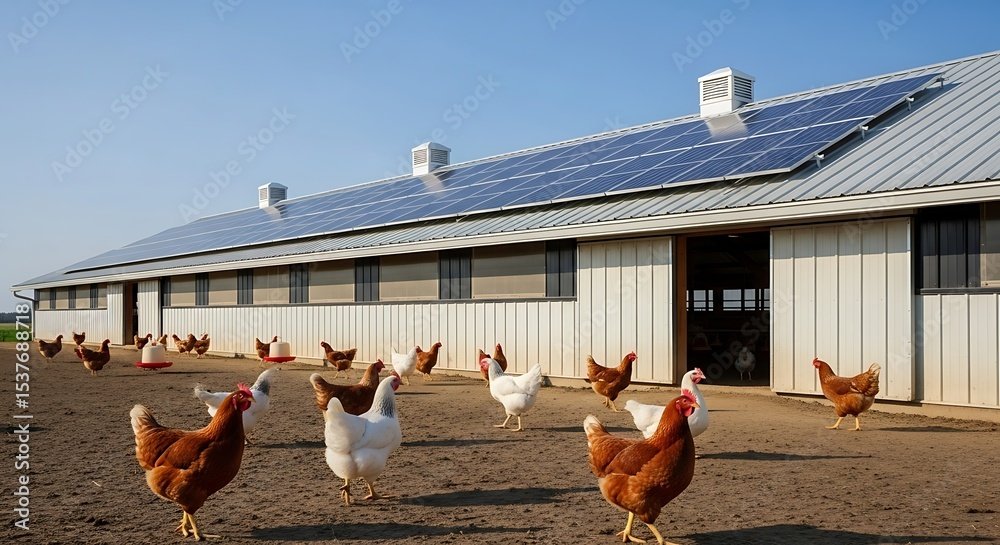
Feed represents 65-70% of your production costs. Smart feeding saves money.
Cage System Feeding
Advantages
- No feed wastage from scattering
- Easy to measure daily consumption
- Automated systems reduce labor
Feed Management Tips
- Buy feed in bulk during harvest season
- Store properly to prevent spoilage
- Monitor consumption daily
- Adjust according to production levels
Free Range Feeding
Natural Feed Supplements Birds eat insects, seeds, and green vegetation. This reduces commercial feed needs.
But quality varies by season. Dry season offers less natural food.
Strategic Feeding
- Morning feeding before releasing birds
- Evening feeding to encourage return
- Reduce commercial feed gradually as birds adapt
- Supplement with local ingredients
I mix cassava peels and palm kernel cake. This cuts my feed costs by 15%.
But I maintain protein levels with fish meal or soybean.
Health Management: Cage vs Free Range
Disease Prevention in Cages
Advantages
- Easy to isolate sick birds
- Better vaccination control
- Reduced exposure to wild birds
- Easier to disinfect
Common Cage Diseases
- Respiratory problems from poor ventilation
- Leg weakness from lack of exercise
- Feather pecking from stress
- Fatty liver syndrome from lack of movement
Free Range Health Challenges
Higher Disease Exposure Birds contact wild bird droppings. This spreads Newcastle disease, fowl pox, and worms.
“Vaccination is more critical in free range systems,” says Dr. Chinyere Okwu. She treats birds in our area.
Parasite Problems Ground contact increases worm infections. Regular deworming is essential.
I deworm my free range birds every 3 months. Cage birds need it less often.
Natural Health Benefits Exercise strengthens immune systems. Sunshine provides vitamin D naturally.
Stress levels are generally lower in free range birds.
Economics of Chicken Cage System vs Free Range Nigeria
Understanding Your Costs
Let me break down real costs from my 2023 operations:
Fixed Costs (Cage System per 1000 birds)
- Cage purchase and setup: ₦120,000 annually (depreciated over 8 years)
- Building construction: ₦50,000 annually (depreciated over 15 years)
- Equipment maintenance: ₦30,000
- Total fixed costs: ₦200,000
Variable Costs (Cage System per 1000 birds)
- Feed (365 days × 110kg × ₦280): ₦2,920,000
- Medication and vaccines: ₦45,000
- Labor: ₦240,000 (1 person part-time)
- Utilities: ₦85,000
- Total variable costs: ₦3,290,000
Fixed Costs (Free Range per 1000 birds)
- Shelter and fencing: ₦25,000 annually (depreciated over 10 years)
- Land preparation: ₦10,000 annually
- Equipment: ₦5,000
- Total fixed costs: ₦40,000
Variable Costs (Free Range per 1000 birds)
- Feed (365 days × 85kg × ₦280): ₦2,257,000
- Medication and vaccines: ₦65,000
- Labor: ₦360,000 (1.5 persons part-time)
- Higher mortality replacement: ₦180,000
- Total variable costs: ₦2,862,000
Revenue Calculations
Cage System Revenue
- Eggs: 280 eggs × 1000 birds × ₦15 = ₦4,200,000
- Spent birds: 1000 birds × ₦800 = ₦800,000
- Total revenue: ₦5,000,000
Free Range Revenue
- Eggs: 220 eggs × 1000 birds × ₦21 = ₦4,620,000
- Spent birds: 1000 birds × ₦1,200 = ₦1,200,000
- Total revenue: ₦5,820,000
Profit Analysis
Cage System Profit
- Revenue: ₦5,000,000
- Total costs: ₦3,490,000
- Net profit: ₦1,510,000
- Profit margin: 30.2%
Free Range Profit
- Revenue: ₦5,820,000
- Total costs: ₦2,902,000
- Net profit: ₦2,918,000
- Profit margin: 50.1%
These numbers surprise many farmers. Free range shows higher profits despite lower egg production.
The key factors are premium prices and lower fixed costs.
Scaling Your Operations
Growing a Cage System Business
Phase 1: Start Small (500 birds) Learn the system with manageable numbers. Make mistakes on small scale.
Investment needed: ₦800,000 – ₦1,000,000
Phase 2: Scale to 2,000 birds
Add automation to reduce labor costs. Install automatic drinkers and feeders.
Investment needed: ₦1,500,000 – ₦2,000,000
Phase 3: Commercial Scale (5,000+ birds) Full automation becomes profitable. Hire dedicated staff.
Investment needed: ₦5,000,000+
Expanding Free Range Operations
Phase 1: Master Management (200-500 birds) Learn pasture rotation and predator control. Build market relationships.
Phase 2: Add Value Processing
Start processing and packaging eggs. Develop direct sales channels.
Phase 3: Integrate Production Add feed milling or chick hatching. Control more of your supply chain.
Seasonal Considerations in Nigeria
Dry Season Challenges
November to March
- Higher feed costs due to corn scarcity
- Limited natural food for free range birds
- Dust problems in cage systems
- Higher water consumption
Rainy Season Issues
April to October
- Better pasture for free range systems
- Increased disease pressure
- Ventilation problems in cages
- Transportation difficulties
Planning for Seasonal Variations
Feed Storage Buy corn and soybean during harvest. Store properly to prevent spoilage.
I store 6 months of feed during harvest season. This saves me ₦200,000 yearly.
Cash Flow Management Save money during good seasons. Have reserves for tough periods.
Production Timing Start new batches to avoid peak laying during difficult seasons.
Technology and Innovation
Modern Cage Technologies
Automatic Feeding Systems
- Reduce labor costs significantly
- Ensure consistent feed supply
- Monitor consumption automatically
- Cost: ₦150,000 – ₦300,000 per 1000 birds
Climate Control
- Fans and cooling systems
- Temperature monitoring
- Humidity control
- Essential for commercial operations
Free Range Innovations
Movable Shelters Copy rotational grazing concepts. Move shelters every 2-3 weeks.
Electric Fencing Solar-powered electric fencing deters predators. More effective than wire mesh alone.
Mobile Feed and Water Systems Tractor-mounted systems follow birds in paddocks. Reduces daily labor.
Marketing Your Products
Cage System Marketing
Wholesale Channels
- Supply retailers and supermarkets
- Focus on volume and consistency
- Compete mainly on price
- Build long-term supply contracts
Direct Sales
- Sell from farm gate
- Supply restaurants and canteens
- Maintain cold chain for quality
- Offer bulk discounts
Free Range Marketing
Premium Positioning
- Emphasize welfare and quality
- Target health-conscious consumers
- Develop attractive packaging
- Tell your farm story
Niche Markets
- Hotels and restaurants
- Expatriate communities
- Organic food stores
- Direct farm sales
“Free range eggs sell themselves if customers can taste the difference,” says Chioma Nwankwo. She supplies 3 hotels in Awka.
Building Customer Relationships
Quality Consistency Maintain standards whether cage or free range. Disappointed customers don’t return.
Communication
Share your farming practices. Customers value transparency.
Reliability Meet delivery schedules. Restaurants need consistent supply.
Future Trends in Nigerian Poultry
Consumer Preferences
Nigerian consumers increasingly care about food quality. Education levels rise in urban areas.
Nigeria’s poultry population stands at 180 million birds with annual production of 15.8 billion eggs. But demand still exceeds local supply.
Technology Adoption
Smartphone apps help farmers monitor production. IoT sensors track feed and water consumption.
Solar power becomes more affordable. This helps power cage systems in rural areas.
Regulatory Changes
Government may introduce welfare standards. This could favor free range systems.
Import restrictions on poultry products continue. This protects local farmers.
Market Opportunities
Urban growth creates demand for processed products. Value-added products earn higher margins.
Export markets develop slowly. But regional trade offers opportunities.
Getting Started: Step-by-Step Guide

Before You Choose a System
Market Research
- Visit local markets and check egg prices
- Talk to potential customers
- Understand seasonal price variations
- Identify your target buyers
Site Evaluation
- Check water availability
- Ensure good road access
- Consider security issues
- Evaluate land costs or availability
Financial Planning
- Calculate realistic startup costs
- Plan for 6 months operating expenses
- Identify funding sources
- Prepare cash flow projections
Choosing Your System
Go with Cages If:
- You have limited land
- You need maximum production per space
- You’re new to poultry farming
- You want predictable returns
Choose Free Range If:
- You have adequate land
- You can access premium markets
- You enjoy hands-on management
- You want higher profit margins
Implementation Timeline
Months 1-2: Planning and Permits
- Finalize your business plan
- Obtain necessary permits
- Secure funding
- Choose your location
Months 3-4: Construction
- Build housing or shelters
- Install equipment
- Set up water and power
- Prepare for bird arrival
Months 5-6: Operations Start
- Purchase point-of-lay birds
- Implement feeding program
- Begin health management
- Start record keeping
Months 7-12: Optimization
- Monitor performance
- Adjust management practices
- Build market relationships
- Plan for expansion
Frequently Asked Questions
Which System Gives Better Returns on Investment?
Free range systems often show higher profit margins. But cage systems offer more predictable returns.
Your success depends on management skills and market access more than the system choice.
How Much Land Do I Need for Each System?
Cage systems need 500-800 square meters for 1000 birds. Free range needs 2-3 hectares for the same number.
Consider land costs in your area. Expensive land favors cage systems.
What About Disease Control Differences?
Cage systems make disease prevention easier. You control bird contact and environment better.
Free range birds face more disease challenges. But proper vaccination and management handle most problems.
Can I Mix Both Systems on One Farm?
Yes, many successful farmers use both systems. This spreads risk and targets different markets.
Start with one system first. Add the other after gaining experience.
Which System Needs More Labor?
Free range systems need more daily labor. Egg collection takes longer. Bird monitoring is more difficult.
Cage systems need less daily work. But require more technical maintenance skills.
What About Feed Costs?
Cage birds eat less per egg produced. Free range birds find some natural food but eat more commercial feed overall.
Feed cost differences are smaller than many farmers expect.
How Do I Choose Quality Cages?
Buy from reputable manufacturers. Check steel thickness and welding quality.
Avoid extremely cheap cages. They break quickly and cost more long-term.
What’s the Best Age to Start Layers?
Both systems work best with 16-18 week old point-of-lay pullets. Younger birds need more management.
Buy from reliable suppliers. Poor quality pullets hurt both systems equally.
Safety and Best Practices
Cage System Safety
Fire Prevention
- Keep electrical systems well-maintained
- Store feed away from heat sources
- Install fire extinguishers
- Train workers on fire safety
Worker Safety
- Provide protective clothing
- Ensure good lighting in cage houses
- Maintain clean walkways
- Train on proper lifting techniques
Free Range Safety
Predator Control Disclaimer Electric fencing and guard dogs help control predators. But cannot eliminate all losses.
Some predators are protected wildlife. Check local regulations before control measures.
Disease Prevention Vaccination schedules are critical. Consult qualified veterinarians for your area.
Never use expired medicines. Follow withdrawal periods before selling eggs.
General Farm Safety
Chemical Storage Store disinfectants and medicines safely. Keep away from feed and water.
Read labels carefully. Some products are toxic to humans and animals.
Record Keeping Maintain treatment records. This protects you and your customers.
Good records help identify problems early.
Conclusion
Both chicken cage systems and free range farming work in Nigeria. Your choice depends on your situation.
Cage systems offer predictable production and easier management. They work well for new farmers with limited land.
Free range systems can be more profitable. But they need better management skills and more land.
Many successful farmers use both systems. This reduces risk and targets different markets.
Start small with either system. Learn the basics first. Then expand as you gain experience.
The most important factors for success are:
- Good management practices
- Consistent quality
- Understanding your market
- Proper financial planning
I’ve helped over 200 farmers start poultry businesses. The successful ones share these traits regardless of system choice.
Choose the system that fits your resources and goals. Then commit to learning and improving continuously.
Nigerian poultry farming offers good opportunities. With proper planning and management, both cage and free range systems can build profitable businesses.
Remember, the best system is the one you can manage well and afford to operate sustainably.
For more information about starting your poultry farm, consult local agricultural extension services or experienced farmers in your area. Always seek professional veterinary advice for health management programs.
References: