Ventilation System for Chicken House in Nigeria’s Hot Climate

Proper ventilation can make or break your chicken farming business in Nigeria. After eight years of raising chickens in Oyi Local Government Area, Anambra State, I’ve learned that most farmers lose birds not from disease, but from poor air circulation. Your birds need fresh air to breathe, stay cool, and remain healthy year-round.
The ventilation system for chicken house becomes even more critical in our tropical climate where temperatures often reach 35°C during dry season. Without proper airflow, your chickens will suffer heat stress, stop laying eggs, and eventually die. This complete guide shares everything I’ve discovered about creating effective ventilation systems that work in Nigerian conditions.
Why Ventilation Matters More Than You Think
During my first year farming in 2016, I lost 200 birds in just three days during harmattan season. The problem wasn’t disease or poor feeding. My chicken house had become a death trap because I didn’t understand proper air circulation.
Fresh air removes harmful gases like ammonia from chicken droppings. It also controls humidity levels that encourage bacterial growth. Most importantly, moving air helps chickens regulate their body temperature since they cannot sweat like humans.
According to the National Agricultural Extension and Research Liaison Services (NAERLS), poor ventilation causes 40% of poultry deaths in Nigeria. These deaths are completely preventable with the right knowledge and setup.
Understanding Natural vs Mechanical Ventilation
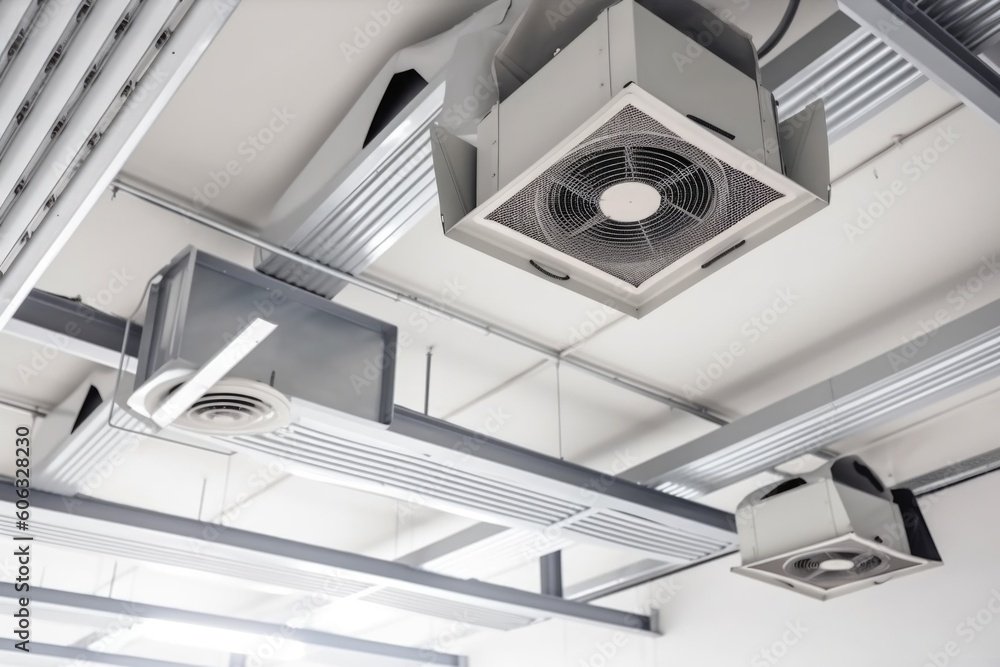
Nigerian chicken farmers have two main options for their ventilation system for chicken house: natural and mechanical systems. Each has advantages and disadvantages depending on your budget and farm size.
Natural Ventilation Systems
Natural ventilation uses wind and temperature differences to move air through your chicken house. Hot air rises and exits through roof openings while cool air enters through side vents. This system costs nothing to operate once installed.
I recommend natural ventilation for farms with fewer than 1,000 birds. It works well during rainy season when temperatures are moderate. However, natural systems struggle during harmattan when there’s little wind movement.
Mechanical Ventilation Systems
Mechanical systems use fans to force air movement. They provide consistent airflow regardless of weather conditions. These systems work better for large commercial operations or areas with poor natural airflow.
The downside is electricity costs. Running fans 24/7 can add significantly to your operating expenses. Power outages also pose risks if you don’t have backup generators.
Designing Your Ventilation System for Nigerian Climate
Your chicken house design must account for Nigeria’s unique weather patterns. We experience three distinct seasons that each present different ventilation challenges.
Rainy Season Considerations (April-October)
During rainy season, humidity becomes your biggest enemy. Moisture from rain, chicken droppings, and drinking water creates perfect conditions for bacteria and fungi growth.
Your ventilation system needs to remove this excess moisture quickly. Install adjustable vents that you can partially close during heavy rains to prevent water entry while maintaining airflow.
I learned this lesson the hard way when my birds developed respiratory infections during the 2018 rainy season. The problem was trapped moisture, not lack of fresh air.
Dry Season Challenges (November-March)
Harmattan winds bring dust and extreme temperature variations. Morning temperatures might be 15°C while afternoon peaks reach 40°C. Your ventilation system for chicken house must handle these extremes.
Dust filters become essential during this period. Simple screens or cloth filters prevent harmful particles from entering your chicken house. Clean these filters weekly to maintain proper airflow.
Hot Season Management (March-May)
The period before rains begin presents the greatest ventilation challenges. Temperatures consistently exceed 35°C with little wind movement. This is when mechanical ventilation becomes necessary for larger operations.
Position fans to create cross-ventilation patterns that move air across all areas of your chicken house. Stagnant air pockets will kill birds quickly during this season.
Building Effective Natural Ventilation
Most Nigerian chicken farmers should start with natural ventilation systems. These systems cost less to build and maintain while providing adequate airflow for small to medium farms.
Ridge Ventilation Design
Ridge ventilation creates a continuous opening along your roof peak. Hot air naturally rises and exits through this opening while pulling fresh air through side vents. This creates constant air movement without electricity.
Build your ridge opening 10-15 centimeters wide for every 100 birds. Cover the opening with wire mesh to prevent predators and rain entry. Adjustable louvers allow you to control airflow during different seasons.
Side Wall Ventilation
Side wall vents should be positioned to catch prevailing winds. In most parts of Nigeria, this means opening the long sides of your chicken house to north and south directions.
Install vents at two levels: lower vents at bird level (30cm from floor) for fresh air entry, and upper vents (2 meters high) for hot air exit. This creates natural circulation patterns that keep birds comfortable.
Calculating Ventilation Requirements
Your chickens need specific amounts of fresh air based on their age and outside temperature. Use this table to calculate your ventilation needs:
| Bird Age | Temperature | Air Changes Per Hour | Cubic Meters Per Bird |
|---|---|---|---|
| 0-2 weeks | Below 25°C | 4-6 | 0.1 |
| 0-2 weeks | Above 30°C | 8-12 | 0.2 |
| 3-6 weeks | Below 25°C | 6-8 | 0.3 |
| 3-6 weeks | Above 30°C | 12-16 | 0.6 |
| Adult birds | Below 25°C | 6-10 | 0.5 |
| Adult birds | Above 30°C | 15-20 | 1.0 |
Calculate your total ventilation needs by multiplying the number of birds by the cubic meters per bird requirement. This tells you the minimum airflow your ventilation system for chicken house must provide.
Mechanical Ventilation Options
When natural ventilation isn’t sufficient, mechanical systems provide the additional airflow your birds need. Choose systems based on your budget, power availability, and farm size.
Exhaust Fan Systems
Exhaust fans pull hot air out of your chicken house while fresh air enters through intake vents. This creates negative pressure that ensures continuous air movement.
Install exhaust fans on the downwind side of your building. For every exhaust fan, you need equivalent intake area to prevent excessive negative pressure that stresses birds.
During my expansion in 2020, I installed four 36-inch exhaust fans for my 2,000-bird house. The fans run continuously during hot season, reducing bird mortality by 80% compared to natural ventilation alone.
Circulation Fans
Circulation fans don’t move air in or out of your chicken house. Instead, they create air movement within the building to prevent stagnant pockets and hot spots.
These fans work well in combination with natural ventilation. They help distribute fresh air throughout your chicken house without high electricity costs of exhaust systems.
Position circulation fans to create overlapping airflow patterns. Install them 2.5-3 meters above floor level to avoid creating drafts on young birds.
Evaporative Cooling Systems
Evaporative coolers combine ventilation with cooling by passing air through water-saturated pads. This system works exceptionally well in Nigeria’s dry season when humidity is low.
The cooling effect can reduce inside temperatures by 8-12°C compared to outside air. This temperature reduction significantly improves bird comfort and egg production during hot periods.
However, evaporative systems increase humidity, which can cause problems during rainy season. Use these systems only during dry periods when additional moisture benefits your birds.
Common Ventilation Mistakes I’ve Witnessed
After training over 500 farmers across Anambra State, I’ve seen the same ventilation mistakes repeatedly. Learning from these errors can save your birds and your investment.
Mistake 1: Insufficient Ventilation Area
Many farmers build beautiful chicken houses but make ventilation openings too small. Your total vent area should equal 25% of your floor area for natural ventilation systems.
I visited a farm in Awka where the owner complained about constant bird deaths. His 200-square-meter chicken house had only 2 square meters of ventilation openings. No wonder his birds were suffocating.
Mistake 2: Poor Vent Placement
Ventilation openings must be positioned to create proper airflow patterns. Vents placed only on one side of the building create dead air zones where birds suffer.
Cross-ventilation requires openings on opposite walls. This creates air movement that reaches every area of your chicken house. Single-sided ventilation leaves half your building without fresh air.
Mistake 3: Ignoring Prevailing Winds
Nigerian wind patterns change seasonally. Your ventilation system must account for these changes to remain effective year-round.
During harmattan, winds come from the northeast. Position your main ventilation openings to catch these winds. During rainy season, winds shift to southwest directions.
Mistake 4: Blocking Vents with Equipment
Feeders, drinkers, and other equipment often block ventilation openings. This reduces airflow and creates the exact problems you built ventilation to prevent.
Keep all ventilation areas clear. Plan your equipment layout to enhance rather than hinder air movement. Your ventilation system for chicken house only works if air can flow freely.
Building Your Ventilation System Step by Step
Creating an effective ventilation system requires careful planning and proper construction techniques. Follow these steps to build a system that keeps your birds healthy year-round.
Step 1: Site Assessment
Evaluate your building site for natural airflow patterns. Observe wind directions during different seasons. Note any obstructions like trees, buildings, or hills that affect air movement.
Walk around your proposed building site at different times of day. Feel how air moves across the area. This helps you position your chicken house to maximize natural ventilation.
Step 2: Design Planning
Draw your chicken house layout showing all ventilation openings. Calculate the total vent area needed based on your bird capacity. Plan both intake and exhaust openings to create proper airflow.
Consider seasonal variations in your design. Include adjustable features that let you modify airflow for different weather conditions.
Step 3: Construction Techniques
Build ventilation openings during initial construction rather than cutting them later. This ensures proper structural support and weatherproofing.
Use galvanized hardware cloth with 12mm openings to cover all vents. This prevents predators while allowing maximum airflow. Paint metal components with rust-resistant paint to extend their life.
Step 4: Testing and Adjustment
Test your ventilation system before bringing in birds. Use smoke or light materials to visualize airflow patterns. Look for dead air zones that need additional circulation.
Make adjustments based on actual performance rather than theoretical calculations. Every building site has unique characteristics that affect air movement.
Seasonal Ventilation Management
Your ventilation system for chicken house needs different management strategies throughout Nigeria’s changing seasons. Proper seasonal adjustments keep birds comfortable and productive year-round.
Rainy Season Adjustments
Reduce ventilation openings by 30-40% during heavy rains to prevent water entry while maintaining minimum airflow. Install rain guards over openings to deflect water while allowing air movement.
Monitor humidity levels closely during this season. Humidity above 70% encourages respiratory problems and bacterial growth. Increase ventilation if humidity remains high for extended periods.
Harmattan Season Modifications
Install dust filters on all intake vents during harmattan. Clean these filters daily to prevent airflow restriction. The dust carried by harmattan winds can clog filters quickly.
Protect birds from cold morning temperatures by reducing night ventilation. Use adjustable vents that you can partially close during cool periods then open fully as temperatures rise.
Hot Season Maximization
Open all ventilation to maximum during hot season. This is when your birds need the most air movement to stay cool and maintain productivity.
Consider temporary shade cloth over openings to reduce solar heat gain while maintaining airflow. Position shade cloth 30cm away from openings to allow air circulation behind it.
Monitoring Your Ventilation Performance
Regular monitoring ensures your ventilation system continues working effectively. Simple observations can alert you to problems before they kill birds.
Visual Indicators
Watch your birds’ behavior for ventilation problems. Panting, reduced activity, and clustering in certain areas indicate inadequate air movement. Healthy birds spread evenly throughout their house.
Check for condensation on walls and ceiling during cool mornings. Excessive moisture indicates insufficient ventilation that needs immediate attention.
Environmental Measurements
Measure temperature and humidity at bird level throughout your chicken house. Temperatures should not vary more than 3°C between different areas. Humidity should stay between 50-70% for optimal bird health.
Use a simple thermometer and humidity gauge to monitor conditions. Take measurements at the same times daily to track patterns and identify problem periods.
Performance Records
Keep records of bird performance related to ventilation conditions. Track mortality rates, feed consumption, and egg production against weather conditions and ventilation settings.
This data helps you optimize your system for maximum bird comfort and profitability. You’ll learn which settings work best for different conditions.
Troubleshooting Ventilation Problems

When ventilation problems occur, quick identification and correction prevent bird losses. Here are the most common issues and their solutions.
Problem: Uneven Temperatures
If some areas of your chicken house are significantly hotter or cooler than others, you have airflow problems. This usually indicates blocked vents or poor air circulation.
Solution: Check all ventilation openings for obstructions. Add circulation fans to create better air movement. Redistribute equipment that might be blocking airflow.
Problem: High Humidity
Persistent high humidity leads to respiratory problems and bacterial infections. This often occurs when exhaust ventilation is insufficient for the moisture load.
Solution: Increase exhaust ventilation capacity. Check that intake vents provide adequate fresh air replacement. Ensure drinking systems aren’t creating excessive moisture.
Problem: Drafts on Young Birds
Direct air movement on young chickens causes chilling and stress. This happens when ventilation openings are too low or fans create excessive air speed.
Solution: Raise intake vents above bird level or install deflectors to redirect airflow. Reduce fan speeds or redirect fan discharge away from brooding areas.
Cost-Effective Ventilation Solutions
Building effective ventilation doesn’t require expensive equipment. Smart design and local materials can create systems that work as well as imported alternatives.
Using Local Materials
Bamboo screens make excellent adjustable vent covers. They’re cheap, readily available, and allow good airflow control. Replace them annually as they deteriorate in weather.
Local welders can fabricate simple exhaust fans using car radiator fans and locally-made housings. These cost 60% less than imported fans while providing similar performance.
DIY Ventilation Projects
Build simple wind-driven turbine ventilators using local materials. A skilled welder can make these for 25% of the cost of manufactured units.
Create evaporative cooling systems using locally-made pad frames and simple water circulation pumps. These provide significant cooling at low cost.
Energy-Efficient Options
Solar-powered exhaust fans eliminate electricity costs while providing reliable ventilation during sunny periods when cooling is most needed.
Battery backup systems for critical fans ensure continued operation during power outages. Size battery systems to run essential fans for 8-12 hours.
Working with Local Authorities and Standards
Understanding Nigerian regulations and standards ensures your ventilation system meets legal requirements while protecting your investment.
NAFDAC Guidelines
The National Agency for Food and Drug Administration and Control (NAFDAC) sets standards for poultry housing that include minimum ventilation requirements. Familiarize yourself with these standards before building.
Your ventilation system must provide adequate air quality to produce safe food products. This protects both your birds and consumers of your products.
State Agricultural Requirements
Some states have additional requirements for poultry facilities. Check with your state agricultural development program for local regulations that might affect your ventilation design.
Compliance with regulations protects you from legal problems and may qualify you for government support programs.
Real Success Stories from My Training Programs
Let me share some success stories from farmers I’ve trained over the years. These examples show how proper ventilation transforms chicken farming operations.
Success Story 1: Nkem’s Natural Ventilation Transformation
Nkem Okafor from Nsukka started with a poorly ventilated chicken house that killed 30% of his birds each dry season. After implementing proper ridge ventilation and cross-ventilation, his mortality dropped to less than 5%.
“I didn’t believe ventilation could make such a difference,” Nkem told me during our follow-up visit. “Now my birds stay active even when outside temperature reaches 38°C.”
His simple modifications cost less than ₦50,000 but increased his annual profit by ₦300,000 through reduced mortality and better egg production.
Success Story 2: Chioma’s Mechanical System Success
Chioma Udeze expanded from 500 to 2,000 birds but kept experiencing heat stress problems with natural ventilation alone. We installed a mechanical exhaust system with evaporative cooling.
The system cost ₦200,000 to install but eliminated heat stress mortality. Her egg production increased by 25% during hot season, paying for the system in 18 months.
“The birds actually gained weight during last year’s hot season instead of losing condition,” Chioma reported. “My feed conversion improved because the birds weren’t stressed.”
Advanced Ventilation Techniques
As your operation grows, consider advanced techniques that optimize bird comfort and production efficiency.
Computer-Controlled Ventilation
Automated systems adjust ventilation based on temperature, humidity, and other sensors. These systems maintain optimal conditions without constant manual adjustments.
While expensive initially, automated systems reduce labor and improve bird performance sufficiently to justify their cost on larger farms.
Heat Recovery Systems
Heat recovery ventilators capture heat from exhaust air to warm incoming fresh air. This reduces heating costs during cool periods while maintaining fresh air supply.
These systems work particularly well during harmattan when morning temperatures are low but daytime heat is excessive.
Air Filtration Systems
Advanced filtration removes dust, pathogens, and harmful gases from ventilation air. This creates cleaner environments that reduce disease pressure and improve bird health.
Filtration systems require regular maintenance but can significantly reduce medication costs and improve production consistency.
Maintenance and Longevity
Proper maintenance keeps your ventilation system for chicken house working effectively for years. Neglected systems fail when you need them most.
Daily Maintenance Tasks
Check all ventilation openings daily for blockages. Remove any debris, spider webs, or accumulated dust that restricts airflow. This takes only minutes but prevents major problems.
Observe fan operation if you have mechanical systems. Listen for unusual noises that indicate bearing problems or belt issues. Early detection prevents costly failures.
Weekly Maintenance Schedule
Clean all screens and filters weekly during dusty periods. Dirty filters reduce airflow and force fans to work harder, increasing electricity costs and wear.
Lubricate fan bearings and check belt tension on belt-driven fans. Proper maintenance extends equipment life and maintains optimal performance.
Seasonal Maintenance Requirements
Inspect and repair all ventilation components before each season. Replace damaged screens, adjust vent openings, and test mechanical systems under load.
Paint metal components annually to prevent rust damage. Use high-quality paints designed for agricultural environments exposed to ammonia and moisture.
Economic Benefits of Proper Ventilation
Investing in proper ventilation pays for itself through improved bird performance and reduced mortality. The economic benefits justify the initial costs.
Mortality Reduction
Proper ventilation can reduce mortality by 60-80% during hot weather periods. Each bird saved represents ₦2,000-3,000 in value, making ventilation improvements highly profitable.
Calculate your current mortality costs during hot seasons. Compare this to ventilation system costs to see potential returns on investment.
Production Improvements
Well-ventilated birds maintain egg production during heat stress when poorly ventilated birds stop laying. A 1,000-bird layer farm can lose ₦500,000 in revenue during a bad hot season without proper ventilation.
Broiler birds with good ventilation grow faster and convert feed more efficiently. Improved growth rates get birds to market sooner, reducing overall production costs.
Feed Conversion Benefits
Comfortable birds convert feed to meat or eggs more efficiently. Heat-stressed birds use energy for cooling rather than growth or egg production.
Improved feed conversion can reduce feed costs by 10-15% while maintaining or improving production levels. This represents significant savings on your largest operating expense.
Future-Proofing Your Ventilation Investment
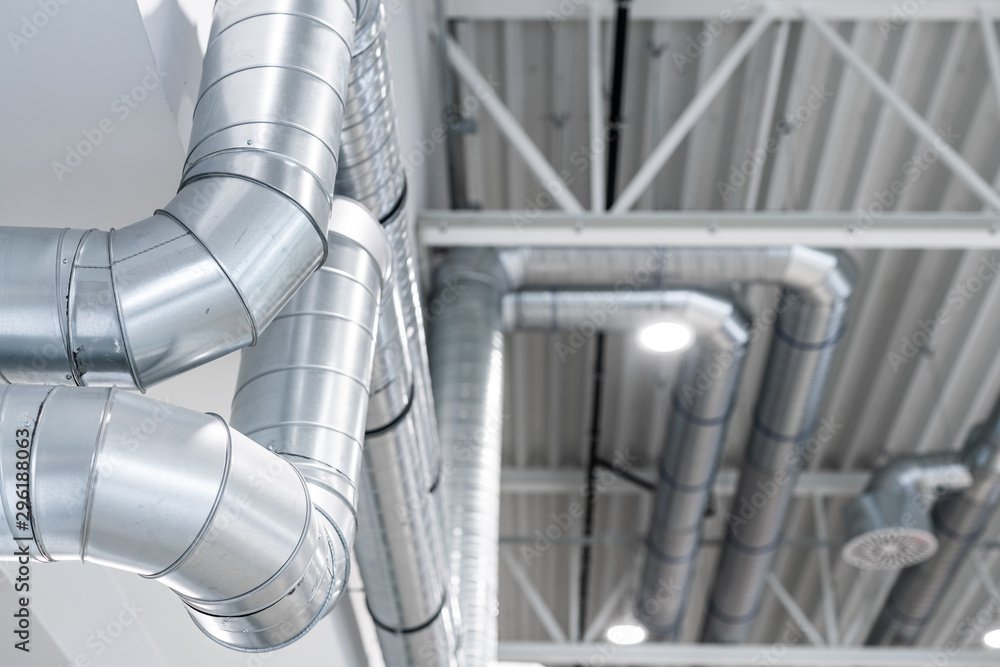
Design your ventilation system to accommodate future expansion and changing needs. Planning ahead saves money and ensures continued effectiveness.
Expandable Designs
Build ventilation capacity for 20% more birds than your current plans. This extra capacity handles future expansion without complete system redesign.
Install electrical infrastructure to support additional fans even if you don’t install them initially. Adding circuits later costs much more than initial installation.
Climate Change Considerations
Nigeria’s climate is becoming more extreme with hotter temperatures and more unpredictable rainfall patterns. Design your system to handle these changing conditions.
Consider backup systems for critical periods when primary ventilation might be insufficient. Climate change makes extreme weather events more likely and severe.
Technology Integration
Plan for future integration of sensors, controllers, and monitoring systems. Install conduit and electrical capacity to support these additions later.
Modern technology can optimize your ventilation system performance while reducing labor requirements. Preparing for these upgrades during initial construction saves money.
Frequently Asked Questions About Chicken House Ventilation
How much ventilation area do I need for 1000 birds?
For 1,000 adult birds in natural ventilation systems, you need approximately 25 square meters of total vent area. This should be divided between intake vents (40%) and exhaust vents (60%). During hot weather, you may need to increase this to 35 square meters to maintain bird comfort.
The exact requirement depends on your local climate conditions and building design. Buildings in areas with poor natural airflow need larger vent areas than those in windy locations.
What’s the best roof design for natural ventilation?
Ridge ventilation with continuous openings along the roof peak works best for natural ventilation. The opening should be 10-15 centimeters wide with adjustable louvers for weather protection. This design allows hot air to escape naturally while drawing cool air through side vents.
Combine ridge ventilation with side wall vents positioned to catch prevailing winds. This creates cross-ventilation that moves air throughout your entire chicken house.
How do I prevent rain from entering through ventilation openings?
Install rain guards or overhangs above all ventilation openings. These should extend at least 30 centimeters beyond the opening to deflect wind-driven rain. Use adjustable louvers that can be partially closed during storms while maintaining minimum airflow.
Position intake vents under eaves or covered areas where possible. Design exhaust vents with upward-facing openings that naturally shed water while allowing air movement.
Should I use fans during power outages?
Battery backup systems can power critical fans during short outages, but natural ventilation becomes essential during extended power failures. Design your building with adequate natural ventilation capacity to maintain bird safety without electricity.
Install emergency generators for critical operations if your area experiences frequent power outages. Size generators to run essential fans plus lighting and water systems.
How do I calculate electricity costs for ventilation fans?
Calculate fan power consumption in kilowatts multiplied by operating hours and electricity rates. A typical 36-inch exhaust fan uses 0.5 kilowatts running 24 hours costs about ₦240 daily at current Nigerian electricity rates.
Multiple fans increase costs proportionally, but improved bird performance usually justifies the expense. Factor electricity costs into your overall production budget when planning mechanical ventilation.
What temperature should I maintain inside my chicken house?
Adult chickens perform best at 18-24°C inside temperature. During hot weather, focus on keeping inside temperature within 5°C of outside temperature through proper ventilation and cooling.
Young chicks need warmer temperatures starting at 35°C for day-old birds, reducing by 3°C weekly until they reach adult comfort levels at 6-7 weeks of age.
How often should I clean ventilation filters?
Clean intake filters weekly during dusty harmattan season, monthly during normal conditions. Dirty filters restrict airflow and reduce system effectiveness. Replace disposable filters rather than trying to clean them multiple times.
Permanent screens and guards need cleaning whenever dust accumulation is visible. Regular cleaning maintains proper airflow and extends equipment life.
Can I retrofit ventilation in existing chicken houses?
Most existing buildings can be modified to improve ventilation, though this is more expensive than building proper ventilation initially. Add ridge vents by cutting openings in existing roofs and installing proper covers and screens.
Cut additional wall openings for cross-ventilation if current openings are insufficient. Reinforce structure around new openings to maintain building integrity. Professional consultation helps ensure modifications meet your birds’ needs safely.
Getting your ventilation system for chicken house right makes the difference between profitable farming and constant losses. The investment in proper ventilation pays for itself through healthier birds, better production, and reduced mortality. Start with natural ventilation systems and add mechanical components as your operation grows.
Remember that ventilation requirements change with seasons, bird age, and local weather conditions. Monitor your birds’ behavior and adjust your system accordingly. Comfortable birds are profitable birds, and proper ventilation keeps your chickens comfortable year-round.
Based on my eight years of experience training farmers across Anambra State, those who invest in proper ventilation systems consistently outperform those who ignore this critical aspect of poultry housing. Your birds depend on you for fresh air – make sure your ventilation system delivers it reliably.