How to Prevent Rats in Chicken House Nigeria: A Local Farmer’s Complete Guide

My name is Pius Emeka, and I’ve been raising chickens here in Oyi Local Government Area, Anambra State for eight years. During this time, I’ve helped over 200 farmers solve their rat problems. Let me share what really works.
When I started chicken farming in 2016, rats destroyed my first batch of chicks. I lost 45 birds in one week. That painful experience taught me everything about how to prevent rats in chicken house Nigeria. Today, my farm stays rat-free year-round.
Rats kill more chickens in Nigeria than most diseases. They eat eggs, attack chicks, and spread deadly infections. The good news? You can stop them completely with the right approach.
This guide covers every method I’ve tested personally. I’ll share real stories from farmers I’ve trained across Anambra State. You’ll learn practical solutions that work in our Nigerian climate and conditions.
Why Rats Target Chicken Houses in Nigeria
Rats love chicken houses for three simple reasons. First, they find plenty of food from spilled grain and leftover feed. Second, chicken houses provide perfect shelter from rain and heat. Third, they can easily access fresh water from drinking containers.
During my early farming days, I noticed rats were most active during the harmattan season. They seek warm places when temperatures drop at night. Chicken houses become their favorite hideout.
Understanding how to prevent rats in chicken house Nigeria starts with knowing their behavior. Rats are nocturnal creatures. They hunt for food between 7 PM and 5 AM. This timing matches when farmers typically lock up their chickens for the night.
Nigerian rat species like the black rat and brown rat reproduce very quickly. One female rat can produce 40 offspring per year. Without proper prevention, a small rat problem becomes a disaster within months.
I remember visiting farmer Johnson’s coop in Awkuzu. His 100 birds were healthy on Monday. By Friday, rats had killed 23 chicks and eaten countless eggs. The financial loss was devastating for his family.
Understanding Nigerian Rat Species That Attack Chickens
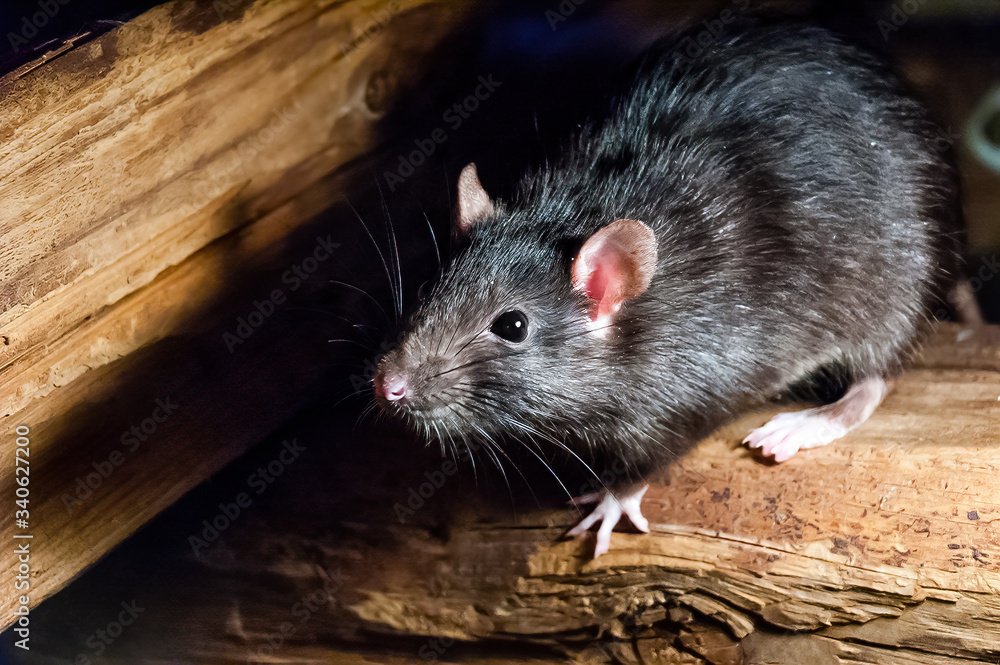
Three main rat species terrorize chicken farms across Nigeria. The black rat (Rattus rattus) climbs walls and enters through roof openings. The brown rat (Rattus norvegicus) burrows under structures and attacks from below. The African soft-furred rat prefers rural areas like most chicken farms.
Black rats are excellent climbers. They can scale smooth walls and walk across thin wires. I’ve seen them enter chicken houses through gaps smaller than a N20 coin. These rats prefer attacking chicks and stealing eggs.
Brown rats are larger and more aggressive. They dig tunnels under chicken house foundations. During the rainy season, they seek higher ground inside your structures. These rats will attack adult chickens if cornered.
Learning how to prevent rats in chicken house Nigeria means identifying which species you’re fighting. Black rat droppings are long and thin. Brown rat droppings are thick and blunt. African soft-furred rats leave smaller, scattered droppings.
Each species requires different prevention strategies. Black rats need roof-level barriers. Brown rats need ground-level fortification. Mixed infestations need comprehensive approaches.
During my training workshops, farmers often mistake mouse damage for rat damage. Mice rarely harm healthy adult chickens. Rats actively hunt chicks and can kill birds twice their size.
The Real Cost of Rat Infestations for Nigerian Farmers
Rats cost Nigerian chicken farmers millions of naira annually. During my eight years of farming, I’ve calculated the exact financial impact. One rat family can destroy N50,000 worth of chickens and eggs in three months.
Direct losses include dead chicks, missing eggs, and injured adult birds. Rats typically kill 2-3 chicks per night when they establish territories. Over one month, a small rat colony destroys 60-90 young chickens.
Indirect costs hurt farmers even more. Rat-damaged feed must be discarded completely. Contaminated water sources need thorough cleaning and disinfection. Stressed chickens reduce egg production by 30-40% during active infestations.
Medical expenses add up quickly when rats spread diseases. I’ve seen farmers spend N100,000 treating sick chickens after rat outbreaks. Prevention costs far less than treatment and replacement.
Understanding how to prevent rats in chicken house Nigeria saves money long-term. My current prevention system costs N15,000 annually. Before implementing these measures, I lost N80,000 yearly to rat damage.
Insurance rarely covers rat-related losses on small Nigerian farms. Most farmers absorb these costs directly from family income. Effective prevention becomes essential for farm survival.
Physical Barriers: Your First Line of Defense
Building proper physical barriers remains the most effective method for how to prevent rats in chicken house Nigeria. During construction, every opening larger than 6mm needs protection. Rats squeeze through incredibly small spaces.
Wire mesh works better than solid barriers for ventilation purposes. Use 4mm galvanized wire mesh around all openings. Check mesh weekly for damage or loose sections. Rats chew through weak spots quickly.
Foundation barriers prevent burrowing rats from entering underneath. Dig 30cm deep around your chicken house perimeter. Install corrugated iron sheets vertically in this trench. Backfill with concrete mix for permanent protection.
Door seals eliminate the most common entry points. Install rubber door seals at ground level. Check door frames for gaps and seal with cement mixture. Rats enter through spaces you might overlook during construction.
Roof protection requires special attention in Nigerian designs. Cover all ventilation openings with fine mesh screens. Secure mesh with metal clips rather than nails. Replace damaged screens immediately after heavy rains or storms.
Window barriers need regular maintenance throughout the year. Clean mesh screens monthly to maintain airflow. During harmattan season, dust blocks ventilation if screens aren’t cleaned regularly.
| Barrier Type | Material Needed | Cost (Naira) | Lifespan (Years) |
|---|---|---|---|
| Wire Mesh | 4mm galvanized | 8,000 | 5-7 |
| Foundation Barrier | Corrugated iron | 12,000 | 10+ |
| Door Seals | Rubber strips | 2,500 | 2-3 |
| Roof Screens | Fine mesh | 5,000 | 3-5 |
Proper Food Storage and Management
Proper feed storage eliminates the main attraction for rats. Store all chicken feed in metal containers with tight-fitting lids. Plastic containers get chewed through within days of rat discovery.
Clean up spilled feed immediately after each feeding time. Rats remember locations where they find food consistently. Even small amounts of scattered grain create feeding stations that attract entire rat families.
Elevate feed storage containers at least 60cm above ground level. Build simple wooden platforms or use concrete blocks for elevation. This height prevents most rats from accessing stored feed directly.
Schedule feeding times to minimize overnight food availability. Remove all uneaten feed before evening hours. How to prevent rats in chicken house Nigeria includes controlling when food is available to unwanted visitors.
Water management prevents secondary attractions around your farm. Fix leaking pipes and containers immediately. Standing water attracts rats and provides breeding grounds for disease-carrying insects.
Store feed in weekly portions rather than monthly bulk amounts. Fresh feed reduces waste from spoilage and pest contamination. Smaller storage containers are easier to keep rat-proof.
During my workshops, I demonstrate proper feeding techniques to new farmers. Scheduled feeding reduces waste by 40% compared to constant food availability. Less waste means fewer rats around your property.
Environmental Management Strategies
Maintaining clean surroundings removes rat hiding places and breeding areas. Clear all brush and tall grass within 10 meters of your chicken house. Rats use vegetation for cover while approaching your farm.
Remove potential nesting materials from around your property. Old boards, unused containers, and garbage piles provide perfect rat homes. Weekly cleanup prevents colony establishment near your chickens.
Drainage management becomes critical during rainy seasons. Ensure water flows away from your chicken house foundation. Standing water attracts rats and creates muddy conditions they prefer for burrowing.
Compost management requires special attention on chicken farms. Turn compost piles weekly to prevent rat nesting. Cover fresh organic matter with soil or leaves immediately after adding to piles.
Proper waste disposal eliminates food sources that sustain rat populations. Burn or bury dead chickens immediately rather than throwing them in open areas. Decomposing animals attract rats from long distances.
Understanding how to prevent rats in chicken house Nigeria includes managing your entire farm environment. Rats avoid open areas where predators can spot them easily. Maintain clear sightlines around all farm structures.
Tree branch management prevents aerial access routes to your chicken house. Trim branches that hang within 2 meters of your roof. Rats jump surprising distances from tree to building.
Natural and Safe Deterrent Methods
Several plants naturally repel rats when grown around chicken houses. Mint plants release strong odors that rats avoid consistently. Plant mint in containers rather than directly in soil to prevent spreading.
Pepper plants create natural deterrent zones around your farm perimeter. Hot peppers work better than sweet varieties for rat control. Dry and crush pepper pods to create powder for sprinkling around vulnerable areas.
Essential oil deterrents work temporarily but require frequent reapplication. Peppermint oil on cotton balls near entry points discourages rat exploration. Replace oil-soaked cotton weekly for continued effectiveness.
Cat presence alone deters many rats from establishing territories. Farm cats don’t need to catch rats to provide protection. Their scent and occasional presence keep rat populations away from treated areas.
Sound deterrents using local materials can supplement other prevention methods. Hanging metal cans that clatter in wind create noise rats associate with danger. Change positions monthly to maintain effectiveness.
Understanding how to prevent rats in chicken house Nigeria means using multiple natural methods together. Single deterrent techniques rarely provide complete protection for active chicken farms.
Traditional herbs like bitter leaf can be effective when properly applied. Crush fresh bitter leaves and spread around chicken house perimeter. Reapply after heavy rains wash away natural oils.
Mechanical Control Solutions
Snap traps remain the most reliable mechanical control method for Nigerian farms. Use wooden-based traps rather than plastic versions for durability. Position traps along walls where rats typically travel at night.
Live traps work well when you want to relocate captured rats. Check live traps every 6 hours to prevent captured animals from dying inside. Release captured rats at least 5 kilometers from your farm.
Bait selection dramatically affects trap success rates. Dried fish attracts Nigerian rats better than imported cheese or peanut butter. Local rats recognize familiar food odors more readily.
Trap placement requires understanding rat movement patterns around your chicken house. Set traps perpendicular to walls with trigger ends toward walking surfaces. Rats follow wall edges when traveling through unfamiliar areas.
Multiple trap strategies work better than single trap placement. Use 6-8 traps around a standard chicken house for maximum effectiveness. Check and reset traps daily for consistent results.
Understanding how to prevent rats in chicken house Nigeria includes proper trap maintenance throughout control campaigns. Clean traps weekly with soap and water. Rats avoid traps with human scent or previous capture odors.
Seasonal trap adjustments account for changing rat behavior patterns. During dry season, place more traps near water sources. During rainy season, focus trap placement near shelter areas.
Disease Prevention and Health Considerations

Rats transmit serious diseases to both chickens and humans through direct contact and contamination. Salmonella bacteria spread through rat droppings in feed and water containers. Clean contaminated areas with bleach solution immediately.
Respiratory diseases increase dramatically in chicken houses with active rat infestations. Rats carry airborne pathogens that weaken chicken immune systems. Proper ventilation helps reduce disease transmission between species.
Parasite transfer from rats to chickens creates ongoing health problems. Mites and lice jump from rats to birds during close contact. Regular health inspections help identify parasite problems early.
Safe handling procedures protect farmers from rat-transmitted diseases. Wear gloves when cleaning areas with rat droppings or urine stains. Wash hands thoroughly with soap after any contact with contaminated surfaces.
Vaccination schedules should account for increased disease pressure from rat presence. Consult veterinary services about additional vaccines for rat-prone areas. How to prevent rats in chicken house Nigeria includes protecting against disease transmission.
Quarantine procedures help contain diseases that rats introduce to healthy flocks. Separate sick birds immediately upon symptom discovery. Monitor remaining birds closely for 14 days after suspected exposure.
Water sanitation becomes critical when rats access drinking containers. Change water daily in containers that show signs of rat contamination. Use elevated waterers that rats cannot reach easily.
Building Design Modifications for Rat Prevention
Foundation design determines long-term success in rat prevention efforts. Pour concrete foundations at least 15cm above ground level. Smooth concrete surfaces prevent rats from gaining footholds for climbing.
Wall construction materials affect rat infiltration possibilities. Use cement blocks rather than mud bricks for permanent structures. Cement blocks resist rat gnawing and don’t provide nesting spaces between joints.
Roofing considerations include multiple factors for rat prevention success. Install metal roofing rather than thatch or corrugated materials that rats can chew through. Secure all roof edges to prevent lifting during storms.
Door and window frame installation requires attention to gap elimination. Use expanding foam to fill spaces around frames after installation. Check foam regularly for damage and repair immediately when needed.
Ventilation system design must balance airflow with rat exclusion requirements. Install intake vents near roof level rather than ground level. Cover all vents with appropriate mesh screening.
Understanding how to prevent rats in chicken house Nigeria means designing structures that naturally discourage rat habitation. Minimize hiding places and climbing surfaces during initial construction phases.
Interior layout affects rat movement patterns and control effectiveness. Avoid cluttered storage areas where rats can hide during daylight hours. Design clear pathways for easy inspection and maintenance access.
Seasonal Rat Control Strategies
Dry season strategies focus on water source control and food management. Rats travel further for water during harmattan periods. Secure all water containers and eliminate standing water near your chicken house.
Rainy season prevention emphasizes shelter denial and drainage management. Rats seek dry nesting areas when their usual burrows flood. Inspect and repair all structural damage immediately after storms.
Planting season activities often disturb established rat colonies in nearby areas. Displaced rats may move toward your chicken house seeking new territories. Increase monitoring during land preparation periods.
Harvest season attracts rats to farm areas with increased grain availability. Store harvested crops away from chicken houses to prevent attracting additional rat populations to your property.
Breeding season rat control requires understanding reproductive cycles of local species. Nigerian rats breed year-round but peak during abundant food periods. Intensify control efforts before breeding seasons begin.
Understanding how to prevent rats in chicken house Nigeria includes adapting strategies to seasonal challenges and opportunities. Weather patterns influence rat behavior more than most farmers realize.
Holiday periods often disrupt regular maintenance routines on family farms. Arrange coverage for daily inspections during travel periods. Rats exploit gaps in human surveillance quickly.
Community-Based Approaches
Neighborhood coordination creates larger rat-free zones around multiple farms. Work with adjacent farmers to implement simultaneous control measures. Rats move between properties when pressured on single farms.
Information sharing helps identify emerging rat problems before they spread. Regular meetings with nearby chicken farmers provide early warning systems. Share successful techniques and problem areas discovered on individual farms.
Group purchasing reduces costs for rat prevention materials and equipment. Coordinate bulk orders for wire mesh, traps, and other supplies with neighboring farmers. Shared costs make professional materials affordable for small farmers.
Training programs spread effective techniques throughout farming communities. Organize workshops where experienced farmers teach prevention methods to newcomers. Demonstrated techniques work better than verbal instructions alone.
Resource sharing allows access to specialized equipment for temporary use. Borrow or rent expensive items like concrete mixers for foundation work. Share costs and tools for major structural improvements.
Understanding how to prevent rats in chicken house Nigeria benefits from community-wide implementation rather than isolated individual efforts. Coordinated approaches provide better long-term results for everyone involved.
Success monitoring across multiple farms provides data about technique effectiveness. Track results from different approaches to identify best practices for local conditions. Share findings with agricultural extension services.
Cost-Effective Prevention Solutions
Budget planning for rat prevention helps small farmers afford necessary materials. Prioritize high-impact modifications like foundation barriers and door seals first. Add additional features as farm income allows expansion.
DIY construction techniques reduce labor costs for prevention installations. Learn basic masonry skills for foundation work and concrete mixing. Practice wire mesh installation before attempting full chicken house coverage.
Material sourcing strategies help find quality supplies at reasonable prices. Visit construction sites for unused materials like wire mesh and concrete blocks. Salvaged materials often work perfectly for farm applications.
Maintenance scheduling prevents expensive emergency repairs and replacements. Weekly inspections cost nothing but catch problems before they become serious. Regular maintenance extends lifespan of prevention installations.
Comparative cost analysis shows prevention expenses versus loss replacement costs. Document actual losses from rat damage before implementing prevention measures. Compare prevention costs to replacement costs over annual periods.
Understanding how to prevent rats in chicken house Nigeria includes making financially sound decisions about prevention investments. Effective prevention pays for itself within one growing season.
Long-term planning spreads major expenses across multiple years. Phase construction improvements over 2-3 years rather than attempting everything simultaneously. Gradual improvements still provide increasing protection levels.
Monitoring and Early Detection Systems
Daily inspection routines help catch rat problems before they become serious infestations. Check for fresh droppings, gnaw marks, and disturbed feed every morning. Early detection makes control efforts much more effective.
Track systems help identify rat travel routes around your chicken house. Spread flour or fine dust near suspected entry points. Check for footprint patterns the following morning.
Damage documentation provides evidence of rat activity levels and preferred targets. Photograph damage sites and note dates of discovery. Tracking helps evaluate control measure effectiveness over time.
Behavior change indicators in chickens often signal rat presence before visual confirmation. Increased restlessness at night suggests predator pressure. Reduced egg production may indicate stress from rat activity.
Technology applications can supplement traditional monitoring methods. Simple motion-activated lights reveal nighttime animal activity patterns. Battery-powered devices work well in remote farm locations.
Understanding how to prevent rats in chicken house Nigeria includes developing systematic approaches to problem detection and response. Consistent monitoring prevents small problems from becoming disasters.
Record keeping helps identify seasonal patterns and vulnerable periods. Note dates of increased rat activity and correlate with weather or farming activities. Historical data improves prediction and preparation.
Professional Help and When to Seek It
Agricultural extension services provide expert advice for serious rat control problems. Contact your local government agricultural development program for technical assistance. Professional guidance helps when home remedies fail repeatedly.
Veterinary consultation becomes necessary when rats transmit diseases to your chicken flock. Professional diagnosis identifies specific diseases and appropriate treatment protocols. Early veterinary intervention saves more birds than delayed treatment.
Structural engineering advice helps with major construction modifications for rat-proofing. Professional assessment ensures foundation work meets local building standards. Proper engineering prevents expensive construction failures.
Pest control professionals offer solutions for severe infestations that overwhelm individual farmer capabilities. Commercial services have access to restricted materials not available to private farmers. Professional treatment may be cost-effective for large operations.
Training opportunities through agricultural organizations improve long-term rat control success. Attend workshops and demonstrations when available in your area. Continuous learning improves farming techniques and profitability.
Understanding how to prevent rats in chicken house Nigeria sometimes requires admitting when problems exceed individual capabilities. Seeking help early prevents total loss situations that destroy farming businesses.
Insurance evaluation helps determine coverage options for pest-related losses. Some agricultural insurance policies cover specific types of animal damage. Understanding coverage helps with financial planning and risk management.
Success Stories from Oyi Local Government Area
Farmer Chinedu’s transformation story demonstrates practical application of integrated rat control methods. His initial losses of 80 chicks per month dropped to zero within six weeks of implementing comprehensive prevention measures.
Mrs. Adaora’s experience shows how community cooperation enhances individual farm protection. She coordinated rat control efforts with five neighboring farmers in Nteje. Their collective approach eliminated rats from a 2-kilometer area around their farms.
Young farmer Emmanuel’s cost-effective approach proves that prevention works on limited budgets. He spent N25,000 on materials and labor for complete rat-proofing. His annual savings exceed N150,000 compared to previous rat losses.
Village cooperative success in Awkuzu village created a model for other communities. Twelve farmers pooled resources for professional consultation and bulk material purchases. Their coordinated effort protected 500 chickens across all participating farms.
Training program graduate Obiageli now teaches rat prevention to other women farmers. Her demonstration farm shows visitors practical techniques that work in local conditions. How to prevent rats in chicken house Nigeria spreads through peer education and success examples.
Technical college partnership in Oyi brought student labor for major construction projects. Students gained practical experience while farmers received affordable professional work. Educational partnerships benefit both learning institutions and farming communities.
Extension service collaboration helped document best practices for wider distribution. Successful techniques from local farms now appear in official agricultural publications. Local innovations contribute to nationwide farming knowledge.
Frequently Asked Questions
How much does it cost to rat-proof a chicken house in Nigeria?
Complete rat-proofing costs between N20,000 and N40,000 for a standard 100-bird chicken house in Nigeria. Foundation barriers represent the largest expense at approximately N12,000. Wire mesh screening costs around N8,000 for all openings. Door seals and minor modifications add another N5,000 to total costs. These prevention expenses pay for themselves within one farming season through saved chickens and eggs.
Material costs vary by location within Nigeria, with urban areas typically more expensive than rural markets. Bulk purchases with neighboring farmers reduce individual costs significantly. DIY installation saves 40-60% compared to hiring professional labor. Quality materials last 5-10 years with proper maintenance.
What are the signs of rat infestation in chicken houses?
Fresh rat droppings appear as dark, pellet-shaped deposits near feed storage and nesting areas. Gnaw marks on wooden structures show distinctive tooth patterns from rat chewing. Disturbed feed with scattered grain indicates nighttime rat feeding activity. Missing eggs and injured chicks provide direct evidence of rat predation.
Unusual chicken behavior includes increased restlessness at night and reluctance to enter certain areas. Reduced egg production often accompanies rat stress in laying hens. Strange odors from urine marking may be noticeable in enclosed spaces. Scratching sounds in walls or ceiling areas indicate rat movement during quiet periods.
Which trap works best for catching rats in Nigerian chicken farms?
Wooden snap traps with metal triggers provide the most reliable catching performance for Nigerian rat species. These traps withstand humid conditions better than plastic alternatives. Position traps along walls with bait end toward rat travel paths for maximum effectiveness.
Live cage traps work well when farmers prefer relocating captured rats rather than killing them. Multi-catch traps handle larger infestations more efficiently than single-catch designs. Bait selection using dried fish or palm nut attracts local rats better than imported baits.
Can rats make chickens sick with diseases?
Rats transmit multiple diseases to chickens through direct contact and environmental contamination. Salmonella bacteria spread through rat droppings in feed and water containers. Respiratory infections increase when rats share airspace with chickens in poorly ventilated houses.
Parasites like mites and lice transfer from rats to chickens during close contact situations. Secondary infections develop when rats bite or injure chickens during attacks. Stress from rat presence weakens chicken immune systems and increases susceptibility to various diseases.
How do I prevent rats from climbing into my chicken house?
Install smooth metal barriers around foundation walls to prevent climbing access. Apply cooking oil or grease to vertical surfaces rats use for climbing routes. Trim tree branches that hang within jumping distance of your chicken house roof.
Remove stacked materials near chicken house walls that provide stepping stones for climbing rats. Install inverted metal cones around support posts to create barriers rats cannot overcome. Regular maintenance of climbing barriers ensures continued effectiveness throughout rainy seasons.
What plants naturally repel rats from chicken areas?
Mint plants release strong odors that rats consistently avoid when grown in containers around chicken houses. Hot pepper plants create natural deterrent zones when planted along property boundaries. Bitter leaf provides traditional rat deterrent properties when crushed and applied fresh.
Lemongrass produces citrus scents that interfere with rat scent marking and navigation. Garlic plants release sulfur compounds that rats find objectionable for territory establishment. Plant natural deterrents in multiple locations rather than concentrating in single areas for better coverage.
How often should I inspect my chicken house for rat problems?
Daily morning inspections catch rat problems before they become serious infestations. Check for fresh droppings, gnaw marks, and feed disturbance every day during feeding time. Weekly detailed inspections should include foundation, roofing, and barrier condition assessments.
Monthly maintenance inspections focus on structural integrity and prevention system effectiveness. Seasonal inspections before rainy and dry periods help prepare for changing rat pressure situations. Immediate inspection after storms or unusual chicken behavior prevents missed opportunities for early intervention.
Should I use poison baits for rat control around chickens?
Avoid poison baits near chicken areas due to risks of accidental poisoning and secondary contamination. Poisoned rats often die in inaccessible areas and create odor problems during decomposition. Dead rats attract flies and other pests that may bother chickens.
Mechanical control methods like traps provide safer alternatives that protect both chickens and humans from toxic exposure.
Natural deterrents and physical barriers offer long-term solutions without ongoing poisoning risks. Professional consultation helps determine appropriate control methods for severe infestations.
Safety Disclaimer: The rat control methods described in this guide are based on practical farming experience in Nigerian conditions. Always prioritize the safety of your chickens and family when implementing control measures.
Consult with veterinary professionals or agricultural extension services for specific health concerns or severe infestations. Individual results may vary based on local conditions and implementation quality.
Pius Emeka has trained over 200 chicken farmers in Anambra State and continues to research practical solutions for Nigerian agricultural challenges. This guide represents eight years of hands-on experience and community collaboration in Oyi Local Government Area.
References:
- National Agricultural Extension and Research Liaison Services (NAERLS) – Nigerian agricultural research and extension programs
- Nigerian Agricultural Land Development Authority (NALDA) – Government agricultural development initiatives
- Federal Ministry of Agriculture and Rural Development – Official agricultural policies and guidelines