Best Type of Net for Chicken House Ventilation in Nigeria: A Complete Guide from 8 Years of Experience
When I started chicken farming in 2017 at Oyi Local Government Area, Anambra State, I made a costly mistake. I used the wrong net for my chicken house ventilation. Within three weeks, I lost 47 birds to heat stress and respiratory problems.
That experience taught me everything about choosing the right type of net for chicken house ventilation in Nigeria. Today, I’ll share what I’ve learned from training over 200 farmers across Anambra, Enugu, and Delta States.
Why Ventilation Net Matters in Nigerian Chicken Farming
Nigeria’s climate is hot and humid. Our average temperature ranges from 25°C to 35°C most of the year. According to the Nigerian Meteorological Agency (NiMet), some regions experience temperatures above 38°C during dry season.
Chickens cannot sweat. They release heat through their respiratory system. Poor ventilation kills birds faster than any disease I’ve seen in eight years of farming.
The type of net for chicken house ventilation determines:
- How much fresh air enters your pen
- Protection against predators and wild birds
- Prevention of disease-carrying insects
- Temperature control inside the chicken house
- Your overall production cost
In 2019, I visited a farm in Awka where a farmer used cloth material for ventilation. His mortality rate was 23% in three months. After switching to proper ventilation net, his losses dropped to 4%.
Understanding Different Types of Ventilation Nets
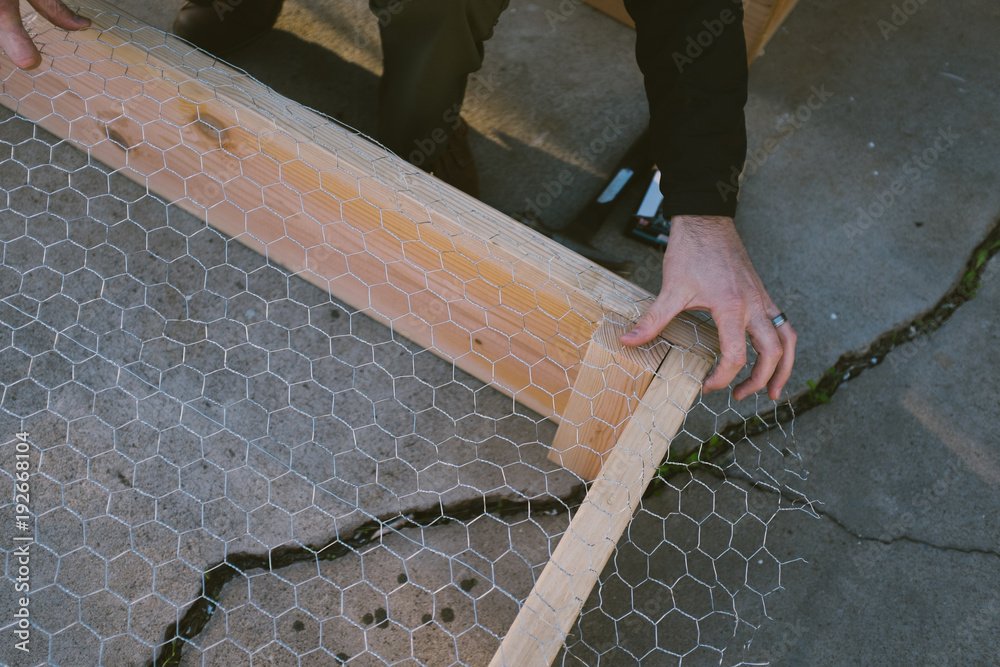
Let me break down the common types of nets available in Nigerian markets. I’ve tested most of these in my own farm and in farmers I’ve trained.
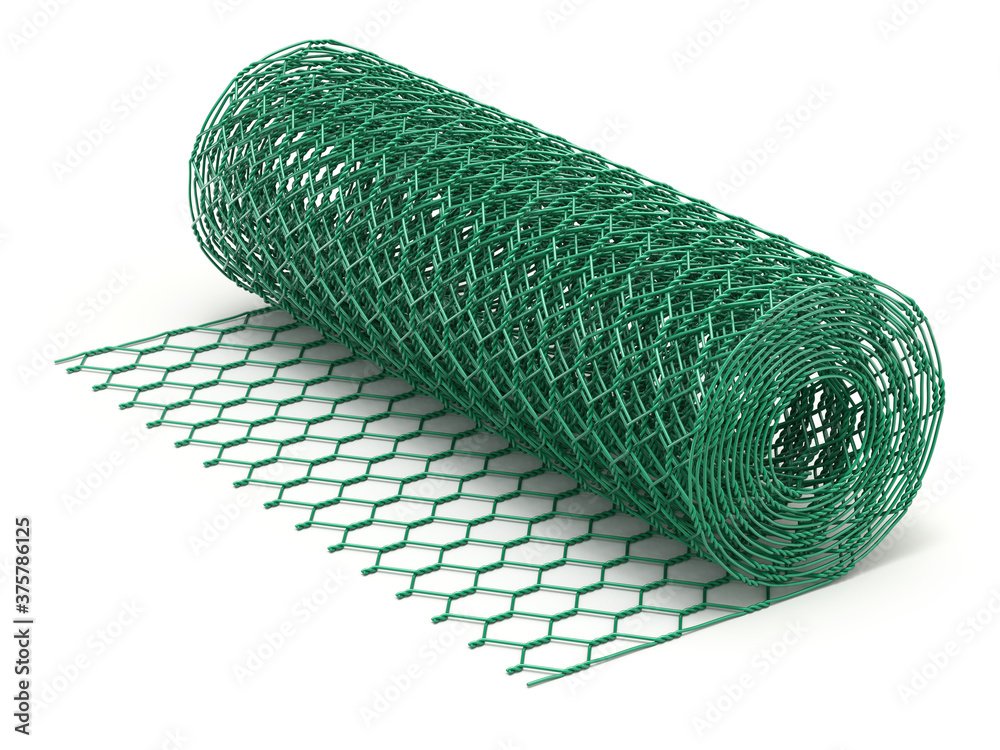
Wire Mesh (Chicken Wire)
This is the most common type of net for chicken house ventilation in Nigeria. It comes in different gauges and hole sizes.
Advantages:
- Very durable and long-lasting
- Strong protection against predators
- Available in most agricultural stores
- Easy to install on wooden or metal frames
Disadvantages:
- Expensive initial cost (₦15,000 to ₦35,000 per roll)
- Can rust in humid areas
- Limited airflow if holes are too small
- Heavy and requires strong support structure
I use 1-inch gauge wire mesh on my farm. It has served me for six years without replacement. The investment pays for itself through reduced bird losses.
Plastic Netting
Plastic nets are becoming popular among Nigerian farmers. They’re made from UV-resistant polythene or polypropylene materials.
Advantages:
- Affordable (₦8,000 to ₦18,000 per roll)
- Rust-proof and weather-resistant
- Lightweight and easy to install
- Good airflow with various hole sizes available
Disadvantages:
- Less durable than wire mesh
- Can be chewed by rodents
- May degrade under intense sunlight
- Needs replacement every 2-3 years
One farmer I trained in Nteje, Mrs. Ngozi Okafor, uses plastic netting. She replaces it every two years. For her 500-bird capacity farm, this works perfectly with her budget.
Mosquito Netting
Some farmers ask me about mosquito nets for chicken house ventilation. I’ve seen this used in small backyard poultry setups.
Advantages:
- Very fine mesh blocks tiny insects
- Prevents mosquito-borne diseases
- Cheap and readily available
- Good for biosecurity
Disadvantages:
- Poor airflow due to tiny holes
- Tears easily
- Not suitable for large commercial farms
- Requires frequent replacement
I don’t recommend mosquito netting as the primary type of net for chicken house ventilation. The airflow restriction causes heat stress, especially during hot season.
Weld Mesh (Hardware Cloth)
This is galvanized steel wire mesh welded at intersections. It’s stronger than regular chicken wire.
Advantages:
- Extremely durable
- Excellent predator protection
- Various hole sizes available
- Maintains shape over time
Disadvantages:
- Most expensive option (₦25,000 to ₦50,000 per roll)
- Heavy and difficult to work with
- Sharp edges can injure birds or handlers
- Requires professional installation
I use weld mesh for my breeder section. The extra security is worth the cost when protecting valuable breeding stock.
My Recommended Net Choice for Nigerian Chicken Farmers
After eight years of experience, I recommend 1-inch galvanized wire mesh as the best type of net for chicken house ventilation in Nigeria. Here’s why:
The 1-inch hole size provides perfect balance between airflow and security. It blocks snakes, cats, and wild birds while allowing maximum air movement.
In 2021, I conducted a training workshop at Oyi Local Government headquarters. We compared temperature readings in three identical pens with different nets. The pen with 1-inch wire mesh recorded 2-3°C lower temperature than others.
For farmers on tight budgets, I suggest high-quality plastic netting. It performs well if you choose the right brand and maintain it properly.
Factors to Consider When Choosing Ventilation Net
Climate in Your Location
Nigeria has different climate zones. The type of net for chicken house ventilation in Lagos differs from what works in Kano.
In southern states with high humidity, choose rust-resistant materials. Plastic nets or galvanized wire mesh work best. I’ve seen regular wire mesh rust completely in two years near coastal areas.
Northern regions with extreme heat need nets with larger holes for maximum airflow. A farmer I know in Kaduna uses 1.5-inch wire mesh successfully.
Your Budget
Be realistic about what you can afford. Don’t compromise on quality, but choose wisely.
Here’s a cost breakdown based on 2025 market prices:
| Net Type | Cost per Roll (50m) | Lifespan | Cost per Year |
|---|---|---|---|
| Wire Mesh (1-inch) | ₦25,000 – ₦35,000 | 5-7 years | ₦4,286 |
| Plastic Netting | ₦10,000 – ₦18,000 | 2-3 years | ₦5,000 |
| Weld Mesh | ₦35,000 – ₦50,000 | 8-10 years | ₦4,375 |
| Mosquito Net | ₦3,000 – ₦5,000 | 6-12 months | ₦4,000 |
Wire mesh and weld mesh offer better long-term value despite higher initial costs.
Farm Size and Bird Capacity
Small backyard farms (50-200 birds) can use plastic netting successfully. The replacement cost remains manageable at this scale.
Commercial farms (1,000+ birds) should invest in wire mesh or weld mesh. The durability reduces long-term maintenance costs and minimizes production disruptions.
My farm currently houses 2,500 layers. I use wire mesh throughout. The peace of mind is worth every kobo spent.
Predator Pressure in Your Area
Some locations have more predators than others. I’ve trained farmers in areas with serious snake problems.
In Aguleri, near the Anambra River, snakes are common. Farmers there need smaller hole sizes and double-layer protection in some cases.
Ask neighboring farmers about predator experiences. This information helps you choose the right type of net for chicken house ventilation.
Disease Prevention Needs
Biosecurity is critical in modern chicken farming. The National Agricultural Extension and Research Liaison Services (NAERLS) emphasizes preventing disease entry through proper farm design.
Nets with smaller holes prevent wild birds from entering. Wild birds carry Newcastle disease, fowl pox, and other infections.
One outbreak in 2020 affected three farms in my area. The only farm that escaped had proper netting that excluded wild birds completely.
How to Calculate Net Requirements for Your Chicken House
Many farmers buy too much or too little netting. I’ll show you the simple calculation I use.
Step 1: Measure Your Ventilation Openings
Measure the length and height of all ventilation spaces in your chicken house. Include:
- Side wall openings
- End wall openings
- Ridge ventilation areas
- Door frames (if using net sections)
Step 2: Calculate Total Area
Multiply length by height for each opening. Add all areas together.
Example: My 10m x 8m chicken house has:
- Two side walls: 10m x 1.5m = 15m² each = 30m²
- Two end walls: 8m x 1.5m = 12m² each = 24m²
- Total = 54m²
Step 3: Add 15% Extra for Overlaps and Waste
Never buy exact measurements. Overlaps and cutting waste consume material.
54m² + 15% = 62.1m² (round up to 63m²)
Step 4: Convert to Rolls
Most wire mesh comes in 1.2m or 1.5m width rolls. Length varies from 25m to 50m per roll.
For 1.5m wide, 50m long roll: 1.5m x 50m = 75m²
You need one roll for the example above.
Installation Tips for Maximum Ventilation Efficiency
Proper installation of your chosen type of net for chicken house ventilation is as important as choosing the right net. I’ve seen good nets perform poorly due to bad installation.
Frame Preparation
Build strong frames using treated wood or metal pipes. The net must remain taut and flat.
Loose, sagging nets reduce airflow by up to 40%. I learned this during a workshop with the National Agricultural Land Development Authority (NALDA) in 2022.
Use 2-inch by 2-inch hardwood or 1-inch iron pipes. Space vertical supports every 1.5 meters for wire mesh, every 1 meter for plastic nets.
Securing the Net
For wire mesh, use U-nails or staples every 15cm along the frame. Pull the mesh tight before nailing.
For plastic netting, use roofing nails with large heads or special net clips. Space them every 10cm to prevent tearing.
Common mistake I see: Farmers use too few nails. The net sags within weeks, creating gaps that predators exploit.
Overlap Joints Properly
Where two net sections meet, overlap by at least 10cm. Secure both layers to the frame.
I’ve seen snakes squeeze through poorly overlapped joints. Don’t leave any gaps, no matter how small.
Protect Bottom Edges
Bury the bottom edge of your net 15-20cm into the ground. This prevents burrowing predators.
A farmer in Nteje lost 80 birds to a digging predator. His net was perfectly installed but not buried. We corrected this during a follow-up training visit.
Regular Maintenance
Inspect your nets monthly. Look for:
- Rust spots (wire mesh)
- Tears or holes
- Loose attachment points
- Sagging sections
- Rodent damage
Repair problems immediately. Small holes become big problems quickly.
Real Stories from Farmers I’ve Trained
Success Story: Mr. Chidi’s Farm in Awkuzu
Mr. Chidi attended my 2020 training program. He was using old mosquito nets for ventilation. His birds panted constantly, and egg production was poor.
We replaced everything with 1-inch wire mesh. Within four weeks:
- Egg production increased from 65% to 82%
- Mortality reduced from 3% monthly to 0.8%
- Birds appeared more comfortable
- Feed conversion improved
Chidi now trains other farmers in his community. He calls proper ventilation netting “the silent profit maker.”
Learning from Failure: Mrs. Ada’s Experience
Mrs. Ada bought cheap plastic netting from an untrusted supplier. It looked good initially. After three months, holes appeared everywhere.
Birds escaped, and predators entered at night. She lost 150 birds in one week. The financial loss was devastating.
Quality matters more than price. I now advise farmers: buy from reputable suppliers, even if it costs more initially.
Innovation: Brother Emeka’s Double-Layer System
A creative farmer in Onitsha developed an interesting approach. He uses two layers of net with a 5cm gap between them.
The outer layer is wire mesh for strength. The inner layer is fine plastic netting for insect control. Air flows freely, but insects cannot enter.
His broiler farm has recorded zero disease outbreaks from insect-borne infections in three years. I’ve adopted this system in my own farm.
Local Market Options and Where to Buy
Finding quality netting materials in Nigeria can be challenging. Here are reliable options based on my experience:
Agricultural Supply Stores
Major cities have dedicated agricultural supply stores. In Anambra State, I recommend:
- Onitsha Main Market (Ose-Okwodu Section)
- Awka Agricultural Store near Aroma Junction
- Nnewi Trade Zone
Always inspect materials before buying. Check for rust, weak points, and mesh consistency.
Direct from Manufacturers
Some manufacturers sell directly to farmers at better prices. I’ve bought from:
- Lagos-based wire mesh manufacturers
- Aba plastic net producers
Minimum order quantities may be high, but group buying with other farmers solves this problem.
Online Agricultural Platforms
Platforms like Farmcrowdy and Hello Tractor connect farmers with suppliers. Payment is often more convenient, and delivery reaches rural areas.
Verify seller reviews and ratings before ordering. Request product samples for large orders.
Alternative Ventilation Solutions
Sometimes, the best type of net for chicken house ventilation involves combining different approaches.
Adjustable Curtain System
Some farmers use plastic curtains with wire mesh underneath. During hot days, raise curtains for maximum airflow. Lower them during cold nights or rain.
This system works well in areas with extreme temperature variations. I use it in my brooding section.
Ridge Ventilation with Side Nets
Natural convection pulls hot air up and out through ridge vents. Side nets allow cool air entry.
This passive system reduces electricity costs. No fans needed in most cases. According to research from Ahmadu Bello University’s Faculty of Agriculture, proper passive ventilation can reduce heat stress by 60%.
Combination Approach
Use wire mesh on lower sections for security. Use larger opening nets or louvered vents higher up for airflow.
This gives you security where predators strike while maximizing airflow where birds need it most.
Common Mistakes to Avoid
In eight years, I’ve seen farmers make the same mistakes repeatedly. Learn from their experiences:
Mistake 1: Choosing Net Based on Price Alone
The cheapest net is rarely the best value. Calculate cost per year of use, not just initial price.
Mistake 2: Using Old Fishing Nets or Mosquito Nets
I’ve seen this many times. These materials don’t provide adequate airflow. They deteriorate quickly under sun exposure.
Mistake 3: Leaving Gaps During Installation
Any gap larger than 1cm is a potential entry point. Snakes can squeeze through surprisingly small spaces.
Mistake 4: Not Considering Local Weather
What works in dry northern states may fail in humid southern regions. Choose materials suited to your specific climate.
Mistake 5: Ignoring Maintenance
No net lasts forever without maintenance. Regular inspection and prompt repairs extend lifespan significantly.
Mistake 6: Blocking Too Much Airflow
Some farmers prioritize security over ventilation. This causes heat stress, which kills more birds than predators do.
Balance is key. The right type of net for chicken house ventilation provides both security and airflow.
Safety and Biosecurity Considerations
Safety Disclaimer: When installing wire mesh, wear thick gloves and eye protection. Cut wire ends can cause serious injuries. Keep tetanus vaccination current.
Disease Prevention
Your ventilation net is your first line of defense against airborne diseases. Choose mesh sizes that exclude wild birds while allowing air movement.
The Nigerian Institute of Animal Science recommends hole sizes between 0.5 inches and 1.5 inches for optimal biosecurity without compromising ventilation.
Chemical Treatment
Never use toxic preservatives on nets that birds can reach. Some farmers use engine oil or creosote, thinking it prevents rust. These chemicals can poison birds.
Use food-grade galvanized or naturally rust-resistant materials instead.
Fire Safety
Wire mesh is non-flammable. Plastic nets can melt or burn. Position plastic nets away from heat sources like brooders or electrical installations.
I witnessed a fire at a farm in 2018. Plastic netting melted rapidly, trapping birds. Wire mesh in the adjacent pen remained intact, and birds survived.
Impact on Bird Health and Production
Proper ventilation netting directly affects your bottom line. Here’s data from my own farm records:
Temperature Control
With proper ventilation nets, internal temperatures stay 3-5°C cooler than outside during hot days. This reduces heat stress significantly.
Heat-stressed birds:
- Eat 20-30% less feed
- Lay 15-25% fewer eggs
- Have weaker immune systems
- Show higher mortality rates
Respiratory Health
Good air exchange removes ammonia from chicken waste. Ammonia damages respiratory tissues and makes birds susceptible to diseases.
According to NAERLS extension materials, ammonia levels above 25 ppm cause permanent lung damage in chickens. Proper ventilation keeps levels below 10 ppm.
Production Performance
Comparing my records from before (2017-2018) and after (2019-2024) upgrading to proper ventilation nets:
| Parameter | Before | After | Improvement |
|---|---|---|---|
| Egg Production Rate | 68% | 84% | +16% |
| Monthly Mortality | 3.5% | 0.9% | -2.6% |
| Feed Conversion | 2.8:1 | 2.4:1 | 14% better |
| Disease Outbreaks/Year | 4 | 1 | -75% |
These improvements paid for the ventilation net investment within six months.
Environmental Factors in Net Selection
Nigeria’s diverse environment demands tailored solutions for different regions.
Coastal Regions (Lagos, Rivers, Akwa Ibom)
High humidity and salt air accelerate corrosion. Use:
- Stainless steel wire mesh, or
- High-quality plastic netting with UV protection
- Regular coating of wire mesh with rust-preventive paint
Northern Regions (Kano, Kaduna, Sokoto)
Extreme heat and dust require:
- Larger mesh openings for maximum airflow
- Durable materials that withstand sand abrasion
- Easy-to-clean surfaces (dust accumulation blocks airflow)
Middle Belt (Benue, Plateau, Nasarawa)
Moderate conditions allow standard wire mesh to perform well. Focus on predator protection more than weather resistance.
Southeastern States (Anambra, Enugu, Abia)
High rainfall and humidity are the main challenges. My experience in Oyi shows:
- Galvanized wire mesh lasts 5-6 years with basic maintenance
- Plastic nets need replacement every 2 years
- Proper drainage around net bases prevents premature deterioration
Training and Continuous Learning
Chicken farming evolves constantly. Stay informed through:
Agricultural Extension Services
NAERLS provides free training and materials to farmers. Contact your Local Government Agricultural Development Programme (ADP) office.
I’ve attended several NAERLS workshops. Each one improved my farming knowledge significantly.
Farmer Cooperatives
Join local poultry farmer associations. We share experiences, bulk-buy materials, and support each other.
The Anambra State Poultry Farmers Association has helped me connect with over 500 farmers across the Southeast.
Online Resources
The Federal Ministry of Agriculture and Rural Development website (https://fmard.gov.ng) offers valuable resources. Check regularly for updates on best practices.
Practical Experience
Nothing replaces hands-on experience. Start small, observe carefully, and adjust based on results. Every farm is unique.
I still learn new things every season. Last year, a young farmer showed me a net installation technique that reduced labor time by 30%.
Cost-Benefit Analysis for Different Farm Sizes
Let me break down the economics clearly:
Small Farm (100-300 Birds)
Initial Investment:
- Plastic netting: ₦8,000 – ₦12,000
- Wire mesh: ₦15,000 – ₦20,000
Annual Benefit from Improved Ventilation:
- Reduced mortality: ₦30,000 – ₦50,000
- Better egg production: ₦40,000 – ₦80,000
- Lower medication costs: ₦10,000 – ₦20,000
Payback Period: 2-4 months
Medium Farm (500-1,500 Birds)
Initial Investment:
- Plastic netting: ₦25,000 – ₦40,000
- Wire mesh: ₦60,000 – ₦90,000
Annual Benefit:
- Reduced mortality: ₦150,000 – ₦250,000
- Better production: ₦200,000 – ₦400,000
- Lower disease costs: ₦50,000 – ₦100,000
Payback Period: 3-6 months
Large Farm (3,000+ Birds)
Initial Investment:
- Wire mesh (recommended): ₦150,000 – ₦250,000
Annual Benefit:
- Reduced losses: ₦500,000 – ₦1,000,000
- Improved production: ₦800,000 – ₦1,500,000
- Disease prevention: ₦200,000 – ₦400,000
Payback Period: 2-4 months
The numbers prove that proper ventilation netting is not an expense—it’s a profitable investment.
Final Recommendations from 8 Years of Experience
After training hundreds of farmers and managing my own profitable chicken farm, here’s my straightforward advice:
For most Nigerian farmers, 1-inch galvanized wire mesh is the best type of net for chicken house ventilation. It balances cost, durability, security, and airflow perfectly.
If budget is extremely tight, choose good-quality plastic netting from reputable suppliers. Replace it every 2-3 years as part of routine maintenance.
Never compromise on ventilation quality to save money. Poor ventilation costs far more in lost birds and reduced production.
Remember what I tell every farmer I train: “Your birds cannot tell you they’re suffering from heat stress until it’s too late. Proper ventilation is their voice.”
Additional Resources
For more information on chicken farming in Nigeria:
- Federal Ministry of Agriculture and Rural Development: https://fmard.gov.ng
- National Agricultural Extension and Research Liaison Services (NAERLS)
- Your Local Government Agricultural Development Programme office
These organizations provide free training, materials, and support for Nigerian farmers.
Frequently Asked Questions
What is the best wire gauge for chicken house ventilation nets?
The best wire gauge for chicken house ventilation is 18-20 gauge (1.2mm to 0.9mm thickness). This provides good strength without excessive weight. I use 19-gauge wire mesh on my farm in Oyi.
It’s strong enough to resist predators but not too heavy for the support structure. Thicker gauges (16-17) work well for larger hole sizes or high-predator areas.
Thinner gauges (21-22) are weaker and bend easily. They don’t last more than two years in my experience. Choose based on your local predator pressure and budget.
How often should I replace ventilation nets in my chicken house?
Wire mesh lasts 5-7 years with proper maintenance in most Nigerian climates. Plastic netting needs replacement every 2-3 years depending on quality and sun exposure. Inspect nets every three months for signs of wear.
Replace immediately if you notice rust holes larger than 2cm, tears in plastic nets, sagging sections that don’t return to shape, or rodent damage. I maintain a replacement budget of 15% of my net investment annually.
This covers unexpected repairs and gradual replacement. Don’t wait for complete failure. Replace worn sections before predators find weaknesses.
Can I use old fishing nets for chicken house ventilation?
I strongly advise against using old fishing nets for chicken house ventilation. Fishing nets have three major problems. First, the holes are usually too large, allowing small predators and wild birds to enter. Second, they deteriorate rapidly under constant sun exposure.
Third, they lack the structural strength needed for proper installation. I saw a farmer in Awkuzu try this in 2019. His nets collapsed within three months. He lost birds to predators and faced costly replacement. Invest in proper agricultural netting from the start. The few thousand naira you save initially will cost you much more later.
What hole size is best for preventing snakes while allowing good airflow?
Based on eight years of experience in snake-prone areas, 0.5-inch to 1-inch mesh size works best. This blocks most Nigerian snake species while maintaining adequate airflow. Larger holes (above 1.5 inches) allow juvenile snakes to enter. Smaller holes (below 0.5 inches) restrict airflow too much.
In high-risk areas like riverine communities, I recommend 0.75-inch mesh. Combine this with bottom edge burial (15-20cm deep) for complete protection. A farmer I trained in Aguleri has used this approach for four years. He’s had zero snake incidents despite living near the Anambra River.
Does galvanized wire mesh rust in Nigerian climate?
Galvanized wire mesh does rust eventually in Nigeria’s humid climate, but quality galvanization extends lifespan significantly. In my Oyi farm, good galvanized mesh lasts 5-6 years before showing serious rust. Coastal areas with salt air see faster rusting (3-4 years).
You can extend lifespan by painting with rust-preventive coating every two years. I use engine oil on external surfaces only (never where birds contact the mesh). This adds 1-2 years of useful life. Poor-quality galvanized mesh rusts within 18 months. Always buy from trusted suppliers and check the galvanization coating thickness before purchasing.
How do I calculate ventilation net requirements for a 100-bird chicken house?
For a 100-bird chicken house, you need approximately 15-20 square meters of ventilation opening. Standard design uses 30% of wall area for ventilation in hot Nigerian climate. Here’s my simple calculation method: A 100-bird house measures roughly 5m x 4m. Total wall area = (5+5+4+4) x 2m height = 36m².
Thirty percent of 36m² = 10.8m² minimum ventilation. Add ridge ventilation (5m x 0.5m = 2.5m²). Total = 13.3m². Add 15% for overlaps = 15.3m². Buy one roll of 1.5m x 12m wire mesh (18m² coverage). This gives you enough material plus some spare for future repairs.
Is plastic netting suitable for commercial chicken farms in Nigeria?
Plastic netting can work for commercial chicken farms if you choose high-quality materials and accept shorter lifespan. I know successful commercial farmers using plastic nets, but they budget for replacement every 2-3 years.
Consider plastic netting for commercial farms if your budget is tight initially, you have low predator pressure, you can monitor and maintain nets regularly, and you plan gradual upgrading to wire mesh. Avoid plastic netting if you’re in high-predator areas, near the coast with strong sun exposure, or managing over 3,000 birds (where failure risks are too costly).
My recommendation: start with plastic if necessary, but transition to wire mesh as profits allow.
What maintenance do ventilation nets need in chicken houses?
Proper maintenance extends net lifespan significantly. I follow this monthly routine: Inspect all nets for holes, tears, or loose sections. Clean dust and cobwebs that reduce airflow. Check attachment points (nails, clips) for rust or looseness.
Look for signs of rodent or predator damage. Remove any accumulated debris around net edges. Every three months, I do deeper maintenance: Wash nets with clean water to remove accumulated dust. Apply rust-preventive coating to wire mesh. Repair small holes immediately before they enlarge.
Trim vegetation near nets (reduces rodent access). This routine takes two hours monthly for my 2,500-bird farm. It prevents 90% of net-related problems I used to experience.
About the Author: Pius Emeka is a chicken farmer and trainer based in Oyi Local Government Area, Anambra State, Nigeria. Since 2017, he has trained over 200 farmers across southeastern Nigeria in practical, profitable poultry farming methods. His farm currently houses 2,500 layers and serves as a training center for beginner farmers.