Traditional vs Modern Chicken Setup Methods in Nigeria: A Complete Farmer’s Guide
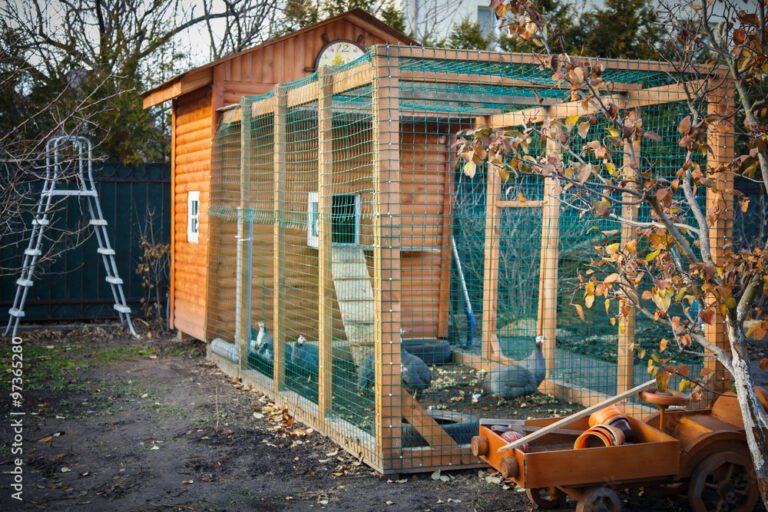
Starting a chicken farm in Nigeria can feel overwhelming. Should you go traditional or modern? After 8 years raising chickens in Oyi Local Government Area, Anambra State, I’ve seen both methods work and fail.
Let me share what I’ve learned from training over 200 farmers across southeastern Nigeria. This guide will help you choose the right traditional vs modern chicken setup for your situation and budget.
My Journey from Traditional to Modern Chicken Farming
I started with 50 local chickens in 2016 using old methods my father taught me. The chickens roamed freely around our compound. We lost 30% to hawks, snakes, and diseases in the first year.
That failure pushed me to learn modern techniques. I attended workshops at the National Agricultural Extension and Research Liaison Services (NAERLS). Today, my farm houses 2,000 birds with less than 5% mortality rate.
The difference? Understanding when to use traditional vs modern chicken setup methods effectively.
Understanding Traditional Chicken Farming in Nigeria
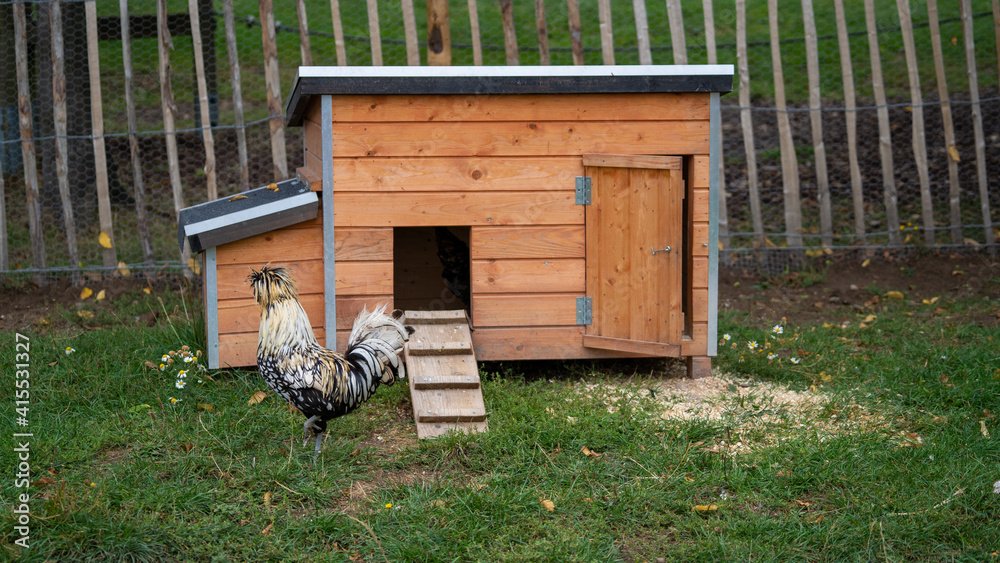
Traditional chicken farming follows methods passed down through generations. Most rural farmers in Anambra, Imo, and other southeastern states use these techniques.
Key Features of Traditional Setup
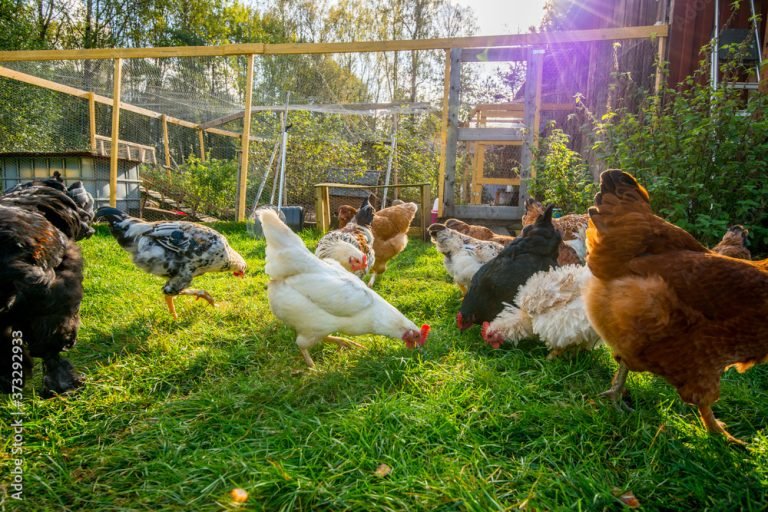
- Free-range system: Chickens roam freely during the day
- Local breeds: Nigerian indigenous chickens dominate
- Natural feeding: Birds forage for insects, seeds, and kitchen scraps
- Simple housing: Basic shelters made from local materials
- Minimal medication: Reliance on traditional herbal treatments
Mama Ngozi from Awkuzu village told me during a 2019 training session: “My grandmother raised chickens this way for 40 years. We never bought feed or vaccines, yet we always had eggs and meat.”
Traditional Housing Methods
Traditional chicken houses use readily available local materials:
- Walls: Mud bricks, bamboo, or palm fronds
- Roofing: Thatch grass, aluminum sheets, or palm leaves
- Flooring: Bare earth or sand
- Ventilation: Natural gaps in walls
- Size: Usually 6×8 feet for 20-30 birds
These structures cost between ₦15,000 to ₦30,000 to build. Local carpenters can construct them in 2-3 days.
Traditional Feeding Practices
Traditional farmers rely heavily on:
- Kitchen scraps: Rice, yam peels, vegetable waste
- Natural foraging: Insects, worms, seeds, leaves
- Local grains: Broken rice, corn, guinea corn
- Seasonal fruits: Mangoes, pawpaw, oranges during harvest
Feed costs remain low, typically ₦50-100 per bird monthly. However, growth rates are slower compared to modern feeding programs.
Modern Chicken Farming Techniques in Nigeria
Modern chicken farming adopts scientific approaches developed through research. The Federal University of Agriculture, Abeokuta (FUNAAB) and other institutions promote these methods.
Characteristics of Modern Setup
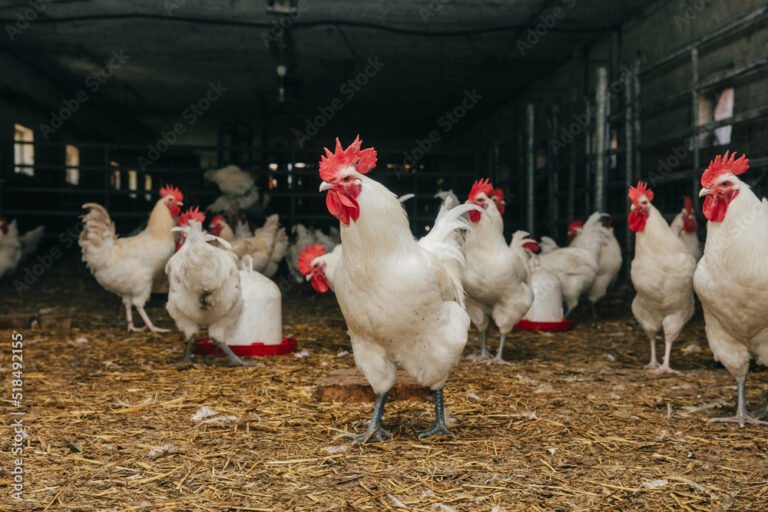
- Controlled environment: Climate-controlled housing systems
- Improved breeds: Hybrid chickens with better production traits
- Formulated feeds: Balanced nutrition for optimal growth
- Vaccination programs: Scheduled disease prevention protocols
- Record keeping: Detailed production and financial tracking
Modern Housing Systems
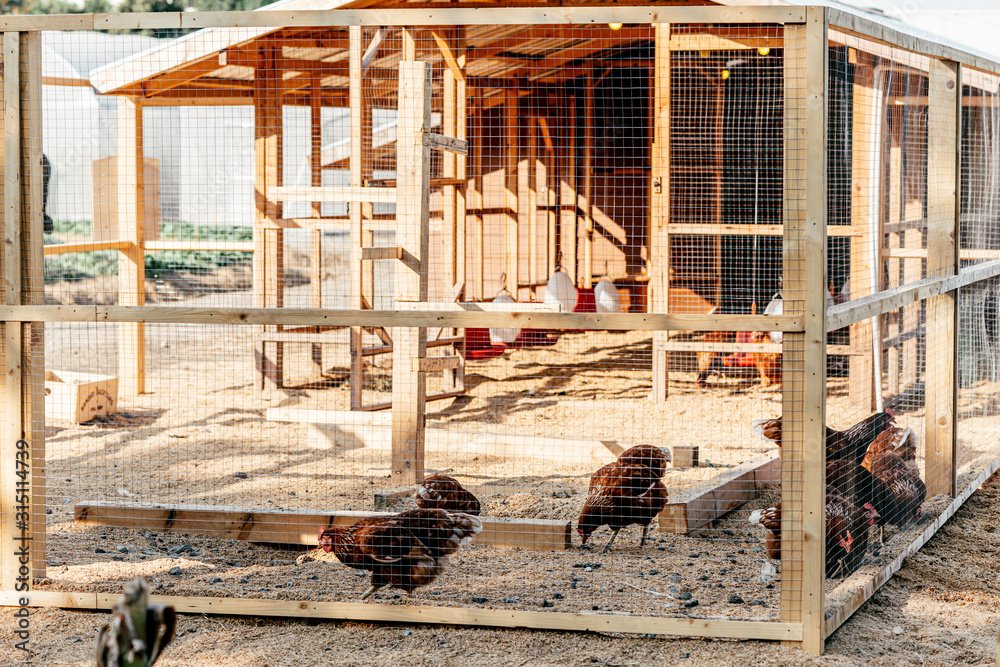
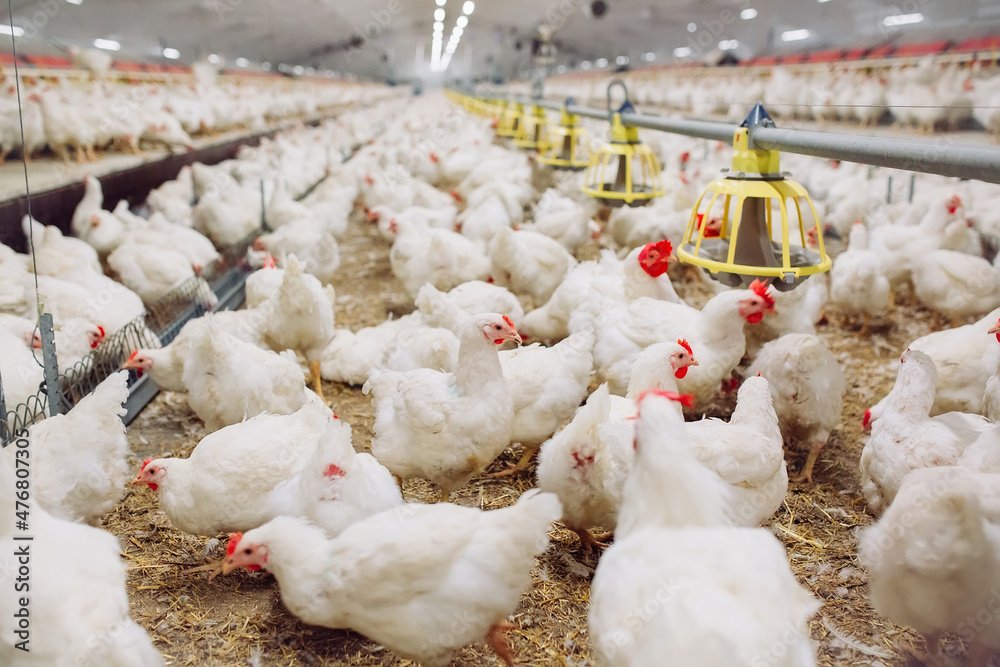
Modern chicken houses feature:
- Concrete floors: Easy to clean and disinfect
- Wire mesh walls: Better ventilation and security
- Automatic feeders: Consistent feed distribution
- Nipple drinkers: Clean water supply system
- Proper spacing: 1 square foot per bird minimum
Construction costs range from ₦200,000 to ₦500,000 for a 500-bird capacity house. The investment pays off through higher survival rates and productivity.
Scientific Feeding Programs
Modern feeding follows nutritional guidelines:
| Growth Stage | Protein % | Feed Type | Daily Amount |
|---|---|---|---|
| 0-4 weeks | 22-24% | Starter | 20-50g |
| 5-8 weeks | 18-20% | Grower | 80-120g |
| 9+ weeks | 16-18% | Finisher | 120-150g |
Commercial feeds cost ₦280-350 per 25kg bag. Monthly feed expenses average ₦200-300 per bird.
Comparing Traditional vs Modern Chicken Setup: Real Numbers
After documenting results from 50 farmers I’ve trained, here’s the honest comparison:
Mortality Rates
Traditional method: 25-35% mortality rate
- Predator attacks: 15%
- Disease outbreaks: 10%
- Environmental stress: 10%
Modern method: 5-8% mortality rate
- Better housing protection
- Vaccination programs
- Controlled environment
Production Performance
Traditional setup results (Nigerian local chickens):
- Egg laying: 80-120 eggs per year
- Mature weight: 1.2-1.5kg at 6 months
- Feed conversion: Poor (no accurate data)
Modern setup results (Improved breeds):
- Egg laying: 250-280 eggs per year
- Mature weight: 2.0-2.5kg at 8 weeks
- Feed conversion: 2.2kg feed per 1kg weight gain
Financial Analysis
During my 2022 workshop in Onitsha, I shared these actual figures from participating farmers:
Traditional 100-bird project:
- Initial investment: ₦80,000
- Annual revenue: ₦180,000
- Annual profit: ₦95,000
- Return on investment: 119%
Modern 100-bird project:
- Initial investment: ₦350,000
- Annual revenue: ₦520,000
- Annual profit: ₦165,000
- Return on investment: 47%
The traditional vs modern chicken setup shows different profit patterns. Traditional offers higher percentage returns but lower absolute profits.
Advantages of Traditional Chicken Farming
Lower Startup Costs
Traditional methods require minimal capital. Emeka from Nsukka started with just ₦25,000 in 2020. His flock grew to 150 birds through natural reproduction.
Local materials cost less than imported equipment. A traditional house costs 80% less than modern alternatives.
Organic Production
Free-range chickens produce organic eggs and meat naturally. Urban consumers pay premium prices for these products.
Mrs. Adaora from Enugu sells her traditional eggs for ₦80 each compared to ₦50 for commercial eggs.
Cultural Acceptance
Local communities prefer traditional chicken meat for ceremonies and festivals. The taste and texture differ significantly from commercial broilers.
Low Maintenance
Traditional systems require less daily management. Farmers can combine chicken farming with other activities like crop farming.
Benefits of Modern Chicken Farming
Higher Production Efficiency
Modern breeds lay more eggs and grow faster. Hybrid layers can produce 280 eggs annually compared to 100 from local birds.
Commercial broilers reach market weight in 6-8 weeks versus 4-6 months for local chickens.
Better Disease Control
Vaccination programs prevent major disease outbreaks. Modern farmers lose fewer birds to Newcastle disease and fowl pox.
Dr. Chukwu from NAERLS confirmed that vaccinated flocks show 90% lower mortality rates from viral diseases.
Consistent Income
Modern farms generate predictable monthly income through regular egg production and meat sales.
Scalability
Modern systems allow easier expansion. Automated feeding and watering systems support larger flocks with less labor.
Challenges of Traditional Chicken Farming
High Mortality Rates
Predators remain the biggest problem. Hawks, snakes, and wild cats regularly attack free-ranging flocks.
During rainy seasons, I’ve seen farmers lose 40-50% of their birds to cold stress and respiratory infections.
Inconsistent Production
Traditional chickens don’t lay eggs year-round. Production drops during dry seasons and brooding periods.
Limited Market Options
Local chickens grow slowly, limiting commercial meat production opportunities. Most farmers rely on local markets with lower prices.
Disease Outbreaks
Without vaccination programs, traditional flocks suffer from preventable diseases. Newcastle disease can wipe out entire flocks within days.
Drawbacks of Modern Chicken Farming
High Capital Requirements
Initial investments scare away small-scale farmers. Building modern housing alone costs more than most traditional farmers’ annual income.
Ongoing Feed Costs
Commercial feeds consume 60-70% of production costs. Price fluctuations affect profitability significantly.
Technical Knowledge Needed
Modern farming requires understanding of nutrition, vaccination schedules, and record keeping. Many rural farmers lack this technical background.
Market Competition
Commercial egg and meat markets face intense competition from established players. New farmers struggle to find reliable buyers.
Hybrid Approach: Combining Traditional vs Modern Methods
After training hundreds of farmers, I recommend a hybrid approach for beginners. This combines benefits from both traditional vs modern chicken setup methods.
Semi-Intensive System
- House chickens at night for protection
- Allow limited free-range during day
- Supplement natural foraging with commercial feeds
- Implement basic vaccination programs
Improved Local Breeds
Use upgraded local breeds that maintain hardiness while offering better production. The National Centre for Genetic Resources and Biotechnology (NACGRAB) provides improved local chicken varieties.
Progressive Upgrading
Start traditional and gradually modernize:
Year 1: Basic housing with local chickens Year 2: Add commercial feeds and basic medications
Year 3: Improve housing with better ventilation Year 4: Introduce improved breeds Year 5: Full modern system
Choosing the Right Method for Your Situation
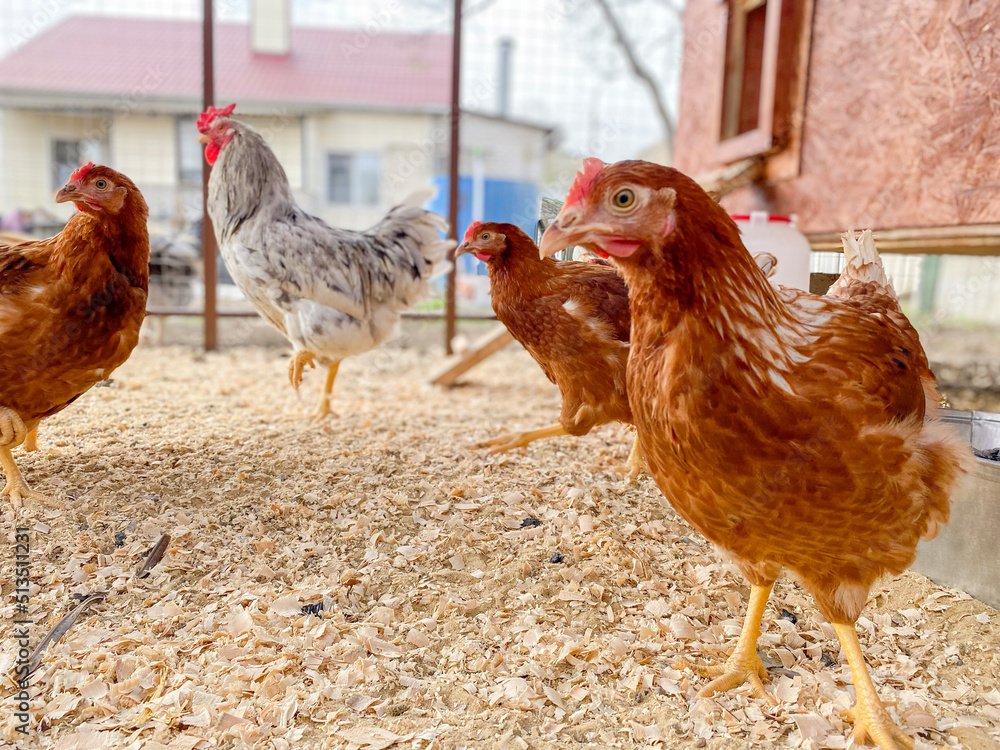
The best traditional vs modern chicken setup depends on your specific circumstances:
Choose Traditional If You:
- Have limited startup capital (under ₦100,000)
- Live in rural areas with abundant land
- Target local markets for organic products
- Combine farming with other activities
- Lack technical farming knowledge
Choose Modern If You:
- Have substantial investment capital (₦300,000+)
- Target commercial egg/meat markets
- Want maximum production efficiency
- Have access to veterinary services
- Can dedicate full-time to farming
Consider Hybrid If You:
- Have moderate capital (₦100,000-300,000)
- Want to learn gradually
- Need some production efficiency
- Operate in semi-urban areas
Setting Up Your Traditional Chicken Farm
Site Selection
Choose locations with:
- Good drainage to prevent waterlogging
- Access to clean water sources
- Protection from strong winds
- Proximity to feed sources
- Security from thieves
Building Traditional Housing
Materials needed:
- Bamboo poles or wood: ₦8,000
- Palm fronds or aluminum sheets: ₦12,000
- Wire mesh for windows: ₦5,000
- Nails and tools: ₦3,000
- Labor: ₦7,000
Construction steps:
- Clear and level the site
- Dig foundation holes for corner posts
- Install frame structure
- Add walls leaving gaps for ventilation
- Install roofing materials
- Create entrance door and windows
Selecting Local Chickens
Nigerian indigenous breeds include:
- Fulani chickens: Hardy, good for dry regions
- Yoruba chickens: Excellent mothers, medium size
- Igbo chickens: Adaptable, disease resistant
Buy 8-week-old pullets for ₦800-1,200 each from reputable local breeders.
Establishing Your Modern Chicken Farm
Modern House Construction
Essential features:
- Concrete foundation and floor
- Adequate ventilation (1:10 ratio)
- Proper insulation
- Drainage systems
- Electricity provision
Construction timeline: 4-6 weeks for 500-bird capacity house.
Equipment Installation
Required equipment:
- Automatic feeders: ₦25,000
- Nipple drinking system: ₦35,000
- Lighting system: ₦15,000
- Ventilation fans: ₦40,000
- Temperature control: ₦20,000
Sourcing Improved Breeds
Purchase day-old chicks from certified hatcheries:
- Amo Farm: Lagos-based, delivers nationwide
- Obasanjo Farms: Ogun State, quality breeds
- Chi Limited: Multiple locations
Expect to pay ₦180-250 per day-old chick for improved breeds.
Common Mistakes I’ve Witnessed in Traditional vs Modern Setups
Traditional Farming Mistakes
Overcrowding: Chioma from Nnewi housed 80 chickens in a 6×6 feet space. High stress led to cannibalism and 60% mortality.
No predator protection: Many farmers lose entire flocks to hawks and snakes. Always provide secure nighttime housing.
Poor nutrition: Relying solely on kitchen scraps leads to malnutrition. Supplement with grains and protein sources.
Ignoring sick birds: Traditional farmers often ignore early disease symptoms. Isolate and treat sick chickens immediately.
Modern Farming Mistakes
Skipping vaccinations: Uchenna from Awka lost 300 birds to Newcastle disease after skipping vaccinations to save costs.
Poor record keeping: Without proper records, farmers can’t track profitability or identify problems early.
Inadequate ventilation: Many modern houses lack proper airflow, leading to respiratory problems and high mortality.
Wrong breed selection: Some farmers choose high-production breeds unsuitable for local climate conditions.
Regional Considerations Across Nigeria
Northern Nigeria
Dry climate favors traditional free-range systems. Lower humidity reduces disease pressure naturally.
Recommended approach: Semi-intensive with improved local breeds adapted to arid conditions.
Middle Belt
Moderate climate suits both traditional vs modern chicken setup methods. Higher rainfall requires better drainage.
Recommended approach: Hybrid system with seasonal adjustments.
Southern Nigeria
High humidity and rainfall create disease challenges for traditional systems. Modern controlled environments perform better.
Recommended approach: Modern or semi-intensive with strong disease prevention programs.
Economic Impact on Nigerian Agriculture
According to the National Agricultural Extension and Research Liaison Services (NAERLS), chicken farming contributes significantly to rural income generation.
Statistics from Nigerian poultry sector:
- 165 million chickens nationwide (2023 data)
- ₦800 billion annual industry value
- 3.2 million people employed directly/indirectly
- 60% smallholder farmers using traditional methods
The traditional vs modern chicken setup debate affects millions of Nigerian farming families. Government programs like the Anchor Borrowers Programme support both approaches.
Future Trends in Nigerian Chicken Farming
Technology Integration
Smart farming tools are entering Nigerian agriculture:
- Solar-powered incubators
- Mobile apps for record keeping
- Automated feeding systems
- Remote monitoring equipment
Market Evolution
Urban consumers increasingly demand organic, free-range products. This trend favors improved traditional systems over purely modern setups.
Climate Change Adaptation
Rising temperatures and changing rainfall patterns affect both traditional vs modern chicken setup methods. Farmers must adapt housing and management practices accordingly.
Safety Considerations for Both Methods
Biosecurity Measures
Traditional farms:
- Limit visitor access to chicken areas
- Disinfect shoes before entering
- Quarantine new birds for 2 weeks
- Maintain clean water sources
Modern farms:
- Install foot baths at entrances
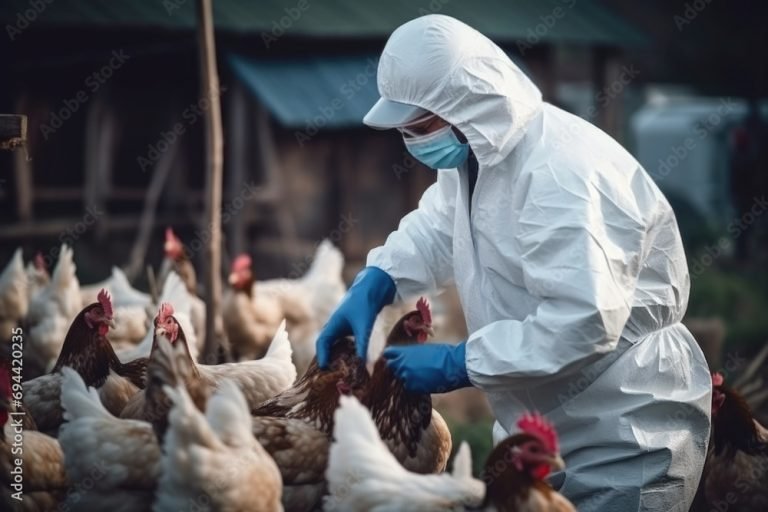
- Use protective clothing
- Control wild bird access
- Regular disinfection schedules
Health Precautions
Always wear protective gear when handling chickens. Wash hands thoroughly after farm activities.
Disclaimer: This guide provides general farming information based on experience and research. Consult veterinary professionals for specific health issues. Always follow local regulations for poultry farming operations.
Frequently Asked Questions
Which is more profitable: traditional vs modern chicken setup?
Modern systems generate higher absolute profits but require larger investments. Traditional methods offer better percentage returns on smaller capital. Choose based on your available funds and risk tolerance.
From my training records, farmers with ₦50,000-100,000 capital do better with traditional methods. Those with ₦300,000+ benefit more from modern systems.
How much space do I need for traditional chicken farming?
Allow 4-5 square feet per bird for traditional free-range systems. A 20×20 feet area comfortably houses 80-100 chickens with adequate foraging space.
Overcrowding leads to stress, fighting, and reduced egg production. I’ve seen this mistake cost farmers 40% of their potential income.
What vaccines are essential for modern chicken farms in Nigeria?
Core vaccines include Newcastle disease, Gumboro, and fowl pox. Follow the schedule recommended by veterinary services in your area.
Vaccination costs ₦15-25 per bird annually but prevents losses worth thousands of naira. Dr. Okoro from NAERLS confirmed that vaccinated flocks show 85% lower mortality rates.
Can I start with traditional methods and upgrade to modern later?
Yes, this progressive approach works well. Start traditional to learn basics and generate initial income. Gradually invest profits into modern equipment and improved breeds.
Many successful farmers I’ve trained followed this path. It reduces initial risks while building experience and capital.
Which chicken breeds work best for Nigerian climate?
For traditional systems, use Nigerian indigenous breeds like Fulani, Yoruba, or Igbo chickens. They’re adapted to local conditions and diseases.
Modern systems can use improved breeds like Black Harco, Shaver, or ISA Brown, but provide climate control and proper management.
How do I prevent predators in traditional chicken farming?
Build secure nighttime housing with strong walls and roofing. Use wire mesh to cover all openings. Install motion-activated lights to scare nocturnal predators.
Keep guinea fowls as alarm birds – they alert the flock when predators approach. This traditional method reduces hawk attacks by 70% in my experience.
What’s the minimum investment needed for modern chicken farming?
Budget at least ₦300,000 for a 200-bird modern operation. This covers housing (₦180,000), equipment (₦50,000), chicks (₦40,000), and initial feeds (₦30,000).
Smaller investments often lead to cutting corners on essential items like proper housing or quality feeds, resulting in high mortality rates.
How long does it take to recover investment in traditional vs modern setups?
Traditional systems typically recover investment in 12-18 months through natural reproduction and lower operating costs.
Modern systems require 18-24 months for full recovery but generate higher monthly cash flow after the initial period.
The choice between traditional vs modern chicken setup ultimately depends on your goals, resources, and local conditions. Both methods can succeed when properly implemented with realistic expectations and good management practices.
Start small, learn continuously, and gradually expand as you gain experience. Success in chicken farming comes from understanding your birds, market, and environment – regardless of which system you choose.
Remember that farming is both an art and science. Combine traditional wisdom with modern knowledge for the best results in Nigerian conditions.