
Layer Chicken Vaccination Schedule First 20 Weeks Nigeria: A Practical Guide from Oyi LGA Experience
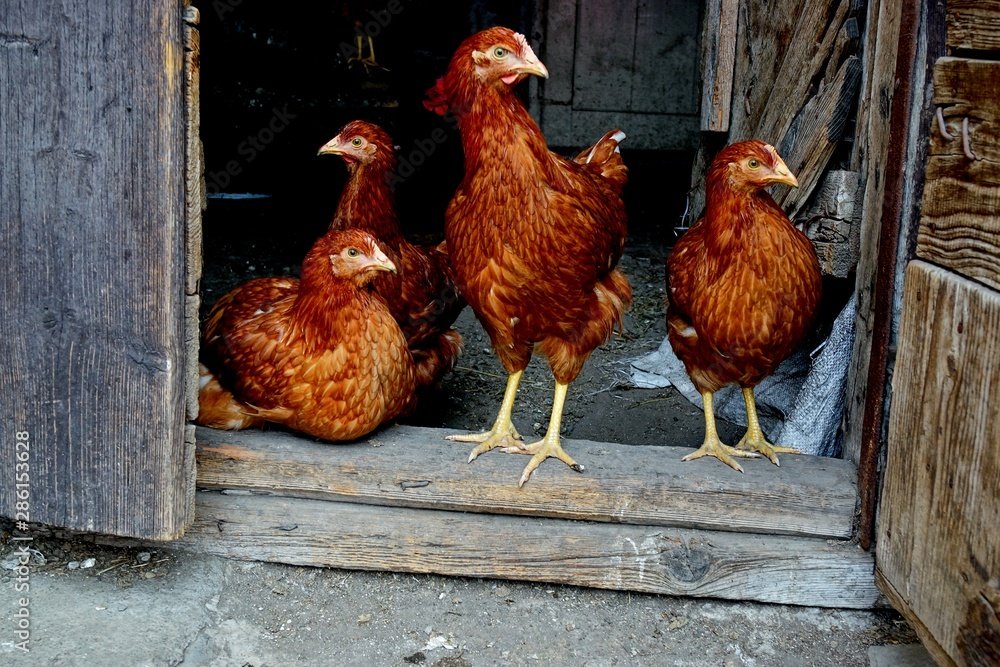
When I started chicken farming in Oyi Local Government Area eight years ago, I lost 200 chicks in my first batch. The reason? Poor vaccination timing and improper vaccine storage.
That painful lesson taught me everything I know today about the layer chicken vaccination schedule first 20 weeks in Nigeria.
My name is Pius Emeka, and I’ve been raising chickens in Anambra State since 2016. I’ve trained over 500 farmers across the Southeast and witnessed countless vaccination mistakes.
This guide shares everything I’ve learned about keeping your layer chicks healthy during their most critical period.
The first 20 weeks determine your flock’s entire productive life. Get the vaccination schedule wrong, and you’ll face diseases like Newcastle, Gumboro, and fowl pox that can wipe out your investment overnight.
Why Layer Chicken Vaccination Schedule First 20 Weeks Matters in Nigeria
Nigeria’s tropical climate creates perfect conditions for poultry diseases. High humidity, temperature fluctuations, and rainy seasons make young chicks extremely vulnerable.
During my second year of farming, I met Mama Chinelo in Awkuzu village. She had been losing chicks every rainy season for three years. After implementing a proper vaccination schedule, her mortality rate dropped from 40% to less than 5%.
The Economic Impact Research Center at University of Nigeria, Nsukka found that proper vaccination in the first 20 weeks reduces mortality by up to 80% in Nigerian poultry farms.
Common Diseases Affecting Young Layers in Nigeria
Newcastle Disease: This viral infection spreads rapidly through respiratory droplets. I’ve seen entire flocks of 1,000 birds die within 72 hours from Newcastle.
Infectious Bursal Disease (Gumboro): Affects the immune system, making chicks vulnerable to other infections. Very common during weeks 3-6.
Fowl Pox: Mosquito-transmitted disease that creates scabs around the eyes and beak. More prevalent during rainy season.
Infectious Bronchitis: Respiratory disease that reduces egg production later. Prevention is better than treatment.
Complete Layer Chicken Vaccination Schedule First 20 Weeks Nigeria
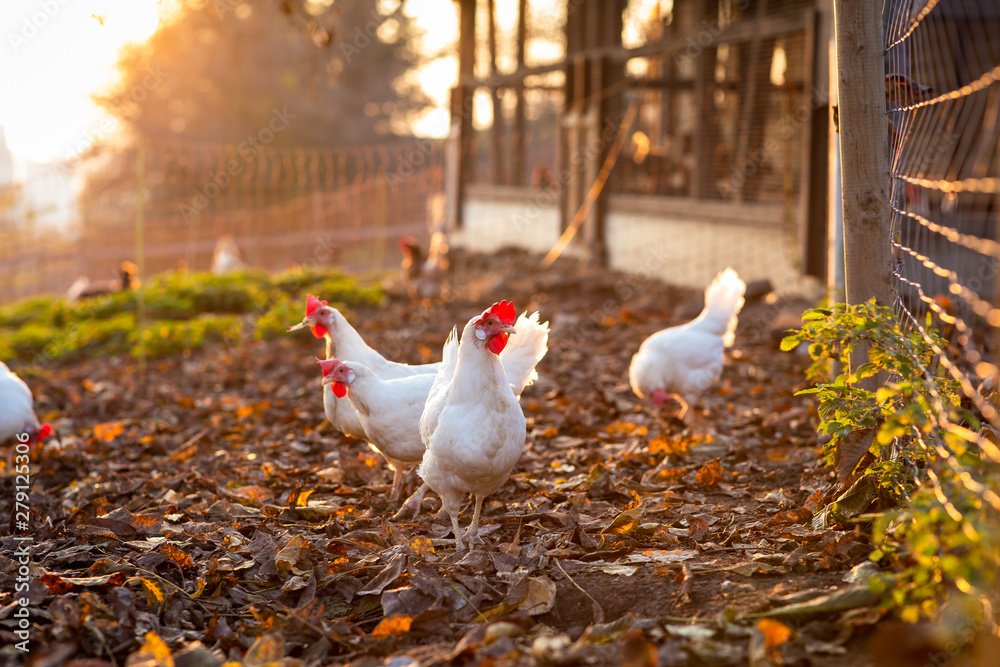
This schedule reflects eight years of practical experience in Anambra State’s climate conditions. I’ve adjusted timing based on local disease patterns and seasonal variations.
| Week | Age (Days) | Vaccine | Method | Disease Prevented | Notes |
|---|---|---|---|---|---|
| Day 1 | 1 day | Marek’s Disease | Injection | Marek’s Disease | Usually done at hatchery |
| Week 1 | 7 days | Newcastle (B1) | Eye drop/Drinking water | Newcastle Disease | Use fresh, clean water |
| Week 2 | 14 days | Gumboro (IBD) | Drinking water | Infectious Bursal Disease | Stop antibiotics 3 days before |
| Week 3 | 21 days | Newcastle (LaSota) | Eye drop/Spray | Newcastle Disease | Booster dose |
| Week 4 | 28 days | Gumboro (IBD) | Drinking water | Infectious Bursal Disease | Second dose |
| Week 6 | 42 days | Fowl Pox | Wing web puncture | Fowl Pox | Use bifurcated needle |
| Week 8 | 56 days | Newcastle (LaSota) | Drinking water | Newcastle Disease | Third dose |
| Week 10 | 70 days | Infectious Bronchitis | Spray/Drinking water | Infectious Bronchitis | Important for egg layers |
| Week 12 | 84 days | Fowl Cholera | Injection | Fowl Cholera | Especially during rainy season |
| Week 14 | 98 days | Newcastle (Killed) | Injection | Newcastle Disease | Subcutaneous injection |
| Week 16 | 112 days | Infectious Bronchitis | Drinking water | Infectious Bronchitis | Booster dose |
| Week 18 | 126 days | Layer Vaccine | Injection | Multiple diseases | Pre-lay preparation |
Regional Adjustments for Different Nigerian States
In my experience training farmers across Nigeria, some adjustments are necessary:
Northern States (Kano, Kaduna): Add extra Newcastle vaccinations during Harmattan season due to dust and temperature stress.
Coastal States (Lagos, Rivers): Increase fowl pox vaccination frequency due to higher mosquito population.
Middle Belt (Plateau, Benue): Focus on respiratory disease prevention during cold seasons.
Step-by-Step Vaccination Process for Nigerian Farmers
Preparation Phase
I learned this the hard way after ruining vaccines worth ₦50,000 in my third year. Proper preparation saves money and lives.
24 Hours Before Vaccination:
- Remove antibiotics from water
- Clean and disinfect water containers
- Check vaccine expiry dates
- Prepare ice packs for vaccine transport
Morning of Vaccination:
- Fast birds for 2-3 hours (drinking water vaccination)
- Gather equipment: syringes, needles, disinfectant
- Calculate exact vaccine quantities needed
Drinking Water Vaccination Method
Most vaccines in our layer chicken vaccination schedule first 20 weeks use this method because it’s cost-effective for large flocks.
Materials Needed:
- Fresh, clean water (no chlorine)
- Measuring cups
- Clean containers
- Milk powder (1 teaspoon per liter as stabilizer)
Process:
- Calculate water needed: 50ml per bird for 2 hours consumption
- Mix milk powder in water first
- Add vaccine according to manufacturer’s instructions
- Ensure birds consume all medicated water within 2 hours
- Provide normal water after 2 hours
Emeka from Umunya village taught me to add blue food coloring to track which birds drank the vaccine. This simple trick improved his vaccination coverage from 60% to 95%.
Eye Drop Method
Perfect for small flocks under 200 birds. I use this method in my demonstration farm for critical vaccines like Newcastle B1.
Technique:
- Hold bird gently but firmly
- Use automatic eye dropper or syringe without needle
- Place one drop in the eye
- Hold bird for 10 seconds until drop is absorbed
- Record each vaccinated bird
Injection Method
Required for killed vaccines and layer vaccines. Always use trained personnel or veterinarians.
Injection Sites:
- Subcutaneous: Back of neck, loose skin area
- Intramuscular: Breast muscle (avoid leg muscles)
- Wing web: Only for fowl pox vaccine
Vaccine Storage and Handling in Nigerian Climate
Nigeria’s power challenges make vaccine storage tricky. I’ve developed practical solutions after losing vaccines multiple times due to power outages.
Cold Chain Management
Primary Storage: Keep vaccines at 2-8°C in refrigerator with backup generator.
Transport: Use ice packs in insulated containers. Travel time should not exceed 4 hours.
Field Storage: Never leave vaccines in direct sunlight or hot vehicles.
Alternative Storage Solutions
Clay Pot Method: For rural areas without electricity, wrap vaccines in wet cloth inside clay pot. Effective for 6-8 hours.
Solar Fridges: Invest in solar-powered refrigerators. Initial cost is high but saves money long-term.
Group Purchasing: Coordinate with neighboring farmers to buy vaccines together and use immediately.
Common Mistakes Nigerian Farmers Make
After training farmers in Ogun, Enugu, and Delta states, I’ve noticed repeated mistakes that cost money and bird lives.
Mistake 1: Wrong Vaccine Timing
Chidi from Nnewi gave Newcastle vaccine at day 5 instead of day 7. He lost 150 chicks because maternal antibodies interfered with the vaccine.
Solution: Stick to the schedule. Early vaccination often equals failed vaccination.
Mistake 2: Using Expired Vaccines
Mrs. Adaeze bought vaccines in bulk to save money but used expired vaccines six months later. Lost entire flock to Gumboro.
Solution: Buy vaccines only when needed. Check expiry dates carefully.
Mistake 3: Poor Water Quality
Hard water, chlorinated water, or dirty containers destroy live vaccines. I’ve seen this mistake in 70% of the farms I visit.
Solution: Use clean, soft water. Add milk powder as stabilizer. Clean containers with disinfectant and rinse thoroughly.
Mistake 4: Inadequate Record Keeping
Many farmers can’t remember when they last vaccinated. This leads to missed doses or double vaccination.
Solution: Keep detailed records. I use a simple notebook to track every vaccination date, vaccine type, and bird response.
Managing Vaccination Stress in Young Chicks
Vaccination stress can kill chicks if not managed properly. During my fourth year, I lost 50 chicks to stress after rough handling during vaccination.
Pre-Vaccination Preparation
Minimize Stress Factors:
- Avoid loud noises during vaccination
- Don’t vaccinate during extreme weather
- Ensure adequate ventilation
- Provide comfortable temperature (28-30°C for chicks)
Post-Vaccination Care
First 24 Hours:
- Provide electrolytes in drinking water
- Monitor for adverse reactions
- Maintain quiet environment
- Check feed and water consumption
Vitamin Supplements: Add vitamin C and E to reduce vaccination stress. I use locally available supplements from animal health stores.
Regional Disease Patterns and Seasonal Adjustments
My experience across different Nigerian regions shows clear disease patterns that affect our layer chicken vaccination schedule first 20 weeks.
Rainy Season Challenges (April-October)
Increased Risks:
- Higher humidity promotes bacterial growth
- Flooding contaminates water sources
- Poor road access delays vaccine delivery
- Power outages affect vaccine storage
Adjustments:
- Schedule extra Newcastle vaccinations
- Increase fowl pox vaccination frequency
- Improve drainage around poultry houses
- Stock vaccines before rainy season
Dry Season Considerations (November-March)
Challenges:
- Dust increases respiratory problems
- Harmattan winds spread airborne diseases
- Water scarcity affects cleaning
- Temperature stress weakens immunity
Solutions:
- Focus on respiratory disease prevention
- Increase water availability
- Use windbreaks to reduce dust
- Monitor temperature stress signs
Cost Analysis of Layer Chicken Vaccination Schedule First 20 Weeks
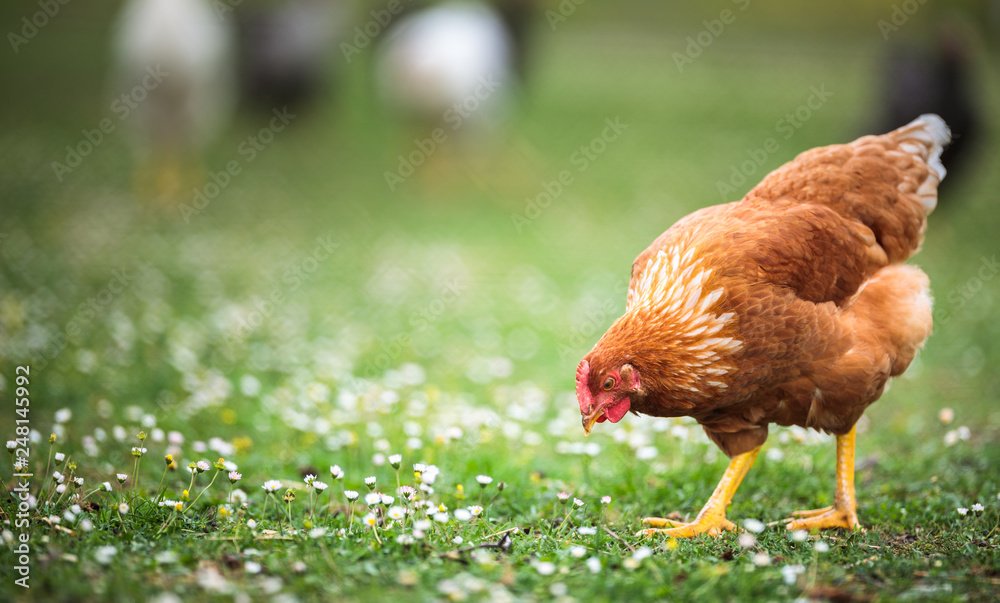
Proper vaccination costs money upfront but saves much more in prevented losses. Here’s my cost breakdown for 1,000 layer chicks in Anambra State (2024 prices):
Vaccine Costs:
- Newcastle vaccines (4 doses): ₦8,000
- Gumboro vaccines (2 doses): ₦6,000
- Fowl pox vaccine: ₦3,000
- Infectious bronchitis: ₦4,000
- Fowl cholera vaccine: ₦5,000
- Layer vaccine: ₦7,000
- Total vaccine cost: ₦33,000
Additional Costs:
- Syringes and needles: ₦2,000
- Disinfectants: ₦1,500
- Transport to vet clinic: ₦3,000
- Labor costs: ₦5,000
- Total additional cost: ₦11,500
Grand Total: ₦44,500 for 1,000 chicks
Return on Investment: Without vaccination, expect 30-40% mortality (300-400 birds lost). With proper vaccination, mortality drops to 5% (50 birds lost). Birds saved: 250-350 Value of saved birds: ₦375,000 – ₦525,000 (at ₦1,500 per bird)
The vaccination investment pays for itself 10 times over.
Emergency Vaccination Protocols
Sometimes disease outbreaks require immediate action outside the normal layer chicken vaccination schedule first 20 weeks.
Newcastle Disease Outbreak
Signs: Twisted necks, diarrhea, respiratory distress, sudden deaths.
Emergency Response:
- Isolate affected birds immediately
- Vaccinate healthy birds with LaSota strain
- Disinfect premises thoroughly
- Report to veterinary authorities
- Consider emergency slaughter if outbreak is severe
Gumboro Disease Outbreak
Signs: Watery diarrhea, depression, death around 3-6 weeks of age.
Emergency Response:
- Stop all other medications
- Give emergency Gumboro vaccine to unaffected birds
- Improve hygiene and sanitation
- Provide supportive therapy (electrolytes, vitamins)
- Consult veterinarian immediately
Working with Veterinarians and Agro-Dealers
Building good relationships with local veterinarians and agro-dealers is crucial for successful vaccination programs.
Choosing Reliable Suppliers
Questions to Ask:
- Do they maintain proper cold chain?
- What are their storage facilities like?
- Do they offer technical support?
- Are vaccines from registered manufacturers?
- Do they provide batch numbers and expiry dates?
Dr. Okwu from Onitsha has been my veterinarian for five years. His clinic maintains backup generators and proper vaccine storage. This reliability has saved me thousands in prevented losses.
Building Professional Relationships
Best Practices:
- Pay bills on time to maintain credit
- Share feedback on vaccine performance
- Refer other farmers to reliable suppliers
- Attend training programs they organize
- Keep good records to show professionalism
Advanced Vaccination Techniques
As your flock grows, advanced techniques become necessary for efficiency and effectiveness.
Spray Vaccination Method
Advantages:
- Faster for large flocks
- Good coverage for respiratory vaccines
- Reduces handling stress
- Cost-effective labor use
Equipment Needed:
- Pressure sprayer (electric or manual)
- Appropriate nozzle size
- Protective clothing
- Face masks
Technique:
- Fast birds for 2 hours
- Turn off fans and ventilation temporarily
- Spray fine mist over birds
- Use 30ml vaccine solution per 1,000 birds
- Resume normal ventilation after 20 minutes
Wing Web Puncture for Fowl Pox
This method requires practice but provides excellent immunity.
Materials:
- Bifurcated needle (special two-pronged needle)
- Fowl pox vaccine
- Alcohol for needle sterilization
- Helper to hold birds
Process:
- Locate wing web (thin skin between upper and lower wing)
- Dip needle in vaccine
- Puncture wing web with quick, firm motion
- One puncture per bird is sufficient
- Check for successful “take” after 7-10 days
A successful vaccination shows swelling at puncture site that heals within 14 days.
Monitoring Vaccination Success
Successful vaccination requires monitoring and evaluation. Many farmers skip this step and miss vaccination failures.
Signs of Successful Vaccination
Newcastle Vaccine:
- Mild respiratory signs 3-5 days post-vaccination
- No deaths or severe illness
- Good appetite maintenance
- Normal growth rate
Gumboro Vaccine:
- Slight reduction in activity for 1-2 days
- No diarrhea or deaths
- Return to normal behavior quickly
Fowl Pox Vaccine:
- Swelling at puncture site after 7 days
- Scab formation and healing
- No secondary infections
When Vaccination Fails
Common Causes:
- Maternal antibody interference
- Improper vaccine storage
- Wrong administration method
- Stressed or sick birds
- Expired vaccines
Solutions:
- Repeat vaccination after 7-14 days
- Check vaccine quality and storage
- Review administration technique
- Improve bird management
- Consult veterinarian for advice
Biosecurity During Vaccination
Vaccination day can introduce diseases if proper biosecurity isn’t maintained. I learned this lesson when contaminated equipment spread fowl cholera to three farms.
Equipment Sanitization
Before Each Use:
- Wash syringes and needles with detergent
- Rinse with clean water
- Sterilize with alcohol or boiling water
- Store in clean, dry containers
Between Flocks:
- Use separate equipment for each age group
- Disinfect hands between birds
- Change needles regularly
- Dispose of used needles safely
Personnel Hygiene
Vaccination Team:
- Wear clean clothing and boots
- Wash hands frequently
- Use hand sanitizer between houses
- Avoid smoking or eating during vaccination
Visitor Control
Limit visitors during vaccination week. Visitors can carry diseases on shoes, clothing, and equipment.
Visitor Protocol:
- Provide foot baths with disinfectant
- Supply clean boots or boot covers
- Limit visitor areas
- Record all visitors
Troubleshooting Common Problems
Every farmer faces challenges during vaccination. Here are solutions to problems I encounter regularly.
Problem: Birds Won’t Drink Medicated Water
Causes: Bad taste, chlorine in water, stress, illness
Solutions:
- Add sugar to improve taste (1 teaspoon per liter)
- Use fresh, clean water without chlorine
- Fast birds longer to increase thirst
- Check for illness signs
Problem: Vaccine Reaction or Deaths
Immediate Action:
- Stop vaccination immediately
- Check vaccine quality and expiry date
- Review administration method
- Provide supportive care (electrolytes, vitamins)
- Consult veterinarian
Problem: Uneven Vaccination Coverage
Causes: Inadequate water provision, dominant birds preventing others from drinking, poor vaccine distribution
Solutions:
- Increase number of drinking points
- Ensure adequate space per bird
- Mix vaccine thoroughly
- Monitor weaker birds
Integration with Overall Health Management
The layer chicken vaccination schedule first 20 weeks works best when integrated with complete health management programs.
Nutrition Support
Critical Nutrients:
- Vitamin A: Supports immune system and respiratory health
- Vitamin E: Antioxidant that enhances vaccine response
- Selenium: Works with vitamin E for immunity
- Zinc: Essential for wound healing and immunity
Feeding Recommendations:
- Provide high-quality starter feed (20-22% protein)
- Ensure clean, fresh water always available
- Add vitamins during stress periods
- Monitor feed consumption daily
Environmental Management
Housing Requirements:
- Adequate ventilation without drafts
- Proper temperature control (32°C at day 1, reducing 2-3°C weekly)
- Clean, dry bedding changed regularly
- Sufficient space (0.5 sq ft per chick initially)
Lighting Program:
- 24 hours light first week
- Reduce to 16-18 hours by week 4
- Maintain consistent lighting schedule
- Use appropriate light intensity
Record Keeping and Documentation
Proper records help track vaccination success and plan future programs. My record-keeping system has evolved over eight years of farming.
Essential Records
Vaccination Log:
- Date of vaccination
- Vaccine type and batch number
- Number of birds vaccinated
- Method of administration
- Weather conditions
- Any adverse reactions
Mortality Records:
- Daily death counts
- Cause of death when known
- Age at death
- Vaccination status of dead birds
- Post-mortem findings
Growth Performance:
- Weekly weight measurements
- Feed consumption
- Water consumption
- Behavioral observations
Digital Record Keeping
Modern farmers can use smartphone apps or simple spreadsheets to track vaccinations. I use a WhatsApp group where I send daily updates to my consultant veterinarian.
Training and Skill Development
Successful vaccination requires continuous learning and skill improvement. I attend training programs annually to stay updated.
Training Opportunities in Nigeria
Government Programs:
- Agricultural Development Programs (ADP) in each state
- Nigerian Agricultural Insurance Corporation (NAIC) trainings
- Federal Ministry of Agriculture workshops
Private Organizations:
- Feed mills often organize farmer training
- Veterinary pharmaceutical companies conduct workshops
- Poultry associations provide member training
Online Resources:
- Nigerian poultry forums and groups
- International poultry health websites
- YouTube channels by experienced farmers
Skill Development Areas
Technical Skills:
- Proper injection techniques
- Vaccine handling and storage
- Disease recognition
- Record keeping
Management Skills:
- Planning vaccination schedules
- Coordinating with veterinarians
- Managing vaccination teams
- Cost analysis and budgeting
Future Trends in Poultry Vaccination
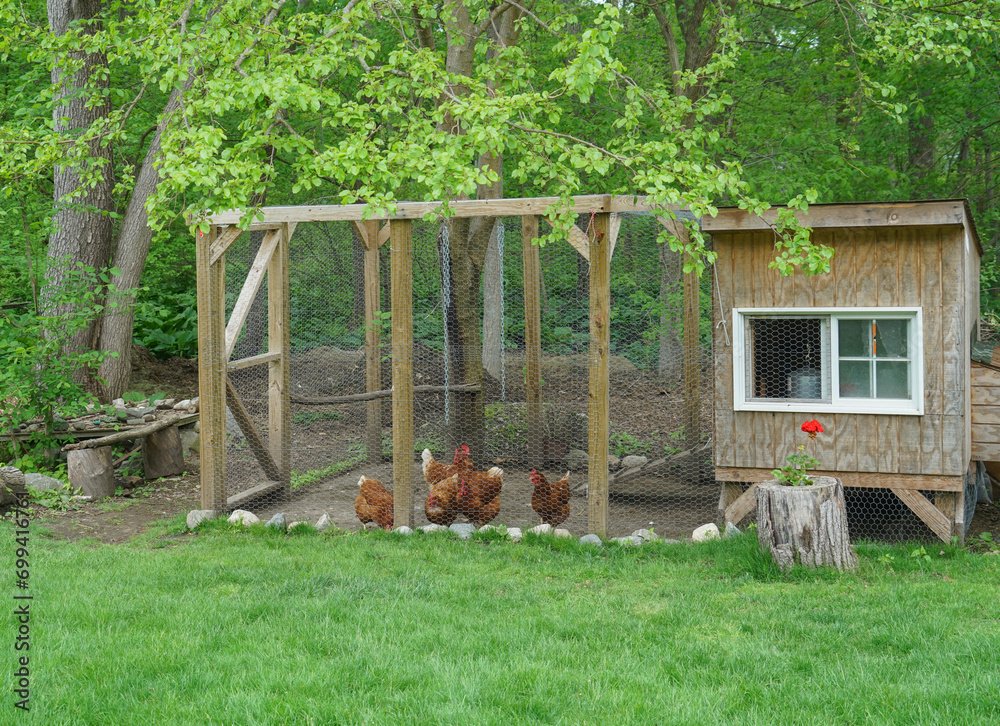
The poultry industry in Nigeria is evolving, and vaccination programs must adapt to new challenges and opportunities.
Emerging Diseases
Avian Influenza: Increasing concern in Nigeria, requiring potential schedule modifications.
Antibiotic Resistance: Forcing greater reliance on prevention through vaccination.
Climate Change: Changing disease patterns require flexible vaccination approaches.
Technology Advances
Improved Vaccines: More effective, longer-lasting protection with fewer doses.
Cold Chain Solutions: Better storage and transport options for rural areas.
Digital Monitoring: Smartphone apps for tracking vaccination schedules and outcomes.
Market Demands
Organic Production: Consumer demand for antibiotic-free products increases vaccination importance.
Export Markets: International standards require documented vaccination programs.
Food Safety: Stricter regulations emphasize disease prevention over treatment.
Frequently Asked Questions
What happens if I miss a vaccination in the layer chicken vaccination schedule first 20 weeks?
Missing vaccinations creates dangerous immunity gaps. If you miss by 1-2 days, administer immediately. For delays over a week, consult your veterinarian about adjusting the entire schedule.
I once had a farmer in Awka who missed the week 8 Newcastle vaccination due to travel. Three weeks later, he lost 200 birds to Newcastle disease. Don’t skip vaccinations – they save lives and money.
Can I vaccinate sick birds in my layer flock?
Never vaccinate sick birds. Vaccines work by stimulating the immune system, which already stressed birds cannot handle properly. Sick birds may die from vaccination stress.
Treat illness first, then resume vaccination schedule 3-5 days after recovery. Always consult your veterinarian before vaccinating recovered birds.
How do I store vaccines during power outages in Nigeria?
Power outages destroy vaccines quickly in our hot climate. Use these backup methods:
- Ice chest method: Pack vaccines between ice blocks in insulated container
- Clay pot cooling: Wrap vaccines in wet cloth inside clay pot for 6-8 hours
- Generator backup: Invest in small generator for vaccine refrigerator
- Neighbor arrangement: Store vaccines at nearby farm with reliable power
Never use vaccines that have been exposed to heat for more than 30 minutes.
Why do some farmers use different layer chicken vaccination schedule first 20 weeks timing?
Different regions face different disease pressures requiring schedule adjustments. Northern Nigeria deals with Harmattan dust affecting respiratory health, while coastal areas have more mosquito-transmitted diseases.
However, core vaccines (Newcastle, Gumboro) timing should remain consistent. Only add extra vaccines based on local disease patterns after consulting experienced veterinarians.
What’s the difference between live and killed vaccines in poultry?
Live vaccines contain weakened disease organisms that multiply in the bird, providing strong, quick immunity. Examples: Newcastle LaSota, Gumboro IBD.
Killed vaccines contain dead organisms with additives to boost immune response. They provide longer-lasting immunity but cost more and require injection.
Most of our layer chicken vaccination schedule first 20 weeks uses live vaccines because they’re cost-effective for large flocks.
Can I mix different vaccines together to save time?
Never mix different vaccines unless specifically recommended by manufacturers. Mixing can destroy vaccine effectiveness or cause dangerous reactions.
Some compatible combinations exist (like Newcastle + Infectious Bronchitis), but always follow manufacturer guidelines. When in doubt, give vaccines separately with 7-14 days between different types.
How do I know if my vaccination program is working?
Monitor these success indicators:
- Low mortality: Under 5% loss during first 20 weeks
- Good growth: Birds meeting breed standard weights
- No disease outbreaks: Absence of Newcastle, Gumboro, fowl pox
- High feed conversion: Efficient feed-to-weight ratios
Keep detailed records comparing vaccinated vs. unvaccinated flocks. Successful programs show clear differences in health outcomes.
What should I do if birds die after vaccination?
Some deaths within 24-48 hours post-vaccination may occur, especially in stressed or weak birds. However, significant mortality requires immediate action:
- Stop vaccination of remaining birds
- Check vaccine quality – expiry date, storage temperature
- Review technique – proper dosage, administration method
- Consult veterinarian for professional evaluation
- Conduct post-mortem on dead birds when possible
Document everything for future reference and insurance claims if applicable.
About the Author: Pius Emeka has been raising chickens in Oyi Local Government Area, Anambra State since 2016. He has trained over 500 farmers across Nigeria’s Southeast region and specializes in practical poultry management solutions adapted to local conditions.
Disclaimer: This vaccination schedule reflects personal experience and local practices in Anambra State. Always consult qualified veterinarians for specific health concerns and adjust schedules based on local disease patterns and veterinary recommendations. Vaccine manufacturers’ instructions should always take precedence over general guidelines.
References:
- Nigerian Institute for Agricultural Research and Development (NAERLS) – Poultry Production Guidelines
- Federal Ministry of Agriculture and Rural Development – National Poultry Health Program
- University of Nigeria, Nsukka Department of Veterinary Medicine – Poultry Disease Management


