Daily Feed Consumption Chart for Broilers Nigeria: Your Complete Guide from a Local Farmer
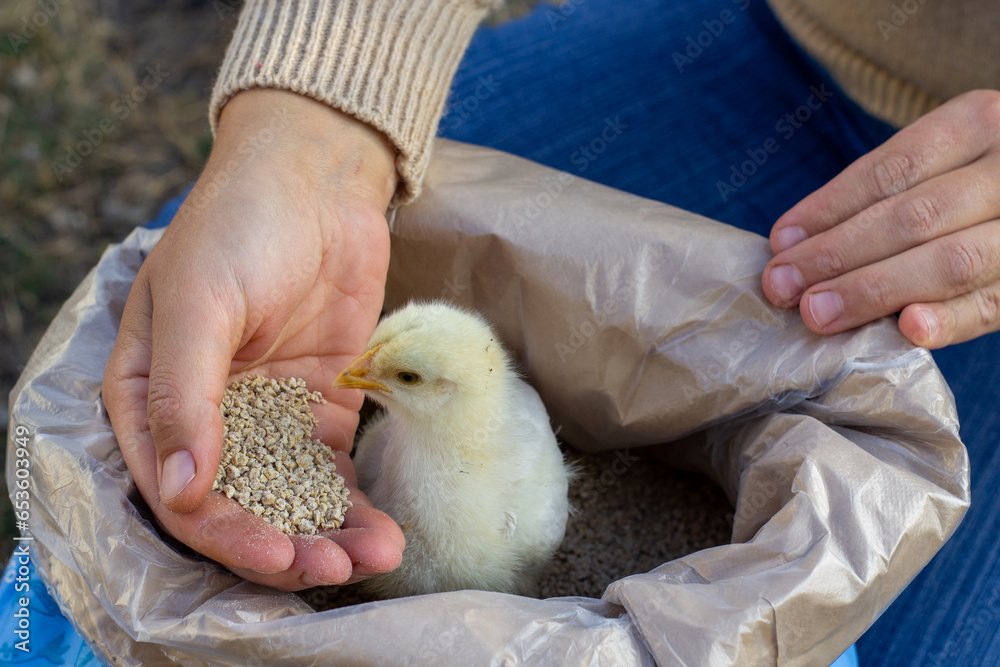
My name is Pius Emeka. I’ve been raising broiler chickens in Oyi Local Government Area, Anambra State for 8 years now. Today, I want to share something that changed my farming journey completely – the daily feed consumption chart for broilers Nigeria.
When I started in 2016, I was feeding my chickens by guess work. Lost money every cycle. My birds were either too small or I was wasting too much feed. Then I met Pa Johnson at a training program in Awka. He showed me his feeding chart. That day changed everything.
Why Every Nigerian Broiler Farmer Needs This Chart
You cannot succeed in broiler farming without knowing exactly how much feed your birds need daily. Too little feed means small birds. Too much feed means lost profit. The daily feed consumption chart for broilers removes guesswork from your farm.
In Nigeria, feed costs about 70% of your total production cost. Get this wrong and you’re out of business. I’ve trained over 200 farmers across Anambra. Those who follow the feeding chart properly always make profit.
Understanding Broiler Feed Phases in Nigeria
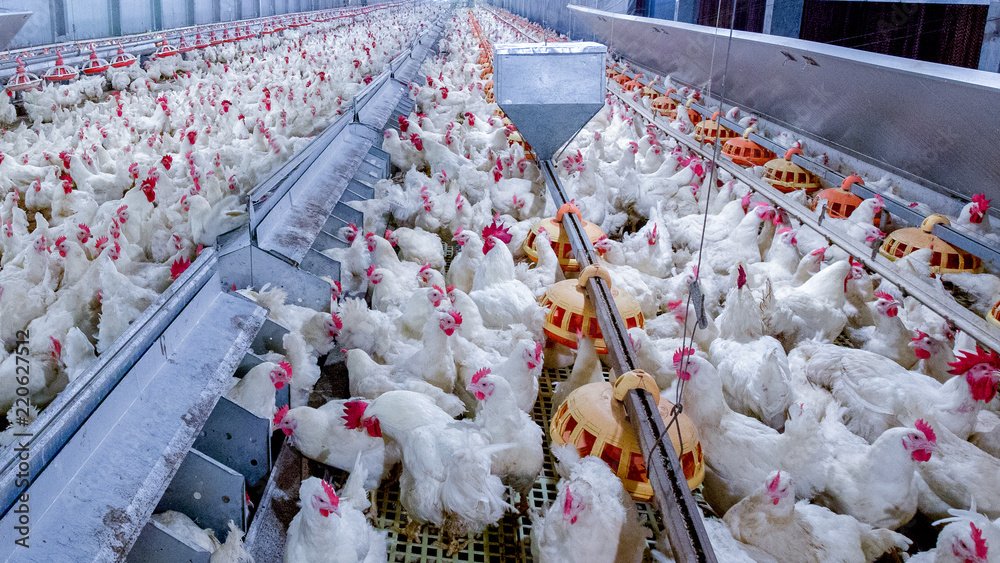
Starter Phase (0-2 Weeks)
Your chicks need high protein during this period. The regular feeds for broilers has about 19% protein, 0.9% calcium, 0.5% phosphorus, and 0.4% methionine. Don’t compromise on feed quality here.
I remember Mrs. Ngozi from Onitsha. She tried to save money by buying cheap starter feed. Lost 30 chicks in week one. Quality starter feed is not negotiable.
Grower Phase (2-4 Weeks)
Broiler Grower feed will normally be fed for 14 to 16 days. The transition from starter feed to grower feed will involve a change of texture from crumbs to pellet. Protein reduces slightly but energy increases.
Finisher Phase (4-8 Weeks)
This is where you see real weight gain. Feed efficiency becomes crucial here. Every gram matters for your profit margin.
Daily Feed Consumption Chart for Nigerian Broilers
Here’s the exact daily feed consumption chart for broilers Nigeria I use on my farm:
| Week | Age (Days) | Daily Feed per Bird (grams) | Weekly Feed per Bird (kg) | Expected Weight (grams) |
|---|---|---|---|---|
| 1 | 1-7 | 15-25 | 0.14 | 130-160 |
| 2 | 8-14 | 25-40 | 0.23 | 300-350 |
| 3 | 15-21 | 45-65 | 0.39 | 550-650 |
| 4 | 22-28 | 70-95 | 0.58 | 850-950 |
| 5 | 29-35 | 100-130 | 0.81 | 1200-1400 |
| 6 | 36-42 | 140-170 | 1.09 | 1600-1900 |
| 7 | 43-49 | 170-200 | 1.30 | 2000-2300 |
| 8 | 50-56 | 200-220 | 1.47 | 2300-2600 |
This chart works perfectly in Nigerian conditions. I’ve tested it with different breeds – Arbor Acres, Ross 308, Cobb 500. Results are consistent.
How to Use the Daily Feed Consumption Chart Effectively
Morning Feeding Routine
Give 60% of daily feed in the morning. This is when birds are most active. I learned this from observing my birds over years.
Evening Feeding
Provide remaining 40% in the evening. Never leave feed overnight in wet season. Ants and moisture will spoil everything.
Weekly Monitoring
Weigh 10 birds randomly every week. Compare with expected weight on the chart. If birds are underweight, increase feed by 10%. If overweight, you’re wasting money.
Real Stories from My Farm
Last year, I had a young farmer named Chinedu visit my farm. His birds were only 1.2kg at 6 weeks instead of expected 1.8kg. I checked his feeding records. He was giving only 80 grams daily at week 4 instead of required 95 grams.
We adjusted his feeding immediately. By week 8, his birds recovered to 2.1kg average. He learned that daily feed consumption chart for broilers is not optional.
Calculating Feed Bags Needed
For 100 birds in 8 weeks, you need approximately:
- Starter feed: 2-3 bags (50kg bags)
- Grower feed: 4-5 bags
- Finisher feed: 10-12 bags
From the table above, the cumulative feed for male and female broilers at week 8 is 7400g and 6800 respectively. This means each bird consumes about 7kg total feed in 8 weeks.
Environmental Factors Affecting Feed Consumption
Hot Weather Adjustments
During harmattan or extreme heat, birds eat less. Water and feed consumption were also observed to be a linear function of broiler’s age; the birds were drinking 0.731 times of their age in kg of water and were eating 0.031 times their age of feed at any point in time.
Increase water availability and provide shade. Sometimes you need to add extra 5-10 grams daily feed during hot periods.
Rainy Season Considerations
Humidity affects feed conversion. Store feed properly. I lost 5 bags to mold in 2019 rainy season. Now I use sealed containers always.
Common Mistakes Nigerian Farmers Make
Mistake 1: Irregular Feeding Times
Some farmers feed once daily. This is wrong. Broilers need frequent feeding. I recommend 3-4 times daily minimum.
Mistake 2: Poor Quality Feed
Buying cheap feed to save money. This always backfires. I’ve seen farmers lose entire flocks to poor nutrition.
Mistake 3: Not Adjusting for Bird Size
Using same chart for all breeds. Different breeds have different requirements. Adjust accordingly.
Feed Efficiency Tips from 8 Years Experience
1. Use Proper Feeders
Height matters. Feeders should be at bird’s back height. Too low means wastage. Too high means some birds can’t reach.
2. Prevent Feed Wastage
I save about 10% feed costs by preventing wastage. Use proper feeders. Clean regularly. Remove spoiled feed immediately.
3. Monitor Daily Consumption
Record actual consumption daily. Compare with chart. This helps you spot problems early.
4. Quality Water Supply
Birds drink twice their feed weight in water. Clean water improves feed conversion significantly.
Feed Types Available in Nigeria
Local Brands I Recommend
- Vital Feeds – Good quality, available nationwide
- Top Feeds – Premium quality but expensive
- Livestock Feeds – Budget-friendly option
Making Your Own Feed
I started making my own feed in 2020. Saves about 20% cost but requires knowledge and equipment. Only recommend for experienced farmers.
Cost Management with Feed Charts
Using daily feed consumption chart for broilers Nigeria helps you budget accurately. For 100 birds:
- Week 1-2: ₦12,000-15,000
- Week 3-4: ₦25,000-30,000
- Week 5-6: ₦40,000-50,000
- Week 7-8: ₦45,000-55,000
Total feed cost: ₦122,000-150,000 depending on feed brand and market prices.
Monitoring Growth Performance
Weekly Weight Checks
Every Saturday morning, I weigh 10 birds randomly. Record weights in my notebook. Compare with expected weights from daily feed consumption chart for broilers.
If birds are 10% below expected weight, I increase feed by 15%. If 15% below, I check for diseases immediately.
Feed Conversion Ratio (FCR)
Target FCR should be 1.8-2.2 in good conditions. This means 1.8kg feed produces 1kg live weight. Higher FCR means inefficiency.
Seasonal Adjustments for Nigerian Climate
Dry Season (October-March)
Birds eat more during cool weather. Increase feed by 5-10% during harmattan. Provide windbreakers for young chicks.
Wet Season (April-September)
Humidity reduces appetite. Ensure good ventilation. Store feed in dry places. Increase protein slightly to compensate.
Record Keeping for Feed Management
I keep detailed records:
- Daily feed given to each pen
- Weekly weights of sample birds
- Mortality records
- Feed conversion calculations
- Costs per batch
This data helps me improve each cycle. New farmers often skip this. Don’t make that mistake.
Troubleshooting Common Problems
Birds Not Reaching Expected Weight
- Check feed quality
- Verify actual consumption vs chart
- Look for disease signs
- Assess environmental conditions
High Feed Costs
- Prevent wastage
- Buy feeds in bulk during low season
- Consider local feed mills
- Improve feed conversion efficiency
Uneven Growth
This usually means some birds aren’t getting enough feed. Use multiple feeding points. Ensure weaker birds can access feed easily.
Technology and Modern Feeding
Automatic Feeders
I installed automatic feeders in 2022. Reduces labor and ensures consistent feeding times. Initial cost is high but pays back in 2-3 cycles.
Feed Apps and Calculators
Several apps help calculate daily requirements. But nothing beats practical experience and regular monitoring.
Working with Feed Suppliers
Building Good Relationships
I’ve worked with same feed supplier for 5 years. He gives me credit during tight periods. Quality is consistent. Build these relationships early.
Bulk Buying Benefits
Buying 20+ bags gives 5-10% discount. Coordinate with neighboring farmers to get better prices.
Training Other Farmers
I conduct monthly training sessions in our local government area. Most common questions about daily feed consumption chart for broilers Nigeria:
“Can I reduce feed to save money?” Never compromise on feed quantity or quality. You’ll lose more money from poor growth.
“My birds eat more than the chart shows. Is this normal?” Check for wastage first. Some wastage is normal. If birds are growing well, continue current feeding.
“Which feeding time is most important?” Morning feeding is crucial. Birds are most active and hungry then.
Economic Impact of Proper Feeding
Farmers following feeding charts properly see:
- 15-20% better growth rates
- 10-15% lower mortality
- Better feed conversion ratios
- Higher profits per cycle
My neighbor Emeka started using feeding charts after attending my workshop. His profit increased from ₦150,000 to ₦250,000 per 500 birds cycle.
Future of Broiler Feeding in Nigeria
Trends I’m Seeing
- More farmers using technology
- Interest in organic feeds growing
- Focus on feed efficiency improving
- Local feed production increasing
Challenges Ahead
- Rising feed ingredient costs
- Climate change effects
- Need for more technical training
- Quality control issues with some suppliers
Special Considerations for Different Breeds
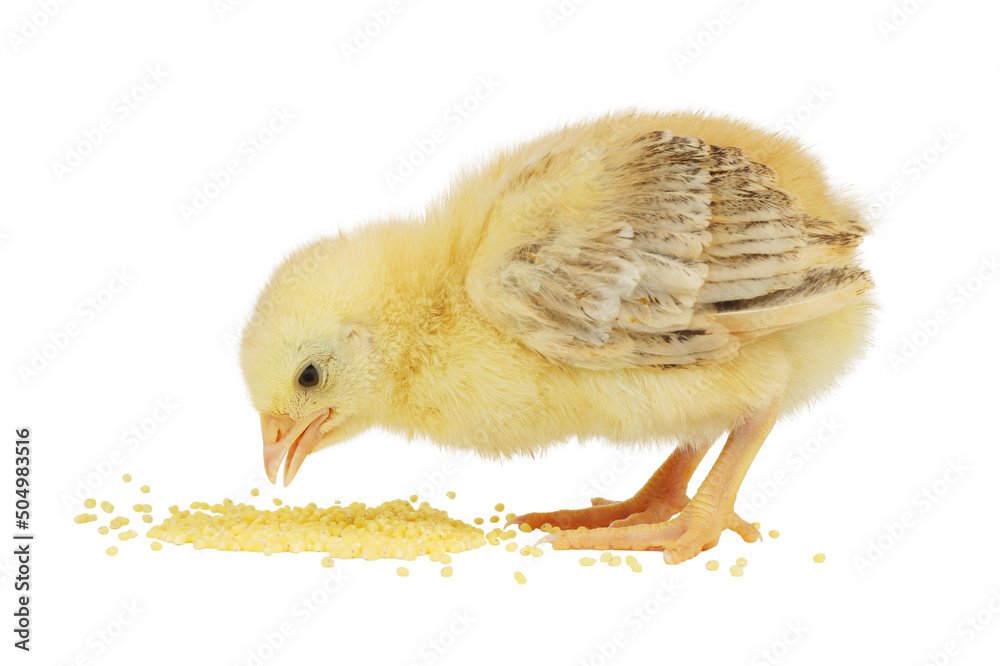
Arbor Acres
Fast growing breed. Follows standard chart closely. Good feed conversion.
Ross 308
Requires slightly higher protein. Increase starter feed protein to 22%. Otherwise follows standard chart.
Cobb 500
Excellent feed conversion. Can handle lower quality feeds better than other breeds.
Integration with Other Farm Activities
On my farm, I grow maize during planting season. This reduces feed costs by 10-15%. Consider crop integration if you have land.
I also raise grasscutters. Their waste makes excellent fertilizer for crop production. Think holistically about your farm.
FAQs About Daily Feed Consumption Chart for Broilers Nigeria
How Much Feed Does a Broiler Eat Per Day in Nigeria?
A broiler’s daily feed consumption varies by age. Day-old chicks eat 15-25 grams daily. By week 8, they consume 200-220 grams daily. The daily feed consumption chart for broilers Nigeria shows exact amounts for each week. Follow this religiously for best results.
What is the Best Feeding Schedule for Broilers in Nigerian Climate?
Feed your broilers 3-4 times daily in Nigeria. Give 30% of daily ration at 7am, 25% at 11am, 25% at 3pm, and 20% at 6pm. This schedule works best in our hot climate. Avoid feeding during the hottest part of day (12-2pm).
How Many 50kg Bags of Feed Do I Need for 100 Broilers in 8 Weeks?
For 100 broilers in 8 weeks, you need approximately 18-20 bags of feed (50kg each). This includes 3 bags starter, 5 bags grower, and 12 bags finisher. The exact amount depends on breed, weather, and feed quality. Always buy 2-3 extra bags as safety margin.
Can I Reduce Feed Costs Without Affecting Broiler Growth?
Yes, but carefully. Prevent feed wastage by using proper feeders. Buy feeds during low season and store properly. Mix some locally available ingredients like maize, but maintain nutritional balance. Never compromise on protein content during starter phase. Savings should come from efficiency, not quality reduction.
What Happens if I Don’t Follow the Daily Feed Consumption Chart?
Not following the daily feed consumption chart for broilers leads to several problems. Underfeeding causes stunted growth and higher mortality. Overfeeding wastes money and can cause health problems. Irregular feeding creates uneven growth. I’ve seen farmers lose 30-40% expected weight by ignoring feeding charts.
How Do I Adjust Feeding During Nigerian Harmattan Season?
During harmattan, birds eat 10-15% more feed due to cold weather. Increase daily rations accordingly. Provide windbreakers for young chicks. Ensure constant water supply as birds drink more. Monitor weights closely and adjust if birds are gaining too fast or slow.
Which Local Feed Brands Give Best Results with Standard Feeding Charts?
From my experience, Vital Feeds, Top Feeds, and Livestock Feeds work well with standard daily feed consumption chart for broilers Nigeria. Avoid very cheap local brands that may have inconsistent quality. Test new brands on small batches first. Good feed should have consistent pellet size and no bad smell.
How Do I Know if My Broilers are Getting Enough Feed Daily?
Weekly weighing tells you everything. Compare actual weights with expected weights from feeding chart. Birds should feel firm and active. Check crop fullness in evening – it should feel full but not hard. Monitor feed conversion ratio – should be between 1.8-2.2. If birds fight over feed, you’re underfeeding.
The daily feed consumption chart for broilers Nigeria is your roadmap to profitable farming. I’ve used these principles for 8 years with consistent success. Start implementing today and watch your profits grow.
Remember, successful broiler farming requires attention to details. Feed consumption is just one part, but it’s the most important part. Get this right and everything else becomes easier.
For more guidance, visit your local agricultural extension office or contact experienced farmers in your area. We’re always willing to help newcomers succeed.
References:
- Broiler Weight, Feed & Water Consumption Chart – Livestocking
- Water and feed consumption in broiler birds during hot weather – ResearchGate
- Poultry Feed Chart and Weight Chart – Agri Farming
Disclaimer: Feed requirements may vary based on breed, climate, and local conditions. Always consult with veterinarians for health-related concerns. This guide is based on practical experience and should supplement, not replace, professional advice.