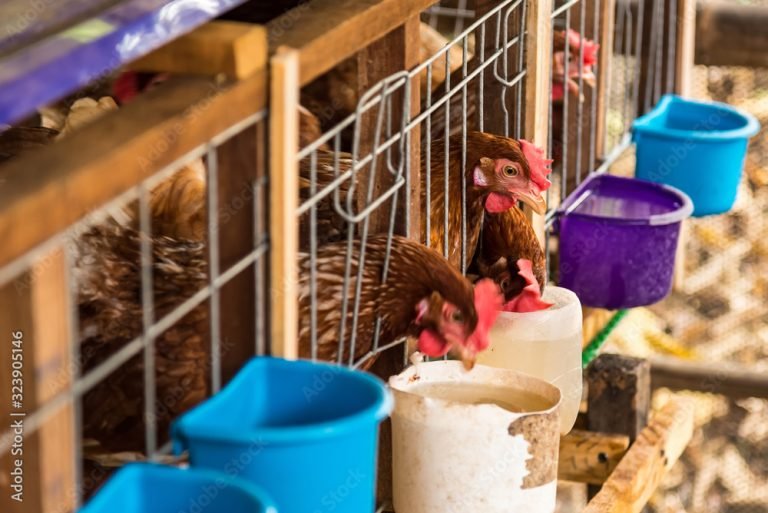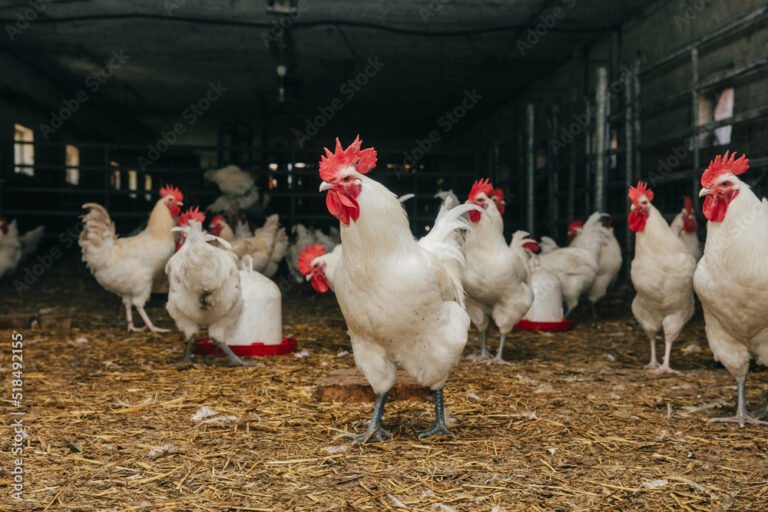
Best Automatic Drinkers for Chickens in Nigeria: Where to Buy and How to Choose

Water is life for your chickens. Without proper drinking systems, your birds will suffer. Poor water supply leads to reduced egg production and sick chickens.
I’m Pius Emeka from Oyi Local Government Area, Anambra State. I’ve been raising chickens for eight years now. During this time, I’ve seen many farmers struggle with water problems.
Manual watering takes too much time and effort. Automatic drinkers for chickens in Nigeria solve this problem completely. They provide clean water 24/7 without constant refilling.
This guide will show you the best automatic chicken drinkers available in Nigeria. You’ll learn where to buy them and how to choose wisely.
Why Automatic Drinkers Matter for Nigerian Chicken Farmers
Nigerian weather can be harsh on chickens. The dry season brings extreme heat and dust. During rainy season, contamination becomes a major problem.
Traditional water containers get dirty fast. Chickens step in them and drop feed inside. This creates bacteria that can kill your entire flock.
I learned this lesson the hard way in 2019. Lost 50 broilers due to contaminated water from open containers. That experience cost me ₦150,000 in just two weeks.
Automatic drinkers prevent these problems:
- Keep water clean and fresh always
- Reduce labor time by 70%
- Prevent water wastage during shortages
- Lower disease risk significantly
- Increase daily water intake per bird
Research by the National Agricultural Extension Research and Liaison Services (NAERLS) shows that proper hydration increases egg production by 15-20%.
Types of Automatic Drinkers for Chickens Available in Nigeria
Nipple Drinkers
Nipple drinkers are the most popular choice among Nigerian farmers. These small devices attach to water pipes or containers.
Chickens peck the nipple to release water drops. This system keeps water completely clean and reduces spillage.
Benefits of nipple drinkers:
- Very hygienic water delivery
- No contamination from droppings
- Easy to install and maintain
- Works well for all chicken ages
- Prevents water wastage completely
I installed nipple drinkers in my Oyi farm three years ago. Water consumption dropped by 40% while bird health improved dramatically.
Cup Drinkers
Cup drinkers feature small bowls that fill automatically. When water level drops, a valve opens to refill the cup.
These drinkers work well for adult chickens and layers. Young chicks might struggle to reach them initially.
Cup drinker advantages:
- Natural drinking position for chickens
- Easy for farmers to monitor water intake
- Suitable for free-range systems
- Durable and long-lasting design
- Simple mechanical operation
Bell Drinkers
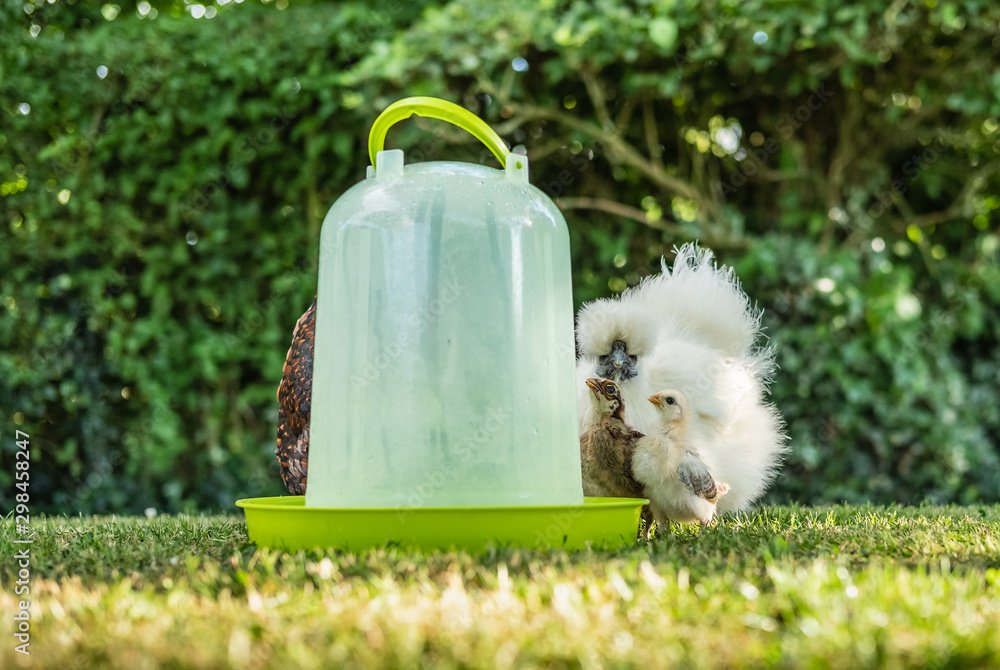
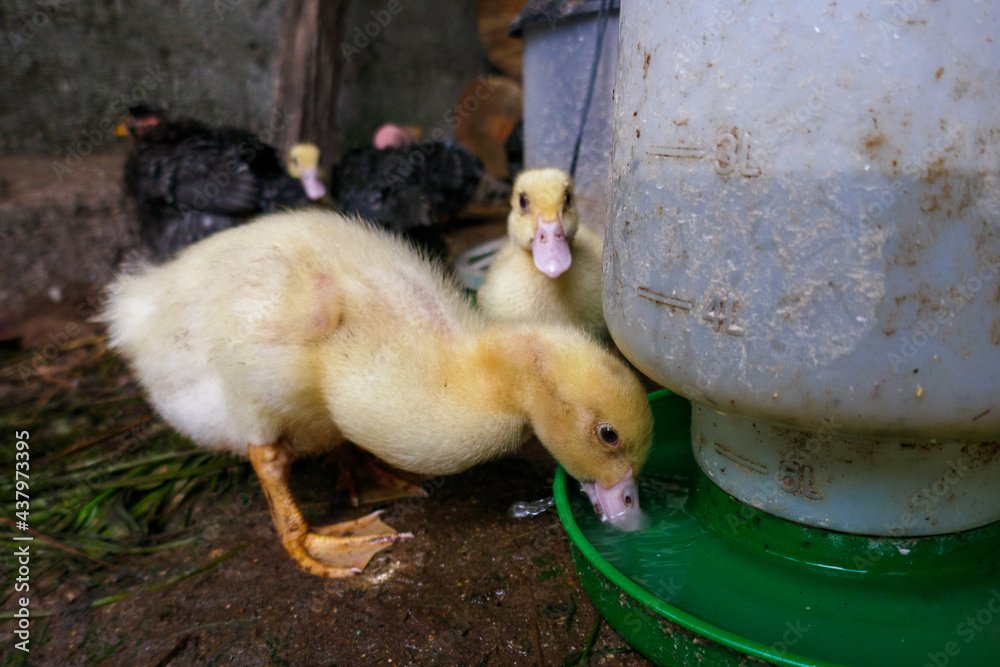
Bell drinkers have a large dome shape with water around the edges. Chickens drink from the circular trough at the bottom.
These systems work best for broilers and large flocks. Installation requires proper height adjustment for different bird sizes.
Bell drinker features:
- Serves multiple birds simultaneously
- Automatic water level maintenance
- Suitable for high-density farming
- Easy cleaning and sanitization
- Cost-effective for large operations
Where to Buy Automatic Drinkers for Chickens in Nigeria
Online Platforms
Jumia Nigeria offers the widest selection of chicken drinkers. Prices range from ₦2,500 to ₦15,000 per unit.
Popular brands include:
- Chi Farms automatic systems
- Petersime drinking equipment
- Big Dutchman water systems
- Local Nigerian manufacturers
Konga also stocks quality drinkers with nationwide delivery. Their customer service helps with technical questions.
Jiji connects you directly with suppliers and importers. You can negotiate prices and buy in bulk quantities.
Physical Stores and Markets
Alaba International Market, Lagos has numerous poultry equipment dealers. Visit Building A, Section 3 for the best selection.
Ariaria International Market, Aba serves the Southeast region effectively. Prices are often 20% lower than Lagos.
Kurmi Market, Kano supplies the northern states with affordable equipment. Many Hausa traders offer installation services too.
Agricultural Equipment Dealers
Chi Farms Limited has branches in Lagos, Abuja, and Port Harcourt. They provide technical support and warranty coverage.
Amo Farm Sieberer supplies high-quality European equipment. Their Abeokuta facility offers training and installation.
Hybrid Farms Nigeria specializes in modern poultry systems. Located in Ibadan with delivery nationwide.
Cost Analysis of Automatic Drinkers in Nigeria
| Drinker Type | Price Range (₦) | Birds Served | Lifespan (Years) | Installation Cost (₦) |
|---|---|---|---|---|
| Nipple Drinkers | 800-2,500 | 10-15 | 5-7 | 5,000-15,000 |
| Cup Drinkers | 1,500-4,000 | 15-25 | 7-10 | 3,000-8,000 |
| Bell Drinkers | 8,000-25,000 | 50-100 | 10-15 | 10,000-30,000 |
Return on Investment
Automatic drinkers pay for themselves within 6-12 months. Labor cost reduction alone saves ₦50,000 annually for 1,000 birds.
Water wastage reduction saves another ₦30,000 per year. Improved bird health reduces medication costs significantly.
I calculated my savings after installing nipple drinkers. Total annual savings reached ₦180,000 for my 2,000-bird operation.
Installation Guide for Automatic Chicken Drinkers
Planning Your System
Start by calculating your water needs accurately. Each adult chicken drinks 200-300ml daily in normal weather.
During hot season, consumption increases to 400-500ml per bird. Plan your storage capacity accordingly.
Essential planning steps:
- Map your chicken house layout
- Determine optimal drinker placement
- Calculate total water storage needed
- Plan electrical connections if required
- Consider backup water supply options
Nipple Drinker Installation
Materials needed:
- PVC pipes (1-2 inches diameter)
- Nipple drinkers (one per 10 birds)
- Pipe fittings and joints
- Water tank or reservoir
- Basic plumbing tools
Step-by-step process:
- Drill holes in PVC pipe every 30cm apart
- Screw nipples tightly into drilled holes
- Connect pipes to water source with proper fittings
- Test for leaks before hanging in chicken house
- Adjust height so chickens can reach comfortably
Mount pipes 18-20 inches high for adult layers. Broilers need 12-15 inches height adjustment.
Cup Drinker Setup
Cup drinkers require individual water connections. Install one cup per 20 adult chickens.
Height adjustment is crucial for proper function. Cups should align with chicken breast level.
Installation tips:
- Use flexible hoses for easy maintenance
- Install shut-off valves for each section
- Ensure proper water pressure (0.5-1.5 bar)
- Test all connections thoroughly
- Clean cups before first use
Maintenance and Care of Automatic Drinkers
Daily Maintenance Tasks
Check water flow at all drinkers every morning. Look for blocked nipples or empty cups immediately.
Clean any visible dirt or debris around drinking areas. Remove dead insects or fallen feed particles.
Daily checklist:
- Test water pressure and flow
- Check for leaking connections
- Remove debris from drinking areas
- Monitor bird drinking behavior
- Record any system problems
Weekly Deep Cleaning
Disconnect water supply and remove all drinkers. Soak in warm soapy water for 30 minutes.
Use soft brushes to remove algae buildup. Rinse thoroughly with clean water before reinstalling.
I schedule weekly cleaning every Saturday morning. This routine prevents most water quality problems.
Monthly System Inspection
Inspect all pipes and connections for wear. Replace damaged fittings immediately to prevent failures.
Check water tank cleanliness and sanitize if needed. Test backup systems and emergency supplies.
Monthly maintenance includes:
- Full system pressure testing
- Water quality analysis
- Parts inventory and replacement
- Documentation of system performance
- Planning any necessary upgrades
Common Problems and Solutions
Blocked Nipple Drinkers
Hard water deposits block nipples frequently in some Nigerian areas. Install water filters to prevent mineral buildup.
Soak blocked nipples in vinegar solution overnight. This dissolves calcium deposits safely and effectively.
Prevention methods:
- Use filtered or treated water
- Regular cleaning schedule
- Quality nipples from trusted brands
- Proper water pressure maintenance
- Monthly vinegar treatments
Low Water Pressure
Insufficient pressure prevents proper drinker operation. Check for leaks in your supply system first.
Install a pressure pump if your water source lacks adequate pressure. Size the pump correctly for your system.
During my second year, pressure problems frustrated me greatly. Installing a ₦25,000 pressure pump solved everything immediately.
Contamination Issues
Even automatic systems can get contaminated without proper care. Birds sometimes damage drinkers and create openings.
Regular inspection catches problems early before serious contamination develops. Replace damaged components immediately.
Benefits of Using Automatic Drinkers in Nigerian Climate
Hot Season Advantages
Nigerian dry season brings temperatures above 35°C regularly. Automatic drinkers provide constant cool water access.
Traditional containers heat up quickly in direct sunlight. Hot water reduces chicken consumption and affects egg production.
Automatic systems can connect to shaded storage tanks. This keeps water temperature comfortable throughout the day.
Rainy Season Protection
Heavy rains contaminate open water containers with mud and bacteria. Covered automatic systems prevent this problem.
Flooding can destroy ground-level water sources completely. Elevated automatic drinkers continue working despite flooding.
Weather protection benefits:
- Consistent water quality year-round
- Reduced disease risk during rains
- Continuous operation during storms
- Protection from dust and debris
- Temperature control capabilities
Water Conservation
Nigeria faces increasing water scarcity in many regions. Automatic drinkers reduce waste by 60-80% compared to open containers.
This conservation helps during shortages and reduces operational costs. Many farmers report significant savings on water bills.
NALDA research indicates that water-efficient farms have 25% lower production costs overall.
Choosing the Right Supplier in Nigeria
Evaluating Supplier Reliability
Check business registration with Corporate Affairs Commission. Registered businesses offer better legal protection for buyers.
Visit physical locations when possible before making large purchases. This confirms legitimacy and professionalism.
Ask for customer references from other farmers in your area. Local references provide valuable honest feedback.
Quality Indicators
Warranty coverage shows supplier confidence in their products. Avoid suppliers who won’t provide warranties.
Technical support availability helps with installation and troubleshooting. Choose suppliers with local technical teams.
Spare parts availability ensures long-term system maintenance. Import-dependent suppliers often disappoint with parts delays.
Pricing Considerations
Compare total costs including delivery, installation, and training. Cheap initial prices often hide expensive extras.
Negotiate bulk discounts for larger orders or multiple farm locations. Most suppliers offer 10-20% discounts for bulk purchases.
I saved ₦80,000 by buying complete systems instead of individual components. Package deals often provide better value.
Training Your Workers on Automatic Drinkers
Basic Operation Training
Teach workers how each drinker type functions properly. Demonstrate correct height adjustments for different bird ages.
Show proper cleaning procedures and maintenance schedules. Workers must understand why regular care matters.
Training topics include:
- Daily inspection procedures
- Problem identification skills
- Basic repair techniques
- Record keeping requirements
- Emergency response protocols
Troubleshooting Skills
Train workers to identify common problems quickly. Early detection prevents minor issues from becoming major failures.
Create simple problem-solving guides with pictures. Most workers learn better with visual instructions than written manuals.
During my worker training sessions, hands-on practice works best. Theory alone doesn’t prepare them for real problems.
Safety Procedures
Electrical connections require proper safety training. Workers must understand basic electrical safety around water systems.
Safety priorities:
- Electrical hazard awareness
- Proper tool usage techniques
- Emergency shut-off procedures
- First aid for electrical incidents
- Regular safety equipment inspection
Regional Considerations Across Nigeria
Northern Nigeria Factors
Hot, dry climate increases water consumption significantly. Plan 50% higher capacity than manufacturers recommend.
Dust storms can clog filters and drinkers rapidly. Install protective covers and clean more frequently.
Northern region challenges:
- Extreme heat stress on birds
- Limited water supply availability
- Frequent power outages affecting pumps
- Dust contamination problems
- Seasonal worker migration issues
Southern Nigeria Conditions
High humidity creates algae growth problems. Clean systems more frequently during rainy seasons.
Flooding risks require elevated installation designs. Plan for emergency water supply during flood seasons.
Southern region considerations:
- Humidity-related maintenance needs
- Flooding protection requirements
- Corrosion from coastal salt air
- Abundant water supply availability
- Year-round worker availability
Middle Belt Adaptations
Temperature variations require flexible system designs. Plan for both hot dry spells and cool wet periods.
Seasonal farming patterns affect labor availability. Train multiple workers to avoid maintenance gaps.
Integration with Modern Farming Systems
Solar Power Integration
Solar panels can power automatic drinker pumps reliably. This reduces electricity costs and ensures continuous operation.
Battery backup systems maintain water flow during cloudy days. Size your solar system for 3-day autonomy minimum.
Solar system benefits:
- Reduced operational costs
- Energy independence
- Environmental sustainability
- Reliable power in rural areas
- Government incentive availability
Smart Monitoring Systems
Modern sensors monitor water consumption patterns automatically. This data helps optimize bird management decisions.
Alert systems notify farmers about problems immediately. Early warning prevents costly bird losses from water failures.
Some Nigerian farmers now use smartphone apps for monitoring. Technology costs continue dropping while benefits increase.
Economic Impact on Nigerian Poultry Industry

Productivity Improvements
Automatic drinkers increase average egg production by 12-18%. This improvement comes from better hydration and reduced stress.
Broiler growth rates improve by 8-15% with consistent water access. Faster growth means earlier market sales and better profits.
Productivity metrics:
- Higher feed conversion efficiency
- Reduced mortality rates
- Improved egg shell quality
- Better meat texture and flavor
- Increased overall farm profitability
Labor Cost Reduction
Manual watering requires 2-3 hours daily for 1,000 birds. Automatic systems reduce this to 30 minutes inspection time.
Labor savings allow farmers to expand operations profitably. The same workforce can manage 3x more birds effectively.
I expanded from 500 to 2,000 birds using the same two workers. Automatic drinkers made this expansion possible and profitable.
Market Competitiveness
Modern water systems help Nigerian farmers compete with imports. Better bird health produces higher quality products.
Export opportunities increase with improved production standards. Automatic systems help meet international quality requirements.
Frequently Asked Questions
How Many Nipple Drinkers Do I Need for 100 Chickens?
Install 8-10 nipple drinkers for 100 adult chickens. This provides adequate access without overcrowding at drinking points.
Young chicks need more drinkers initially. Use 15-20 nipples for 100 day-old chicks until they grow larger.
Space nipples 30cm apart along water lines. This prevents fighting and ensures equal access for all birds.
What Water Pressure Works Best for Automatic Drinkers?
Maintain water pressure between 0.5-1.5 bar for optimal performance. Higher pressure causes excessive spillage and waste.
Lower pressure prevents proper nipple function. Birds struggle to get enough water with insufficient pressure.
Install pressure gauges to monitor system performance. Adjust pressure regulators as needed for consistent operation.
Can I Install Automatic Drinkers in Old Chicken Houses?
Yes, retrofit installation works in most existing structures. Plan pipe routes carefully to avoid structural interference.
Suspend water lines from ceiling beams or wall brackets. Avoid ground installation in older houses with poor drainage.
Budget extra costs for electrical work and structural modifications. Older buildings often need additional support systems.
Which Drinker Type Works Best in Hot Weather?
Nipple drinkers perform best in extreme heat conditions. They provide fresh cool water on demand without heating up.
Cup drinkers also work well but need more frequent cleaning. Bell drinkers heat up quickly in direct sunlight.
Install all systems in shaded areas when possible. Direct sun exposure reduces efficiency and bird comfort.
How Often Should I Replace Automatic Drinkers?
Quality nipple drinkers last 5-7 years with proper maintenance. Replace them when flow becomes irregular or stops.
Cup drinkers typically last 7-10 years with good care. Metal components outlast plastic parts significantly.
Bell drinkers can last 10-15 years with minimal replacement needs. Their simple design makes them very durable.
Do Automatic Drinkers Work During Power Outages?
Gravity-fed systems continue working without electricity. Install elevated storage tanks for power-independent operation.
Pressure-dependent systems need backup power sources. Solar panels or generators maintain water flow during outages.
Plan for at least 8-hour water storage capacity. This covers most typical power outage durations in Nigeria.
What Maintenance Schedule Should I Follow?
Daily: Check water flow and clean around drinkers.
Weekly: Deep clean all drinkers and replace filters.
Monthly: Inspect all connections and test backup systems.
Quarterly: Replace worn parts and service pumps.
Document all maintenance activities for warranty purposes. Regular records help identify recurring problems early.
Can I Use Borehole Water with Automatic Drinkers?
Yes, but test water quality first for mineral content. High iron levels can stain and clog drinker components.
Install appropriate filters for your water quality needs. Sediment filters prevent particles from blocking nipples.
Some borehole water needs pH adjustment before use. Consult water treatment specialists for complex quality issues.
Conclusion
Automatic drinkers for chickens in Nigeria represent a smart investment for any serious farmer. They reduce labor, improve bird health, and increase profitability significantly.
Start with a small system to learn proper operation. Expand gradually as you gain experience and confidence.
Choose reliable suppliers with local support capabilities. Quality equipment and good service make all the difference.
The initial investment pays back quickly through improved productivity. Most farmers see positive returns within their first year.
Modern Nigerian poultry farming demands efficient water systems. Automatic drinkers provide the foundation for successful operations.
Take action today to upgrade your water delivery system. Your chickens, workers, and bank account will thank you immediately.
Remember that proper installation and maintenance determine system success. Invest time in learning correct procedures from the beginning.
The future of Nigerian poultry farming includes automated systems. Start your modernization journey with reliable automatic drinkers today.