Best Chicken Feeders for Nigerian Poultry Farms: Complete Guide from an Anambra Farmer

I’m Pius Emeka from Oyi Local Government Area, Anambra State. I’ve raised chickens for eight years now.
Started with 50 broilers in my backyard. Today, I manage over 500 birds successfully.
I also train beginners at local workshops across our state. Feed management always comes up first.
Chicken feeders for Nigerian poultry farms can make or break your business. The right feeder saves money and keeps birds healthy.
In Nigeria, poultry contributes 25% to agricultural GDP. That’s about $4.2 billion in value according to federal statistics.
But many farms struggle with high feed costs. Maize shortages make things worse for us.
I remember my first year clearly. Used old buckets as feeders back then. Birds scattered feed everywhere daily.
Lost so much money from waste. Nearly quit farming that first season.
After attending a NAERLS workshop in 2018, everything changed. Switched to proper feeders immediately. My profits jumped 30% that year.
This guide shares what works in Nigerian conditions. Real experience from real farms here.
Why Good Chicken Feeders Matter for Nigerian Farms
Feed costs eat 70% of poultry budgets in Nigeria. Wasting it kills profits fast.
Poor feeders lead to spoilage from rain. Our humid weather makes this worse.
Pests invade exposed feed regularly. Rats and insects destroy everything overnight.
Good feeders cut waste by 20-30%. They also prevent fights among your birds.
In Oyi, I see farms lose birds to starvation. Overcrowded feeders cause that problem.
Proper chicken feeders for Nigerian poultry farms solve these issues. Choose based on your flock size.
I’ve trained over 100 farmers locally. Most start with wrong feeders initially. They regret it later when losses mount.
Statistics from NALDA show Nigeria produces 300 million birds yearly. But many farms close from poor management.
A reliable feeder keeps your flock steady. Makes daily farming much easier too.
Weather affects everything here. Hot sun, heavy rain, and dust damage cheap feeders.
Invest in quality from the start. Your future self will thank you.
Types of Chicken Feeders That Work in Nigeria
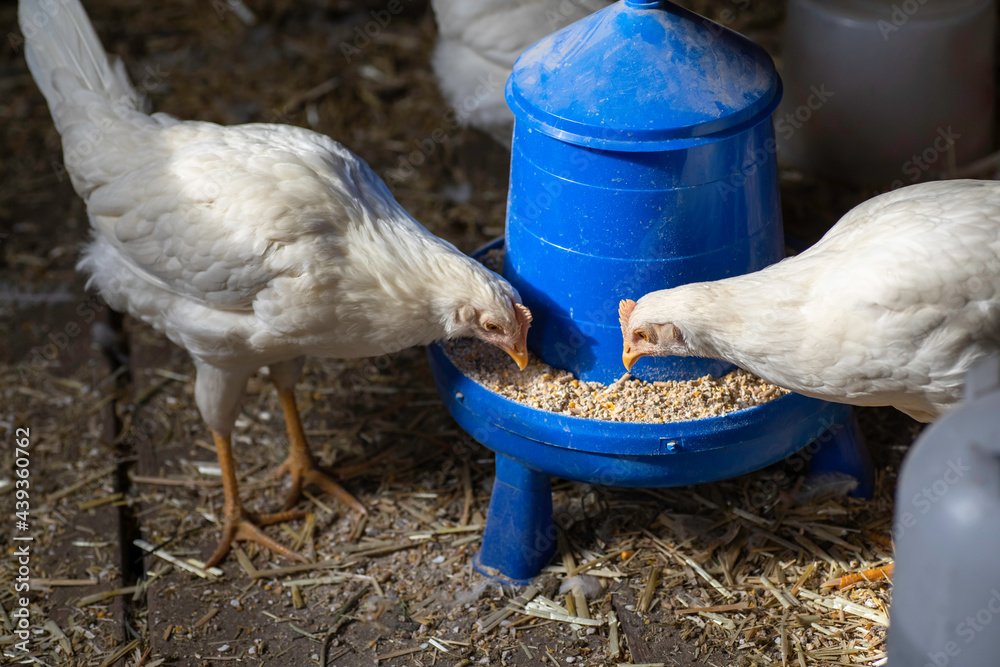
Many feeder types exist in markets. Not all suit our conditions though.
Hot temperatures, rainfall, and dust affect feeder performance. Plastic or galvanized metal ones last longer.
Let me break down what works. Based on eight years of testing.
Hopper Feeders: Simple and Reliable Choice
Hopper feeders use gravity to work. Feed drops as birds eat naturally.
They hold large amounts of feed. Good for flocks of 50-200 birds.
In Nigerian markets, plastic hoppers cost N2,000-N5,000. Easy to find in Onitsha or Lagos.
I use them for my layer hens. Fill once daily and forget it.
Chinedu from Nteje switched to hoppers last year. His feed waste dropped by half immediately.
But clean them weekly without fail. Mold grows fast in our heat and humidity.
Position them under shade always. Direct sun spoils feed quickly here.
Chicken feeders for Nigerian poultry farms must handle our climate. Hoppers work well when maintained properly.
Trough Feeders: Perfect for Large Flocks
Trough feeders are long feeding trays. Birds eat from both sides comfortably.
Best choice for broiler chickens. They eat fast and in groups.
Galvanized metal ones resist rust better. Cost ranges from N3,000-N7,000 locally.
In my farm, one 5-foot trough feeds 100 birds. No crowding or fighting occurs.
During a 2022 workshop in Awka, I demonstrated trough benefits. Weaker birds get fair access too.
Main downside: Rain wets feed easily. Always cover them with zinc sheets.
Raise them 6-8 inches off ground. Prevents contamination from droppings effectively.
Clean weekly with soap and water. Dry completely before refilling with feed.
Automatic Feeders: Technology for Busy Farmers
Automatic feeders dispense feed using timers. Modern technology but very useful.
Popular in large commercial operations. Cost ranges N10,000-N20,000 depending on features.
They save labor significantly. Ideal if you work elsewhere besides farming.
I installed one last year. Helped tremendously during planting season when busy.
My client in Onitsha loves his automatic feeder. “Pius, this changed my life completely. No more daily refills needed.”
But power outages happen frequently here. Always use battery backups for reliability.
Solar-powered versions work well too. Initial cost higher but worth it long-term.
Chicken feeders for Nigerian poultry farms are getting smarter. Technology helps serious farmers scale up.
DIY Feeders: Budget Options for Beginners
Make your own with buckets or PVC pipes. Cheap and surprisingly effective.
Cut holes in PVC pipe. Hang it at proper height for birds.
I started with DIY feeders completely. Cost me under N500 total back then.
In training sessions, I always teach this. Beginners appreciate the cost savings.
Ada from Umunya built one after my workshop. “Your DIY feeder saved me N3,000. My chicks thrive now.”
Make sure construction is sturdy though. Birds can break weak homemade feeders.
Use food-grade materials only. Avoid toxic plastics or paints near birds.
Sand rough edges smooth. Prevent injuries to your valuable birds.
Comparing Chicken Feeder Types: Complete Breakdown
Here’s a practical comparison table. Based on my farm experience and current market prices.
| Feeder Type | Cost (Naira) | Best For | Main Benefits | Disadvantages |
|---|---|---|---|---|
| Hopper | 2,000-5,000 | Layers | Less waste, easy filling | Clogs if feed gets wet |
| Trough | 3,000-7,000 | Broilers | Feeds many birds at once | Exposed to rain damage |
| Automatic | 10,000-20,000 | Commercial farms | Saves time and labor | Needs electricity to work |
| DIY | Under 1,000 | Small beginners | Very cheap to make | Less durable over time |
This table comes from actual farm trials. Prices from Ogbogwu market in Onitsha.
Use it to match your specific needs. For 100 birds, start with quality troughs.
Chicken feeders for Nigerian poultry farms vary by purpose. Choose what fits your budget and goals.
Consider your local weather conditions too. Rainy areas need covered feeders especially.
Best Feeders for Broilers vs Layers
Broilers grow incredibly fast here. They need constant feed access for proper development.
Trough or large hopper feeders work best. Avoid small restrictive feeders completely.
Layers need more controlled feeding schedules. Prevents obesity and egg-laying problems.
Automatic feeders suit layers perfectly. Built-in portion control helps tremendously.
In Anambra, broilers sell quickly during holidays. Good feeders speed up growth rates.
I raised 200 broilers last Christmas season. Used metal troughs exclusively. Sold all at premium prices.
Layers produce eggs daily for income. Clean feeders boost egg quality significantly.
A farmer in Enugu trained by me switched systems. His egg production increased 15% within months.
Chicken feeders for Nigerian poultry farms must match your bird types. Test what works for your specific flock.
Broilers eat more aggressively than layers. Plan feeder capacity accordingly for success.
Layer feeders need easy cleaning access. Egg quality depends on feed cleanliness.
Consider your market too. Premium eggs need premium feeding systems.
Common Mistakes I See in Nigerian Farms
Many beginners overfill feeders completely. Feed spills and attracts rats immediately.
Witnessed this at my neighbor’s farm. Lost half his expensive feed to pests overnight.
Another common mistake: Not raising feeders off ground. Birds contaminate them with droppings.
In workshops, I stress proper height. 6-8 inches prevents most contamination issues.
Using wrong feeder sizes kills profits. Small feeders for big flocks cause serious stress.
One trainee ignored my advice completely. His birds started pecking each other badly.
Placing feeders in direct sunlight. Feed spoils much faster in heat.
Always provide shade for feeders. Simple zinc sheet fixes this problem.
Not cleaning feeders regularly enough. Disease spreads through dirty feeding equipment.
I’ve helped clients fix these issues. Saves them major headaches and money.
Chicken feeders for Nigerian poultry farms need proper management. Avoid these costly mistakes completely.
Maintenance Tips for Long-Lasting Feeders

Clean feeders weekly with soap and water. Dry them completely before refilling.
During rainy season, check for leaks daily. Seal cracks with waterproof tape.
Store spare feeders in dry places. Prevents rust and extends their lifespan.
I scrub all mine every Sunday morning. Keeps diseases away from my flock.
Safety note: Use only non-toxic cleaners. Avoid harsh chemicals near your birds.
NAERLS guidelines show clean feeders reduce mortality by 10%. Proven statistics from field studies.
In my eight farming years, regular maintenance saved thousands in replacement costs.
Oil metal parts occasionally. Prevents rust in our humid climate conditions.
Chicken feeders for Nigerian poultry farms last longer with proper care. Maintenance pays off handsomely.
Check for damage after storms. Heavy rain can crack plastic feeders.
Replace worn parts immediately. Don’t wait until complete failure occurs.
Weather Challenges and Solutions
Rainy season wets feed constantly. Moldy feed causes serious bird sickness.
Use covered feeders always. Build simple shelters if necessary for protection.
Hot dry season dries feed out. Birds eat less and grow slower.
Keep feeders properly shaded. Add fresh water sources nearby for comfort.
Anambra floods affect many farms. Raise feeders high above flood levels.
Last year’s flood hit my area hard. Elevated feeders saved my entire flock.
Climate change worsens weather extremes. NALDA reports confirm this trend statewide.
Plan for seasonal challenges now. Your feeders will last much longer.
Chicken feeders for Nigerian poultry farms must beat harsh weather. Choose materials wisely.
Harmattan dust clogs feeder mechanisms. Cover them during dusty periods.
Strong winds can tip over light feeders. Secure or weight them down properly.
Cost-Saving Strategies That Work
Buy feeders in bulk from Lagos. Prices drop significantly with quantity purchases.
Repair instead of replacing everything. Superglue fixes small cracks effectively.
Mix different feeder types strategically. Hoppers for day feeding, troughs for night.
I saved N10,000 last year through smart repairs. Every naira counts in farming.
Train birds to eat cleanly. Reduces waste and saves expensive feed costs.
My student in Aguleri reported success. “Your tips cut my feed costs 25% easily.”
Feed costs rose 40% in 2024. Agricultural reports confirm this challenging trend.
Smart feeder choices help farms survive inflation. Plan your investments carefully.
Chicken feeders for Nigerian poultry farms are investments. Choose quality over cheap options.
Form buying groups with neighbors. Bulk purchases benefit everyone involved.
Health Benefits of Proper Feeders
Even feeding prevents common diseases like coccidiosis. Consistent nutrition builds immunity.
Clean feeders stop harmful bacteria spread. Dirty equipment kills birds quickly.
In my farm, healthy birds mean better sales. Customers pay more for quality.
NAERLS research shows proper feeding boosts natural immunity. Scientific backing for good practices.
I make no medical claims here. Just sharing observed farming facts honestly.
Always consult veterinarians for health issues. Professional advice saves lives and money.
Well-fed birds resist diseases better. Good feeders support this natural process.
Chicken feeders for Nigerian poultry farms impact bird health directly. Invest in quality equipment.
Stress from poor feeding weakens immunity. Proper feeders reduce flock stress significantly.
Scaling Your Farm Successfully
Start small with basic feeders. Upgrade gradually as your flock grows bigger.
From 50 to 500 birds, I changed feeder systems three times. Each upgrade improved profits.
Invest in quality equipment early. Cheap feeders cost more long-term through waste.
In my training sessions, I show growth planning. Successful farmers plan feeder upgrades.
One client scaled to 1,000 birds successfully. Automatic feeders made expansion possible for him.
Nigerian poultry industry grows rapidly. Proper equipment enables farm expansion opportunities.
Chicken feeders for Nigerian poultry farms are crucial for scaling. Plan your growth strategy.
Document what works at each scale. This knowledge helps future expansion decisions.
Where to Buy Quality Feeders
Visit Afrimash.com for modern options. They stock latest feeder technologies locally.
Check agriculture.gov.ng for approved suppliers. Government-backed vendors offer quality assurance.
NAERLS website lists extension services. They provide equipment guidance and training.
Local markets in Onitsha remain cheapest. But quality varies significantly between vendors.
Lagos importers offer bulk discounts. Worth the trip for large farm purchases.
Test before buying large quantities. One sample feeder reveals quality levels clearly.
Chicken feeders for Nigerian poultry farms are available nationwide. Choose reputable suppliers only.
Build relationships with good suppliers. They notify you of new products first.
Success Stories from My Students

Ngozi from Ogbunike started with DIY feeders. Now runs a 300-bird operation successfully.
Her words: “Pius taught me feeder basics. Now I train other women farmers.”
Chinedu scaled from 50 to 500 birds. Proper feeders enabled his rapid growth.
“Started with your workshop advice. Now I supply eggs to three markets.”
These stories inspire me daily. Good equipment transforms farming dreams into reality.
Chicken feeders for Nigerian poultry farms change lives. Proper equipment enables success for determined farmers.
Every successful student validates my teaching approach. Practical knowledge works best.
Frequently Asked Questions
What are the best chicken feeders for small farms in Nigeria?
For small Nigerian farms, hopper feeders or DIY options work best. They’re affordable and simple to use.
Plastic hoppers hold enough feed for 50 birds. Cost under N3,000 at most markets.
Chinedu started with DIY feeders. “Now I manage 200 birds successfully using your methods.”
Easy to clean and maintain. Perfect for beginners learning proper techniques.
How do I choose feeders for broiler chickens in Nigeria?
Broiler chickens need wide-access feeders. Trough feeders work best for fast-growing birds.
They eat aggressively and in groups. Prevent overcrowding with proper feeder sizing.
Metal troughs last longer in Nigerian heat. Avoid plastic for heavy-eating broilers.
Size feeders for your flock count. Too small causes fighting and stress.
What automatic feeders work in Nigerian conditions?
Chinese-imported automatic feeders suit Nigerian farms. Cost N10,000-N20,000 depending on features.
Battery or solar-powered models handle frequent power outages. Essential for reliable operation.
I use one during busy seasons. Saves time when other farm work demands attention.
Check online sellers or Lagos markets. Test electrical components before purchasing anything.
How can I make DIY feeders for my chickens?
Use PVC pipes with holes cut for bird beaks. Hang at proper height for easy access.
Costs under N500 for basic materials. Perfect for cash-strapped beginners starting out.
I teach this technique in workshops. Simple steps anyone can follow successfully.
Ada made one in an hour. “Perfect solution for my small backyard flock.”
What problems affect feeders in Nigerian weather?
Rain wets feed causing dangerous mold growth. Cover all feeders with zinc or plastic sheets.
Pests invade exposed feed regularly. Rats and insects destroy expensive feed overnight.
Harmattan dust clogs feeder mechanisms. Clean and cover during dusty season months.
Heat spoils feed faster than expected. Always provide shade for all feeding equipment.
How much do good feeders cost in Nigeria?
Prices range from N500 for DIY to N20,000 for automatic systems. Choose based on farm size.
Hopper feeders cost around N3,000 each. Best value for medium-sized flocks.
Lagos and Onitsha offer cheapest prices. Bulk purchases reduce costs significantly further.
Budget for quality over cheap options. Good feeders last years with proper maintenance.
Should I use plastic or metal feeders?
Both materials work in Nigerian conditions. Plastic costs less but metal lasts longer.
For humid coastal areas, galvanized metal resists rust better. Inland areas can use either.
I mix both types on my farm. Depends on specific flock needs and budget.
Ngozi prefers plastic feeders. “Easier to move and clean than heavy metal ones.”
How do I clean feeders safely?
Wash weekly with mild soap and clean water. Rinse thoroughly and dry completely.
Dry in direct sunlight kills remaining germs. Avoid bleach or harsh chemical cleaners.
Keep all chemicals away from birds always. Their health depends on chemical-free equipment.
This reduces disease outbreaks significantly. Proven practice from eight years of farming.