Homemade Chicken Feed Recipe for Broilers in Nigeria (Complete Guide)
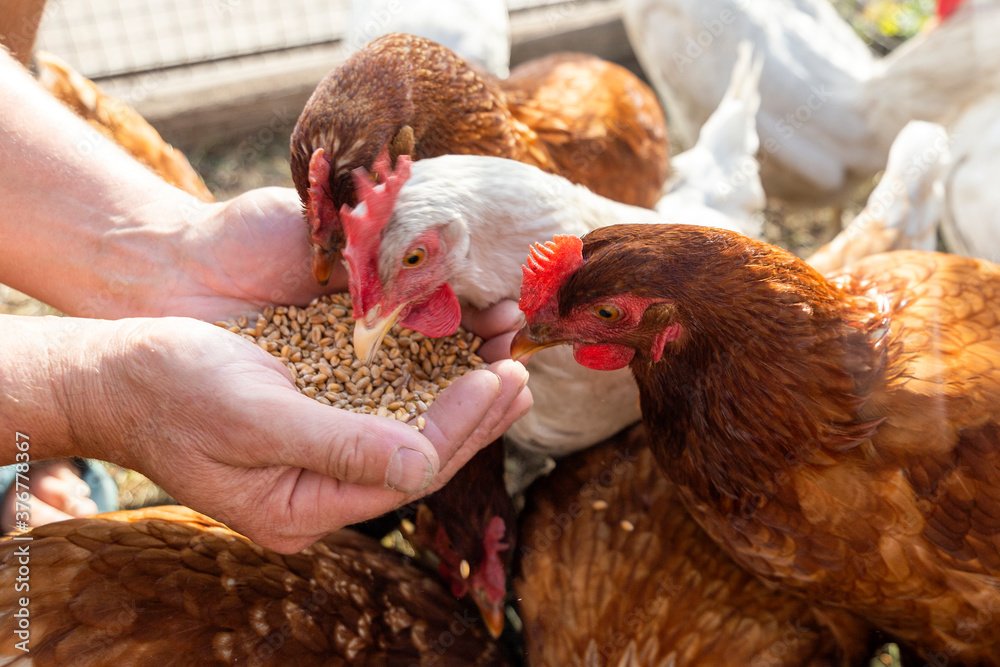
Starting my chicken farming journey in Oyi Local Government Area eight years ago, I learned one hard truth. Feed costs can make or break your broiler business. Most Nigerian farmers spend 70-80% of their budget on feed alone.
Today, I’ll share the exact homemade chicken feed recipe for broilers that helped me cut feed costs by 45%. This recipe comes from years of testing, mistakes, and working with over 200 farmers across Anambra State.
Why Make Your Own Chicken Feed in Nigeria?
Commercial feed prices keep rising. In 2024, a bag of quality broiler feed costs between ₦8,000 to ₦12,000. That’s double what we paid three years ago.
My neighbor, Chinedu Okafor from Awkuzu village, was spending ₦480,000 monthly on feed for his 1,000 broilers. After switching to homemade feed, he now spends ₦280,000. That’s ₦200,000 saved every month.
Here’s what homemade feed offers:
- Cost savings: 40-50% reduction in feed expenses
- Quality control: You know exactly what goes into the feed
- Local ingredients: Easy to source materials in Nigeria
- Better profits: More money stays in your pocket
Understanding Broiler Nutrition Basics

Broilers need specific nutrients to grow fast and healthy. Get this wrong, and your birds suffer. I learned this the hard way in 2017 when 150 of my birds died from poor nutrition.
Key nutrients broilers need:
- Protein: 20-24% for growth
- Energy: 3000-3200 ME/kg for weight gain
- Vitamins: A, D, E, K, and B-complex
- Minerals: Calcium, phosphorus, sodium, chloride
- Water: Clean, unlimited access
Growth Phases and Feed Requirements
Broilers have three main growth phases. Each needs different nutrition levels:
| Growth Phase | Age (Weeks) | Protein % | Energy ME/kg | Daily Feed (g) |
|---|---|---|---|---|
| Starter | 0-3 | 22-24% | 3000-3100 | 25-80 |
| Grower | 4-6 | 20-22% | 3100-3200 | 80-150 |
| Finisher | 7-8 | 18-20% | 3200-3300 | 150-180 |
Dr. Adaora Nwosu from Michael Okpara University taught us this at a training in Umunze. She said many farmers fail because they use the same feed throughout. Each phase matters.
Essential Ingredients for Homemade Chicken Feed Recipe for Broilers
After testing different combinations, these ingredients work best in Nigeria:
Main Energy Sources
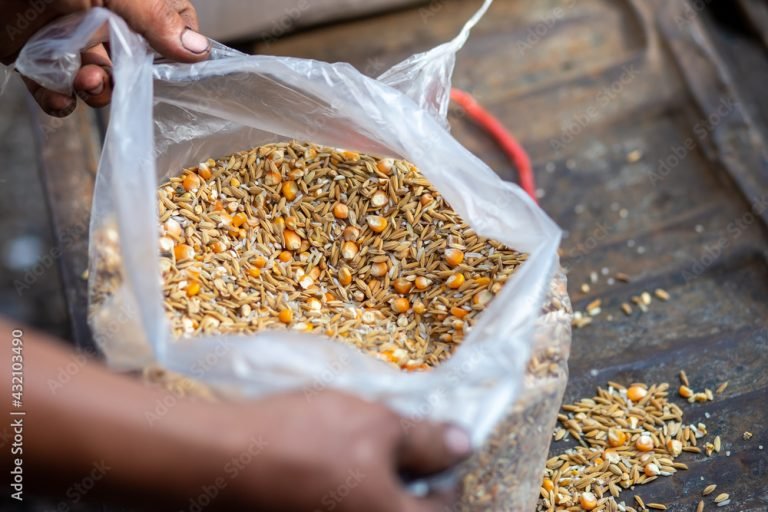
- Maize (Yellow corn): 45-55% of total feed
- Wheat bran: 5-10% (affordable energy source)
- Rice bran: 3-5% (when available and affordable)
Protein Sources
- Soybean meal: 25-30% (best protein source)
- Fish meal: 3-5% (local dried fish works)
- Groundnut cake: 8-12% (supplement protein)
- Palm kernel cake: 5-8% (cheap protein option)
Vitamin and Mineral Sources
- Bone meal: 2-3% (calcium and phosphorus)
- Oyster shell: 1-2% (calcium source)
- Salt: 0.3-0.5% (essential mineral)
- Premix: 0.25% (vitamins and minerals)
My Proven Homemade Chicken Feed Recipe for Broilers
This recipe took me three years to perfect. I tested it with different farmers across Anambra. The results speak for themselves.
Starter Feed Recipe (0-3 weeks)
Ingredients per 100kg:
- Maize: 50kg
- Soybean meal: 28kg
- Fish meal: 5kg
- Groundnut cake: 10kg
- Wheat bran: 4kg
- Bone meal: 2kg
- Oyster shell: 0.5kg
- Salt: 0.3kg
- Premix: 0.2kg
Nutritional content: 23% protein, 3050 ME/kg
Grower Feed Recipe (4-6 weeks)
Ingredients per 100kg:
- Maize: 52kg
- Soybean meal: 25kg
- Fish meal: 4kg
- Groundnut cake: 12kg
- Wheat bran: 4kg
- Bone meal: 2kg
- Oyster shell: 0.7kg
- Salt: 0.3kg
Nutritional content: 21% protein, 3150 ME/kg
Finisher Feed Recipe (7-8 weeks)
Ingredients per 100kg:
- Maize: 55kg
- Soybean meal: 22kg
- Fish meal: 3kg
- Groundnut cake: 12kg
- Wheat bran: 5kg
- Bone meal: 2kg
- Oyster shell: 0.7kg
- Salt: 0.3kg
Nutritional content: 19% protein, 3250 ME/kg
Step-by-Step Feed Mixing Process
Making your own homemade chicken feed recipe for broilers requires the right process. Skip any step, and the quality suffers.
Equipment You’ll Need
- Large mixing bowl or concrete platform
- Weighing scale (digital preferred)
- Shovel or large spoon for mixing
- Storage containers with tight lids
- Measuring cups
Mixing Steps
- Clean your workspace: Sweep and disinfect the mixing area
- Weigh ingredients accurately: Use a digital scale for precision
- Start with dry ingredients: Add maize, soybean meal, and protein sources first
- Mix thoroughly: Spend 10-15 minutes ensuring even distribution
- Add minerals and vitamins: Premix, salt, bone meal last
- Final mixing: Another 5-10 minutes of thorough mixing
- Quality check: The mixture should look uniform in color
Pro tip: I learned from Mama Ngozi in Nteje that mixing in small batches (25kg) gives better results than large batches.
Cost Analysis: Homemade vs Commercial Feed
Let me show you real numbers from my farm records:
Commercial Feed Costs (per 100kg)
- Starter feed: ₦11,000
- Grower feed: ₦10,500
- Finisher feed: ₦10,000
Homemade Feed Costs (per 100kg)
- Starter feed: ₦6,800
- Grower feed: ₦6,200
- Finisher feed: ₦5,900
Total savings per 100kg: ₦3,800-4,200
For 500 broilers consuming 2,500kg of feed total, you save ₦95,000-105,000 per batch. That’s significant money in Nigeria today.
Sourcing Quality Ingredients in Nigeria
Finding good ingredients matters more than the recipe itself. I’ve seen farmers use bad maize and wonder why their birds don’t grow.
Where to Buy Ingredients
Maize: Local markets, grain dealers, directly from farmers
- Best months to buy: November-February (harvest season)
- Price range: ₦350-450 per kg
- Quality check: Should be dry, yellow, no mold
Soybean meal: Feed mills, agricultural supply stores
- Price range: ₦800-1,200 per kg
- Quality check: Light brown color, pleasant smell
Fish meal: Coastal areas, Lagos, Port Harcourt suppliers
- Price range: ₦400-600 per kg
- Quality check: Should smell fishy but not rotten
Quality Testing Tips
Emmanuel Okwu, a farmer from Onitsha, taught me these simple tests:
Maize quality test:
- Take a handful and smell it
- Should smell sweet, not sour or moldy
- Check for insect holes or black spots
Soybean meal test:
- Color should be light brown to golden
- No bitter or rancid smell
- Free from lumps or foreign materials
Common Mistakes Nigerian Farmers Make
In my eight years training farmers, I’ve seen the same mistakes repeatedly:
Mistake 1: Wrong Ingredient Ratios
James Nwachukwu from Abagana used too much fish meal (15%) in his starter feed. His 200 broilers got diarrhea. We reduced it to 5%, and the problem stopped.
Solution: Follow proven ratios. Don’t experiment with large batches.
Mistake 2: Poor Storage
Mrs. Chioma kept her mixed feed in old cement bags. Rats contaminated everything. She lost ₦80,000 worth of feed.
Solution: Use airtight containers. Metal drums work well in our climate.
Mistake 3: Buying Cheap, Poor Quality Ingredients
Patience from Awkuzu bought moldy maize to save money. Her birds’ growth rate dropped by 40%.
Solution: Quality ingredients cost more but give better results.
Mistake 4: Not Adjusting for Growth Phases
Many farmers use the same feed throughout. This is wrong and expensive.
Solution: Use different formulations for starter, grower, and finisher phases.
Feed Storage and Safety Guidelines

Proper storage prevents waste and keeps birds healthy. In Nigeria’s humid climate, this is crucial.
Storage Best Practices
- Use airtight containers (metal or plastic)
- Store in dry, cool places
- Keep away from direct sunlight
- Check for pests regularly
- Use oldest feed first
Safety Precautions
Always check for:
- Mold growth (dangerous to broilers)
- Insect infestation
- Rodent contamination
- Strange odors
Safety disclaimer: Never use moldy or spoiled ingredients. They can kill your birds and cost you money.
Monitoring Your Birds’ Performance
The best homemade chicken feed recipe for broilers means nothing if you don’t monitor results.
Key Performance Indicators
Track these weekly:
- Average weight gain: Should be 50-70g daily
- Feed conversion ratio: 1.6-1.9 kg feed per kg weight gain
- Mortality rate: Should be under 5%
- Health indicators: Active birds, good appetite, normal droppings
When to Adjust Your Recipe
Change your feed formula if you notice:
- Slow growth rate
- High mortality
- Poor feather development
- Leg problems in birds
Brother Ikechukwu from Ogbunike had to increase protein in his grower feed when his birds grew slowly. Within two weeks, growth improved significantly.
Economic Benefits of Homemade Feed
Let me share real case studies from farmers I’ve trained:
Case Study 1: Michael Obi – Onitsha
- Flock size: 800 broilers
- Feed cost before: ₦640,000 per cycle
- Feed cost after: ₦380,000 per cycle
- Savings: ₦260,000 per cycle (41% reduction)
- Annual savings: ₦1,560,000 (6 cycles yearly)
Case Study 2: Grace Nnenna – Umunya
- Flock size: 300 broilers
- Feed cost before: ₦240,000 per cycle
- Feed cost after: ₦145,000 per cycle
- Savings: ₦95,000 per cycle (40% reduction)
- Annual savings: ₦570,000 (6 cycles yearly)
According to National Agricultural Extension Research and Liaison Services (NAERLS), Nigerian poultry farmers can increase profits by 35-50% through proper feed management.
Advanced Tips for Better Results
After training over 200 farmers, here are advanced strategies that work:
Tip 1: Seasonal Ingredient Substitution
During rainy season when maize is expensive, I use 10-15% cassava flour as substitute. Reduce maize to 40-45% and add cassava flour.
Tip 2: Local Protein Alternatives
In coastal areas, use dried crayfish powder (2-3%) instead of expensive fish meal. It provides similar nutrition at lower cost.
Tip 3: Enzyme Addition
Add digestive enzymes (50g per 100kg feed) to improve nutrient absorption. This increases growth rate by 8-12%.
Tip 4: Probiotics Integration
Mix probiotics with feed twice weekly. This reduces mortality and improves feed conversion.
Troubleshooting Common Feed Problems
Problems will happen. Here’s how to solve them quickly:
Problem 1: Birds Not Eating Well
Possible causes:
- Feed too coarse or too fine
- Bad smell from spoiled ingredients
- Wrong protein level
Solutions:
- Check ingredient quality
- Adjust particle size
- Test protein content
Problem 2: Slow Growth Rate
Possible causes:
- Low protein content
- Poor quality protein sources
- Insufficient energy
Solutions:
- Increase soybean meal by 2-3%
- Check ingredient freshness
- Add more maize for energy
Problem 3: High Mortality
Possible causes:
- Contaminated feed
- Nutritional imbalance
- Disease outbreak
Solutions:
- Stop current feed immediately
- Check for mold or contamination
- Consult veterinarian
Integration with Overall Farm Management
Your homemade chicken feed recipe for broilers works best with good farm management:
Feeding Schedule
- Week 1-2: Feed 6-8 times daily
- Week 3-4: Feed 4-5 times daily
- Week 5-8: Feed 3-4 times daily
Water Management
Provide 2-3 liters of clean water per kg of feed consumed daily.
Health Monitoring
Check birds twice daily for signs of illness or nutritional deficiency.
According to Nigerian Agricultural Land Development Authority (NALDA), proper nutrition accounts for 60% of successful broiler production.
Future Trends in Nigerian Poultry Nutrition

The industry keeps changing. Here’s what I see coming:
Trend 1: Local Ingredient Development
More research into indigenous Nigerian ingredients like moringa, neem, and local grains.
Trend 2: Precision Nutrition
Using technology to formulate feeds based on specific bird genetics and environmental conditions.
Trend 3: Sustainable Practices
Focus on reducing environmental impact through better ingredient utilization.
Trend 4: Organic Feed Movement
Growing demand for organic, chemical-free feed options.
Frequently Asked Questions
How much money can I save with homemade chicken feed recipe for broilers?
Most farmers save 40-50% on feed costs. For 500 broilers, this means saving ₦95,000-105,000 per cycle. Multiply by 6 cycles yearly, and you save ₦570,000-630,000 annually.
What is the best protein source for homemade broiler feed in Nigeria?
Soybean meal is the best protein source. It contains 44-48% protein with excellent amino acid profile. Fish meal adds essential amino acids but should not exceed 5% of total feed.
Can I use cassava flour in my homemade chicken feed recipe for broilers?
Yes, you can replace 10-15% of maize with cassava flour. However, cassava is lower in protein and energy, so adjust other ingredients accordingly. I’ve used this successfully during high maize price periods.
How long can I store homemade chicken feed without it spoiling?
Properly stored homemade feed lasts 6-8 weeks in Nigeria’s climate. Use airtight containers, keep in cool, dry places, and check regularly for mold or pests. Make smaller batches during rainy season.
What equipment do I need to make quality homemade broiler feed?
Basic equipment includes accurate weighing scale, large mixing bowls, shovels, storage containers, and measuring cups. A small hammer mill for grinding is helpful but not essential initially.
Should I add antibiotics to my homemade chicken feed recipe for broilers?
Avoid adding antibiotics without veterinary guidance. Focus on good hygiene, quality ingredients, and proper nutrition instead. Probiotics are safer alternatives for maintaining bird health.
How do I know if my homemade feed is working well?
Monitor daily weight gain (should be 50-70g daily), feed conversion ratio (1.6-1.9:1), and mortality rate (under 5%). Healthy birds are active, have good appetite, and normal droppings.
Where can I buy quality ingredients for homemade broiler feed in Nigeria?
Best sources are local grain markets for maize, feed mills for soybean meal, agricultural supply stores for premix, and coastal suppliers for fish meal. Buy during harvest seasons for better prices and quality.
Conclusion
Making your own homemade chicken feed recipe for broilers is one of the smartest decisions for Nigerian poultry farmers. The 40-50% cost savings can transform your business profitability.
Remember these key points:
- Use proven ingredient ratios for each growth phase
- Source quality ingredients from reliable suppliers
- Store feed properly to prevent spoilage
- Monitor bird performance and adjust as needed
- Start small and scale up gradually
After eight years in Oyi Local Government Area, I’ve seen hundreds of farmers succeed with homemade feed. The knowledge I’ve shared here comes from real experience, not theory.
Start with small batches, track your results, and adjust as needed. Your birds and your bank account will thank you.
For more detailed guidance, consider attending local agricultural training programs or consulting with extension officers in your area.
Pius Emeka is a poultry farmer and trainer based in Oyi Local Government Area, Anambra State. He has trained over 200 farmers in sustainable chicken production methods over the past eight years.