How Much Does Poultry Pen Fencing Cost in Nigeria? A Real Farmer’s Breakdown
Building a chicken farm in Nigeria requires careful planning. One of the biggest expenses you’ll face is fencing your poultry pen.
I’m Pius Emeka. I’ve been raising chickens in Oyi Local Government Area, Anambra State for eight years. I’ve built over 20 poultry pens during this time. I’ve also trained 150+ farmers across the Southeast.
Many new farmers ask me: “How much does poultry pen fencing cost?” The answer isn’t simple. It depends on several factors.
The truth is, poultry pen fencing in Nigeria costs between ₦80,000 to ₦450,000. This wide range depends on your farm size, fencing material, and location.
In this guide, I’ll break down everything you need to know about poultry fencing costs. You’ll learn from my real experiences and mistakes. I’ll show you actual prices from Nigerian markets in 2024 and 2025.
Let me share what I’ve learned from building pens across Anambra and training farmers in Enugu, Ebonyi, and Abia States.
Why Proper Fencing Matters for Your Poultry Farm
Fencing protects your chickens from predators. In Oyi, we deal with dogs, cats, and snakes regularly. Last year, my neighbor lost 35 birds to a dog attack. He had weak fencing made from old bamboo.
Good fencing also prevents theft. According to the National Agricultural Extension and Research Liaison Services (NAERLS), chicken theft accounts for 23% of small-scale poultry losses in Nigeria.
How much does poultry pen fencing cost when you factor in losses? Much less than replacing stolen or killed birds.
Proper fencing keeps your chickens contained. Free-range birds can destroy neighbors’ crops. This creates community problems. I’ve mediated five disputes between farmers and crop growers in my area.
Security fencing also meets biosecurity standards. The Nigerian Veterinary Medical Association recommends enclosed spaces to prevent disease spread. This became critical during the 2021 avian flu outbreak in Plateau State.
Factors That Affect Poultry Pen Fencing Cost in Nigeria
Farm Size and Layout
Your pen size directly impacts fencing costs. A standard 100-bird capacity pen measures 4 meters by 6 meters. This requires about 20 meters of perimeter fencing.
For 500 birds, you need approximately 10 meters by 15 meters. That’s 50 meters of perimeter fencing.
I trained a farmer in Awkuzu last month. He wanted to start with 1,000 layers. His pen measured 15 meters by 20 meters. He needed 70 meters of fencing material.
Here’s what I tell farmers: measure your planned pen carefully. Add 10% extra material for corners and gates. Corners always require more materials than you expect.
Location and Transportation
Material costs vary by location. In Onitsha, wire mesh costs less because it’s a major market. In rural Oyi, the same materials cost 15-25% more.
Transportation adds to your budget. I once bought fencing materials in Nnewi. Transporting them to my farm cost ₦8,500. That was 12% of my total material cost.
How much does poultry pen fencing cost when you include transport? Always add ₦5,000 to ₦15,000 for delivery, depending on distance.
Rainy season affects prices too. During the 2024 rains, timber prices jumped 30% in Anambra markets. Roads were bad. Transporters charged more.
Type of Fencing Material
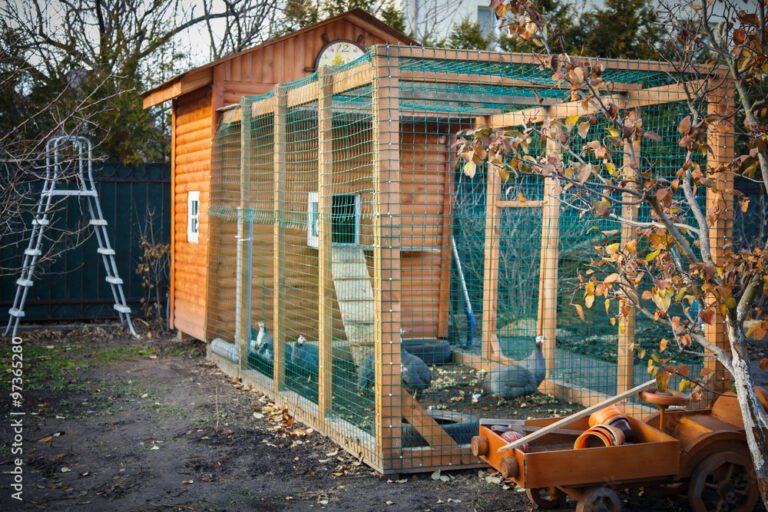
Different materials have different costs. Chain link is expensive but durable. Chicken wire is cheaper but less secure. Bamboo is cheapest but requires frequent replacement.
I’ll explain each material’s cost in detail below. Each has advantages and disadvantages based on your budget and security needs.
Labor Costs
Installation labor varies widely. In Oyi, skilled fencing installers charge ₦3,000 to ₦5,000 per day. A standard 100-bird pen takes 2-3 days to fence completely.
Some farmers do it themselves to save money. I did this for my first two pens. It took me five days instead of three. I made mistakes that cost ₦12,000 in wasted materials.
Hiring professionals often saves money in the long run. They work faster and make fewer errors.
Types of Poultry Fencing Materials and Their Costs
Wire Mesh (Chicken Wire)
Wire mesh is the most common poultry fencing in Nigeria. It comes in different gauges and hole sizes.
Standard chicken wire specifications:
- Gauge: 20-22 (thinner wire)
- Hole size: 1 inch to 2 inches
- Width: 3 feet to 6 feet
- Length: 50 feet per roll
As of March 2025, prices in Onitsha Main Market are:
Wire Mesh Price Table
| Wire Type | Gauge | Roll Size | Price Range |
|---|---|---|---|
| Standard Chicken Wire | 20 | 3ft x 50ft | ₦8,500 – ₦12,000 |
| Heavy Duty Chicken Wire | 18 | 4ft x 50ft | ₦15,000 – ₦18,500 |
| Galvanized Wire Mesh | 20 | 4ft x 50ft | ₦13,000 – ₦16,000 |
| Welded Wire Mesh | 18 | 6ft x 50ft | ₦28,000 – ₦35,000 |
For a 100-bird pen (20-meter perimeter, 6-foot height), you need about 2 rolls of standard wire. That’s ₦17,000 to ₦24,000 just for wire.
I use 18-gauge wire now. It costs more initially but lasts 5-7 years. My first pen used 20-gauge wire. It rusted through in 3 years.
Chinonso, a farmer I trained in Nteje, said: “I spent ₦10,000 on thin wire first. It broke after two years. I spent ₦16,000 on better wire the second time. That one is still strong after four years.”
Chain Link Fencing
Chain link fencing is heavy-duty and secure. It’s more expensive but extremely durable.
Current market prices in Anambra:
- 6ft x 50ft roll: ₦45,000 – ₦65,000
- Metal poles (per piece): ₦2,500 – ₦4,000
- Gate frame: ₦8,000 – ₦12,000
How much does poultry pen fencing cost with chain link? For a 100-bird pen, expect ₦90,000 to ₦130,000 for materials alone.
I recommend chain link for farms in high-theft areas. My cousin in Awka uses it. He’s had zero security incidents in five years.
The disadvantage is cost. Many small-scale farmers can’t afford it initially. But if you’re planning 500+ birds, it’s worth considering.
Bamboo Fencing
Bamboo is the cheapest option. It’s readily available in rural areas. Many farmers in Oyi start with bamboo.
Bamboo costs:
- Fresh bamboo poles: ₦200 – ₦500 per piece (depending on size)
- Treated bamboo: ₦800 – ₦1,200 per piece
- Wire for tying: ₦2,000 – ₦3,000 per bundle
For a 100-bird pen, you need about 40-50 bamboo pieces. Total cost: ₦15,000 to ₦25,000.
But bamboo has serious problems. It rots quickly in rain. Termites attack it. It needs replacement every 1-2 years.
Ngozi, a farmer from Ogbunike, told me: “I used bamboo to save money. After one rainy season, half my fence collapsed. I spent more money replacing it than if I’d bought wire mesh first.”
I don’t recommend bamboo unless you’re testing the business. Use it temporarily while you save for proper materials.
Wood and Wire Combination
This is my preferred method for most small farms. You use wooden poles as supports with wire mesh in between.
Materials needed:
- Wooden poles (treated): ₦1,500 – ₦2,500 each
- Wire mesh: (prices above)
- Nails and staples: ₦3,000 – ₦5,000
- Cement for pole foundations: ₦2,500 per bag
For a 100-bird pen:
- 8-10 wooden poles: ₦18,000
- 2 rolls wire mesh: ₦20,000
- Cement (2 bags): ₦5,000
- Nails and staples: ₦4,000
- Total: ₦47,000
This combination is strong and affordable. The wooden poles last 5-6 years if treated properly. I treat mine with old engine oil. This prevents termite damage.
Metal Poles and Wire Mesh
Metal poles are more durable than wood. They don’t rot or attract termites. But they cost more initially.
Current prices:
- 2-inch diameter metal poles: ₦3,500 – ₦5,000 per piece
- Pole caps: ₦300 each
- Welding services: ₦15,000 – ₦25,000 for full pen
For a 100-bird pen with metal poles:
- 8-10 metal poles: ₦40,000
- Wire mesh: ₦20,000
- Welding: ₦18,000
- Total: ₦78,000
Metal poles last 10+ years. They’re my recommendation if you can afford the initial cost. I switched to metal poles in 2022. I’ve had zero fence repairs since then.
Complete Cost Breakdown for Different Farm Sizes
Let me show you real numbers based on actual farms I’ve built or consulted on.
100-Bird Capacity Pen (Budget Setup)
Pen dimensions: 4m x 6m (20-meter perimeter)
Materials:
- Wooden poles (8 pieces): ₦16,000
- Standard chicken wire (2 rolls): ₦20,000
- Cement (2 bags): ₦5,000
- Nails, staples, wire ties: ₦4,000
- Gate frame (wood): ₦6,000
- Gate wire mesh: ₦3,000
- Sand and gravel: ₦2,000
- Materials Total: ₦56,000
Labor:
- Skilled laborer (3 days): ₦12,000
- Helper (3 days): ₦6,000
- Labor Total: ₦18,000
Grand Total: ₦74,000
This is the minimum for a functional, secure pen. I’ve built five pens at this price point for new farmers.
100-Bird Capacity Pen (Premium Setup)
Using better materials for longer life:
Materials:
- Metal poles (8 pieces): ₦36,000
- Heavy-duty wire mesh (2 rolls): ₦32,000
- Cement (3 bags): ₦7,500
- Welding supplies: ₦5,000
- Metal gate frame: ₦12,000
- Gate mesh: ₦4,000
- Sand and gravel: ₦2,500
- Materials Total: ₦99,000
Labor:
- Skilled welder/installer (3 days): ₦15,000
- Helper (3 days): ₦6,000
- Labor Total: ₦21,000
Grand Total: ₦120,000
This setup lasts much longer. My own farm uses this standard. I haven’t replaced any fence in three years.
500-Bird Capacity Pen
Pen dimensions: 10m x 15m (50-meter perimeter)
Materials (metal poles and heavy wire):
- Metal poles (16 pieces): ₦72,000
- Heavy-duty wire mesh (6 rolls): ₦96,000
- Cement (6 bags): ₦15,000
- Welding: ₦8,000
- Two gate frames: ₦24,000
- Gate mesh: ₦8,000
- Sand and gravel: ₦5,000
- Materials Total: ₦228,000
Labor:
- Skilled installers (5 days, 2 people): ₦50,000
- Labor Total: ₦50,000
Grand Total: ₦278,000
How much does poultry pen fencing cost for commercial operations? Expect ₦250,000 to ₦350,000 for 500 birds, depending on material quality.
1,000-Bird Capacity Pen
Pen dimensions: 15m x 20m (70-meter perimeter)
Materials (premium setup):
- Metal poles (24 pieces): ₦108,000
- Chain link or heavy mesh (8 rolls): ₦180,000
- Cement (10 bags): ₦25,000
- Professional welding: ₦30,000
- Gate systems (3 gates): ₦45,000
- Foundation materials: ₦12,000
- Materials Total: ₦400,000
Labor:
- Professional team (7 days): ₦70,000
- Labor Total: ₦70,000
Grand Total: ₦470,000
I consulted on a 1,000-bird farm in Abagana last year. The farmer spent ₦485,000 total. He included extra security features like barbed wire on top.
Hidden Costs You Must Plan For
Foundation and Ground Preparation
Many farmers forget about ground work. You need to dig holes for poles. This requires laborers or a digging team.
Ground preparation costs:
- Manual digging (per hole): ₦500 – ₦800
- 8 holes for small pen: ₦5,000
- Ground leveling: ₦8,000 – ₦12,000
I learned this the hard way. My first pen had uneven ground. The fence had gaps at the bottom. A snake entered and killed three chicks.
Roofing Integration
Your fence must connect properly to your roof. This often requires additional materials and labor. Budget an extra ₦10,000 to ₦15,000 for roof-fence integration.
Pest Barriers
In Anambra, rats are a major problem. I install wire mesh underground at fence bases. This stops rats from digging under.
Underground barrier costs:
- Extra wire mesh: ₦8,000 – ₦12,000
- Digging and installation: ₦5,000
This saved my farm last year. My neighbor didn’t install underground mesh. Rats dug under his fence and ate 2kg of feed daily.
Security Additions
Depending on your location, you might need extra security:
- Padlocks and chains: ₦3,000 – ₦5,000
- Motion sensor lights: ₦8,000 – ₦15,000 (solar-powered)
- Barbed wire topping: ₦6,000 – ₦10,000
I added motion lights after a theft attempt in 2023. It cost ₦12,000 but gives peace of mind.
Maintenance Reserve
Set aside 10-15% of your fencing cost for maintenance. Wire mesh tears. Poles weaken. Gates need repairs.
I budget ₦10,000 yearly for fence maintenance on my 500-bird farm. This covers small repairs before they become big problems.
Money-Saving Tips from 8 Years of Experience
Buy During Dry Season
Material prices drop in dry season. Fewer construction projects mean lower demand. I saved ₦15,000 buying materials in January 2024 versus July 2024.
Buy in Bulk from Manufacturers
I know a wire mesh manufacturer in Nnewi. Buying directly from him saves 20-30% compared to retail markets. He supplies to me and five other farmers I trained.
For group orders of 10+ rolls, we get additional discounts. Last year, six of us ordered together. We each saved ₦8,000.
Use Treated Local Wood
Instead of expensive imported wood, use local hardwood treated properly. Iroko and mahogany resist termites naturally.
I buy from local sawmills in Nkpor. Treated local poles cost ₦1,200 versus ₦2,500 for treated imported wood.
Do Simple Tasks Yourself
You can dig holes yourself. You can paint or treat poles. You can help with wire installation. This reduces labor costs significantly.
When I built my third pen, I did all digging and treatment myself. I saved ₦12,000 in labor costs. It took extra time but was worth it.
Start Small, Expand Later
Don’t fence your entire planned area at once. Start with 100-200 birds. As you earn money, expand your fencing.
Emeka, a farmer I trained in Ogbaru, said: “I wanted 500 birds immediately. I couldn’t afford proper fencing for that size. I started with 150 birds instead. After six months, I used my profits to expand.”
Reuse and Recycle Smartly
Old fencing materials can be reused. When I upgraded to metal poles, I used my old wooden poles for compost bin frames. I sold some to other farmers at 50% original cost.
Wire mesh from repairs can be used for small projects. I use old mesh pieces for chick separation boxes.
Common Fencing Mistakes I’ve Witnessed

Using Too-Thin Wire
This is the biggest mistake. New farmers buy the cheapest wire to save money. It breaks within months.
I’ve seen this happen 20+ times in my training sessions. One farmer lost 40 birds when thin wire broke and dogs entered.
Always use minimum 18-gauge wire for external fencing.
Inadequate Pole Spacing
Poles should be maximum 2 meters apart. Some farmers space them 3-4 meters to save money. The wire sags and creates entry points for predators.
I helped fix this problem for a farmer in Awkuzu. We added four additional poles. It cost ₦8,000 but secured his pen properly.
Ignoring Ground-Level Security
Many farmers fence only above ground. They forget animals dig. Rats, dogs, and even chickens scratch holes under fences.
Bury wire mesh 6-8 inches underground. Extend it outward 6 inches. This creates a barrier against digging.
Poor Gate Installation
Gates are the weakest point in any fence. Farmers use flimsy gates to save money. This is where most security breaches happen.
Invest in a strong gate. Use heavy-duty hinges. Install a good lock. My gates cost ₦12,000 each, but I’ve never had a break-in.
Skipping Corners Reinforcement
Corners bear the most stress. Wire pulls in two directions. Corners need extra support.
Use double poles at corners. Add diagonal bracing. This prevents corner collapse, which I’ve seen on poorly constructed pens.
Not Planning for Expansion
Farmers build fences without considering future expansion. When they want to grow, they must rebuild expensive sections.
I always leave one side with removable sections. When I expanded from 200 to 500 birds, I only spent ₦40,000 on fencing instead of starting over.
Regional Price Variations Across Nigeria
Prices vary significantly by region. Here’s what I’ve learned from training farmers nationwide and consulting with the National Agricultural Extension and Research Liaison Services (NAERLS) network.
Southeast (Anambra, Enugu, Ebonyi, Abia, Imo)
Materials are moderately priced. Onitsha Main Market supplies the region. Transportation is relatively easy.
Average cost for 100-bird pen: ₦70,000 – ₦95,000
Southwest (Lagos, Ibadan, Abeokuta)
Prices are highest here. Urban demand drives costs up. However, more supplier options exist.
Average cost for 100-bird pen: ₦90,000 – ₦120,000
According to Lagos State Agricultural Development Authority data, urban poultry fencing costs 25-30% more than rural areas.
North Central (Abuja, Nasarawa, Plateau)
Prices vary widely. Abuja has high costs due to urban factors. Rural areas have more affordable options.
Average cost for 100-bird pen: ₦75,000 – ₦100,000
North (Kano, Kaduna, Katsina)
Generally lower material costs. However, transportation from southern manufacturers adds expenses.
Average cost for 100-bird pen: ₦65,000 – ₦85,000
South-South (Rivers, Delta, Bayelsa)
Waterlogged areas require special considerations. Posts need concrete foundations to prevent sinking.
Average cost for 100-bird pen: ₦80,000 – ₦110,000 (including foundation work)
Financing Your Poultry Fencing Project
Government Programs
The National Agricultural Land Development Authority (NALDA) offers support for poultry farmers. They provide subsidized materials in some states.
In 2023, NALDA supported 5,000 poultry farmers nationwide with 30% material subsidies. Check with your state agricultural office for current programs.
The Central Bank of Nigeria’s Anchor Borrowers Programme includes poultry farming. Interest rates are 5-9%, much lower than commercial banks.
I helped three farmers access this program. They got ₦500,000 each at 7% interest. This covered their complete fencing and startup costs.
Cooperative Societies
Join local poultry farming cooperatives. They negotiate bulk material prices and offer member loans.
I’m a member of Anambra State Poultry Farmers Association. Last year, our cooperative negotiated 20% discounts with suppliers. We also have a revolving loan scheme at 2% monthly interest.
Bank Loans
Commercial agricultural loans exist but have high interest (18-25%). Only consider this if you have a solid business plan.
Bank of Agriculture offers better rates (10-13%) specifically for farmers. You need:
- Viable farm plan
- Collateral or guarantor
- Proof of farming experience or training
Personal Savings and Phased Development
This is what I recommend most. Save money gradually. Build your pen in phases.
Phase 1: Start with basic wooden poles and standard wire (₦60,000) Phase 2: After 6 months, upgrade to metal poles (₦35,000) Phase 3: Add security features and expand (₦40,000)
This spreads costs over 12-18 months. You use farm profits to fund improvements.
Maintaining Your Poultry Fence for Longevity
Regular Inspections
Walk around your fence weekly. Look for:
- Rust spots on wire
- Loose wires
- Damaged poles
- Holes or gaps
- Vegetation touching fence
I do this every Sunday morning. It takes 15 minutes. I’ve caught small problems before they became expensive repairs.
Rust Prevention
Wire mesh rusts, especially in rainy seasons. Apply used engine oil or anti-rust paint annually.
I coat my wire with used oil every October before heavy rains. This costs about ₦2,000 yearly and extends wire life by 2-3 years.
Vegetation Control
Keep grass and plants away from fences. They hold moisture against wire, causing rust. They also provide hiding spots for snakes and rats.
Clear a 1-meter zone around all fences. I do this monthly during rainy season, every two months in dry season.
Immediate Repairs
Fix problems immediately when you spot them. A small tear becomes a big hole if ignored.
I keep spare wire mesh and tools ready. Small repairs cost ₦1,000-₦2,000. Waiting until major damage occurs costs ₦15,000-₦25,000.
Pole Treatment
Wooden poles need annual treatment. I use old engine oil mixed with kerosene (3:1 ratio). This prevents termites and rot.
Cost: ₦3,000 yearly for treatment materials. This is much cheaper than replacing rotten poles (₦20,000+).
Gate Maintenance
Gates get heavy use. Hinges loosen. Locks wear out. Check hinges monthly. Oil them every three months.
Replace worn locks immediately. A broken lock invites theft. I replace locks every 18-24 months, costing ₦2,500 each time.
Environmental and Safety Considerations
Proper Disposal of Old Materials
When replacing fencing, dispose of materials responsibly. Old wire can injure animals and people if left around.
I collect old wire and sell it as scrap metal. This recovers ₦2,000-₦5,000 depending on quantity. It’s better than leaving hazards around your farm.
Safe Installation Practices
Wear gloves when handling wire mesh. The edges are sharp. I’ve cut my hands several times when I was careless.
Use proper tools for cutting and installation. Don’t force materials. This prevents injuries and ensures proper installation.
When digging holes for poles, watch for buried utilities or pipes. In urban areas, this is especially important.
Lightning Protection
Tall metal fences can attract lightning. If you’re in a high-lightning area, consider grounding systems.
I consulted an electrician for my farm. He installed basic grounding for ₦15,000. This protects both fence and buildings.
Fire Safety
Keep flammable materials away from fences. Dry grass near fences is dangerous, especially in dry season.
I maintain clear zones. I also keep fire extinguishers accessible. My local fire service recommends minimum 2kg extinguishers for farms.
Safety Disclaimer: Electricity and construction work can be dangerous. If you’re installing electrical components or doing major construction, consult qualified professionals. This ensures safety and code compliance.
How to Find Reliable Suppliers and Contractors
Sourcing Materials
Reliable markets in Anambra:
- Onitsha Main Market (Building Materials Section)
- Nnewi Industrial Market
- Awka Construction Materials Market
I buy from three trusted suppliers I’ve worked with for years. They offer credit terms and quality guarantees.
Ask for:
- Material specifications in writing
- Warranty periods (if any)
- Return policies for defective materials
Finding Good Installers
Word-of-mouth is best. Ask other farmers for recommendations. Visit their farms to see completed work.
Check that contractors:
- Have previous poultry fencing experience
- Can provide references
- Offer reasonable timelines
- Provide written quotations
I now train some of my workshop students in fencing installation. They charge fair prices and understand poultry requirements.
Negotiating Prices
Don’t accept first quotes. Negotiate respectfully. Bulk orders get better prices. Group buying with other farmers helps.
I got 15% discount last year by ordering materials for three farms simultaneously. Suppliers appreciate bulk orders.
Payment Terms
Never pay full amount upfront. Standard terms:
- 30% deposit for material purchase
- 40% when materials are delivered
- 30% upon completion
This protects you if work isn’t completed properly. I learned this after a contractor abandoned a job mid-way in 2021.
Success Stories and Real Results

Case Study 1: From 50 to 300 Birds
Chidinma started farming in Umuleri with 50 birds. She used bamboo fencing initially (₦18,000 total cost). After six months, profits were ₦85,000.
She reinvested in proper wooden pole and wire mesh fencing (₦65,000). This secured her expansion to 150 birds.
After one year, she upgraded to metal poles and expanded to 300 birds. Total fencing investment: ₦180,000 over 18 months.
Chidinma told me: “Starting small let me test the business. I used my profits for better fencing. Now I have zero predator losses. My fence is so strong, I’ll use it for 10 years.”
Case Study 2: Cooperative Bulk Buying
Seven farmers in Nkpor formed a buying group after my workshop. They needed fencing for farms ranging from 100 to 400 birds.
Together, they ordered:
- 40 metal poles
- 25 rolls of wire mesh
- 15 bags cement
Bulk ordering saved them ₦72,000 total (₦10,000+ per person). The supplier delivered to a central location, saving transport costs.
Case Study 3: DIY Success
Obinna attended my workshop in 2022. He had a tight budget of ₦45,000 for fencing a 100-bird pen.
He did all labor himself:
- Dug holes over two weekends
- Treated wooden poles with engine oil
- Installed wire mesh with my guidance
Total spent: ₦48,000 (₦3,000 over budget but ₦20,000 less than hiring contractors)
His fence is still strong today. He’s expanded twice using the same DIY approach.
Frequently Asked Questions About Poultry Pen Fencing Costs
How much does poultry pen fencing cost for a beginner with 100 birds?
For 100 birds, expect to spend ₦55,000 to ₦90,000 for complete fencing. This includes materials and labor. Budget fencing with wooden poles and standard wire costs ₦55,000-₦65,000. Premium setups with metal poles cost ₦80,000-₦90,000.
The exact cost depends on your location and material quality choices. I recommend starting with mid-range materials (₦70,000-₦75,000) for the best balance of cost and durability.
What is the cheapest poultry fencing material in Nigeria?
Bamboo is the cheapest option at ₦15,000-₦25,000 for a 100-bird pen. However, bamboo only lasts 1-2 years. It rots quickly and attracts termites.
Standard wooden poles with chicken wire is the cheapest durable option at ₦55,000-₦65,000. This lasts 4-5 years with proper maintenance. I don’t recommend bamboo unless you’re testing the business very short-term.
How long does poultry fencing last in Nigeria?
Durability depends on material quality and maintenance:
- Bamboo: 1-2 years
- Wooden poles with standard wire: 4-5 years
- Wooden poles with heavy wire: 5-7 years
- Metal poles with heavy wire: 8-12 years
- Chain link fencing: 10-15 years
With annual maintenance (treating, rust prevention, repairs), you can add 2-3 years to these estimates. My metal pole fencing is three years old with zero major repairs needed.
Can I install poultry fencing myself to save money?
Yes, but have realistic expectations. DIY installation saves ₦15,000-₦25,000 in labor costs. However, it takes 2-3 times longer than professional installation.
You need basic tools: wire cutters, hammer, measuring tape, level, digging tools. These cost ₦8,000-₦12,000 if you don’t own them.
I recommend DIY if you have construction experience and time. Otherwise, hire professionals. Poor installation leads to security problems that cost more to fix later.
Where can I buy affordable poultry fencing materials in Nigeria?
Major markets offering competitive prices:
- Onitsha Main Market (Anambra)
- Nnewi Industrial Market (Anambra)
- Alaba International Market (Lagos)
- Ariaria Market (Aba, Abia)
- Kano Building Materials Market (Kano)
Buying directly from manufacturers saves 15-25%. I know manufacturers in Nnewi who supply at wholesale prices. Join local farmer cooperatives for group buying discounts.
Online platforms like Jiji and Konga also sell materials, but verify quality before paying. I prefer seeing materials physically before purchase.
How much does poultry pen fencing cost per meter in Nigeria?
Material costs per meter (average quality):
- Chicken wire with wooden poles: ₦2,500-₦3,200 per meter
- Heavy wire with wooden poles: ₦3,000-₦3,800 per meter
- Wire with metal poles: ₦3,800-₦4,500 per meter
- Chain link with metal poles: ₦5,500-₦7,000 per meter
These prices include materials only. Add ₦800-₦1,200 per meter for professional installation labor.
What height should poultry pen fencing be in Nigeria?
Standard fence height is 6 feet (1.8 meters). This prevents chickens from flying out and keeps most predators out.
For layers (which fly higher), consider 7-foot fencing. For broilers (which don’t fly much), 5-foot fencing is sufficient.
I use 6-foot fencing for all my pens. It’s the best all-purpose height. Materials come in 3-foot and 6-foot widths, making 6 feet economical and practical.
Do I need government permits for poultry fencing in Nigeria?
Most small-scale farms (under 1,000 birds) don’t need special permits just for fencing. However, you should:
- Register your business with CAC (Corporate Affairs Commission)
- Register with your state agricultural ministry for disease monitoring
- Comply with local zoning regulations
For commercial farms (1,000+ birds), check with your Local Government Authority. Some areas require environmental impact assessments for large farms.
I registered my farm with Anambra State Ministry of Agriculture and Rural Development. The process was free and helped me access government programs. Visit your state agricultural office for specific requirements in your area.
Final Thoughts from My Experience
How much does poultry pen fencing cost in Nigeria? As I’ve shown, it ranges from ₦55,000 to ₦470,000 depending on size, materials, and quality level.
For most beginners, I recommend budgeting ₦70,000-₦85,000 for a proper 100-bird pen. This gives you good quality without overspending on your first pen.
Start with what you can afford. Build smart. Maintain well. Upgrade gradually. This approach has worked for me and 150+ farmers I’ve trained.
Don’t let fencing costs discourage you from starting. Every successful poultry farmer in Nigeria started small. We all faced the same cost concerns. The key is starting right with proper planning.
Chukwudi, one of my earliest students from 2018, now says: “I was scared of the ₦75,000 fencing cost. I almost quit before starting. Now I’m grateful I invested properly. My fence protected my birds through five successful batches. I’ve earned over ₦800,000 profit. That ₦75,000 was the best money I ever spent.”
Your fencing investment protects your business. It secures your investment in birds, feed, and equipment. It’s not optional—it’s essential.
I’m always learning new approaches. Material prices change. New products enter the market. But the principles remain: start smart, build secure, maintain regularly, and grow gradually.
If you’re in Anambra State and want hands-on guidance, contact your local agricultural extension office. They can connect you with training programs like the ones I conduct.
Remember, poultry farming is a journey. Your first fence doesn’t need to be perfect. It needs to be functional and secure. You’ll improve and expand over time.
Start today. Plan carefully. Build wisely. Your chickens—and your profits—will thank you.
About the Author: Pius Emeka is a poultry farmer and trainer based in Oyi Local Government Area, Anambra State, Nigeria. With eight years of practical farming experience, he has trained over 150 farmers across Southeast Nigeria. His farm specializes in layers and broilers, currently managing 500+ birds across multiple pens.
References:
- National Agricultural Extension and Research Liaison Services (NAERLS) – Agricultural Performance Reports and Extension Guidelines: https://naerls.gov.ng
- National Agricultural Land Development Authority (NALDA) – Farmer Support Programs and Agricultural Development Initiatives: https://nalda.gov.ng
- Central Bank of Nigeria – Anchor Borrowers’ Programme and Agricultural Financing