How to Setup Day Old Chicks Brooding in Nigeria: A Practical Guide from 8 Years of Experience
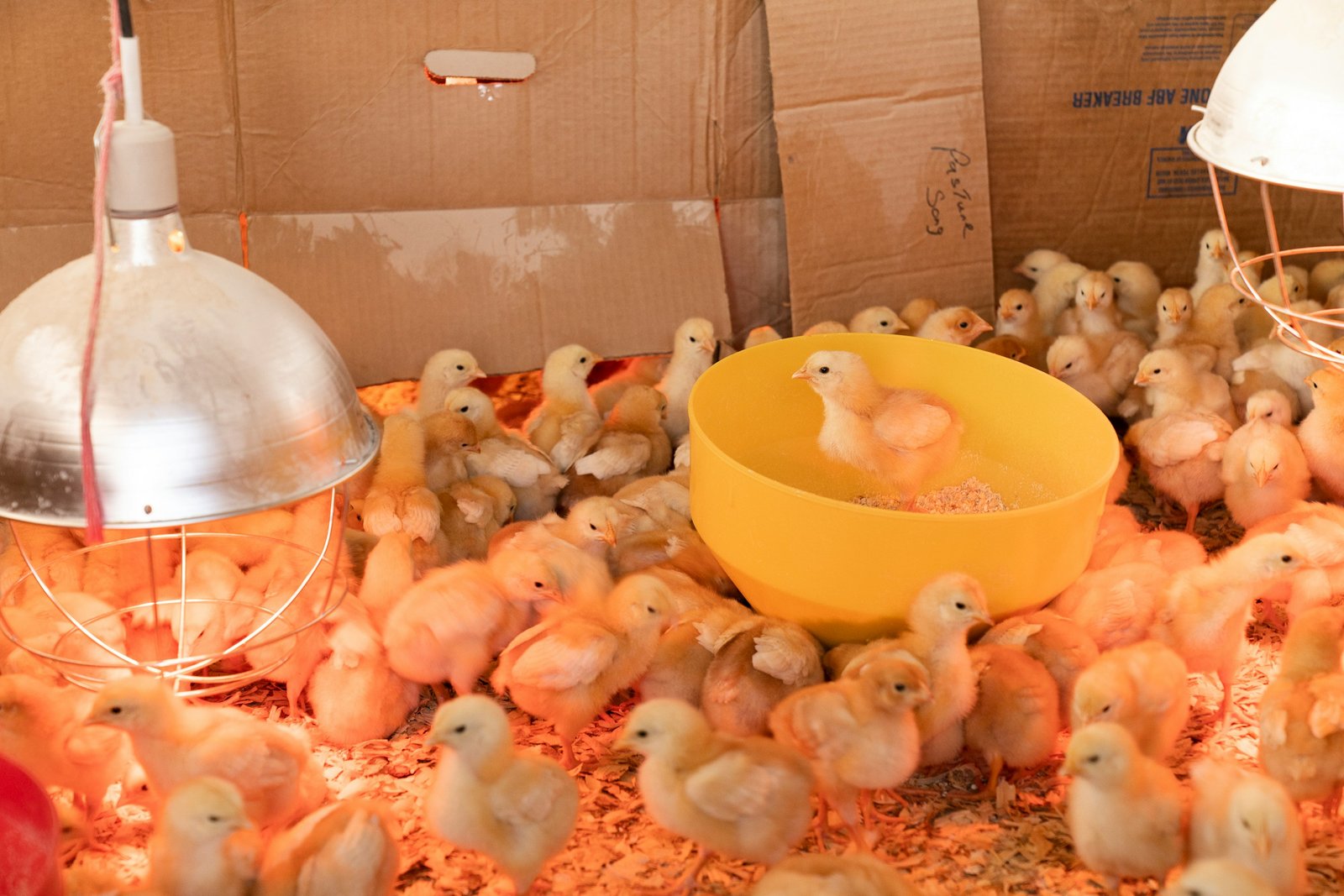
My name is Pius Emeka, and I’ve been raising chickens in Oyi Local Government Area, Anambra State for eight solid years.
I’ve seen farmers lose entire flocks because they didn’t understand proper brooding.
I’ve also watched small-scale farmers build profitable businesses by mastering how to setup day old chicks brooding in Nigeria correctly.
Let me share what works and what kills chicks in our Nigerian climate.
Why Proper Brooding Matters in Nigeria
Last month, my neighbor Chidi bought 100 day-old chicks. Within five days, he lost 30 birds. The problem? He thought our warm Nigerian weather meant chicks didn’t need extra heat.
Wrong.
Research shows that average mortality in Nigerian small-scale farms can reach 11.4% when proper brooding isn’t followed. That’s 11 dead chicks out of every 100 you buy.
How to setup day old chicks brooding in Nigeria starts with understanding one simple truth: day-old chicks cannot regulate their body temperature for the first 4-6 weeks of life.
The Brooding Setup That Actually Works
After training over 200 farmers in Anambra State, I’ve learned what works in our conditions. Here’s my proven system:
Essential Equipment for Day Old Chick Brooding
Heat Source Options:
- Kerosene lamp (most affordable)
- Gas brooder (more reliable)
- Electric bulb (if you have stable power)
- Charcoal stove (backup option)
Space Requirements:
- 1 square foot per chick for first week
- Expand space every 2-3 days
- Full house access by week 3
Basic Materials:
- Old newspapers for floor covering
- Round feeding trays (not rectangular)
- Small water containers
- Wire mesh or bamboo fencing
- Thermometer (crucial!)
Week-by-Week Temperature Guide
| Week | Temperature (°F) | Temperature (°C) | What to Watch |
|---|---|---|---|
| 1 | 95°F | 35°C | Chicks huddle under heat |
| 2 | 90°F | 32°C | More active, less crowding |
| 3 | 85°F | 29°C | Start exploring more |
| 4 | 80°F | 27°C | Feathers developing |
| 5-6 | 75°F | 24°C | Ready for normal temp |
This temperature system has saved me thousands of naira in lost birds.
Setting Up Your Brooding Area: Step by Step
Step 1: Choose Your Brooding Space
In 2019, I helped Mrs. Ngozi set up her first brooding area. She wanted to use her kitchen corner. Bad idea.
Good locations:
- Spare room with windows
- Corner of your parlor
- Protected outdoor area
- Purpose-built brooding house
Avoid these places:
- Kitchen areas
- Near generators or loud noise
- Direct sunlight spots
- Areas with drafts
Step 2: Prepare the Floor
Day-old chicks slip on smooth surfaces. I learned this the hard way when I lost 15 chicks in my second year.
Floor preparation:
- Clean the area thoroughly
- Lay old newspapers (change daily)
- Sprinkle fine sand on top
- Never use smooth plastic or tiles
Step 3: Create the Brooding Circle
How to setup day old chicks brooding in Nigeria requires creating a circular brooding area. This prevents chicks from crowding in corners.
Materials for brooding circle:
- Cardboard sheets (2 feet high)
- Old zinc sheets
- Wire mesh
- Bamboo mats
Make the circle 3-4 feet in diameter for 50 chicks.
Heat Management: The Make-or-Break Factor
Temperature kills more chicks than disease in Nigeria. Ideal temperature for the first four days is 32.3-38°C, then it decreases as chicks grow older.
Reading Chick Behavior for Temperature
Too Cold:
- Chicks crowd under heat source
- Loud, distressed chirping
- Shivering movements
- Slow growth
Too Hot:
- Chicks move away from heat
- Panting with open beaks
- Lying flat on the ground
- Reduced feeding
Just Right:
- Chicks spread evenly
- Quiet, content sounds
- Active feeding and drinking
- Normal sleeping patterns
Heat Source Management
Kerosene Lamp Method:
- Position 2 feet above chicks
- Adjust height, not flame size
- Check fuel level twice daily
- Have backup lamp ready
Gas Brooder System:
- More expensive but reliable
- Better heat distribution
- Easier temperature control
- Good for larger batches
I remember Mr. Ifeanyi from Onitsha. He bought a gas brooder after losing 60 chicks with kerosene lamps. His mortality dropped to just 3%.
Feeding Setup for Day Old Chicks
First Week Feeding
Feed type: Chick starter (22-24% protein) Amount: 10-15 grams per chick daily Schedule: Feed available 24/7
Feeding equipment:
- Round chick trays (prevent crowding)
- 1 tray per 50 chicks
- Place at chick height
- Clean trays daily
Water System Setup
Water kills more chicks than starvation. Sounds crazy, but it’s true.
Water requirements:
- Clean, fresh water always available
- 1 drinker per 100 chicks
- Water level: 0.6cm below drinker top
- Change water twice daily
Common water mistakes:
- Deep containers (chicks drown)
- Dirty water vessels
- Placing water too far from heat
- Using rusty containers
Space Expansion Strategy
How to setup day old chicks brooding in Nigeria includes planning for growth. Expand the brooder area after every two days and birds should occupy 2/3 of the house by day 14.
Week 1: Tight Circle
- 1 square foot per chick
- Close to heat source
- Easy monitoring
Week 2: Expand Circle
- 1.5 square feet per chick
- Move heat source if needed
- Add more feeders
Week 3-4: Full Area Access
- 2-3 square feet per chick
- Multiple feeding stations
- Prepare for transition
Common Mistakes That Kill Chicks
Mistake 1: Overcrowding
In my third year, I tried raising 200 chicks in a space meant for 100. Lost 45 birds in two weeks.
Signs of overcrowding:
- Constant fighting over food
- Weak, stunted growth
- High mortality rate
- Poor air quality
Mistake 2: Ignoring Night Temperature
Nigerian nights can be cold, even in hot season. Chicks that seem fine during day can die from cold at night.
Night management:
- Check heat source before bed
- Have backup heating ready
- Monitor chick behavior
- Adjust heat as needed
Mistake 3: Poor Ventilation
Mama Adaora from my village sealed her brooding room completely. The chicks developed respiratory problems.
Proper ventilation:
- Allow fresh air flow
- Avoid direct drafts on chicks
- Windows at top, not side level
- Monitor air quality daily
Mistake 4: Irregular Feeding Schedule
Feeding rules:
- Fresh feed daily
- Remove old/wet feed
- Multiple feeding points
- 24/7 availability first month
Health Management During Brooding
Vaccination Schedule
Day 1: Marek’s disease (at hatchery) Day 7-10: Newcastle disease Day 14-21: Infectious bursal disease Day 28: Newcastle disease booster
Daily Health Checks
Morning inspection:
- Count live birds
- Check activity levels
- Monitor feeding behavior
- Look for sick/weak chicks
Evening checks:
- Temperature adjustment
- Water levels
- Feed availability
- General wellbeing
Warning Signs
Call a veterinarian if you see:
- Sudden increase in deaths
- Diarrhea in multiple chicks
- Respiratory distress
- Refusal to eat/drink
Cost Analysis for Brooding Setup
Initial Investment (50 chicks)
| Item | Cost (₦) | Notes |
|---|---|---|
| Brooder circle materials | 3,000 | Reusable |
| Heat source | 5,000 | Gas brooder |
| Feeders & drinkers | 2,500 | Quality matters |
| Thermometer | 1,000 | Essential |
| Bedding materials | 1,500 | Monthly cost |
| Total | 13,000 | One-time setup |
Monthly Operating Costs
Feed: ₦8,000 Fuel/gas: ₦3,000 Medications: ₦2,000 Bedding replacement: ₦1,500 Total monthly: ₦14,500
These numbers are based on current market prices in Anambra State.
Troubleshooting Common Problems
Problem: High Mortality in First Week
Causes:
- Wrong temperature
- Contaminated water
- Poor ventilation
- Stress from transport
Solutions:
- Check thermometer readings
- Replace all water daily
- Improve air flow gradually
- Minimize disturbances
Problem: Slow Growth Rate
Causes:
- Poor quality feed
- Insufficient feeding space
- Temperature fluctuations
- Disease pressure
Solutions:
- Switch to better feed brand
- Add more feeders
- Stabilize heat source
- Consult veterinarian
Problem: Feather Pecking
This behavior starts early if not managed.
Prevention:
- Adequate space per bird
- Proper nutrition
- Environmental enrichment
- Remove injured birds quickly
Transitioning from Brooding to Growing
Week 5-6 Preparation
Temperature reduction:
- Gradually reduce heat
- Monitor weather changes
- Prepare growing area
- Plan feeding changes
Feed transition:
- Switch to grower feed
- 18-20% protein content
- Gradual feed change over 3 days
- Monitor acceptance
Moving Day
Best practices:
- Move during warm afternoon
- Have backup heat ready
- Monitor closely first 48 hours
- Maintain feeding schedule
Regional Considerations for Nigerian Farmers
Northern Nigeria Challenges
Harmattan season issues:
- Extremely dry air
- Dust problems
- Temperature fluctuations
- Water management critical
Solutions:
- Extra humidity measures
- Dust-free bedding
- Better insulation
- Frequent water changes
Southern Nigeria Considerations
High humidity problems:
- Mold growth in feed
- Respiratory issues
- Heat distribution problems
- Ventilation crucial
Management tips:
- Store feed properly
- Improve air circulation
- Regular cleaning schedule
- Moisture control measures
Success Stories from My Training Programs
Case Study: Emeka’s Transformation
Emeka attended my workshop in 2022. Before training, he lost 40% of his chicks regularly.
His old method:
- Used kitchen corner
- One small kerosene lamp
- Fed once daily
- No temperature monitoring
After my training:
- Dedicated brooding room
- Proper heat management
- Multiple feeding points
- Daily temperature checks
Results: Mortality dropped to 5%, profits increased by 300%.
Case Study: Women’s Cooperative Success
I trained 15 women from Awkuzu community in 2023. They pooled resources for better equipment.
Group approach benefits:
- Shared brooding costs
- Better equipment access
- Knowledge sharing
- Reduced individual risk
Outcome: All 15 women now run profitable chicken businesses.
Seasonal Brooding Tips
Dry Season (November-March)
Challenges:
- Dusty conditions
- Water evaporation
- Cold nights
- Harmattan winds
Adaptations:
- Extra water containers
- Wind shields
- Night heating priority
- Dust control measures
Rainy Season (April-October)
Challenges:
- High humidity
- Mold problems
- Power outages
- Flooding risks
Management:
- Better ventilation
- Moisture absorbers
- Generator backup
- Elevated platforms
Advanced Brooding Techniques
Infrared Heat Lamps
More expensive but very effective for larger operations.
Advantages:
- Even heat distribution
- Adjustable height
- Long-lasting
- Professional results
Disadvantages:
- High electricity consumption
- Depends on stable power
- Initial cost high
- Requires backup system
Gas Brooding Systems
My preferred method for serious farmers.
Benefits:
- Consistent temperature
- Better fuel efficiency
- Professional appearance
- Reliable operation
Natural Brooding Methods
Some farmers use broody hens for small-scale operations.
When it works:
- Very small numbers (10-20 chicks)
- Available broody hens
- Traditional setups
- Low-cost approach
Limitations:
- Limited capacity
- Seasonal availability
- Disease transmission risk
- Lower control
Record Keeping for Brooding Success
Daily Records
Temperature logs:
- Morning readings
- Afternoon checks
- Evening adjustments
- Weather notes
Mortality tracking:
- Number of deaths
- Possible causes
- Actions taken
- Patterns observed
Feed consumption:
- Daily amounts used
- Feed quality notes
- Waste levels
- Growth response
Weekly Summaries
Performance indicators:
- Total mortality percentage
- Average daily gain
- Feed conversion ratio
- Health incidents
This data helps improve future brooding cycles.
Building Long-term Success
Networking with Other Farmers
Join local poultry associations in your state. I’m active in Anambra State Poultry Association.
Benefits:
- Shared experiences
- Group purchasing power
- Market information
- Technical support
Continuous Learning
The poultry industry changes constantly. Stay updated through:
- Agricultural extension services
- Online resources
- Training workshops
- Veterinary consultations
Scaling Up Gradually
Don’t jump from 50 to 500 chicks immediately.
Gradual expansion plan:
- Master 50-bird brooding first
- Increase to 100 birds
- Perfect your system
- Then scale up further
Environmental Impact Considerations
Waste Management
Proper disposal of brooding waste is crucial.
Best practices:
- Compost used bedding
- Never dump near water sources
- Use as fertilizer after composting
- Follow local regulations
Energy Efficiency
Reducing fuel consumption:
- Better insulation
- Efficient heat sources
- Heat conservation techniques
- Alternative energy options
Sustainable Practices
Long-term thinking:
- Renewable bedding materials
- Local feed sources
- Water conservation
- Community benefit focus
FAQ Section
How Much Space Do I Need for 100 Day-Old Chicks?
For 100 day-old chicks, start with 100 square feet (10×10 area) in the first week. This gives each chick exactly 1 square foot of space. Expand this area every 2-3 days as they grow.
By week 2, you’ll need 150 square feet. By week 4, plan for 200-300 square feet. Many farmers make the mistake of starting with too much space, which makes temperature control difficult.
What Temperature Should I Maintain for Day-Old Chicks in Nigeria?
Chicks require about 95° Fahrenheit (35°C) temperature for the first week, then reduce by 5°F each week until reaching 70°F. This is critical regardless of Nigeria’s warm climate.
I use a simple thermometer placed at chick level, not near the heat source. Watch the chicks’ behavior – if they huddle together, it’s too cold. If they move away from heat and pant, it’s too hot.
Can I Use Electricity for Brooding in Nigeria?
Yes, but have a backup plan. Nigeria’s power supply isn’t reliable enough to depend on electricity alone for brooding.
I recommend gas brooders or kerosene lamps as primary heat sources. If you use electric bulbs, always have kerosene lamps ready. Lost power during brooding can kill your entire flock in hours.
How Often Should I Feed Day-Old Chicks?
Day-old chicks need food available 24/7 for the first month. Unlike adult chickens, chicks eat small amounts frequently throughout the day and night.
Use chick starter feed with 22-24% protein. Each chick eats about 10-15 grams daily in the first week. Place multiple feeders so chicks don’t have to travel more than 2 feet to reach food.
What’s the Normal Mortality Rate for Day-Old Chicks in Nigeria?
A mortality of 1-5% may be considered normal, but anything above 5% is abnormal and requires immediate intervention. I’ve achieved 2-3% mortality rates consistently with proper brooding techniques.
If you’re losing more than 5 chicks out of every 100, check your temperature control, water quality, ventilation, and feeding setup immediately.
How Do I Know If My Chicks Are Too Cold or Too Hot?
Cold chicks crowd together under the heat source and make loud distressed sounds. They appear inactive and may develop respiratory problems.
Hot chicks spread out, stay away from the heat source, pant with open beaks, and lie flat on the ground. Both extremes are dangerous and require immediate temperature adjustment.
What Type of Water Container Is Best for Day-Old Chicks?
Use shallow containers where chicks can drink but not fall in and drown. Water level should be 0.6 cm below the top of the drinker until ten days of age.
I prefer round plastic drinkers with narrow drinking spaces. Clean and refill twice daily with fresh water. Never use deep bowls or containers taller than the chicks.
When Can I Stop Using Artificial Heat for My Chicks?
Stop artificial heating when chicks are 5-6 weeks old and fully feathered. However, monitor weather conditions carefully. During cold seasons or in air-conditioned rooms, you may need heat longer.
The key indicator is chick behavior. When they no longer seek the heat source and spread evenly throughout their space, they’re ready for normal temperature.
About the Author: Pius Emeka has been raising chickens in Oyi Local Government Area, Anambra State for 8 years. He has trained over 200 small-scale farmers and specializes in practical, low-cost poultry management techniques suitable for Nigerian conditions.
References:
- Afrimash.com – Brooding In Poultry Farming
- Agrited – Broiler Brooding in Nigeria
- Nigerian Health Blog – Reducing Chick Mortality
Disclaimer: This guide is based on practical experience and research. Always consult with local veterinarians for specific health issues. Individual results may vary based on local conditions, management practices, and chick quality.