Vitamin Supplements for Backyard Chickens: A Nigerian Farmer’s 8-Year Experience Guide

When I first started raising chickens in Oyi Local Government Area back in 2016, I lost 30 birds in three weeks.
The problem? I didn’t know anything about vitamin supplements for backyard chickens. My birds were weak, some couldn’t stand properly, and others had pale combs. That painful experience taught me everything I share with you today.
Eight years later, I’ve trained over 200 farmers across Anambra State. I’ve seen the same mistakes repeated countless times. But I’ve also witnessed incredible success stories when farmers get their vitamin supplementation right.
Why Nigerian Chickens Need More Than Just Feed
Most Nigerian poultry farmers think good feed is enough. I believed this too until reality hit me hard. Our tropical climate, local feed quality, and stress factors create unique challenges that standard feeds can’t always address.
During my second year of farming, I noticed something odd. My neighbor’s chickens from the same batch as mine were thriving while mine looked dull. When I visited his farm, I discovered he was adding something extra to their water twice a week – vitamin supplements.
The difference was remarkable:
- His birds had bright red combs
- Better feather quality
- Higher egg production rates
- Fewer sick birds overall
This opened my eyes to the critical role of vitamin supplements for backyard chickens in Nigeria.
The Nigerian Chicken Vitamin Challenge
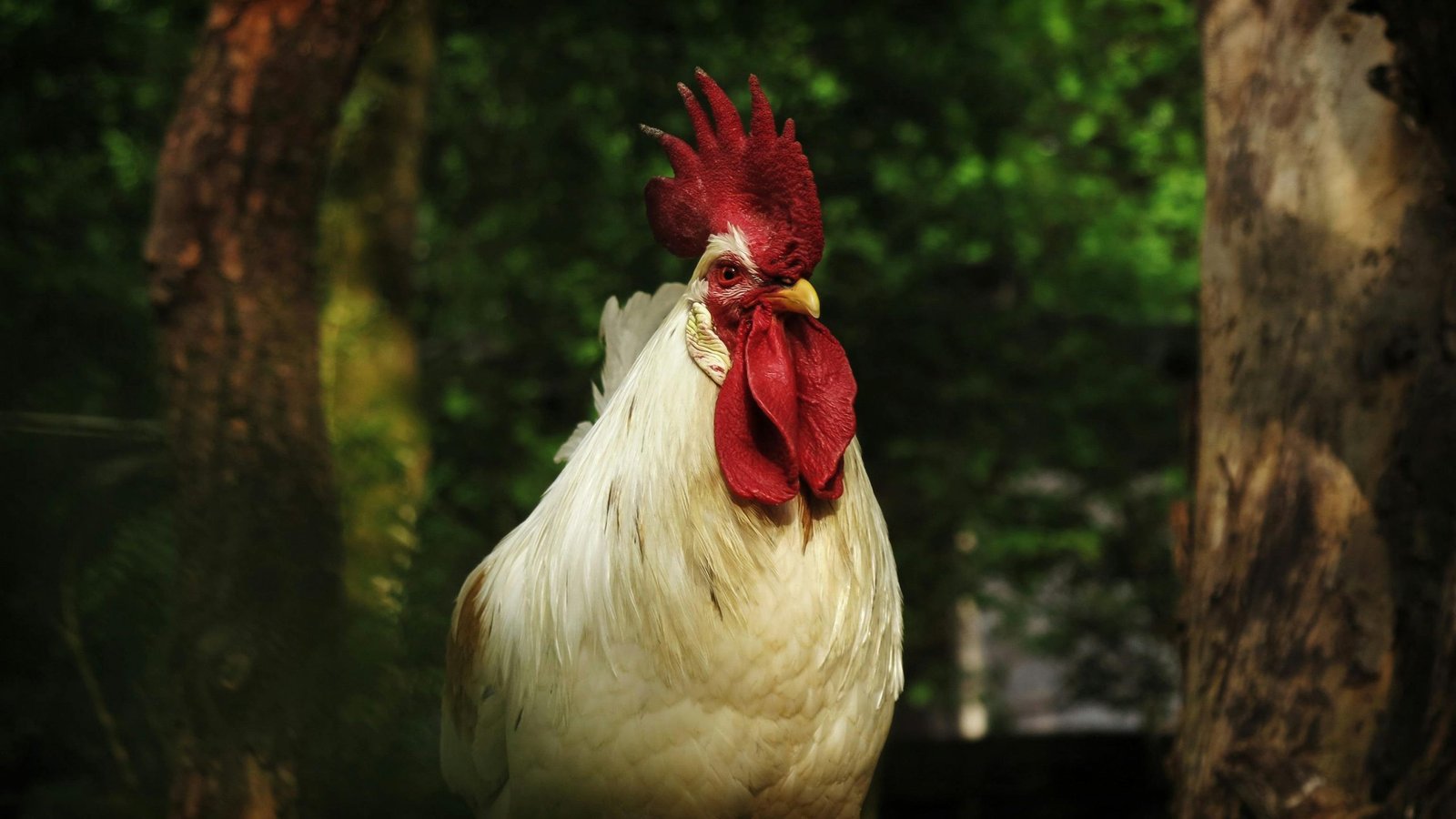
Let me share what I’ve learned from working with hundreds of farmers across Anambra State. Nigerian chickens typically scavenge for protein (insects, worms, larvae), minerals (stones, grits, shells) and vitamins (leafy greens, pepper, oil-palm nuts) during the day. However, backyard chickens often can’t get enough nutrients from scavenging alone.
During my training sessions in Awka and Onitsha, I always tell farmers about Mrs. Ngozi from Abagana. She kept 50 layers but couldn’t understand why her egg production dropped from 40 eggs daily to just 15. After I recommended vitamin supplements, her production returned to 38 eggs within four weeks.
Common Signs Your Chickens Need Vitamin Supplements
From my experience training farmers, here are the warning signs I’ve seen repeatedly:
Physical Signs:
- Pale or bluish combs
- Dull, brittle feathers
- Slow growth in young birds
- Weak legs or inability to stand
Behavioral Changes:
- Reduced appetite
- Less active scratching and foraging
- Decreased social interaction
- Poor coordination when walking
Production Issues:
- Lower egg laying rates
- Thin-shelled or soft eggs
- Poor hatchability rates
- Higher mortality in chicks
Essential Vitamins Your Nigerian Chickens Need
Poultry require all known vitamins except C, but some are more critical than others in our Nigerian climate and conditions.
Vitamin A: The Vision and Growth Vitamin
I learned about Vitamin A deficiency the hard way. During my third year, several of my birds developed swollen eyes and stopped growing properly. The veterinarian explained this was Vitamin A deficiency – common when chickens don’t get enough green vegetables.
What it does:
- Supports good eyesight
- Boosts immune system
- Promotes proper growth
- Maintains healthy respiratory system
Natural sources available in Nigeria:
- Palm oil (rich in beta-carotene)
- Pumpkin leaves
- Waterleaf
- Yellow corn
Vitamin E: The Fertility and Immunity Booster
Vitamin E deficiency in poultry manifests in three different forms: encephalomalacia, muscular dystrophy and exudative diathesis. I’ve seen all three conditions in poorly supplemented flocks across Anambra State.
Critical functions:
- Protects cell membranes
- Improves fertility rates
- Strengthens immune response
- Prevents muscle disorders
Nigerian sources:
- Palm kernel oil
- Groundnut oil
- Green leafy vegetables
- Wheat germ (when available)
B-Complex Vitamins: The Energy and Growth Group
B-complex deficiencies cause serious problems. Vitamin B1 (thiamine) deficiency clinically manifests with paralysis of limbs and muscle atrophy, beginning from the flexors of toes and ascending towards the extensors of legs, wings and the neck.
I remember training a group in Nsukka where one farmer, Mr. Okechukwu, brought a bird with twisted neck. This was classic B1 deficiency – completely preventable with proper supplementation.
Key B-vitamins for chickens:
- B1 (Thiamine) – nerve function
- B2 (Riboflavin) – energy metabolism
- B6 – protein utilization
- B12 – red blood cell formation
- Biotin – feather development
Vitamin D3: The Bone Builder
Nigeria has plenty of sunshine, but many backyard chickens don’t get adequate exposure, especially those kept in covered runs. Vitamin D3 deficiency causes rickets in young birds and weak bones in adults.
Functions:
- Calcium absorption
- Bone development
- Eggshell formation
- Immune system support
Choosing the Right Vitamin Supplements in Nigeria
After eight years and countless supplier interactions, I’ve learned what works and what doesn’t in the Nigerian market.
Commercial Vitamin Supplements Available Locally
Water-soluble vitamins are my preferred choice for most farmers. They’re easy to use and birds get consistent dosing when they drink.
Popular brands I’ve used successfully:
- Vitalyte: Good for stress periods
- Biostrong: Comprehensive vitamin mix
- Aminovit: Includes amino acids
- Multivit: Budget-friendly option
Important note: Always buy from reputable agricultural stores. I’ve seen farmers waste money on expired or fake supplements.
Dosage Guidelines Based on My Experience
Here’s what I’ve learned works best for Nigerian conditions:
| Bird Type | Water-soluble vitamins | Frequency | Duration |
|---|---|---|---|
| Day-old chicks | 1g per liter | Daily | First 2 weeks |
| Growing birds | 1g per liter | 3 times weekly | Ongoing |
| Laying hens | 2g per liter | 2-3 times weekly | Ongoing |
| Broilers | 1.5g per liter | Daily | Entire period |
| Stressed birds | 2g per liter | Daily | 3-5 days |
Safety tip: Never exceed recommended doses. I’ve seen farmers think “more is better” and actually harm their birds with over-supplementation.
Natural Vitamin Sources: The Nigerian Advantage
One major advantage we have in Nigeria is access to natural vitamin sources year-round. I always teach farmers to combine commercial supplements with natural options.
Green Vegetables and Leaves
Waterleaf (Talinum triangulare): Excellent source of vitamins A and C. I tell farmers to chop fresh waterleaf and mix it with feed 2-3 times weekly.
Pumpkin leaves: Rich in vitamin A and minerals. Available in most Nigerian markets year-round.
Moringa leaves: Called “miracle tree” for good reason. Contains multiple vitamins and minerals. Dry the leaves and grind into powder for easy use.
Oil Palm Products
Palm oil: Natural source of vitamin A and E. Add 1 tablespoon per kg of feed once weekly. Don’t overuse as it can cause soft stools.
Palm kernel cake: When properly processed, provides various nutrients including B-vitamins.
Kitchen Scraps with Vitamin Value
Egg shells: Crush and feed back for calcium and vitamin D enhancement Fish heads and bones: Good calcium and vitamin D source Vegetable peels: Carrot, pumpkin, and sweet potato peels contain vitamins A
Managing Vitamin Deficiency Diseases

Over the years, I’ve dealt with various vitamin deficiency conditions. Early recognition and proper treatment save lives and money.
Rickets in Young Birds
Symptoms I’ve observed:
- Soft, bendable beaks
- Weak leg bones
- Poor growth rates
- Difficulty standing
My treatment approach:
- Increase vitamin D3 supplementation
- Ensure adequate calcium in diet
- Provide more sunlight exposure
- Use vitamin AD3E supplements
Newcastle Disease Prevention
While Newcastle Disease is viral, proper vitamin supplementation significantly reduces mortality rates. I’ve seen this in numerous outbreaks across Oyi LGA.
Vitamins that help:
- Vitamin A for respiratory health
- Vitamin E for immune response
- B-complex for stress resistance
- Vitamin C during disease outbreaks
Cage Layer Fatigue
Cage-layer Disease occurs when chickens mobilize minerals from bone to produce egg shells, resulting in weak, brittle bones. I’ve helped many farmers prevent this condition through proper supplementation.
Prevention strategy:
- Adequate calcium supplementation
- Vitamin D3 for calcium absorption
- Phosphorus balance maintenance
- Regular access to sunlight
Cost-Effective Supplementation Strategies
Running a profitable chicken farm means managing costs wisely. Here’s how I help farmers maximize benefit while minimizing expenses.
Budget-Friendly Approaches
Rotational supplementation: Instead of daily vitamins, use them strategically during:
- First two weeks of life
- Stressful periods (weather changes, vaccination)
- Peak laying periods
- Disease outbreaks in the area
Group buying: I organize farmers in Oyi LGA to buy supplements together. This reduces individual costs significantly.
Natural alternatives: Combine commercial supplements with readily available natural sources to reduce dependency and costs.
Seasonal Considerations
Dry season (November-March):
- Increase water-soluble vitamins
- Focus on vitamin A supplementation
- Add electrolytes during hot periods
Rainy season (April-October):
- Emphasize vitamin E and selenium
- Boost B-complex for stress resistance
- Monitor for fungal toxins in feed
Storage and Handling Best Practices
Proper storage is crucial for supplement effectiveness. I’ve seen farmers waste money on degraded vitamins due to poor storage.
Storage Guidelines
Temperature control: Store in cool, dry places. Our Nigerian heat degrades vitamins quickly.
Light protection: Keep supplements in original containers or dark storage areas.
Moisture control: Use silica gel packets in storage containers during rainy season.
Expiration monitoring: Check dates regularly. Expired vitamins can be harmful rather than helpful.
Mixing and Application
Water supplements: Mix fresh daily. Don’t store mixed vitamin water overnight.
Feed mixing: Only mix the amount needed for immediate use. Pre-mixed vitamin feeds degrade quickly in our climate.
Clean water systems: Dirty drinkers reduce vitamin effectiveness and can harbor harmful bacteria.
Common Mistakes Nigerian Farmers Make
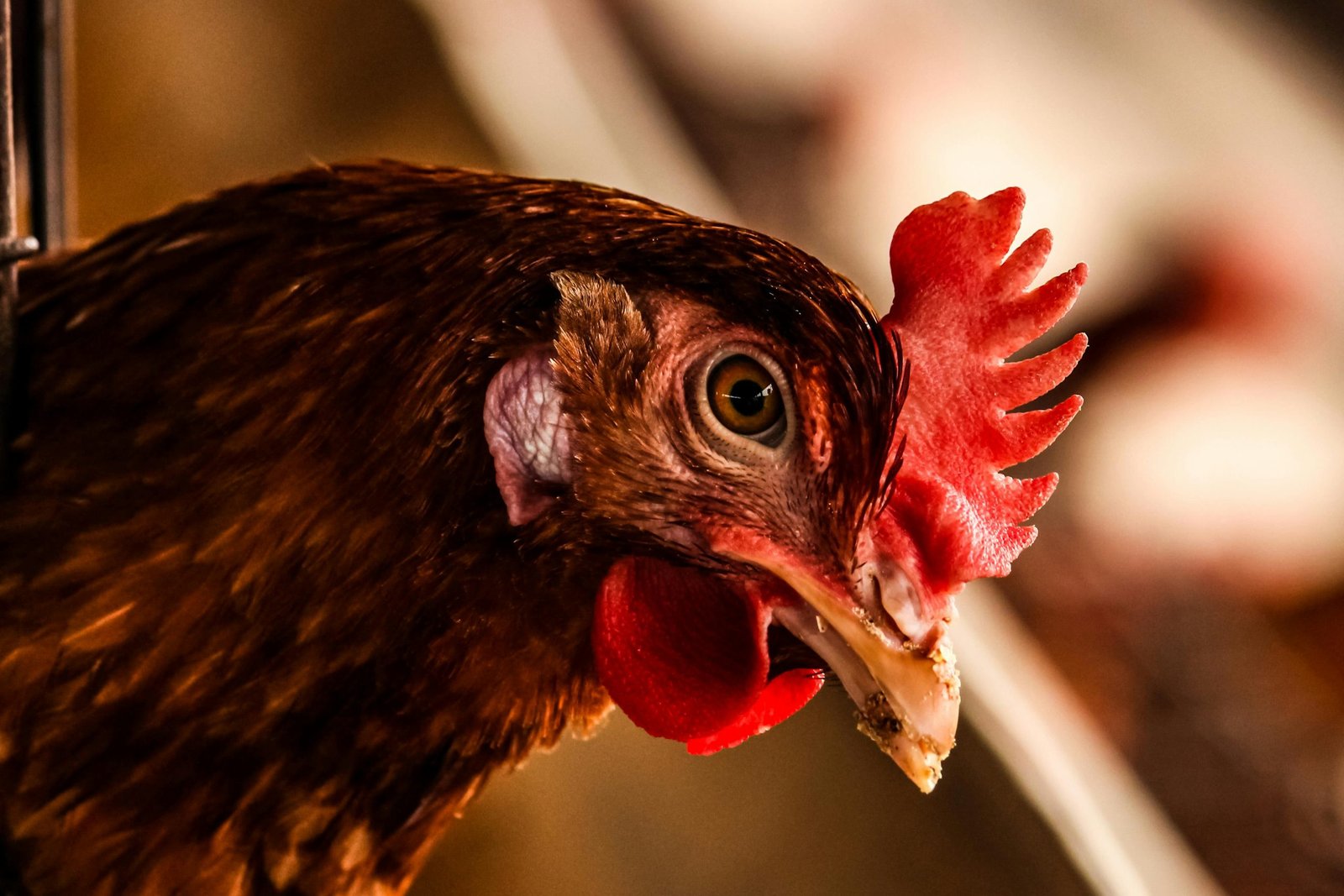
In my eight years of training and consulting, I’ve identified recurring mistakes that cost farmers money and bird lives.
Over-supplementation Problems
Mr. Emeka from Awkuzu thought giving double the recommended vitamin dose would make his birds grow faster. Instead, he caused vitamin toxicity, leading to liver problems and deaths.
Signs of over-supplementation:
- Unusual behavior changes
- Reduced feed intake
- Liver enlargement
- Increased mortality
Inconsistent Supplementation
Many farmers start vitamin programs enthusiastically but become inconsistent over time. This creates stress cycles and reduces effectiveness.
My recommendation: Create a simple weekly schedule and stick to it. Consistency beats intensity in vitamin supplementation.
Ignoring Natural Sources
Some farmers rely entirely on commercial supplements, ignoring the wealth of natural vitamin sources available in Nigeria. This increases costs unnecessarily.
Wrong Timing
Giving vitamins when birds are already severely sick often comes too late. Prevention through regular supplementation works better than crisis intervention.
Frequently Asked Questions About Vitamin Supplements
How Often Should I Give Vitamin Supplements to My Backyard Chickens?
Based on my experience training farmers across Anambra State, the frequency depends on your birds’ age and condition. For healthy adult chickens, I recommend 2-3 times weekly. During stressful periods like vaccination or extreme weather, daily supplementation for 3-5 days works better.
Young chicks need daily vitamins for their first two weeks, then reduce to 3 times weekly. I learned this from losing several chicks in my early years when I didn’t supplement frequently enough.
What Are the Signs That My Nigerian Chickens Have Vitamin Deficiency?
From my eight years of experience, the most common signs include pale combs, dull feathers, reduced egg production, and weak legs. Mrs. Adaeze from Nteje brought me a bird that couldn’t stand properly – classic B1 deficiency symptoms.
Watch for behavioral changes too. Healthy birds are active and curious. Vitamin-deficient chickens become lethargic and lose interest in foraging. Early detection prevents serious health problems and saves money on treatment costs.
Can I Use Human Vitamin Tablets for My Chickens?
Never use human vitamin tablets for chickens. The formulations are completely different, and some human vitamins contain ingredients toxic to poultry. I’ve seen farmers harm their flocks trying to save money with human supplements.
Stick to poultry-specific vitamins available at agricultural stores in Nigeria. Brands like Vitalyte and Biostrong are formulated specifically for chicken metabolism and needs. The cost difference isn’t worth the risk to your birds’ health.
Which Natural Nigerian Foods Provide Good Vitamins for Chickens?
Nigeria offers excellent natural vitamin sources year-round. Waterleaf provides vitamins A and C, while palm oil delivers vitamins A and E. Moringa leaves are exceptional – I call them “nature’s multivitamin” when training farmers.
Pumpkin leaves, available in most markets, supply vitamin A. Kitchen scraps like carrot peels and sweet potato skins also contribute vitamins. However, natural sources should supplement, not replace, commercial vitamins during critical periods like chick-rearing and peak laying.
How Much Do Vitamin Supplements Cost in Nigeria and Are They Worth It?
Quality poultry vitamins cost between ₦800-₦2,000 per 100g packet, treating 100-500 birds depending on the product. When I calculated costs for farmers in my training programs, vitamin supplementation adds about ₦2-5 per bird monthly.
The return on investment is significant. Proper supplementation can increase egg production by 15-25% and reduce mortality by up to 30%. Mr. Okechukwu from Nsukka increased his monthly profit by ₦15,000 after starting a consistent vitamin program for his 100 layers.
What’s the Best Time of Day to Give Vitamin Supplements?
Morning hours work best for water-soluble vitamins. Chickens drink more actively after dawn, ensuring better consumption. I recommend adding vitamins to fresh water at 6-7 AM.
Avoid supplementing during the hottest part of the day (12-3 PM) as birds drink less and vitamins degrade faster in heat. Evening supplementation works too, but morning remains most effective based on my observation of hundreds of flocks across Anambra State.
Can Vitamin Supplements Prevent Newcastle Disease and Other Common Poultry Diseases?
While vitamins can’t prevent viral diseases like Newcastle Disease, proper supplementation significantly strengthens immune systems and reduces severity. During the 2019 Newcastle outbreak in Oyi LGA, well-supplemented flocks had 40-60% lower mortality rates.
Vitamins A and E boost immune response, while B-complex vitamins help birds cope with disease stress. However, vaccination remains the primary prevention method for Newcastle Disease. Think of vitamins as immune system supporters, not disease preventers.
Should I Stop Regular Feed When Using Vitamin Supplements?
Never stop regular feeding when supplementing with vitamins. Supplements are additions to, not replacements for, balanced nutrition. Quality starter, grower, or layer feeds remain the foundation of chicken nutrition.
Vitamins work best when combined with adequate protein, carbohydrates, and minerals from regular feed. I’ve seen farmers reduce feed thinking vitamins alone suffice – this leads to malnutrition and poor performance. Supplements enhance nutrition; they don’t provide complete nutrition independently.
Safety Precautions and Warnings
Medical Disclaimer: This information is based on practical farming experience and should not replace professional veterinary advice. Always consult a qualified veterinarian for serious health issues.
Storage Safety: Keep all supplements away from children and other animals. Some concentrated vitamins can be harmful if consumed directly.
Application Safety: Wash hands after handling supplements. Wear gloves when mixing large quantities to avoid skin irritation.
Building a Sustainable Vitamin Program
Success in chicken farming requires consistent, practical approaches to nutrition. After eight years of trial and experience, I’ve developed this systematic approach that works for Nigerian conditions.
Creating Your Monthly Vitamin Schedule
Week 1: Water-soluble multivitamins (Monday, Wednesday, Friday) Week 2: Focus on B-complex supplements (Tuesday, Thursday, Saturday)
Week 3: Vitamin AD3E combination (Monday, Wednesday, Friday) Week 4: Natural vitamin sources emphasis + one commercial supplement
This rotation ensures comprehensive coverage while managing costs effectively.
Monitoring and Adjusting Your Program
Track key indicators monthly:
- Egg production rates
- Feed conversion ratios
- Mortality percentages
- Overall bird condition scores
Document changes and adjust supplementation based on results. What works in Oyi may need modification in other locations due to different environmental factors.
Scaling Up Your Operation
As your flock grows, maintain the same supplementation principles but consider:
- Bulk purchasing for cost savings
- Automated mixing systems for large flocks
- Professional nutritionist consultation for operations above 500 birds
- Regular health monitoring programs
Conclusion: Your Path to Healthier, More Profitable Chickens
Vitamin supplementation isn’t just about preventing diseases – it’s about maximizing your investment in poultry farming. Over eight years, I’ve seen the difference proper supplementation makes in profitability, bird welfare, and farmer confidence.
Start simple with basic water-soluble vitamins. Observe your birds’ response over 4-6 weeks. Gradually incorporate natural sources and develop a routine that fits your schedule and budget.
Remember Mrs. Ngozi’s success story I shared earlier? Today, she runs one of the most profitable small-scale layer operations in Abagana. Her secret isn’t complicated feeds or expensive medications – it’s consistent, appropriate vitamin supplementation combined with good management practices.
The knowledge I’ve shared comes from real experience with hundreds of birds and dozens of farmers across Anambra State. Every recommendation has been tested in actual farming conditions, not just theoretical studies.
Your chickens are an investment. Protect that investment with proper vitamin supplementation. The cost is minimal compared to the potential losses from preventable deficiency diseases and reduced productivity.
Start today. Your birds – and your bank account – will thank you.
For more information on poultry nutrition and management, consult these trusted sources:
Pius Emeka has trained over 200 poultry farmers across Anambra State and operates a demonstration farm in Oyi Local Government Area. He specializes in practical, low-cost solutions for backyard chicken farming in Nigeria.