Solar Powered Poultry Equipment Price Guide for Nigerian Chicken Farmers 2025

Nigerian chicken farmers face serious power challenges daily. NEPA failures destroy eggs and kill birds. Solar powered poultry equipment offers a reliable solution.
I’m Pius Emeka from Oyi Local Government, Anambra State. I’ve raised chickens for eight years. Power problems almost destroyed my farm in 2019.
This guide covers everything about solar equipment for poultry. You’ll learn prices, benefits, and installation tips. Real stories from local farmers included.
Why Solar Power Makes Sense for Nigerian Poultry Farms
Power Problems Kill Profits
NEPA supply remains unreliable across Nigeria. My neighbor lost 200 birds during a week-long blackout. Heat stress killed most of his layers.
Generator fuel costs eat profits quickly. Diesel prices jumped from ₦200 to ₦800 per liter. Most small farmers can’t afford this.
Solar Equipment Saves Money Long-Term
Initial costs seem high but savings accumulate fast. My solar incubator paid for itself within 18 months. No more fuel expenses.
Sun shines abundantly in Nigeria year-round. Southern states get 4-6 hours daily peak sunshine. Northern areas receive even more.
Essential Solar Powered Poultry Equipment Types

Solar Incubators
Automatic turning systems work perfectly with solar power. Temperature control stays consistent without grid electricity. Hatching rates improve significantly.
Most models hold 48-1000 eggs comfortably. Digital displays show temperature and humidity levels. Battery backup systems work during cloudy days.
Solar Brooders
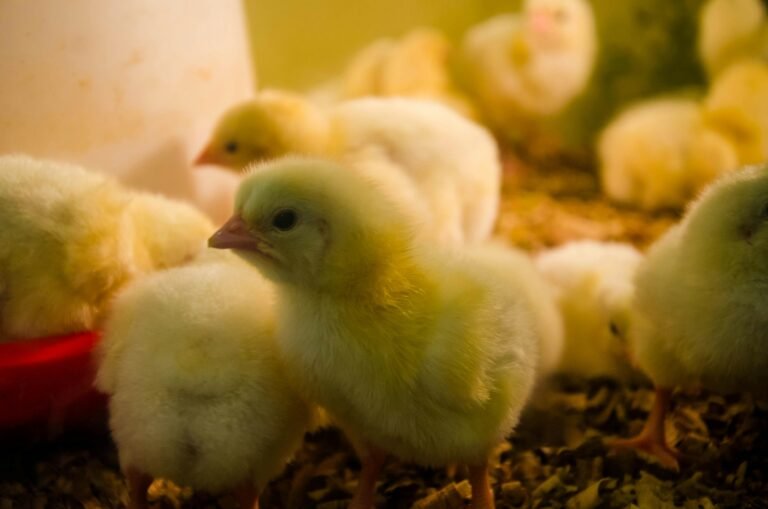
Young chicks need consistent warmth for proper growth. Solar brooders maintain ideal temperatures automatically. Heat lamps run on stored solar energy.
My first solar brooder heated 100 chicks successfully. Mortality dropped from 15% to just 3%. Healthier birds grew faster.
Solar Ventilation Fans
Proper airflow prevents disease outbreaks in poultry houses. Solar fans run continuously during daylight hours. Air circulation improves dramatically.
Hot Nigerian weather stresses birds without adequate ventilation. Solar fans reduce heat stress effectively. Egg production stays consistent.
Solar Lighting Systems
Extended lighting increases egg production naturally. 14-16 hours daily light boosts laying rates. Solar LED lights provide bright illumination.
My layers increased production by 20% with solar lighting. Evening hours extended their active feeding time. More food means more eggs.
Solar Water Pumps
Clean water access remains crucial for healthy chickens. Solar pumps deliver fresh water from boreholes. No electricity bills for water supply.
Water storage tanks fill automatically during sunny hours. Chickens always have clean drinking water available. Disease risks reduce significantly.
Current Solar Powered Poultry Equipment Prices in Nigeria
Solar Incubator Price Range
| Capacity | Basic Model Price | Premium Model Price | Features |
|---|---|---|---|
| 48 eggs | ₦85,000 – ₦120,000 | ₦150,000 – ₦200,000 | Manual/Auto turn, Digital display |
| 96 eggs | ₦140,000 – ₦180,000 | ₦220,000 – ₦280,000 | Auto turn, Humidity control |
| 200 eggs | ₦250,000 – ₦320,000 | ₦380,000 – ₦450,000 | Full automation, Backup battery |
| 500 eggs | ₦450,000 – ₦600,000 | ₦700,000 – ₦900,000 | Commercial grade, Remote monitoring |
Solar Brooder Prices
Small brooders (50-100 chicks) cost ₦65,000 to ₦95,000. Medium units (200-300 chicks) range from ₦120,000 to ₦180,000.
Large commercial brooders (500+ chicks) cost ₦220,000 to ₦350,000. Prices include solar panels and battery systems.
Solar Ventilation Fan Costs
Basic 12V fans cost ₦25,000 to ₦40,000 each. Industrial-grade fans range from ₦60,000 to ₦85,000. Multiple fans needed for large poultry houses.
Solar Lighting System Prices
LED strip lighting kits cost ₦45,000 to ₦75,000. Complete systems with timers cost ₦85,000 to ₦150,000. Covers 200-500 square meters.
Solar Water Pump Prices
Small pumps (0.5HP) cost ₦180,000 to ₦250,000. Medium pumps (1HP) range from ₦300,000 to ₦420,000. Includes solar panels and storage tanks.
Real Success Stories from Nigerian Farmers
Chidiebere’s Solar Incubator Success
Chidiebere Okafor from Enugu bought his first solar incubator in 2022. “Power problems were killing my business,” he explained.
His 200-egg solar incubator cost ₦280,000. First hatch achieved 85% success rate. Previous electric incubator managed only 60%.
“No more generator fuel expenses,” Chidiebere noted. “Solar power runs my incubator perfectly every day.”
Mary’s Solar Brooder Experience
Mary Adebayo runs a small farm in Ogun State. She invested ₦95,000 in solar brooders last year.
“My chicks grow stronger now,” Mary shared. “Consistent heat helps them develop properly.” Her mortality rates dropped significantly.
She added solar lighting later for ₦65,000. “My layers produce more eggs with extended light,” she observed.
Installation Tips for Solar Powered Poultry Equipment
Choosing the Right Location
Solar panels need direct sunlight for maximum efficiency. Avoid shaded areas near trees or buildings. South-facing installations work best.
Panel angles should match your location’s latitude. Anambra State farmers use 6-degree angles. Northern states need steeper angles.
Battery Storage Considerations
Deep-cycle batteries work best for poultry equipment. Lead-acid batteries cost less but need frequent replacement. Lithium batteries last longer.
Battery capacity determines backup power duration. Larger batteries cost more but provide longer operation. Calculate your daily power needs carefully.
Professional Installation Benefits
Qualified technicians ensure proper wiring and safety. Poor installation causes equipment damage and fire risks. Warranty coverage requires professional installation.
Local solar companies offer installation services statewide. Costs range from ₦20,000 to ₦50,000 depending on system complexity.
Common Mistakes Nigerian Farmers Make
Buying Cheap, Low-Quality Equipment
Cheap solar equipment breaks down quickly. Replacement parts become unavailable fast. False economy costs more money long-term.
I learned this lesson expensively in 2020. Cheap incubator failed during peak hatching season. Lost entire batch of fertile eggs.
Inadequate Battery Capacity
Small batteries don’t store enough power. Equipment shuts down during cloudy periods. Chickens suffer without consistent power supply.
Calculate power needs before buying batteries. Add 20% extra capacity for safety margins. Better to oversize than undersize battery banks.
Poor Maintenance Practices
Solar panels need regular cleaning for efficiency. Dust and bird droppings reduce power output. Clean panels monthly with soft cloth.
Battery terminals corrode without proper maintenance. Check connections quarterly and apply petroleum jelly. Replace corroded cables immediately.
Ignoring Weather Protection
Equipment needs protection from rain and storms. Waterproof housing prevents electrical damage. Proper grounding protects against lightning strikes.
My friend lost solar equipment during heavy rains. No weatherproofing caused complete system failure. Insurance didn’t cover water damage.
Financing Options for Solar Equipment
Bank Loans and Credit Facilities
Several Nigerian banks offer agricultural loans. Bank of Agriculture provides equipment financing. Interest rates range from 12% to 18%.
Required documentation includes farm registration and collateral. Processing takes 4-8 weeks typically. Loan terms span 2-5 years.
Government Subsidy Programs
FADAMA programs sometimes include solar equipment subsidies. Nigerian Agricultural Insurance Corporation offers equipment insurance. Check with local agricultural development programs.
Cooperative Group Purchasing
Farmer cooperatives negotiate better equipment prices. Group orders reduce individual costs significantly. Shared transportation saves money too.
Our Oyi farmers cooperative bought 10 incubators together. Each member saved ₦25,000 through bulk purchasing. Maintenance training included free.
Maintenance Requirements for Solar Equipment

Daily Maintenance Tasks
Check equipment operation every morning. Monitor battery voltage levels regularly. Clean solar panels weekly during harmattan season.
Record daily performance data carefully. Note any unusual sounds or behaviors. Early problem detection prevents expensive repairs.
Monthly Maintenance Schedule
Deep clean all equipment monthly. Check all electrical connections carefully. Tighten loose bolts and screws promptly.
Test backup battery systems thoroughly. Ensure automatic switching works properly. Replace worn components before complete failure.
Annual Professional Servicing
Professional technicians should service systems annually. They identify potential problems early. Warranty coverage often requires professional maintenance.
Service costs range from ₦15,000 to ₦30,000 yearly. Small price for protecting expensive equipment. Regular service extends equipment lifespan significantly.
Where to Buy Solar Powered Poultry Equipment in Nigeria
Reputable Equipment Suppliers
Konga and Jumia stock basic solar equipment. Local agricultural stores carry specialized items. Lagos and Abuja have largest selections.
Direct Manufacturer Purchases
Some companies manufacture equipment locally. Direct purchases eliminate middleman markup. Factory warranties provide better protection.
Online Marketplace Considerations
Verify seller credentials before purchasing online. Check customer reviews and ratings carefully. Ensure warranty support is available locally.
Avoid extremely cheap offers online. Counterfeit equipment causes serious problems. Buy from established sellers only.
Economic Benefits of Solar Powered Poultry Equipment
Fuel Cost Elimination
Generator fuel costs eliminated completely. Diesel prices continue rising steadily. Solar power provides free operation.
My monthly generator fuel bill was ₦45,000. Solar equipment eliminated this expense entirely. Annual savings exceed ₦500,000.
Increased Production Efficiency
Consistent power improves production rates. Healthier chickens lay more eggs. Better hatch rates increase profitability.
Equipment Lifespan Extension
Stable solar power protects sensitive equipment. Voltage fluctuations damage electric motors. Solar systems provide clean power.
Reduced Labor Requirements
Automated systems need less human intervention. Workers focus on other farm activities. Labor efficiency improves significantly.
Environmental Impact of Solar Farming
Carbon Footprint Reduction
Solar power produces no emissions. Generator exhaust pollutes local environment. Clean energy supports sustainable farming.
Noise Pollution Elimination
Solar systems operate silently. No generator noise disturbs neighbors. Chickens remain calmer without engine noise.
Renewable Energy Benefits
Sun provides unlimited free energy. No fossil fuel dependency. Environmentally responsible farming practice.
Future Trends in Solar Poultry Farming
Technology Improvements
Battery technology continues improving rapidly. Lithium batteries become more affordable. Solar panel efficiency increases yearly.
Smart Monitoring Systems
Remote monitoring becomes standard equipment. Smartphone apps control equipment remotely. Data logging helps optimize performance.
Integration with Modern Farming
IoT sensors monitor chicken health automatically. Artificial intelligence optimizes feeding schedules. Technology makes farming easier.
Safety Considerations and Best Practices
Electrical Safety Measures
Always disconnect power before maintenance work. Use proper safety equipment when working. Never work alone on electrical systems.
Ground all equipment properly to prevent shocks. Use circuit breakers for overload protection. Label all electrical connections clearly.
Fire Prevention Steps
Keep equipment areas clean and dry. Store batteries in well-ventilated spaces. Install fire extinguishers near electrical equipment.
Check wiring regularly for damage. Replace frayed cables immediately. Heat buildup indicates potential problems.
Weather Protection Strategies
Secure equipment before storm seasons. Waterproof all electrical connections properly. Lightning rods protect expensive equipment.
Troubleshooting Common Problems
Low Battery Performance
Check solar panel connections first. Clean dirty panels immediately. Test battery voltage regularly.
Old batteries lose capacity gradually. Replace batteries after 3-5 years. Poor performance indicates replacement needs.
Equipment Not Starting
Verify power connections are tight. Check fuse conditions carefully. Reset circuit breakers if tripped.
Low battery voltage prevents equipment startup. Charge batteries fully before operation. Replace damaged components promptly.
Inconsistent Operation
Loose connections cause intermittent problems. Corrosion affects electrical conductivity. Clean and tighten all connections.
Training and Skill Development

Basic Technical Skills
Learn basic electrical safety procedures. Understand solar system components. Practice routine maintenance tasks.
Equipment Operation Training
Read equipment manuals thoroughly. Practice normal operating procedures. Learn emergency shutdown procedures.
Local Training Opportunities
Agricultural development programs offer training. Vocational schools teach electrical skills. Online courses provide additional knowledge.
Frequently Asked Questions About Solar Powered Poultry Equipment
How Long Do Solar Batteries Last in Nigerian Conditions?
Quality deep-cycle batteries last 3-5 years typically. Hot weather reduces battery lifespan slightly. Proper maintenance extends useful life.
Lead-acid batteries cost less initially. Lithium batteries last longer overall. Choose based on your budget and needs.
What Happens During Extended Cloudy Periods?
Battery backup systems provide power during clouds. Larger battery banks extend operation time. Most equipment runs 2-3 days without sun.
Plan battery capacity for worst-case scenarios. Add extra capacity for peak demand periods. Generator backup provides ultimate security.
Can I Install Solar Equipment Myself?
Basic installations are possible for skilled farmers. Complex systems need professional installation. Electrical work requires proper training.
Warranty coverage often requires professional installation. Safety risks make professional installation worthwhile. Don’t risk expensive equipment damage.
Which Solar Equipment Should I Buy First?
Start with most critical equipment needs. Incubators provide immediate income generation. Lighting systems boost egg production.
Budget determines purchasing sequence. Buy quality equipment gradually rather than cheap alternatives. Build system capacity over time.
How Much Money Can Solar Equipment Save?
Savings depend on current generator expenses. Most farmers save ₦300,000-₦800,000 annually. Payback periods range from 2-4 years.
Higher fuel costs increase savings potential. Larger farms achieve greater absolute savings. Calculate your specific situation carefully.
Do Solar Systems Work During Harmattan Season?
Solar panels work efficiently in dry conditions. Dust reduces output slightly. Regular cleaning maintains peak performance.
Harmattan provides excellent solar conditions. Clear skies maximize power generation. Battery charging improves during this season.
What Maintenance Costs Should I Expect?
Annual maintenance costs 3-5% of equipment value. Professional servicing costs ₦15,000-₦30,000 yearly. Battery replacement represents largest expense.
Preventive maintenance reduces repair costs significantly. Regular cleaning and inspection prevent problems. Good maintenance extends equipment life.
How Do I Calculate Required Solar Capacity?
List all equipment power requirements. Add 20% safety margin for calculations. Consider peak demand periods carefully.
Professional sizing ensures adequate capacity. Undersized systems cause performance problems. Oversized systems waste money unnecessarily.
Solar powered poultry equipment transforms Nigerian chicken farming. Reliable power improves production and profits. Initial costs pay back through fuel savings.
Start small with essential equipment first. Expand your solar system gradually. Professional installation ensures safety and performance.
Clean energy supports sustainable farming practices. Nigerian farmers deserve reliable power solutions. Solar technology makes this possible today.
Contact local agricultural extension services for additional guidance. Visit established farms using solar equipment. Learn from experienced farmers’ successes.
Your poultry farming success depends on reliable power. Solar equipment provides this reliability consistently. Make the investment in your farm’s future.