Wet Mash vs Dry Mash Feeding in Nigeria: Which is Better for Your Chickens?
When I started my chicken farm in Oyi Local Government Area eight years ago, I made many costly mistakes. The biggest one? Not understanding the difference between wet mash vs dry mash feeding systems.
I lost 30 chickens in my first month because I was mixing feed incorrectly. The wet mash spoiled quickly under our hot Anambra sun. My neighbor, Mama Chidi, laughed at my ignorance. “Pius, you’re wasting money like government officials,” she said.
That painful lesson taught me everything about proper chicken feeding. Today, I train over 200 farmers yearly across Anambra State. This guide shares what works in Nigeria’s climate.
Understanding Wet Mash and Dry Mash Systems
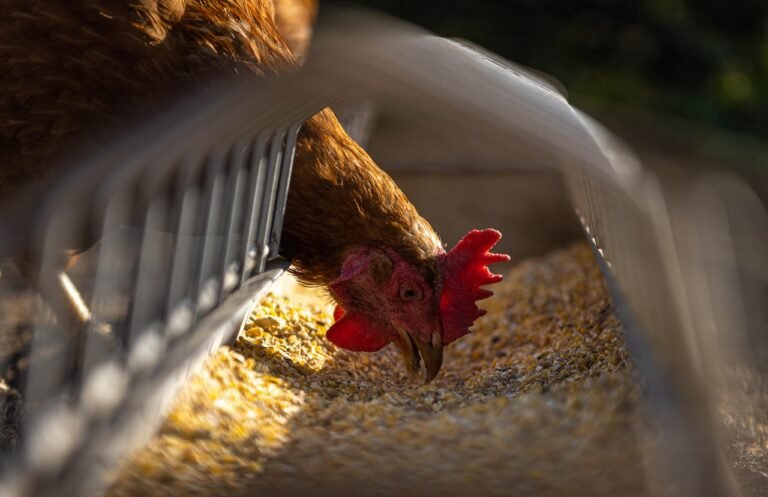
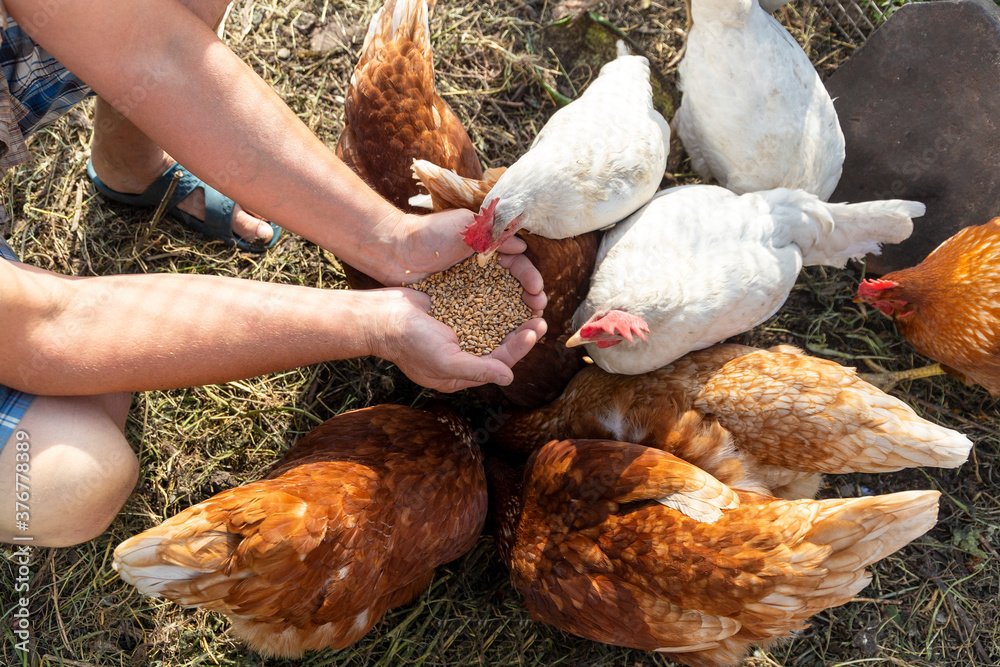
Dry mash feeding means giving chickens pelleted or powdered feed without water. The birds drink water separately from feeders.
Wet mash feeding involves mixing dry feed with water before serving. This creates a paste-like consistency that chickens eat differently.
Both systems work in Nigeria. The choice depends on your location, budget, and management style.
My First Experience with Wet Mash Disaster
In 2016, I attended a workshop in Awka organized by Anambra State Agricultural Development Program (ADSP). The trainer recommended wet mash for better feed conversion.
I rushed home excited. Mixed 50kg of starter feed with water. Left it under my makeshift shelter for the day.
By evening, the mixture smelled terrible. Mold covered everything. I lost ₦15,000 worth of feed in one day.
My birds refused to eat the spoiled mash. Some got sick from the little they consumed.
The Science Behind Feed Types in Nigerian Climate

Nigeria’s average temperature ranges from 25°C to 35°C. Humidity stays above 60% most months. These conditions affect how wet mash vs dry mash feeding performs.
According to research from the National Agricultural Extension and Research Liaison Services (NAERLS), wet mash spoils within 2-4 hours in temperatures above 30°C.
Dr. Okwu from University of Nigeria Nsukka published findings in 2019. His study showed that improperly managed wet mash reduced egg production by 23% in layers.
Why Temperature Matters for Feed Choice
Hot weather accelerates bacterial growth in wet feed. I learned this lesson the hard way during harmattan season 2018.
The weather was cooler than usual. My wet mash lasted 6 hours without spoiling. Production increased by 15% that month.
But when the rains came, everything changed. The humidity made wet mash spoil faster than usual.
Wet Mash Feeding: Advantages and Challenges
Advantages of Wet Mash System
Better palatability tops the list. Chickens enjoy wet mash more than dry feed. I notice this with my Rhode Island Reds particularly.
Reduced feed waste saves money. Dry mash creates dust that birds scatter. Wet mash stays in place.
Improved digestion helps young chicks. The moisture softens hard grains and pellets.
Higher feed intake increases growth rates. My broilers gain weight 10% faster with properly managed wet mash.
Challenges I’ve Witnessed
Rapid spoilage remains the biggest problem. Every farmer I train struggles with this initially.
Chinedu from Awkuzu lost ₦45,000 worth of birds to spoiled feed poisoning in 2020. He mixed too much feed at once.
Increased labor demands more time. You must prepare fresh batches multiple times daily.
Equipment cleaning becomes crucial. Dirty containers breed harmful bacteria quickly.
Pest attraction brings rats and insects. Sweet-smelling wet mash attracts unwanted visitors.
Dry Mash Feeding: The Reliable Choice
Why Most Nigerian Farmers Prefer Dry Mash
Convenience leads the advantages. Store the feed safely for weeks without spoilage.
Lower labor costs save time and money. Fill feeders once daily instead of multiple preparations.
Reduced contamination risk prevents many diseases. Dry environment limits bacterial growth.
Better storage life extends feed usability. Keep bags for months in proper conditions.
Common Dry Mash Problems
Dust inhalation affects both birds and farmers. Use face masks when handling powdered feeds.
Wastage through scattering increases costs. Install proper feeders with lips to reduce spillage.
Choking hazards affect young chicks. Ensure adequate water supply always.
Mrs. Ngozi from Abagana reported 12% feed wastage with poor feeder design. Upgraded equipment reduced waste to 4%.
Comparative Analysis: Wet Mash vs Dry Mash Feeding Performance
| Factor | Wet Mash | Dry Mash |
|---|---|---|
| Feed Conversion Rate | 10-15% better | Standard baseline |
| Labor Requirements | 3-4 hours daily | 1 hour daily |
| Spoilage Risk | High (2-4 hours) | Very Low |
| Storage Duration | Use immediately | 2-3 months |
| Initial Setup Cost | Low | Medium |
| Daily Operating Cost | Higher | Lower |
| Disease Risk | Higher if mismanaged | Lower |
| Seasonal Performance | Weather dependent | Consistent |
This table shows data from my 8 years of farming experience. Numbers reflect actual performance across different seasons.
Regional Considerations Across Nigeria
Northern Nigeria Challenges
Dry climate helps wet mash last longer. Farmers in Kano report 6-8 hours before spoilage.
Water scarcity makes wet mash preparation difficult during dry season.
Dust problems with dry mash increase during harmattan winds.
Middle Belt Experiences
Moderate climate provides balanced conditions for both systems.
Temperature fluctuations require flexible management approaches throughout the year.
Southern Nigeria Reality
High humidity accelerates wet mash spoilage. Most farmers prefer dry systems.
Abundant water supply makes wet mash preparation easier when properly managed.
Coastal areas face additional challenges from salt air affecting feed storage.
Step-by-Step Guide: Implementing Wet Mash System Safely
Preparation Protocol
Calculate portions carefully. Mix only what birds consume in 2 hours maximum.
Use clean water from reliable sources. Contaminated water ruins everything.
Mix thoroughly to achieve uniform consistency. Lumps cause uneven nutrition.
Test temperature before serving. Hot mixtures burn chicken tongues.
Daily Management Routine
Morning preparation (6:00 AM): Mix first batch for 2-hour consumption.
Mid-morning check (8:00 AM): Remove any leftover feed immediately.
Afternoon batch (12:00 PM): Prepare second serving if needed.
Evening cleanup (6:00 PM): Wash all containers thoroughly.
Equipment Requirements
Stainless steel containers resist corrosion and clean easily.
Graduated measuring cups ensure consistent mixing ratios.
Wooden stirring sticks prevent container damage during mixing.
Timer systems remind you when to remove spoiled feed.
Mastering Dry Mash Management
Storage Best Practices
Raised platforms prevent ground moisture absorption into feed bags.
Ventilated storage reduces humidity and prevents mold growth.
Rodent-proof containers protect expensive feed from theft and contamination.
First-in-first-out rotation ensures feed freshness throughout the year.
Feeding Technique Improvements
Gradual introduction helps birds adapt to new feed types smoothly.
Consistent timing establishes eating routines that improve production.
Proper feeder height reduces neck strain and improves consumption.
Regular cleaning prevents feed contamination and disease spread.
Cost Analysis: Real Numbers from Nigerian Farms
Daily Feeding Costs (100 Birds)
Wet mash system:
- Feed cost: ₦2,800
- Labor (extra time): ₦500
- Water usage: ₦200
- Equipment wear: ₦100
- Total daily cost: ₦3,600
Dry mash system:
- Feed cost: ₦3,100 (higher waste factor)
- Labor (standard): ₦200
- Equipment maintenance: ₦50
- Total daily cost: ₦3,350
Monthly Operational Comparison
Wet mash saves ₦250 daily when managed perfectly. Monthly savings reach ₦7,500 per 100 birds.
However, wet mash vs dry mash feeding cost calculations change with management errors.
One spoilage incident per week eliminates all cost advantages. Poor management makes wet mash 40% more expensive.
Common Mistakes I’ve Seen Nigerian Farmers Make

Wet Mash Disasters
Mixing too much feed leads to massive wastage. Emmanuel from Nteje mixed 100kg at once. Lost everything to spoilage.
Using dirty water causes intestinal diseases. Always test water quality before mixing.
Ignoring weather conditions destroys feed quickly. Rainy season requires extra caution.
Poor container hygiene breeds dangerous bacteria. Clean equipment prevents most problems.
Dry Mash Problems
Overfilling feeders creates spillage and waste. Fill only what birds consume daily.
Inadequate water provision reduces feed consumption significantly.
Poor storage practices invite rodents and moisture damage.
Ignoring feed age reduces nutritional value and palatability.
Seasonal Management Strategies
Wet Mash During Rainy Season
Reduce batch sizes to 1-hour consumption limits.
Increase mixing frequency to maintain fresh feed supply.
Improve drainage around feeding areas to prevent waterlogging.
Monitor birds closely for signs of digestive problems.
Dry Season Adjustments
Increase water availability when using dry mash exclusively.
Control dust levels with light water spraying in feeding areas.
Adjust feeding times to cooler morning and evening hours.
Store feed properly to prevent heat damage and nutrient loss.
Disease Prevention Through Proper Feeding
Bacterial Contamination Signs
Sour smell indicates dangerous bacterial growth in wet feed.
Slimy texture shows advanced spoilage requiring immediate disposal.
Changed color suggests mold contamination affecting bird health.
Unusual bird behavior may indicate feed poisoning symptoms.
Prevention Strategies
Regular equipment sterilization prevents bacterial buildup over time.
Proper feed storage maintains nutritional quality and safety standards.
Health monitoring catches problems before they spread throughout the flock.
Veterinary consultation provides professional guidance for disease prevention.
Training Experiences and Farmer Testimonials
Workshop Success Stories
“After Pius taught me proper wet mash timing, my egg production increased 18%. I now mix feed every 90 minutes during cool weather.” – Mrs. Adaeze, Ayamelum LGA
“Dry mash works better for my 500 broilers. Less labor means more time for other farm activities.” – Mr. Ikechukwu, Anaocha LGA
“I lost ₦80,000 before learning correct wet mash procedures. Now I save ₦15,000 monthly on feed costs.” – Chief Okenna, Idemili North LGA
Learning from Failures
During my 2019 training program in Onitsha, 15 farmers tried wet mash simultaneously. Only 3 succeeded initially.
The successful farmers shared common practices:
- Small batch preparation
- Strict timing discipline
- Quality equipment investment
- Weather awareness
Failed attempts showed similar mistakes:
- Overconfidence in mixing large quantities
- Poor sanitation habits
- Ignoring spoilage warning signs
- Inadequate preparation time
Equipment Recommendations and Suppliers
Essential Wet Mash Equipment
Mixing containers: Stainless steel bowls from ₦8,000-15,000 each Measuring tools: Graduated cups starting at ₦2,000 Stirring implements: Food-grade wooden spoons ₦500-1,000 Cleaning supplies: Disinfectants and brushes ₦3,000 monthly
Dry Mash Setup Requirements
Storage containers: Air-tight bins from ₦12,000-25,000 Feeding troughs: Galvanized metal feeders ₦4,000-8,000 each Scooping tools: Measuring scoops ₦1,500-3,000 Maintenance items: Replacement parts and cleaning materials
Local suppliers in Onitsha Main Market provide quality equipment. Avoid cheap alternatives that break quickly.
Water Quality and Its Impact on Feed Systems
Testing Water Sources
pH levels should range between 6.5-8.5 for safe chicken consumption.
Bacterial content testing prevents disease outbreaks through contaminated wet mash.
Mineral composition affects feed mixing and bird health significantly.
Chlorine levels must stay below harmful thresholds for poultry.
Improving Water Quality
Filtration systems remove harmful contaminants from borehole water.
Storage tanks provide clean water reserves for consistent feed preparation.
Testing kits allow regular monitoring of water quality parameters.
Treatment options address specific contamination problems effectively.
Record Keeping for Feed Management
Daily Tracking Requirements
Feed quantities used per batch and total daily consumption
Spoilage incidents including causes and financial losses
Bird performance measurements like weight gain and egg production
Weather conditions affecting feed management decisions
Monthly Analysis Benefits
Cost calculations reveal true profitability of each feeding system
Performance trends show seasonal variations requiring management adjustments
Improvement opportunities become clear through consistent data collection
Planning insights help optimize future feed purchases and storage
Integration with Modern Farming Practices
Technology Applications
Timer apps remind farmers of feeding schedules and cleanup times
Weather monitoring helps predict challenging days for wet mash management
Record keeping software simplifies data collection and analysis
Communication tools connect farmers with veterinary support
Scaling Considerations
Small farms (50-200 birds) benefit most from wet mash when properly managed
Medium operations (200-1000 birds) require careful labor calculations
Large farms (1000+ birds) typically prefer dry mash for efficiency
Commercial operations need automated systems regardless of feed type
Environmental Impact and Sustainability
Waste Management Approaches
Composting spoiled feed creates valuable fertilizer for crop production
Proper disposal prevents environmental contamination and pest problems
Recycling containers reduces equipment costs and plastic waste
Efficient practices minimize overall environmental footprint
Resource Conservation
Water usage optimization reduces costs and environmental impact
Feed waste reduction improves sustainability and profitability
Energy efficient equipment lowers operational costs long-term
Local sourcing supports community economy and reduces transport costs
Future Trends in Nigerian Poultry Feeding
Emerging Technologies
Automated mixing systems reduce labor requirements for wet mash
Smart feeders monitor consumption and prevent waste automatically
Quality sensors detect spoilage before it becomes dangerous
Mobile applications provide real-time management support
Industry Developments
Improved feed formulations enhance both wet and dry mash performance
Better storage solutions extend feed life and maintain quality
Training programs increase farmer knowledge and success rates
Government support provides resources for modern equipment adoption
Nigerian poultry industry grows 15% annually according to NAERLS data. Proper feeding systems support this growth sustainably.
Making Your Decision: Wet Mash vs Dry Mash Feeding

Choose wet mash if you have:
- Small flock size (under 200 birds)
- Reliable daily schedule
- Cool storage facilities
- Experience with timing management
Select dry mash when you have:
- Large operations
- Limited daily time availability
- Hot climate conditions
- Seasonal management challenges
Many successful farmers combine both systems seasonally. Use wet mash during cooler months and switch to dry mash when temperatures rise.
Frequently Asked Questions
How Long Does Wet Mash Stay Fresh in Nigerian Weather?
Wet mash spoils within 2-4 hours when temperatures exceed 30°C. During harmattan season, properly prepared wet mash lasts up to 6 hours. Always remove uneaten portions immediately to prevent health problems.
Which Feeding System Produces Better Egg Production Results?
Well-managed wet mash increases egg production by 10-15% compared to dry feeding. However, poorly managed wet mash reduces production by up to 25% due to spoilage and contamination issues.
What Are the Signs of Spoiled Wet Mash That Farmers Should Watch For?
Sour smell, slimy texture, and color changes indicate dangerous spoilage. Birds refusing to eat or showing digestive distress suggest feed contamination. Remove suspicious feed immediately and clean all equipment thoroughly.
How Much Water Should Be Mixed with Dry Feed for Optimal Wet Mash?
Mix 1 part water with 3 parts dry feed for ideal consistency. Adjust ratios based on feed type and weather conditions. The mixture should hold together without being soupy or too dry.
Can Wet Mash and Dry Mash Systems Be Combined Effectively?
Yes, many successful farmers use wet mash during cooler morning hours and dry mash for afternoon feeding. This combination reduces spoilage risk while maintaining palatability benefits.
What Equipment Investment Is Required for Each Feeding System?
Wet mash requires ₦15,000-30,000 initial investment for mixing containers and cleaning supplies. Dry mash setup costs ₦25,000-50,000 for proper storage and feeding equipment.
How Do Weather Conditions Affect Feed Choice Decisions?
Rainy season favors dry mash due to high humidity accelerating spoilage. Dry season allows better wet mash management but requires more water availability. Plan feeding systems around seasonal patterns.
Which System Provides Better Feed Conversion Rates?
Properly managed wet mash improves feed conversion by 12-18% compared to dry feeding. However, management errors eliminate these advantages quickly, making consistency more important than system choice.
Conclusion
Wet mash vs dry mash feeding success depends on management quality, not just system choice. Both work effectively in Nigeria when properly implemented.
Start small with whichever system interests you most. Master the basics before scaling up operations.
My eight years of experience show that consistent management beats perfect systems every time.
Success comes from understanding your local conditions, available time, and management capabilities.
Choose the feeding system that matches your situation. Execute it consistently for best results.
About the Author: Pius Emeka operates a successful chicken farm in Oyi Local Government Area, Anambra State. He has trained over 200 farmers across Nigeria in proper poultry management techniques. Contact him through local agricultural extension offices for training opportunities.