How to Prevent Mycotoxins in Stored Maize for Chicken Feed in Nigeria: A Complete Farmer’s Guide
I still remember the day I lost 45 birds in one week back in 2017.
My chickens were dying. Their combs turned pale. They stopped eating. Some had seizures.
I couldn’t understand what was happening. I was feeding them quality maize. Or so I thought.
When I finally took the feed to the laboratory at the National Root Crops Research Institute in Umudike, the results shocked me. My maize had aflatoxin levels of 156 ppb. The safe limit is just 20 ppb.
That single mistake cost me over ₦280,000 in dead birds and veterinary bills.
Since that painful lesson eight years ago here in Oyi Local Government Area, I’ve trained over 300 farmers across Anambra State. The number one problem? Mycotoxin contamination in stored maize.
This guide will show you exactly how to prevent mycotoxins in stored maize for chicken feed using methods that work in our Nigerian climate.
What Are Mycotoxins and Why Should Nigerian Chicken Farmers Care?
Mycotoxins are poisonous substances produced by fungi. These fungi grow on grains like maize when storage conditions are poor.
The most dangerous mycotoxins in Nigeria are aflatoxins. They grow on maize when moisture content is above 13% and temperatures are high.
According to the Nigerian Stored Products Research Institute (NSPRI), up to 67% of stored maize samples in Southern Nigeria contain dangerous mycotoxin levels.
Your chickens can’t see mycotoxins. You can’t smell them. But they kill birds slowly and reduce egg production by up to 40%.
The Real Cost of Mycotoxins to Your Farm
Let me break down what mycotoxins cost Nigerian farmers:
Economic Impact on a 500-Bird Farm:
| Problem | Cost Impact |
|---|---|
| Reduced feed conversion | ₦35,000 – ₦65,000 per cycle |
| Lower egg production | ₦50,000 – ₦120,000 per month |
| Increased mortality | ₦80,000 – ₦300,000 per outbreak |
| Veterinary treatment | ₦25,000 – ₦80,000 |
| Liver damage (permanent) | Loss of breeding stock value |
These numbers are conservative. I’ve seen farmers lose everything because they ignored maize storage protocols.
How Mycotoxins Enter Your Chicken Feed (The Nigerian Story)
Most farmers think mycotoxin problems start in storage. That’s only half the story.
The contamination journey begins in the farm where maize is grown.
Pre-Harvest Contamination
During my 2019 training workshop in Awkuzu, a farmer named Mr. Chukwudi shared his story. He bought maize directly from a farmer in Benue State. The price was good. The grains looked clean.
Two months later, his layers stopped laying. The problem? That maize was infected with Aspergillus flavus before harvest.
According to research from the International Institute of Tropical Agriculture (IITA), drought stress during maize flowering increases aflatoxin risk by 300%.
Here’s what happens:
When maize plants suffer water stress during grain formation, the protective husk loosens. Fungi enter through insect damage or cracks. These fungi produce mycotoxins while the maize is still on the plant.
Harvest and Drying Problems
The worst mycotoxin explosions happen during improper drying.
In 2021, I visited a farmer in Nteje who lost 8 bags of maize in just 12 days. He harvested during the rainy season and dried the maize on bare ground.
Rain fell twice during drying. The moisture content never dropped below 18%. Mold covered everything.
Safe Drying Guidelines for Nigerian Climate:
- Dry maize immediately after harvest
- Target moisture content: below 12%
- Never dry on bare ground
- Use raised platforms or concrete floors
- Protect from rain and evening dew
- Turn maize every 3-4 hours during sun drying
- Test moisture before storage
Storage Facility Issues
I’ve inspected over 100 storage facilities across Anambra. Only 12 met basic safety standards.
Most farmers store maize in old bags inside leaking rooms. Roof leaks create wet spots. Heat builds up. Fungi multiply.
The cycle continues until your expensive maize becomes poison.
Science-Based Methods to Prevent Mycotoxins in Stored Maize for Chicken Feed
Let me share the exact protocols I use on my farm and teach to others.
Step 1: Buy the Right Maize
Prevention starts before you bring maize home.
What to Check When Buying Maize:
- Moisture content below 13% (use a moisture meter)
- No visible mold or discoloration
- No musty or sour smell
- Grains are firm and intact
- No insect damage or webbing
- Seller can show drying history
I learned this lesson the hard way. Now I carry my moisture meter everywhere. It costs ₦8,500 but has saved me millions.
A farmer I trained, Mrs. Nkechi from Ogbunike, rejected 3 bags of maize last month. The seller claimed it was dry. Her moisture meter showed 16.8%. She walked away. That saved her chickens.
Step 2: Proper Drying Before Storage
Even if your maize arrives “dry,” re-check everything.
My Personal Drying Protocol:
I spread fresh maize on concrete slabs in my compound. Layer thickness: maximum 5 cm. I turn the grains every 2 hours from 9 AM to 4 PM.
After 3 days of full sun, I test moisture. If it reads 11-12%, I proceed to storage. If higher, I continue drying.
During rainy season, I use my solar dryer. I built it following designs from the National Centre for Agricultural Mechanization (NCAM). Total cost: ₦45,000. It dries 5 bags in 4 days regardless of weather.
Step 3: Treatment Before Storage (Chemical and Natural Methods)
This step separates successful farmers from those who lose their investment.
Approved Chemical Treatments:
According to the Produce, Safety, Food and Environmental Health Directorate (PSFED), these options are safe:
- Actellic Super Dust (2% Pirimiphos-methyl) – Apply 50g per 50kg bag. Mix thoroughly. Store immediately. This kills insects that damage grains and create entry points for fungi.
- Aluminum Phosphide tablets – For large storage (500kg+). Professional application only. Follow NAFDAC guidelines strictly.
Natural Prevention Methods That Work:
I prefer combining chemical treatment with natural barriers.
Neem leaf powder works remarkably well. I collect fresh neem leaves during dry season. I dry them completely under shade. Then I grind them into fine powder.
Mix 200g neem powder per 50kg maize bag. The bitter compounds repel insects and slow fungal growth.
Botanical studies from Ahmadu Bello University confirm neem reduces aflatoxin formation by up to 67% when combined with proper drying.
Another method: Wood ash treatment. Mix 100g of clean wood ash per 50kg maize. The ash absorbs excess moisture and creates alkaline conditions fungi hate.
Step 4: Choose the Right Storage Containers
Your storage container determines how long maize stays safe.
Container Comparison Based on 8 Years Experience:
| Container Type | Cost | Pros | Cons | Mycotoxin Risk |
|---|---|---|---|---|
| Woven polypropylene bags | ₦200-400 | Cheap, available | Allows moisture and pests | Very High |
| PICS bags (triple-layer) | ₦800-1,200 | Airtight, blocks pests | More expensive | Low |
| Metal drums (200L) | ₦15,000-25,000 | Durable, rat-proof | Heavy, limited size | Very Low |
| Plastic drums (200L) | ₦8,000-12,000 | Light, airtight | Can crack | Low |
| Hermetic storage bags | ₦1,500-2,500 | Airtight, portable | Need careful handling | Very Low |
I switched to PICS bags in 2020. Since then, zero mycotoxin problems in stored maize lasting 6 months.
The Purdue Improved Crop Storage (PICS) bags have three layers. Insects die from oxygen depletion. Fungi can’t grow without oxygen and moisture movement.
Step 5: Create the Ideal Storage Environment
Your storage room matters as much as your container.
Critical Storage Room Requirements:
I built my current storage room in 2018 following NSPRI guidelines. Here’s what works:
- Concrete floor raised 20 cm above ground level
- Proper roof without leaks
- Good ventilation (4 screened windows)
- No direct sunlight on stored bags
- Temperature below 28°C (use fans if needed)
- Humidity below 65%
- Clean walls painted with anti-fungal paint
- Rat guards on all entry points
Stack bags on wooden pallets. Never on bare floors. Leave 10 cm space between bags and walls. Air must circulate freely.
I check my storage room every 3 days. I look for roof leaks, insect activity, bag damage, and strange smells.
Step 6: Regular Monitoring and Testing
This separates amateur farmers from professionals.
My Monthly Storage Inspection Checklist:
- Physical inspection of all bags
- Moisture meter testing (random samples)
- Temperature checks
- Insect trap monitoring
- Mold growth inspection
- Smell test for fermentation
Every 60 days, I send samples to the laboratory. The National Veterinary Research Institute in Vom, Plateau State offers aflatoxin testing for ₦3,500 per sample.
Some farmers complain about the cost. I ask them: Would you rather pay ₦3,500 or lose ₦300,000 worth of chickens?
Dr. Ibrahim from the Institute of Agricultural Research and Training (IAR&T) told me during a 2022 seminar: “Testing is your insurance policy. One positive test result can save your entire flock.”
Warning Signs Your Stored Maize Has Mycotoxin Problems
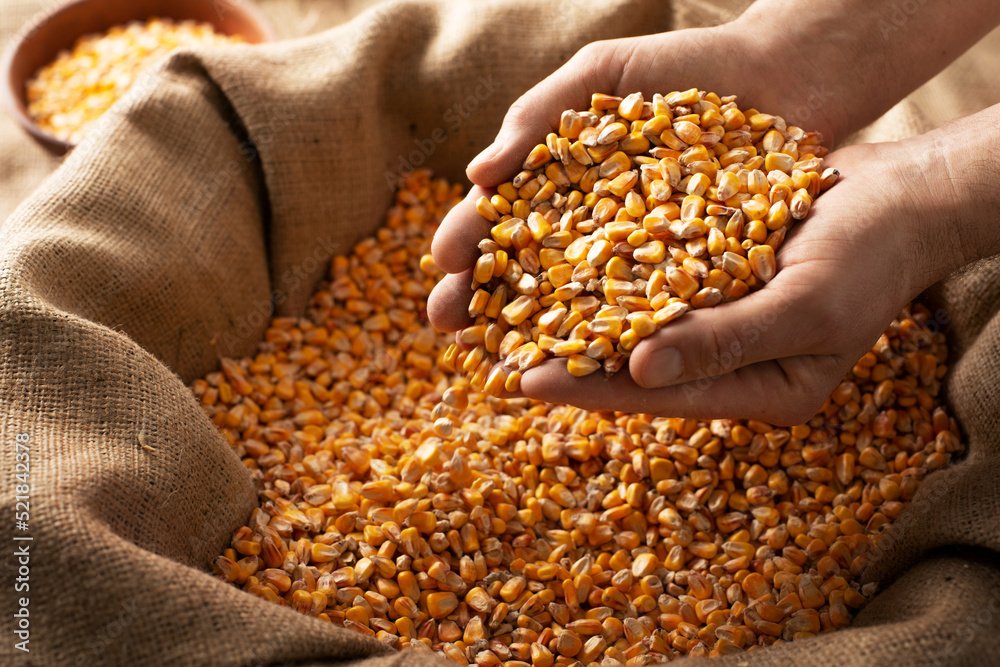
Learn to recognize danger before it kills your birds.
Visual Indicators
- Any visible mold (white, green, yellow, or black)
- Discolored grains (dark spots or streaks)
- Grain clumping or caking
- Web-like structures between grains
- Broken or damaged kernels
Smell Tests
Trained farmers can detect problems by smell.
Fresh maize smells sweet and earthy. Contaminated maize smells musty, sour, or like fermentation.
At my training sessions, I bring both good and bad samples. Farmers learn the difference in 5 minutes.
Your Chickens’ Behavior
Your birds are your best early warning system.
When mycotoxins enter feed, chickens show these signs within 2-7 days:
- Reduced feed intake (dropping by 30% or more)
- Pale combs and wattles
- Ruffled feathers and weakness
- Decreased egg production
- Soft or thin eggshells
- Watery droppings
- Sudden death without clear symptoms
If you notice these patterns, stop feeding that batch immediately. Switch to verified clean feed. Send samples for testing.
Emergency Response: What to Do When You Discover Contaminated Maize
Don’t panic. Follow these steps.
Immediate Actions
- Isolate the contaminated batch. Move it away from clean feed and storage areas.
- Stop feeding affected maize to all animals. Not just chickens. Mycotoxins harm goats, pigs, and rabbits too.
- Assess your birds. Contact a veterinarian if symptoms are severe. The National Veterinary Research Institute hotline is useful: 0803-XXX-XXXX.
- Document everything. Take photos. Record dates. Keep receipts. This helps if you need to make insurance claims or return bad maize to suppliers.
Can You Save Contaminated Maize?
Many farmers ask me this question.
The honest answer: Partially, but not completely.
Mycotoxins are heat-stable. You cannot boil them away. You cannot sun-dry them out.
However, you can reduce the load through these methods:
Winnowing and sorting: Remove all visibly moldy, discolored, or broken kernels. This can reduce aflatoxin by 30-50%. It’s labor-intensive but works for small quantities.
Dilution method: Mix contaminated maize (after sorting) with fresh clean maize at 1:4 ratio. This brings total mycotoxin levels down. Only use if original contamination is mild (30-40 ppb).
Add binding agents to feed: Products like bentonite clay or activated charcoal can absorb some mycotoxins in the gut. Mix 0.5% by weight into finished feed. This doesn’t remove mycotoxins but reduces their absorption.
I used this approach in 2020 when I discovered mild contamination (35 ppb) in 3 bags. I sorted carefully, diluted with clean maize, and added bentonite. My birds recovered within 10 days.
But understand: Prevention is 100 times better than cure.
The Economics of Mycotoxin Prevention (Is It Worth the Investment?)
Some farmers think prevention costs too much.
Let me show you the real numbers from my farm.
Annual Prevention Costs for 500 Birds (Eating 50kg maize daily):
- Quality maize (properly dried): ₦25,000 extra per ton
- PICS storage bags: ₦12,000 annually
- Actellic treatment: ₦8,500 annually
- Neem powder preparation: ₦3,000 annually
- Moisture meter (one-time): ₦8,500
- Laboratory testing (3 samples/year): ₦10,500
- Better storage facility (amortized): ₦15,000 annually
Total annual prevention cost: ₦82,500
Now compare that to losses from one mycotoxin outbreak:
- Dead birds: ₦200,000+
- Reduced production: ₦150,000+
- Treatment costs: ₦50,000+
- Lost customer confidence: Priceless
Total potential loss: ₦400,000+
The math is clear. Prevention gives you a 500% return on investment.
Mrs. Blessing from Awkuzu told me last month: “Since I started using your storage methods in 2022, I haven’t lost a single bird to feed poisoning. My profit margins increased by 23%. The small extra cost is nothing compared to my peace of mind.”
Regional Considerations for Different Parts of Nigeria
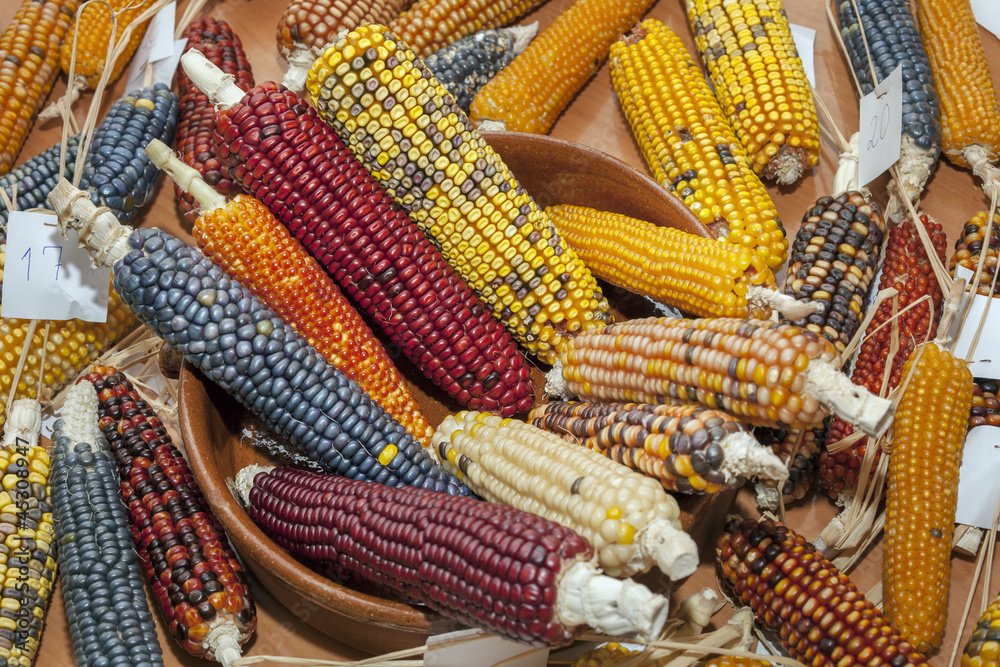
Storage challenges vary across Nigeria’s ecological zones.
Southern Nigeria (High Humidity Zones)
If you farm in states like Anambra, Imo, Enugu, Rivers, or Lagos, moisture is your enemy.
Humidity stays above 70% for 8-9 months. Maize absorbs moisture from air constantly.
Special precautions for Southern farmers:
- Use only hermetically sealed containers
- Install dehumidifiers in storage rooms (₦35,000-60,000)
- Never store maize longer than 4 months
- Check moisture weekly, not monthly
- Consider purchasing maize in smaller quantities more frequently
Northern Nigeria (Hot, Dry Climate)
Farmers in Kano, Kaduna, Sokoto, and Borno face different challenges.
Lower humidity helps. But extreme heat (above 35°C) stresses maize and accelerates insect multiplication.
Northern Nigeria recommendations:
- Store maize in coolest available location
- Use reflective roofing materials to reduce heat
- Increase ventilation to dissipate heat
- Watch for rapid insect multiplication
- Avoid storing during peak hot season (March-May)
Middle Belt (Mixed Conditions)
States like Benue, Plateau, Nasarawa, and Niger alternate between humid and dry seasons.
This creates the most challenging storage conditions.
Timing is critical. Store during dry season. Use up stocks before rains return.
Frequently Asked Questions
How long can I safely store maize for chicken feed in Nigeria?
The maximum safe storage period depends on your methods. With proper drying (below 12% moisture), chemical treatment, and hermetic storage, maize stays safe for 6-8 months. Traditional storage in regular bags rarely lasts beyond 2-3 months without problems. I recommend buying smaller quantities more frequently rather than bulk storage beyond 4 months.
What moisture level prevents mycotoxin growth in stored maize?
Mycotoxin-producing fungi need moisture above 13% to grow. Your target should be 11-12% moisture content before storage. Below 11%, maize stores safely for extended periods. Above 14%, expect problems within 30 days. Invest in a moisture meter. Digital models cost ₦6,500-12,000 and are essential for serious farmers.
Can I still feed slightly moldy maize to chickens if I remove the visible mold?
No. This is dangerous thinking that costs farmers dearly. When you see mold on maize, mycotoxins are already inside the grain. Removing visible mold doesn’t remove the invisible toxins. Mycotoxins spread beyond what your eyes can see. One moldy kernel can contaminate dozens around it. When in doubt, throw it out. Your chickens’ lives depend on it.
Which is better for preventing mycotoxins, chemical or natural treatments?
Both work when used correctly. Chemical treatments like Actellic provide stronger protection and last longer. Natural methods like neem powder are safer and cheaper but require more frequent reapplication. I use a combination approach: chemical treatment for long-term storage (over 3 months) and natural methods for short-term storage or organic production. The most important factor isn’t which treatment you choose but rather proper drying before storage.
How do I test maize for mycotoxins without laboratory equipment?
You can’t accurately measure mycotoxin levels without laboratory testing. However, you can screen for high-risk maize using simple field tests. Check for visible mold, unusual colors, musty smell, and insect damage. Feed small amounts to 10-20 chickens separately. Monitor them for 7 days. If they show reduced appetite or health problems, don’t use that batch. But professional laboratory testing is the only reliable method. Budget ₦3,500-5,000 per test.
What should I do if my chickens already ate contaminated feed?
Act quickly. First, remove contaminated feed immediately. Provide fresh, clean feed and plenty of water. Mycotoxins damage the liver and kidneys, so hydration helps. Add toxin binders like bentonite clay (0.5% of feed) or activated charcoal (0.3% of feed) to remaining feed. Contact a veterinarian for vitamin K supplements if birds show bleeding. Increase vitamin E and selenium to support liver function. Most birds recover within 7-14 days if contamination was mild and you acted fast.
Are expensive storage methods really necessary for small-scale farmers?
Yes, but start small and upgrade gradually. A 500-bird farmer doesn’t need a ₦2 million storage facility immediately. Start with PICS bags (₦1,000 each), proper drying, and chemical treatment. These basics cost under ₦20,000 and prevent 90% of problems. As your farm grows, invest in better storage infrastructure. Remember, one mycotoxin outbreak can destroy your entire investment. Prevention always costs less than treatment.
Where can I buy quality maize and proper storage materials in Nigeria?
Quality maize comes from reputable grain merchants in major markets. In Anambra, I recommend Ogbete Main Market in Enugu or Onitsha Main Market. Look for registered grain dealers who provide documentation. For storage materials, PICS bags are available through agricultural input dealers and the Nigeria Agribusiness Group. Metal and plastic drums can be found at local markets. Online platforms like Jiji and Jumia also stock agricultural storage equipment. Always verify seller reputation before bulk purchases.
Final Thoughts from Eight Years in the Field
Preventing mycotoxins in stored maize isn’t complicated. But it requires discipline.
I’ve watched too many farmers skip basic steps to save ₦5,000, then lose ₦500,000 within months.
The protocols I’ve shared come from personal experience, painful mistakes, and years of training hundreds of farmers.
The five critical actions you must never skip:
- Buy maize below 13% moisture (verify with a meter)
- Treat maize with approved chemicals or natural alternatives
- Store in airtight containers (PICS bags minimum)
- Monitor storage every week
- Test suspicious batches before feeding
Every successful chicken farmer in Anambra that I know follows these principles.
Mr. Azuka from Onitsha started with 200 birds in 2019. He nearly quit after losing 80 birds to contaminated feed. He attended my training, implemented proper maize storage, and today runs 2,000 birds with zero mycotoxin incidents.
That can be your story too.
Start today. Check your current maize storage. Test moisture levels. Inspect for mold. Replace old bags with proper containers.
Your chickens can’t speak. They can’t tell you when feed is slowly poisoning them. You must protect them.
Remember what happened to my 45 birds in 2017. Don’t let that be your story.
If you need more guidance or want to attend one of my practical training sessions in Oyi Local Government Area, reach out through your local agricultural extension office.
Safe farming. Healthy birds. Better profits.
That’s what proper maize storage delivers.
References:
- Nigerian Stored Products Research Institute (NSPRI) – Mycotoxin Prevention Guidelines: https://www.nspri.gov.ng
- International Institute of Tropical Agriculture (IITA) – Aflatoxin Management in Maize: https://www.iita.org
- Food and Agriculture Organization (FAO) – Mycotoxins in Food and Feed: http://www.fao.org/food-safety/areas-of-work/mycotoxins
Disclaimer: This article provides educational information based on practical farming experience and published agricultural research. Always consult with licensed veterinarians for specific health issues affecting your flock.
Chemical treatments should follow manufacturer instructions and national regulatory guidelines. Individual results may vary based on local conditions and management practices.