Essential Daily Health Check Routine for Chickens in Nigeria: A Farmer’s Complete Guide
My name is Pius Emeka. I have been raising chickens in Oyi Local Government Area, Anambra State for eight years. During this time, I have seen many farmers lose their birds to diseases they could have prevented. The secret to successful poultry farming in Nigeria is simple: check your birds every day.
Most chicken diseases in Nigeria can be caught early with a proper daily health check routine. This routine takes only 15-20 minutes each morning and evening. Yet many farmers skip it because they think it takes too much time. I learned this lesson the hard way when I lost 200 birds to Newcastle disease in my second year of farming.
Today, I want to share everything I know about checking chicken health daily. These are the same methods I teach at workshops across Anambra State. They work for both broilers and layers, whether you have 50 birds or 5,000.
Why Daily Health Checks Matter for Nigerian Poultry Farmers
Nigeria produces about 300 million birds and 10 billion eggs per year. Despite this large production, we still face a 70% deficit in meeting local demand. Many small-scale farmers contribute to this gap by losing birds to preventable diseases.
Feces is one quick way to determine the health status of the birds and farmers rely on years of experience as well as professionals to identify and diagnose poultry diseases. Most often, farmers lose their flocks as a result of delayed diagnosis or a lack of trustworthy experts.
In my experience training farmers across Anambra State, I have noticed that those who perform daily health checks lose fewer than 5% of their flock to disease. Farmers who don’t check their birds daily often lose 15-25% of their birds.
Last year, I visited a farm in Awka where the farmer, Mrs. Chinelo Okafor, told me: “Brother Pius, I wish I had started checking my birds daily from the beginning. I lost 300 layers to coccidiosis because I didn’t notice the blood in their droppings early enough.”
Her story is common across Nigeria. The good news is that anyone can learn to spot chicken health problems early with the right daily health check routine.
The Complete Morning Health Check Routine
Step 1: Observe Overall Flock Behavior
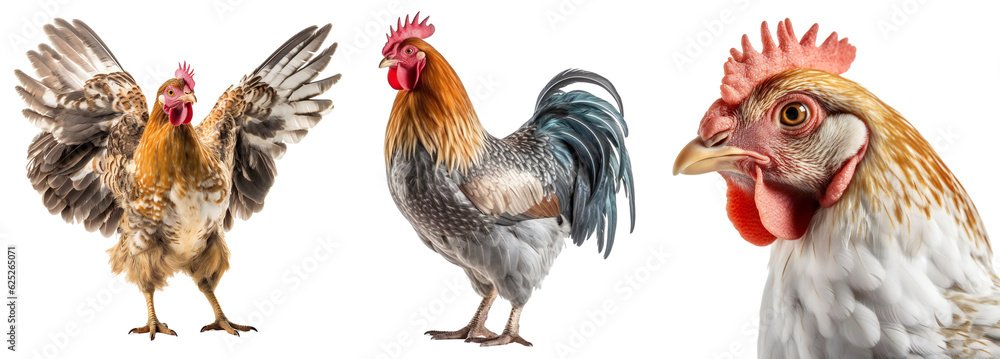
Start your daily health check routine by standing outside the pen for two minutes. Watch how your birds move and behave. Healthy chickens should be:
- Moving around actively
- Making normal chicken sounds
- Competing for food and water
- Preening their feathers
- Showing interest in their surroundings
Sick birds often separate themselves from the flock. They might sit in corners with ruffled feathers or keep their heads tucked under their wings. These signs often appear 1-2 days before other symptoms.
I remember visiting a farm in Nteje where the farmer said his birds looked fine. But I noticed three birds sitting alone in a corner. Within two days, those birds showed clear signs of infectious bursal disease. Because we caught it early, we saved the rest of the flock.
Step 2: Check Eyes, Beaks, and Comb
Examine at least 10% of your flock closely each morning. Pick different birds each day so you check all birds regularly.
Healthy chickens have:
- Bright, clear eyes with no discharge
- Clean, dry beaks
- Bright red combs (for most breeds)
- No swelling around the face
Warning signs to look for:
- Watery or foamy eyes
- Swollen face or sinuses
- Pale or blue combs
- Discharge from nostrils
- Difficulty breathing
During the dry season in Nigeria, dust can cause eye irritation. This is different from infectious diseases. Dust-related problems affect many birds at once and clear up when you improve ventilation.
Step 3: Examine Droppings Daily
This is the most important part of your daily health check routine. Chicken droppings tell you more about health than any other single indicator.
Normal chicken droppings:
- Brown or green color
- Firm texture
- Small amount of white (uric acid)
- No strong smell
Problem droppings:
- Bright yellow or bloody
- Watery or frothy
- Very smelly
- Contain undigested food
I always tell farmers in my workshops: “Learn to read chicken droppings like a book. They will tell you everything you need to know about your birds’ health.”
Step 4: Monitor Feed and Water Consumption
Healthy chickens eat and drink regularly throughout the day. Changes in consumption patterns often signal health problems.
Daily monitoring checklist:
- Are feeders emptying at normal rates?
- Is water consumption normal for the weather?
- Are all birds accessing food and water?
- Any birds avoiding feed or water?
In hot Nigerian weather, chickens drink 2-3 times more water than they eat in feed. If you notice sudden drops in consumption, check those birds immediately.
Evening Health Check Procedures
Step 1: Count Your Birds
Count your chickens every evening when they roost. This simple step helps you spot missing or dead birds quickly.
Keep a daily record book with:
- Total number of birds
- Number of sick birds
- Birds found dead
- Weather conditions
- Feed consumption
Mrs. Obiageli Nwankwo from Awkuzu told me: “Brother Pius, keeping daily records saved my farm. I noticed my birds were dying every three days. The pattern helped me identify that rats were bringing poison into the pen.”
Step 2: Check for Injuries
Look for:
- Wounds or cuts
- Broken wings or legs
- Missing feathers
- Limping birds
- Birds sitting alone
Chickens hide injuries well. A bird might seem normal during the day but show problems when settling for the night.
Step 3: Assess Roosting Behavior
Healthy chickens roost on perches or platforms in the evening. Problem birds often:
- Sit on the ground
- Huddle in corners
- Breathe with their beaks open
- Make unusual sounds
Weekly Deep Health Inspections
Once a week, do a thorough physical examination of 20-30 birds. This complements your daily health check routine with more detailed assessments.
Physical Examination Table
| Body Part | What to Check | Normal Signs | Warning Signs |
|---|---|---|---|
| Weight | Feel breast muscle | Firm, well-rounded | Thin, sharp breastbone |
| Crop | Check morning and evening | Empties overnight, fills during day | Always full or always empty |
| Vent | Cleanliness and appearance | Clean, pink, moist | Dirty, inflamed, blocked |
| Feet | Bumblefoot, cuts | Smooth pads, clean nails | Swollen pads, long nails |
| Feathers | Parasites, quality | Clean, smooth, complete | Missing, dull, broken |
How to Handle Birds During Examination
- Approach calmly and slowly
- Pick up by holding both legs
- Support the body with your other hand
- Keep examination time under 2 minutes
- Release gently back into the flock
Never grab chickens by their wings or feathers. This causes stress and can lead to injuries.
Common Health Problems in Nigerian Chickens
Newcastle Disease
This is the biggest killer of chickens in Nigeria. I have seen entire flocks die within one week of the first symptoms appearing.
Early signs:
- Difficulty breathing
- Greenish diarrhea
- Twisted neck
- Drop in egg production
Prevention:
- Vaccinate at day-old, 2-3 weeks, and 6-8 weeks
- Use live vaccines during cool morning hours
- Maintain clean, stress-free environment
- Quarantine new birds for 2 weeks
Coccidiosis
This disease is common during rainy season in Nigeria. It affects birds of all ages but is worst in chicks 3-8 weeks old.
Symptoms:
- Bloody droppings
- Weakness
- Huddling together
- Reduced appetite
- Ruffled feathers
Prevention:
- Keep pens dry and well-ventilated
- Avoid overcrowding
- Use coccidiostats in feed
- Clean waterers daily
Fowl Pox
I see more fowl pox cases during the dry season when mosquito populations are high.
Signs:
- Small bumps on combs and wattles
- White spots in the mouth
- Swollen eyes
- Reduced egg laying
Prevention:
- Control mosquitoes and flies
- Vaccinate during cool weather
- Maintain good ventilation
- Remove affected birds temporarily
Setting Up Your Daily Monitoring System
Essential Tools for Health Checks
- Small notebook and pen
- Flashlight or phone light
- Clean cloth for handling birds
- Small scale for weighing
- Thermometer for checking body temperature
Daily Record Keeping
Create a simple chart with these columns:
- Date
- Weather conditions
- Number of birds
- Feed consumed
- Water consumed
- Sick birds identified
- Actions taken
Weekly Summary Reports
Every Sunday, review your week’s records and note:
- Patterns in sickness or death
- Changes in feed/water consumption
- Weather-related problems
- Vaccination or treatment schedules
Training Your Workers for Health Checks
If you have employees, train them to recognize basic health problems. I conduct monthly training sessions for farm workers across Anambra State.
Key Training Points
- Recognition of normal vs. abnormal behavior
- Proper handling techniques
- Record keeping procedures
- When to call for help
- Basic first aid for chickens
Chinyere Okeke, who manages a 2,000-bird farm in Onitsha, told me: “After training my workers, they catch problems I would have missed. Now we work as a team to keep our birds healthy.”
Worker Supervision Checklist
- Do workers complete daily checks on time?
- Are records filled correctly?
- Do they report problems immediately?
- Are they gentle when handling birds?
- Do they follow biosecurity protocols?
Biosecurity and Your Daily Health Check Routine
Biosecurity prevents diseases from entering your farm. It should be part of every daily health check routine.
Basic Biosecurity Measures
- Clean boots before entering pens
- Wash hands between checking different groups
- Use separate equipment for each pen
- Control visitors to your farm
- Quarantine new birds for 14 days
Disinfection During Health Checks
- Clean hands with soap after handling each group
- Disinfect footwear when moving between pens
- Change clothes if they become soiled
- Disinfect equipment daily
Seasonal Considerations for Health Checks
Dry Season (November – March)
During dry season, watch for:
- Dust-related respiratory problems
- Increased water consumption
- Heat stress in afternoon
- Higher parasite loads
I adjust my daily health check routine by checking birds earlier in the morning and later in the evening when temperatures are cooler.
Rainy Season (April – October)
Wet conditions bring different challenges:
- Increased coccidiosis risk
- Respiratory infections
- Dirty, wet litter
- Reduced feed intake
Check birds more frequently during heavy rains. Wet birds are more likely to get sick.
Technology and Modern Health Monitoring
Some larger farms in Nigeria now use technology to help with health monitoring:
Digital Records
- Smartphone apps for record keeping
- Online backup of health data
- Automated alerts for vaccination schedules
- Photo documentation of problems
Simple Health Monitoring Tools
- Digital scales for accurate weighing
- pH strips for water quality testing
- Simple thermometers for body temperature
- Magnifying glasses for parasite detection
Cost-Benefit Analysis of Daily Health Checks
Many farmers ask me: “Brother Pius, is the daily health check routine really worth the time and effort?”
Costs of Daily Health Checks
- 20-30 minutes per day
- Cost of record-keeping materials
- Training time for workers
- Basic equipment purchases
Benefits of Daily Health Checks
- 70-80% reduction in disease-related losses
- Earlier detection means cheaper treatment
- Better productivity and egg laying
- Higher survival rates
- Improved farm reputation
Farmers who follow my daily health check routine consistently report better profits. The time invested pays for itself many times over.
Building Relationships with Veterinarians
No farmer should work alone. Build relationships with qualified veterinarians who understand poultry.
When to Call a Veterinarian
- More than 2% of birds show symptoms
- Unusual or new symptoms appear
- Treatment isn’t working after 3 days
- Planning vaccination programs
- Designing health monitoring systems
Dr. Emeka Okonkwo, a veterinarian in Awka, always tells farmers: “Prevention is cheaper than cure. Bring me healthy birds for prevention rather than sick birds for treatment.”
Success Stories from Anambra State
Case Study 1: Small-Scale Success
Mr. Peter Eze started with 100 birds in Abagana. He followed my daily health check routine religiously. After two years, he expanded to 500 birds with less than 3% mortality rate.
“The secret is consistency,” Peter tells new farmers. “I check my birds every morning and evening, even when I’m tired. It has saved me thousands of naira.”
Case Study 2: Commercial Farm Success
Mama Ngozi’s farm in Agulu has 3,000 layers. She implemented daily health checks with her workers. Her farm now supplies eggs to major markets in Onitsha and Awka.
“Before daily health checks, I was losing 50-80 birds per month to various diseases. Now I lose fewer than 20 birds per month. My profit increased by 40% in the first year.”
Common Mistakes in Daily Health Checks
Mistake 1: Checking Only When You Remember
Consistency is key. Set specific times for morning and evening checks. Use phone alarms if necessary.
Mistake 2: Looking But Not Seeing
Many farmers walk through their pens without really observing. Train your eyes to notice small changes in bird behavior.
Mistake 3: Poor Record Keeping
Memory is not reliable. Write down what you observe immediately. Patterns only become clear when you review written records.
Mistake 4: Handling Birds Roughly
Rough handling causes stress, which weakens immune systems. Always be gentle and calm when examining birds.
Mistake 5: Ignoring Environmental Factors
Weather, feed quality, and water sources all affect bird health. Note these factors in your daily records.
Advanced Health Monitoring Techniques
Body Condition Scoring
Learn to assess if birds are too thin or too fat by feeling their breast muscle:
Score 1 (Too Thin): Sharp breastbone, no muscle Score 2 (Thin): Breastbone easily felt, little muscle Score 3 (Normal): Breastbone felt with pressure, good muscle Score 4 (Fat): Breastbone hard to feel, thick muscle Score 5 (Too Fat): Cannot feel breastbone, excess fat
Crop Examination
The crop should be empty in the morning and full in the evening. Problems with crop emptying can indicate:
- Crop impaction
- Sour crop
- Parasitic infections
- Poor feed quality
Behavioral Assessment
Watch for subtle behavioral changes:
- Birds that usually roost together separating
- Changes in pecking order
- Reduced interaction with flock mates
- Different walking patterns
Conclusion
The daily health check routine is not just a task – it’s an investment in your poultry farming success. After eight years of farming in Anambra State and training hundreds of farmers, I can confidently say that this routine is the foundation of profitable poultry farming.
Start implementing these checks tomorrow morning. Begin with the basic observations and gradually add more detailed examinations. Within a few weeks, you will notice patterns and changes that were invisible before.
Remember what I always tell farmers at my workshops: “Your birds cannot tell you when they feel unwell, but they show you every day. Learn to read their language through daily health checks.”
The investment in time and effort will pay dividends in healthier birds, better production, and higher profits. As Nigeria’s poultry industry continues to grow, farmers who master these basics will be the ones who succeed.
Disclaimer: This information is based on practical farming experience and general veterinary principles. Always consult with qualified veterinarians for specific health problems or before starting treatment programs. Do not attempt to diagnose or treat serious diseases without professional guidance.
Frequently Asked Questions
What Time Should I Perform Daily Health Checks on My Chickens?
The best times for your daily health check routine are early morning (6-7 AM) and evening (6-7 PM). Morning checks help you spot overnight problems, while evening checks ensure birds are settling normally for the night.
I always tell farmers to check before feeding in the morning. Hungry birds are more active, making it easier to spot the sick ones that aren’t competing for food.
How Long Should Each Daily Health Check Take?
A proper daily health check routine takes 15-20 minutes for every 500 birds. This includes visual observation, record keeping, and basic physical checks of selected birds.
Don’t rush the process. It’s better to spend 20 minutes checking thoroughly than 5 minutes checking carelessly. Remember, catching one disease early can save hundreds of birds.
What Records Should I Keep During Daily Health Checks?
Keep simple daily records including: date, weather conditions, number of birds, feed and water consumption, sick birds identified, and actions taken. Weekly summaries help identify patterns.
Mrs. Patience Okonkwo from Nsugbe told me: “My record book saved my farm when the veterinarian needed to know exactly when symptoms started. We traced the problem back to contaminated water.”
How Do I Know If My Chicken Daily Health Check Routine Is Working?
You’ll know your daily health check routine is effective when you see: fewer than 5% mortality rates, early detection of health problems, better production rates, and reduced veterinary costs.
Track your monthly mortality rates and compare them to before you started daily checks. Most farmers see 50-70% reduction in disease-related losses within three months.
Can I Train My Workers to Do Daily Health Checks?
Yes, workers can learn to perform basic daily health check routine tasks. Train them to recognize normal vs. abnormal behavior, proper handling techniques, record keeping, and when to call for help.
I recommend monthly refresher training sessions. Chukwudi Okafor, who runs a 1,500-bird farm in Ayamelum, says: “My trained workers now catch problems faster than I do. Teamwork makes health checks more effective.”
What Should I Do When Daily Health Checks Reveal Sick Birds?
When you find sick birds during your daily health check routine, immediately separate them from healthy birds, record symptoms and affected bird numbers, contact your veterinarian if more than 2% are affected, and review recent feed, water, and environmental changes.
Never ignore sick birds hoping they’ll recover on their own. Quick action during daily health checks has saved many farms from major disease outbreaks.
How Does Weather Affect My Daily Health Check Routine?
Weather significantly impacts bird health in Nigeria. During dry season, check for dust-related respiratory problems and increased water consumption. In rainy season, watch for coccidiosis, respiratory infections, and wet litter problems.
Adjust your daily health check routine timing based on weather. Check earlier in hot weather and ensure birds are dry during heavy rains.
What Equipment Do I Need for Effective Daily Health Checks?
Basic equipment for your daily health check routine includes: notebook and pen, flashlight or phone light, clean cloths for handling birds, small scale for weighing, and basic thermometer for body temperature checks.
Don’t let lack of expensive equipment stop you from starting. The most important tools are your eyes and experience. You can add more equipment as your farm grows.