How to Construct a Charcoal Stove Brooder for Poultry in Nigeria: A Practical Guide from 8 Years of Experience

When I started chicken farming in 2017 at Oyi Local Government Area, Anambra State, I lost 45 day-old chicks in my first batch. The electric brooder I bought failed during one of those long PHCN outages we all know too well. That night taught me a hard lesson: you need a reliable backup heat source in Nigeria.
How to construct a charcoal stove brooder for poultry became my survival skill. This simple device saved my farming business and has helped over 200 farmers I’ve trained across Anambra, Enugu, and Delta states. The charcoal stove brooder is cheap, reliable, and works perfectly during power cuts.
In this guide, I’ll show you exactly how to build one. I’ll share the mistakes I made so you can avoid them. You’ll learn the materials needed, step-by-step construction, and how to use it safely. This method works whether you’re raising 50 chicks or 500.
Why Nigerian Poultry Farmers Need Charcoal Stove Brooders
Electric brooders are good when NEPA brings light. But what happens during those 12-hour blackouts? Your day-old chicks need steady heat between 32-35°C for the first week. Without it, they pile up, suffocate, and die within hours.
I remember visiting a farmer in Nteje in 2019. She lost 80 chicks overnight because her generator ran out of fuel. She was crying when I arrived. That’s when I taught her how to construct a charcoal stove brooder for poultry as a backup system.
Generator fuel costs money every day. Charcoal is cheaper and lasts longer. A ₦500 bag of charcoal can brood 100 chicks for three days. Compare that to ₦2,000 worth of fuel for the same period.
The Nigerian Institute of Animal Science (NIAS) research shows that 35% of day-old chick mortality in small-scale farms comes from inadequate brooding. Most of these deaths happen during power failures. A charcoal brooder solves this problem.
Understanding Brooder Temperature Requirements

Before you start building, you must understand what temperature your chicks need. This knowledge will help you use the charcoal brooder correctly.
Week-by-Week Temperature Guide
Day-old chicks are like human babies. They cannot regulate their body temperature. You must provide warmth until their feathers develop properly.
Week 1: 32-35°C (90-95°F) Week 2: 29-32°C (85-90°F) Week 3: 26-29°C (80-85°F) Week 4: 24-26°C (75-80°F)
After week four, most chicks can handle room temperature. But watch them closely. If they huddle together under the brooder, they’re cold. If they spread far away from the heat source, they’re too hot.
I teach farmers to watch chick behavior, not just thermometers. During my training at Awkuzu in 2021, one farmer asked how he would know the right temperature without a thermometer. I told him to watch the chicks. They’ll tell you everything.
Materials Needed for Construction
You don’t need expensive materials to build a working charcoal stove brooder. Most items are available in any local market across Nigeria. How to construct a charcoal stove brooder for poultry starts with gathering the right materials.
Here’s what you need:
Metal Components:
- One large metal basin or drum (old paint bucket works fine)
- Metal grill or wire mesh (60cm x 60cm)
- Four metal legs or stands (40-50cm height)
- Metal sheet for ash collection (optional)
Other Materials:
- Charcoal (hardwood charcoal burns longer)
- Fire starter (kerosene or wood shavings)
- Matches or lighter
- Thermometer (₦1,500-₦3,000 at agro shops)
- Old newspapers
Tools Needed:
- Hammer
- Nails or welding equipment
- Wire cutters
- Measuring tape
- Marker or chalk
I bought most of my materials at Onitsha main market. The metal basin cost ₦2,500. The wire mesh was ₦1,800. Total construction cost was under ₦8,000. Compare that to a ₦35,000 electric brooder that fails when NEPA disappoints you.
Cost Breakdown Table
| Material | Estimated Cost (₦) | Where to Buy |
|---|---|---|
| Metal basin/drum | 2,000 – 3,500 | Local markets, scrap dealers |
| Wire mesh grill | 1,500 – 2,500 | Building material shops |
| Metal stands/legs | 800 – 1,500 | Welding shops |
| Thermometer | 1,500 – 3,000 | Agro-veterinary stores |
| Charcoal (per bag) | 400 – 600 | Roadside vendors, markets |
| Miscellaneous | 500 – 1,000 | Various |
| Total | 6,700 – 12,600 | – |
Step-by-Step Construction Process
Let me walk you through the exact process I use. I’ve built over 30 of these brooders for farmers during training sessions. This method works every time.
Step 1: Prepare the Metal Basin
Take your metal basin or old paint bucket. Make sure it’s clean and has no chemical residue. I once saw a farmer lose chicks because his bucket had leftover paint thinner.
Drill or punch ventilation holes around the upper part of the basin. You need about 15-20 small holes (1cm diameter). These holes allow oxygen to reach the burning charcoal. Without proper ventilation, your charcoal won’t burn well.
Step 2: Create the Stand Structure
The basin needs to sit elevated above the ground. This creates space for ash to fall and allows air circulation underneath.
Weld or attach four metal legs to the basin. Each leg should be 40-50cm tall. If you don’t have welding skills, visit any local welding shop. They’ll charge ₦1,500-₦2,000 for this simple job.
Make sure the stand is stable. A wobbly brooder is dangerous. I saw one tip over in Abagana during a training in 2020. Thankfully, no chicks were harmed, but the farmer learned to test stability first.
Step 3: Position the Wire Mesh Grill
The wire mesh sits on top of the basin. This is where your charcoal will rest. The mesh must be strong enough to hold burning charcoal but open enough for ash to fall through.
Cut the wire mesh to fit the top opening of your basin. It should rest securely without wobbling. Some farmers bend the edges of the mesh to create a lip that hooks onto the basin rim.
How to construct a charcoal stove brooder for poultry requires getting this step right. The mesh must be at least 5cm above the basin bottom. This spacing allows ash collection and proper air flow.
Step 4: Create the Brooder Hood
You need something to trap heat above the charcoal stove. I use old metal sheets formed into a cone or pyramid shape. Some farmers use large clay pots turned upside down.
The hood should be 80-100cm above the charcoal stove. This creates enough space for chicks to move around while keeping heat trapped. Make sure the hood has ventilation holes to prevent smoke buildup.
I learned this the hard way. My first brooder hood was too closed. Smoke filled the brooder room. The chicks were fine, but I coughed for two days.
Step 5: Safety Features
Add a protective barrier around the brooder. Chicks are curious and will try to get close to the heat source. Use chicken wire or wooden boards to create a safe zone.
Place the entire setup on a concrete floor, not on wood. Fire safety is serious business. Keep a bucket of sand nearby for emergencies.
During my training at Aguleri in 2022, I emphasized fire safety. One farmer told me his neighbor lost everything in a fire that started from a poorly managed brooder. Prevention is better than sorry.
How to Use Your Charcoal Stove Brooder
Building the brooder is just the first part. How to construct a charcoal stove brooder for poultry includes knowing how to operate it safely and effectively.
Starting the Charcoal Fire
Use hardwood charcoal, not the quick-light type sold for barbecue. Hardwood charcoal burns slower and produces steadier heat.
Place crumpled newspaper at the bottom of the basin. Add small wood shavings or dry grass on top. Then arrange your charcoal in a pyramid shape on the wire mesh.
Light the newspaper from the bottom. The fire will spread to the wood shavings, then to the charcoal. This process takes 15-20 minutes. Don’t rush it with too much kerosene. That creates dangerous flames and excessive smoke.
Managing Heat Levels
Once the charcoal is burning well, monitor the temperature carefully. Hang your thermometer at chick level, not near the heat source.
If the temperature is too high, remove some burning charcoal. If it’s too low, add more charcoal or lower the hood slightly. This is where experience matters.
I tell farmers to check temperature every 2 hours during the first three days. After that, you’ll understand your brooder’s behavior. You’ll know how much charcoal produces what temperature.
Charcoal Consumption Guide
Here’s what I’ve learned from practical experience:
| Number of Chicks | Charcoal per Day (Week 1) | Charcoal per Day (Week 2) |
|---|---|---|
| 50 chicks | 2-3 kg | 1-2 kg |
| 100 chicks | 4-5 kg | 2-3 kg |
| 200 chicks | 7-8 kg | 4-5 kg |
| 300 chicks | 10-12 kg | 6-7 kg |
These numbers are estimates. Your actual consumption depends on weather, room ventilation, and brooder design. Cold harmattan nights need more charcoal than warm March afternoons.
Common Mistakes Farmers Make
I’ve trained hundreds of farmers across Anambra State. The same mistakes keep coming up. Learn from other people’s errors.
Mistake #1: Using Wet Charcoal
Some farmers store charcoal outside without protection. Rain soaks it. Wet charcoal produces excessive smoke and poor heat. Always store charcoal in a dry place.
A farmer in Nkpor called me in 2023 complaining about poor brooder performance. When I visited, his charcoal was damp. We dried it properly, and the problem disappeared.
Mistake #2: Overcrowding Chicks
Just because your brooder provides heat doesn’t mean you should cram 500 chicks into a small space. Each chick needs about 0.02 square meters during the first two weeks.
Overcrowding leads to suffocation, cannibalism, and disease spread. I’ve seen it happen too many times. Space your chicks properly, even if it means building multiple brooders.
Mistake #3: Ignoring Ventilation
Some farmers seal the brooder room completely to keep heat inside. This is dangerous. Chicks need fresh air to breathe. The room needs windows or ventilation openings.
During a visit to Abba in 2021, I found a farmer’s brooder room completely sealed. The chicks were gasping for air. We opened windows immediately, and within an hour, the chicks recovered. That farmer learned a valuable lesson about air quality.
Mistake #4: Leaving Charcoal Unattended at Night
Never assume your charcoal will burn safely while you sleep. Check it before going to bed. Make sure there’s enough charcoal to last until morning but not so much that it overheats the brooder.
Set an alarm to check at least once during the night for the first week. Yes, it’s stressful. But losing chicks is more stressful and more expensive.
Advantages Over Electric Brooders.
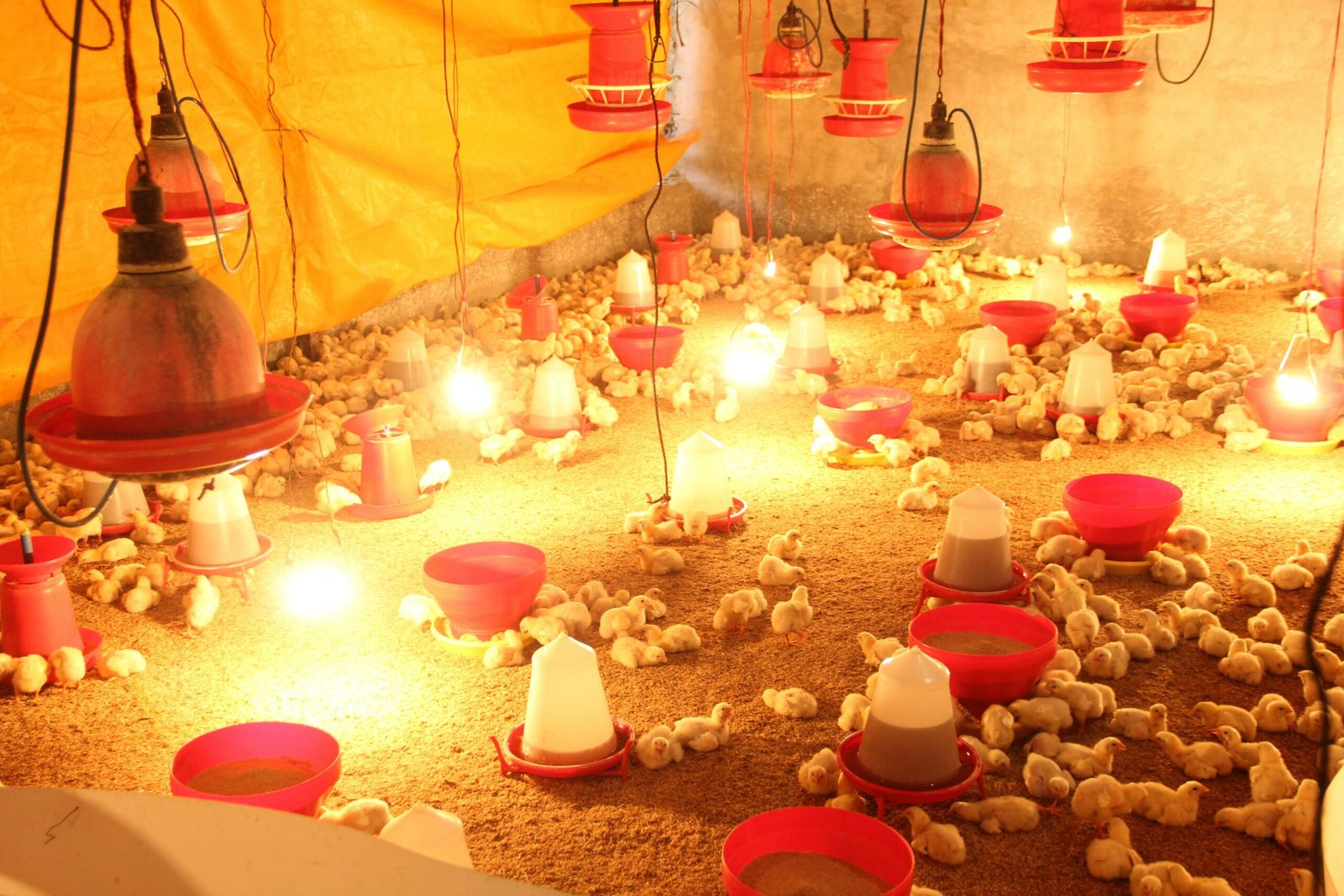
Let me be honest about both systems. I use electric brooders as my primary heat source. But the charcoal stove brooder is my insurance policy.
Reliability During Power Cuts: This is the biggest advantage. NEPA doesn’t control your charcoal supply. You’re independent.
Lower Running Costs: Electricity bills can shock you, especially during brooding season. Charcoal is cheaper over time for small-scale farmers.
Simple Maintenance: No wires to replace, no bulbs to buy. If something breaks, any local welder can fix it.
Portable: You can move it anywhere. Try moving an electric brooder to a location without power connections.
According to National Agricultural Extension and Research Liaison Services (NAERLS), small-scale farmers using backup heat sources have 28% lower chick mortality rates than those relying solely on electricity.
Safety Precautions You Must Follow
Fire safety is not something to joke about. I take this seriously because I’ve heard stories about farms that burned down.
Keep Fire Extinguisher Nearby: Every poultry house should have a fire extinguisher. If you can’t afford one, keep buckets of sand available. Sand smothers flames better than water on charcoal fires.
No Flammable Materials Around: Don’t store feed bags, wood shavings, or newspapers near the brooder. Keep at least 2 meters clearance.
Supervise Children: If you have kids, teach them to stay away from the brooder. This is not a toy or cooking stove. It’s a specialized farming tool.
Carbon Monoxide Awareness: Burning charcoal produces carbon monoxide. This gas is dangerous in enclosed spaces. Always ensure proper ventilation. Never use charcoal brooders in completely sealed rooms.
I once visited a farmer who complained of headaches after spending time in his brooder room. The room had no windows. We installed ventilation immediately. His headaches stopped.
Combining Charcoal and Electric Brooders
Smart farmers don’t choose one or the other. They use both systems together. This is what I do, and it’s what I recommend during training sessions.
Set up your electric brooder as the main heat source. Position your charcoal stove brooder nearby, ready to activate when NEPA fails. This dual system gives you peace of mind.
During normal power supply, the electric brooder handles everything. When power fails, you light up the charcoal brooder within 30 minutes. Your chicks experience minimal temperature drop.
A farmer I trained in Ogbunike uses this system perfectly. She told me, “Brother Pius, since you taught me this method, I haven’t lost a single chick to cold stress. Even when NEPA held light for three days straight, my charcoal saved me.”
When to Stop Using the Brooder
Many new farmers ask me when they can stop brooding their chicks. The answer depends on several factors.
Age: Most broiler chicks can handle room temperature after 3-4 weeks. Local breeds and layers might need heat slightly longer, up to 5 weeks.
Weather: During harmattan (December-February), chicks need brooding longer than during hot season (March-May). Use common sense and watch your chicks’ behavior.
Feather Development: When chicks have full feather coverage, especially on their backs and wings, they can regulate their own temperature better.
Don’t rush to stop brooding just to save charcoal or electricity. Inadequate heat during early life affects growth performance permanently. Those chicks will never catch up with properly brooded ones.
Troubleshooting Common Problems
Problem: Smoke in the Brooder Room
This usually means poor ventilation or wet charcoal. Check your room ventilation first. Open windows if needed. Make sure your charcoal is completely dry before use.
Problem: Temperature Keeps Dropping
You might be using poor quality charcoal that burns too fast. Switch to hardwood charcoal. Also, check if your hood is too high above the heat source. Lower it slightly to trap more heat.
Problem: Chicks Avoiding the Brooder Area
The temperature is too high. Remove some charcoal immediately. Raise the hood higher. Give chicks space to move away from heat if needed.
Problem: Uneven Heat Distribution
This happens when the charcoal isn’t spread evenly on the mesh. Rearrange the burning charcoal to create uniform heat. Some farmers use multiple smaller charcoal piles instead of one large pile.
Additional Tips from 8 Years of Experience
Let me share some tricks I’ve learned that make how to construct a charcoal stove brooder for poultry more effective:
Use Ash Wisely: The ash from your charcoal stove is valuable. Mix it with your compost or use it as lime substitute. Don’t waste it. Some farmers in my area sell ash to vegetable gardeners.
Keep Records: Write down how much charcoal you use each day. Note the outside temperature and chick behavior. After one or two batches, you’ll have data that makes management easier.
Build Two Brooders: If you regularly brood more than 200 chicks, build two smaller brooders instead of one large one. This gives you flexibility and backup options.
Night Checking Routine: I check my brooders at 10 PM and 4 AM during the first week. Yes, it disrupts sleep. But this routine has saved me from losing chicks countless times.
Join Farmer Groups: Connect with other poultry farmers in your area. We have a WhatsApp group for Oyi LGA farmers. We share tips, warn each other about disease outbreaks, and support one another. Knowledge sharing makes everyone better.
The Nigerian Agricultural Quarantine Service (NAQS) recommends that farmers participate in local agricultural extension programs to improve farming practices and stay updated on best methods.
Real Stories from Farmers I’ve Trained
Chidi from Awkuzu told me his story in 2022. He started with 100 chicks and an electric brooder. After losing 40 chicks during a five-day power outage, he attended my training. He built a charcoal brooder following my instructions. His next batch had 97% survival rate. He’s now raising 500 birds per batch.
Ngozi from Nteje was skeptical about the charcoal method. She thought it was too traditional. After seeing her neighbor’s success, she tried it. She called me three weeks later saying, “Pius, this charcoal brooder is like insurance. I sleep better at night knowing my chicks are safe even without NEPA.”
Emeka from Nkpor improved on my basic design. He added wheels to his brooder stand, making it easy to move. He also created a rain cover for outdoor use during emergencies. Innovation like this makes me proud of the farmers I train.
Environmental Considerations
Some people worry about charcoal use and deforestation. This is a valid concern. I encourage farmers to buy charcoal from sustainable sources.
In Anambra State, several groups produce charcoal from agricultural waste and invasive plant species. This charcoal works just as well and doesn’t contribute to forest destruction.
You can also use alternative fuels like palm kernel shells or sawdust briquettes. These burn slower than regular charcoal and are cheaper. I’ve experimented with both, and they work fine for brooding.
The Nigerian Conservation Foundation (NCF) promotes sustainable agricultural practices that balance productivity with environmental protection. Small-scale farmers can contribute by choosing eco-friendly fuel sources.
Conclusion: Your Next Steps
You now know how to construct a charcoal stove brooder for poultry from someone who uses this method successfully. The construction is simple. The materials are affordable. The benefits are real.
Don’t wait until you lose chicks during a power outage to build your backup brooder. Do it now while you have time to test and adjust the system.
Start small if you’re unsure. Build one brooder for practice. Use it alongside your electric brooder. Gain confidence in managing charcoal heat. Then decide whether to expand.
Remember what my mentor told me in 2017: “In Nigerian poultry farming, the farmer who prepares for failure is the one who succeeds.” Power failure will happen. Generators will break down. But your charcoal brooder will be there, ready to save your investment.
If you’re in Anambra State, reach out to agricultural extension officers at the Anambra State Ministry of Agriculture. They organize training programs regularly. I sometimes participate as a resource person, teaching practical skills like this.
Every successful poultry farmer I know has faced challenges. The difference between success and failure is preparation. Your charcoal stove brooder is one of the best preparations you can make.
Start building today. Your chicks will thank you by growing healthy and strong, regardless of what NEPA decides to do.
Frequently Asked Questions
How much does it cost to build a charcoal stove brooder for 100 chicks?
Building a charcoal stove brooder for 100 chicks costs between ₦6,700 and ₦12,600 depending on your location and material sources. I built mine for ₦8,000 at Onitsha market. This includes the metal basin, wire mesh, stands, and thermometer.
Charcoal running cost is about ₦150-₦200 daily during the first week. This reduces as chicks grow older and need less heat. Compared to a ₦35,000 electric brooder plus electricity bills, the charcoal option saves money, especially for small-scale farmers starting out.
Can I use the charcoal stove brooder indoors safely?
Yes, but you must have proper ventilation. Never use a charcoal brooder in a completely sealed room. Burning charcoal produces carbon monoxide, which is dangerous in enclosed spaces. I always ensure my brooder room has at least two windows open.
Install mesh screens on windows to keep predators out while allowing fresh air in. Keep a thermometer at chick level to monitor heat without needing to stay inside the room constantly. If you smell strong smoke or feel dizzy in the room, that’s a warning sign of poor ventilation. Open more windows immediately.
How often should I add charcoal during brooding?
During the first week, check your charcoal every 3-4 hours. Add more when about half of the previous batch has burned to ash. Don’t let all charcoal burn out completely, or the temperature will drop too fast. I add charcoal three times daily: morning (7 AM), afternoon (2 PM), and evening (8 PM).
Then I load enough at 10 PM to last until 5 AM. By the second week, chicks need less heat. You can reduce charcoal additions to twice daily. Some farmers set phone alarms as reminders. This prevents forgetting, especially at night when the temperature drops.
What type of charcoal burns longest for brooding?
Hardwood charcoal burns longest and produces steadier heat. In Nigeria, charcoal from trees like African oak or ironwood works best. Avoid quick-light charcoal sold for barbecue parties. That type burns too fast and wastes money.
Good quality charcoal feels heavy, makes a clear ringing sound when pieces knock together, and has few cracks. I buy mine from trusted suppliers in Onitsha who source from sustainable forestry operations. One ₦500 bag of quality hardwood charcoal lasts three days for 100 chicks during the first week.
Cheap charcoal might cost ₦400 but burns out in two days. Calculate cost per day, not cost per bag.
Is charcoal brooding better than gas or kerosene brooders?
Each heat source has advantages. Charcoal is cheaper than gas and more reliable than electricity in Nigeria. Kerosene brooders work well but fuel costs add up quickly. Gas brooders are efficient but require initial investment in cylinders and regulators.
I prefer charcoal as backup because it’s accessible everywhere in Nigeria, even in remote areas. You can buy charcoal from roadside vendors in any village. Try finding gas refills at midnight in a rural area. That’s difficult. For primary brooding, combine methods.
Use electricity or gas when available, then switch to charcoal during emergencies. This flexibility saved my farming business multiple times.
How do I prevent my chicks from getting burned by the charcoal stove?
Install a protective barrier around the brooder. I use chicken wire formed into a circle, keeping chicks at least 50cm away from the heat source. The heat radiates through the air, so chicks don’t need to touch the stove to stay warm.
Check that the wire mesh holding charcoal is secure and won’t collapse. I test this by pressing down hard on the mesh before adding charcoal. Make sure the entire setup sits stable on level ground. A wobbly brooder can tip over.
During my training sessions, I emphasize this point heavily. One farmer in Nkpor ignored my advice and had a close call when his brooder tilted. Thankfully, he caught it before disaster struck.
Can I use local materials instead of buying everything new?
Absolutely! I encourage using recycled materials to reduce costs. Old paint buckets work perfectly as the basin. Visit local mechanics or scrap dealers for metal sheets and wire mesh.
Many farmers use clay pots as brooder hoods instead of metal sheets. One creative farmer in Aguleri used an old car rim as his charcoal holder.
It worked beautifully. The key is ensuring materials are clean, safe, and properly ventilated. Don’t use anything that contained poisonous chemicals like pesticides or engine oil.
Wash all recycled materials thoroughly with soap and water. Let them dry completely in sunlight before use. This approach makes brooder construction affordable for any farmer, regardless of budget.
What should I do if my charcoal stove brooder produces too much smoke?
Too much smoke means one of three problems: wet charcoal, poor ventilation, or incomplete combustion. First, check your charcoal quality. Squeeze a piece hard in your hand.
If moisture comes out, the charcoal is wet. Spread it in the sun for at least 6 hours before use. Second, improve room ventilation by opening more windows. Third, ensure your charcoal basin has enough air holes at the bottom. I punch 15-20 holes around the basin sides to allow oxygen flow.
Some farmers cover their charcoal too tightly with ash thinking it saves fuel. This actually creates more smoke and less heat. Let the charcoal breathe properly. If smoke persists after these fixes, switch to a different charcoal supplier. Quality matters significantly in brooding operations.
References:
- National Agricultural Extension and Research Liaison Services (NAERLS) – Poultry Management Guidelines: https://naerls.gov.ng
- Nigerian Institute of Animal Science (NIAS) – Broiler Production Standards: https://nias.gov.ng
- Anambra State Ministry of Agriculture – Livestock Development Programs: https://agriculture.anambrastate.gov.ng