Best Bedding Material for Day-Old Chicks Brooding in Nigeria: A Complete Guide
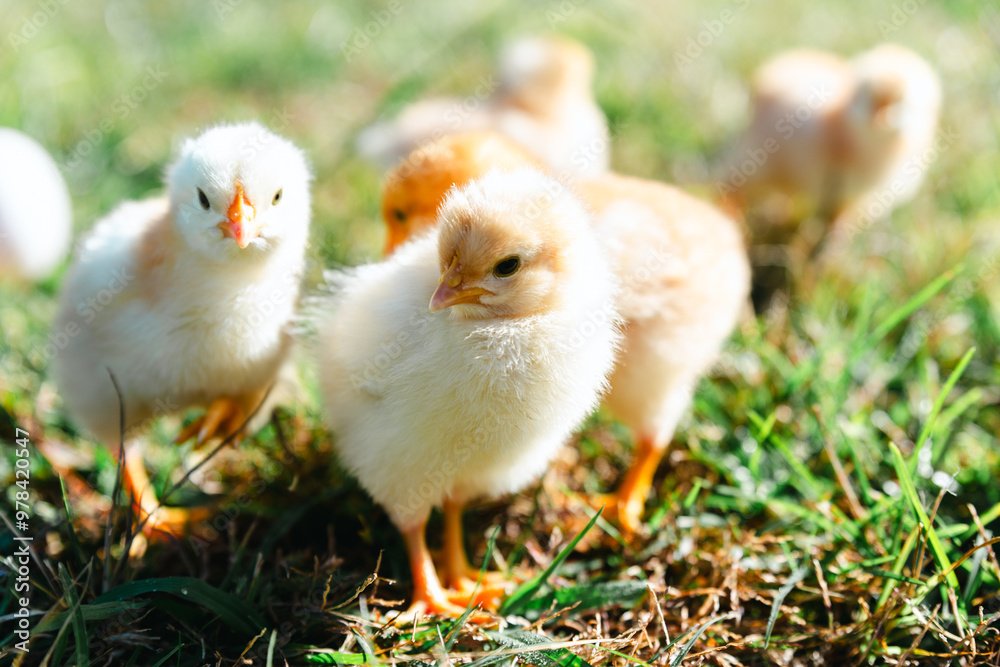
When I started chicken farming in 2017 at Oyi Local Government Area, Anambra State, I lost 43 day-old chicks in my first batch of 100. The problem? Wrong bedding material.
I used fresh sawdust from a furniture shop near Awkuzu junction. The sawdust was too fine. It blocked the chicks’ nostrils. Some ate it and died.
That painful lesson taught me everything about bedding material for day-old chicks brooding. Today, I train farmers across Anambra. I’ve seen the same mistakes repeated. This guide will save you money and chicks.
Why Bedding Material Matters for Day-Old Chicks
Day-old chicks cannot regulate their body temperature. They need warmth from the brooder and proper bedding material. The right bedding keeps them warm, dry, and healthy.
Wrong bedding causes:
- Respiratory problems
- Leg deformities
- High mortality rates
- Pest infestations
- Poor growth
I remember visiting a farmer in Nteje in 2019. He used newspaper as bedding. Within three days, 60% of his chicks developed leg splay. The newspaper was too slippery. The chicks couldn’t stand properly.
Understanding Brooding Basics in Nigerian Climate

Nigeria’s climate affects your choice of bedding material for day-old chicks brooding. We have two main seasons. Each season needs different management.
Dry Season (November to March):
- Low humidity
- Dust problems
- Easier to maintain dry bedding
Rainy Season (April to October):
- High humidity
- Wet bedding issues
- More frequent changing needed
In Oyi Local Government Area, the harmattan wind between December and January makes bedding very dusty. I learned to spray water lightly on wood shavings during this period.
Top 5 Bedding Materials Used in Nigeria
1. Wood Shavings
Wood shavings are the most popular bedding material for day-old chicks brooding in Nigeria. They absorb moisture well. They provide good insulation.
Advantages:
- Excellent moisture absorption
- Good insulation properties
- Readily available in most Nigerian states
- Comfortable for chicks
- Easy to remove and clean
Disadvantages:
- Can be dusty if too fine
- May contain harmful chemicals from treated wood
- More expensive than some alternatives
- Quality varies by source
Cost in Anambra State (2025): ₦1,200 to ₦2,000 per bag
I buy wood shavings from sawmills in Awka. I avoid furniture shops. Furniture wood often has varnish or chemicals. These chemicals harm chicks.
One farmer I trained in 2021, Chidi from Awkuzu, used shavings from a furniture maker. He lost 35 chicks from respiratory distress. The wood had been treated with preservatives.
How to Use Wood Shavings Properly:
- Spread 2-3 inches deep in the brooder
- Check for dust by squeezing a handful
- Remove any large wood chips
- Stir daily to prevent caking
- Replace when 30% wet
2. Rice Husks
Rice husks are affordable and common in Nigeria. They work well in areas with rice mills. I use them often during rainy season.
Advantages:
- Very affordable
- Light weight
- Good drainage
- Less dusty than wood shavings
- Natural and chemical-free
Disadvantages:
- Less insulation than wood shavings
- Can blow away easily
- May harbor rice weevils
- Needs frequent replacement
Cost in Anambra State (2025): ₦500 to ₦800 per bag
At a workshop in Onitsha in 2023, a farmer asked about rice husks. She had a rice mill nearby. I advised her to sun-dry the husks for three days. This kills insects and reduces moisture.
She reported back after three weeks. Her chicks did well. Mortality was only 2%.
3. Groundnut Husks (Peanut Shells)
Groundnut husks are popular in northern Nigeria. They’re less common in the southeast. But they work excellently as bedding material for day-old chicks brooding.
Advantages:
- Good absorption
- Affordable in northern states
- Natural and safe
- Good insulation
Disadvantages:
- Not readily available in southern Nigeria
- Can get moldy quickly in humid conditions
- May attract rodents if stored poorly
- Dusty when dry
Cost in Northern States (2025): ₦400 to ₦700 per bag
I once visited a farm in Kaduna. The farmer used groundnut husks. His brooding success rate was 96%. The climate there is drier. Groundnut husks stayed dry longer.
4. Chopped Straw
Straw from rice, wheat, or other crops can work. But it needs proper preparation. I don’t recommend it for beginners.
Advantages:
- Can be sourced locally
- Biodegradable
- Cheap or free in farming communities
Disadvantages:
- Must be chopped to 2-3 inches
- Can harbor mold and fungi
- Poor moisture absorption
- Chicks may eat it
- Labor-intensive to prepare
Cost: Usually free if you grow crops
A farmer in Ayamelum tried using full-length straw in 2020. The chicks got tangled. Some suffocated under the straw. He lost 28 chicks before switching to wood shavings.
5. Shredded Paper (Not Recommended as Primary Bedding)
Some urban farmers try newspaper or shredded paper. This is a last resort option. It has many problems.
Advantages:
- Free or very cheap
- Available in cities
- Emergency option
Disadvantages:
- Becomes slippery when wet
- Ink may be toxic
- Poor insulation
- Causes leg problems
- Needs daily replacement
I only mention this because farmers ask about it. Don’t use it unless you have absolutely no other option.
Comparison Table: Bedding Materials for Day-Old Chicks
| Bedding Material | Cost per Bag (₦) | Moisture Absorption | Insulation | Availability in Southeast | Risk Level | Recommended? |
|---|---|---|---|---|---|---|
| Wood Shavings | 1,200-2,000 | Excellent | Excellent | High | Low (if chemical-free) | Yes |
| Rice Husks | 500-800 | Very Good | Good | Medium | Low | Yes |
| Groundnut Husks | 400-700 | Very Good | Very Good | Low | Low | Yes (if available) |
| Chopped Straw | Free-300 | Fair | Fair | High | Medium | With caution |
| Shredded Paper | Free-100 | Poor | Poor | High | High | No |
How to Choose the Right Bedding Material for Day-Old Chicks Brooding
Your choice depends on five factors:
1. Location and Availability
Use what’s readily available. Don’t waste money on transport. I’m in Oyi where sawmills are common. Wood shavings work best for me.
If you’re near Abakaliki with rice farms, use rice husks. If you’re in Kano with groundnut farms, use groundnut husks.
2. Your Budget
Start-up farmers need affordable options. Rice husks cost less than wood shavings. But wood shavings last longer. Calculate cost per week, not per bag.
Example from my farm:
- One bag of wood shavings (₦1,500) lasts 10-12 days
- One bag of rice husks (₦600) lasts 5-6 days
Wood shavings cost ₦125 per day. Rice husks cost ₦100 to ₦120 per day. The difference is small.
3. Season and Weather
Rainy season needs better absorption. I use wood shavings during rains. Dry season allows rice husks. Harmattan requires dust control.
4. Flock Size
Small flocks (50-100 chicks) can use any material. Large flocks (500+) need cost-effective options. Rice husks work better for large commercial farms.
5. Storage Space
Wood shavings need dry storage. Wet wood shavings grow mold fast. If your storage leaks, choose materials that dry quickly.
Step-by-Step Guide to Preparing Bedding Material
For Wood Shavings:
- Inspect the source: Visit the sawmill. Check what type of wood they process. Avoid treated wood.
- Check for dust: Squeeze a handful. If dust clouds form, it’s too fine.
- Screen for debris: Remove large wood chips, nails, or metal pieces. I use a wire mesh screen.
- Sun-dry if needed: Fresh shavings may be damp. Spread them in the sun for 2-3 hours.
- Store properly: Keep in dry bags. Raise off the ground. Cover from rain.
At a training session in Abagana in 2022, I taught 30 farmers this screening process. Many had never thought to check their shavings. One farmer found three rusty nails in his bag.
For Rice Husks:
- Source from active mills: Old stored husks harbor insects.
- Sun-dry for 2-3 days: Spread thin on concrete or tarpaulin. Turn twice daily.
- Check for rice grains: Remove any whole rice. It attracts rodents.
- Screen for stones: Rice processing sometimes leaves small stones.
- Store in sealed bags: Rice husks attract weevils. Seal storage bags tightly.
Common Mistakes Nigerian Farmers Make with Bedding Material
Mistake 1: Using Fresh Sawdust Instead of Shavings
Sawdust is too fine. It creates dust. Chicks inhale it. This causes respiratory problems.
I made this mistake in my first batch. The chicks sneezed constantly. Some had watery eyes. I switched to proper shavings. The sneezing stopped within hours.
Mistake 2: Spreading Bedding Too Thin
Many farmers use only 1 inch of bedding. This is too thin. The floor stays cold. Chicks develop cold stress.
Proper depth: 2-3 inches minimum.
Mistake 3: Not Stirring Daily
Bedding cakes when wet. Stirring breaks up caked areas. It allows moisture to evaporate. It prevents ammonia buildup.
One farmer I mentor, Ada from Nkpor, called me in 2023. Her chicks were dying at night. I visited her farm. The bedding was caked solid. Ammonia smell was strong. We stirred the bedding. Added fresh material. Mortality stopped.
Mistake 4: Waiting Too Long to Replace Wet Bedding
Wet bedding causes:
- Respiratory infections
- Leg problems
- Cold stress
- Bacterial growth
- Ammonia poisoning
Replace bedding when 30% is wet. Don’t wait for 100% wetness.
Mistake 5: Using Treated or Painted Wood Shavings
I’ve seen farmers use shavings from:
- Painted wood
- Varnished furniture
- Pressure-treated poles
- Plywood with glue
All these are dangerous. They release toxic fumes. Chicks die from poisoning.
A farmer in Aguata used plywood shavings in 2021. He bought them cheap. Within two days, 80% of his chicks were dead. Lab results showed chemical poisoning.
Mistake 6: Mixing Old and New Bedding
Never mix old used bedding with new bedding. Old bedding contains:
- Bacteria
- Fungi
- Parasites
- Disease organisms
This is basic biosecurity. Yet many farmers do it to save money. They lose more money from dead chicks.
Health Problems Caused by Wrong Bedding

Respiratory Distress
Symptoms:
- Open-mouth breathing
- Sneezing
- Watery eyes
- Reduced activity
- Huddling together
Causes:
- Dusty bedding
- Ammonia from wet bedding
- Mold spores
Solution: Replace bedding immediately. Improve ventilation. Use coarser materials.
Leg Deformities (Splay Leg)
Symptoms:
- Legs spread apart
- Cannot stand properly
- Unable to walk to feed and water
- Sliding movements
Causes:
- Slippery bedding (newspaper, smooth paper)
- Wet, compacted bedding
- No grip for feet
Solution: Add coarse material. Use wood shavings or rice husks. Provide textured surface.
I’ve seen this many times. It breaks my heart. Once the legs splay, it’s hard to fix. Prevention is everything.
Impacted Crop
Symptoms:
- Swollen crop
- Reduced appetite
- Slow growth
- Death in severe cases
Causes:
- Chicks eating bedding material
- Very hungry chicks
- Mistaking bedding for feed
Solution: Feed chicks immediately upon arrival. Use paper for first 3 days. Then switch to proper bedding.
According to research from the National Agricultural Extension and Research Liaison Services (NAERLS), Ahmadu Bello University, proper brooding management reduces day-old chick mortality by up to 80% (https://naerls.gov.ng).
Best Practices from 8 Years of Experience
Practice 1: Layer Newspaper First (First 3 Days Only)
For the first 72 hours, I put newspaper over the bedding. This prevents chicks from eating bedding. They learn where the feed is.
After 3 days, remove the newspaper. The chicks know their feed now.
Practice 2: Create a Bedding Management Schedule
Daily Tasks:
- Stir bedding morning and evening
- Remove caked wet spots
- Add fresh material to wet areas
- Check for ammonia smell
Weekly Tasks:
- Deep stir entire floor
- Remove heavily soiled areas
- Add 1 inch of fresh bedding
- Check floor for damage
Full Replacement:
- Every 2-3 weeks depending on flock size
- After every batch (between batches)
- Whenever ammonia smell is strong
Practice 3: Use the “Squeeze Test”
Pick up a handful of bedding. Squeeze it.
- If water drips: Too wet, replace immediately
- If it stays in a ball: Too wet, needs stirring or replacement
- If it falls apart: Perfect moisture level
- If dust flies: Too dry, spray lightly with water
I teach this test in all my workshops. It’s simple. Anyone can do it.
Practice 4: Monitor Chick Behavior
Your chicks tell you if bedding is wrong:
- Huddling in one spot: Bedding too cold or wet in other areas
- Standing on one leg: Floor too cold
- Sneezing frequently: Bedding too dusty
- Eating bedding: They’re hungry or curious
- Dirty feathers: Bedding too wet
Mrs. Ngozi, a farmer I trained in 2024, called me worried. Her chicks were all in one corner. I asked about the bedding. She had spread it unevenly. One side was thin and cold. We fixed it. Chicks spread out immediately.
Practice 5: Source Bedding Locally
Transport costs kill profits. Find bedding sources within 20-30 km. Build relationships with suppliers. Get consistent quality.
I source from three sawmills within 15 km of my farm. I visit them monthly. They know what I need. They save quality shavings for me.
Economic Analysis: Bedding Costs for 100 Day-Old Chicks
Let me share real numbers from my farm. This is for 4 weeks of brooding 100 chicks in Oyi, Anambra State.
Option 1: Wood Shavings
- Initial bedding (3 bags): ₦4,500
- Weekly top-up (2 bags × 4 weeks): ₦12,000
- Full replacement (week 3, 3 bags): ₦4,500
- Total: ₦21,000
- Per chick: ₦210
Option 2: Rice Husks
- Initial bedding (4 bags): ₦2,800
- Weekly top-up (3 bags × 4 weeks): ₦8,400
- Full replacement (week 2 and 4, 4 bags each): ₦11,200
- Total: ₦22,400
- Per chick: ₦224
Option 3: Mixed (Shavings + Rice Husks)
- Initial bedding (2 bags shavings): ₦3,000
- Top layer (2 bags rice husks): ₦1,400
- Weekly top-up (1 bag each): ₦6,800
- Full replacement (mixed): ₦4,400
- Total: ₦15,600
- Per chick: ₦156
The mixed option saves money. I discovered this in 2020. Wood shavings on bottom for insulation. Rice husks on top for absorption. Best of both materials.
Advanced Tips for Commercial Farmers
If you’re raising 500+ chicks, these tips matter:
Tip 1: Build a Bedding Storage Shed
Dry storage prevents waste. Wet bedding is useless. A simple shed with:
- Raised wooden platform
- Corrugated iron roof
- Wire mesh sides for ventilation
- Lock for security
My storage shed cost ₦45,000 to build in 2019. It saves me ₦2,000 monthly in ruined bedding.
Tip 2: Compost Used Bedding
Used bedding has value. Chicken manure in bedding makes excellent compost. Pile it with grass clippings. Water lightly. Turn monthly. After 3 months, you have organic fertilizer.
I sell composted bedding to vegetable farmers. They pay ₦200 per bag. This recovers 40% of my bedding costs.
Tip 3: Pre-heat the Brooder with Bedding
Put bedding in the brooder 24 hours before chicks arrive. Run the heat source. This warms the bedding. Chicks arrive to comfortable warmth.
Cold bedding shocks day-old chicks. Even with a good heat source. Warm bedding makes a difference.
Tip 4: Use Different Bedding Depths by Zone
Near the heat source: 2 inches (chicks spend less time there) Middle zone: 3 inches (most activity happens here) Far zone: 2 inches (cooler area needs less)
This saves bedding material. It concentrates comfort where needed most.
Regional Variations Across Nigeria
Southwest Nigeria (Lagos, Ogun, Oyo)
Available materials:
- Wood shavings (abundant)
- Rice husks (less common)
- Cocoa pod husks (experimental)
Challenges:
- High humidity
- Space constraints in urban areas
- Higher costs
A farmer from Ibadan told me at a conference in 2023 that wood shavings cost ₦2,500 per bag there. That’s 25% more than Anambra.
Northeast Nigeria (Borno, Yobe, Adamawa)
Available materials:
- Groundnut husks (abundant)
- Millet straw
- Sorghum straw
Challenges:
- Extreme heat
- Dust during harmattan
- Insecurity affecting supply chains
Northcentral Nigeria (Nasarawa, Benue, Kogi)
Available materials:
- Rice husks (from Benue rice mills)
- Wood shavings
- Yam peelings (not recommended)
Challenges:
- Seasonal availability
- Rural access issues
According to a 2024 report by the National Agricultural Land Development Authority (NALDA), standardized brooding practices could increase national poultry productivity by 35% (https://nalda.gov.ng).
Safety and Health Precautions
Precaution 1: Avoid Moldy Bedding
Mold releases spores. Spores cause respiratory disease. Check bedding for:
- White fuzzy growth
- Green or black spots
- Musty smell
- Clumping
Moldy bedding must be discarded. Don’t compost it near your farm. The spores spread.
I once bought “cheap” wood shavings from a closed sawmill. The shavings had been stored for months. They were moldy. I lost 15 chicks before I figured it out.
Precaution 2: Dust Protection for Yourself
Handling dusty bedding affects your health too. I learned this the hard way. After three years of farming, I developed a persistent cough.
Protect yourself:
- Wear a dust mask when handling bedding
- Work in ventilated areas
- Wash hands thoroughly after
- Change clothes before entering your home
Precaution 3: Fire Safety
Dry bedding burns easily. Keep it away from:
- Heat lamps
- Electrical wires
- Smoking areas
- Open flames
A farmer in Enugu lost his entire chicken house in 2022. A faulty heat lamp fell into the bedding. Everything burned. 300 chicks died. ₦2 million lost.
Fire prevention tips:
- Secure all heat sources properly
- Use bulb guards on heat lamps
- Keep fire extinguisher nearby
- Never smoke near bedding storage
Precaution 4: Parasite Control
Used bedding harbors parasites:
- Mites
- Lice
- Worm eggs
- Coccidia
Never reuse old bedding. Clean brooder thoroughly between batches. Disinfect before adding fresh bedding.
What Farmers Say: Real Testimonials

Chukwudi Okonkwo, Njikoka LGA: “I attended Pius’s workshop in 2023. He taught me about wood shavings quality. I was buying from the wrong source. My chick mortality was 20%. After changing to proper shavings, mortality dropped to 4%. That single change saved my business.”
Ebere Udeh, Aguata LGA: “The mixed bedding method works! I now use wood shavings at bottom, rice husks on top. My bedding costs reduced by 30%. Chicks are healthier. I wish I knew this earlier.”
Ibrahim Suleiman, Kaduna (visiting farmer): “In the north, we use groundnut husks. They work excellently. But visiting Pius’s farm, I learned better management. Stirring daily made the biggest difference. Simple but effective.”
Frequently Asked Questions
Can I Use Sand as Bedding for Day-Old Chicks?
No, never use sand for day-old chicks. Sand is too cold. It doesn’t provide insulation. Chicks cannot regulate body temperature on sand.
Sand also causes impacted crop. Chicks peck at everything. They eat sand particles. This blocks their digestive system.
I know farmers who use sand for older birds (8 weeks+). But never for brooding day-old chicks.
How Often Should I Change Bedding Material for Day-Old Chicks?
Change wet spots daily. Stir the entire floor twice daily. Add fresh material weekly. Replace everything every 2-3 weeks.
The “30% rule” works well: When 30% of your bedding is wet or caked, do a full replacement.
For 100 chicks in a 3m × 3m brooder, I do complete changes on days 1, 14, and 28.
Is Rice Husk Better Than Wood Shavings for Brooding?
Neither is absolutely better. Each has advantages.
Wood shavings are better for:
- Cold weather
- Better insulation
- Longer-lasting
Rice husks are better for:
- Hot weather
- Budget constraints
- Areas near rice mills
I recommend wood shavings for your first batch. You learn proper management with quality material. Later, you can experiment with alternatives.
Can Newspaper Alone Be Used as Bedding Material for the Entire Brooding Period?
Absolutely not. Newspaper works only for the first 3 days over proper bedding.
Using newspaper alone causes:
- Leg deformities
- Cold stress
- Poor insulation
- Slippery surface
- Ink toxicity
Any farmer using newspaper alone will see high mortality. This is guaranteed.
What Depth of Bedding Material Is Ideal for Day-Old Chicks?
Start with 2-3 inches of bedding material. This depth provides:
- Proper insulation
- Good moisture absorption
- Comfortable footing
- Easy stirring
Too thin (less than 2 inches): Floor stays cold, poor absorption Too thick (more than 4 inches): Harder to manage, costs more, difficult to stir
I use exactly 2.5 inches. I measured it when starting. Now I know by sight.
How Do I Know When Bedding Needs Replacement?
Watch for these signs:
Visual signs:
- Dark, wet patches
- Caked, hardened areas
- Visible mold growth
- Heavy soiling under waterers
Smell test:
- Strong ammonia smell
- Sour odor
- Musty smell
Chick behavior:
- Avoiding certain areas
- Constant sneezing
- Dirty feathers
- Huddling in one spot
Don’t wait for all signs. One or two signs mean immediate action needed.
Can I Mix Different Types of Bedding Materials Together?
Yes, mixing works excellently. My favorite combination:
Bottom layer (2 inches): Wood shavings for insulation Top layer (1 inch): Rice husks for absorption
This mixed approach:
- Reduces costs by 25-35%
- Combines benefits of both materials
- Improves moisture management
- Extends bedding life
Avoid mixing sawdust with anything. Sawdust is always problematic.
Where Can I Buy Quality Bedding Material in Nigeria?
For wood shavings:
- Local sawmills (best option)
- Lumber yards
- Carpentry workshops
- Agricultural supply stores
For rice husks:
- Rice processing mills
- Feed mills (some stock it)
- Agricultural markets
- Direct from rice farmers
Important: Visit the source first. Inspect quality before buying in bulk. Build relationships with reliable suppliers.
In Anambra, I recommend:
- Sawmills along Enugu-Onitsha expressway
- Rice mills in Ayamelum LGA
- Agricultural stores in Awka market
Call ahead. Many suppliers deliver for bulk orders.
Final Thoughts: Lessons from 8 Years
Starting chicken farming seems complicated. I felt overwhelmed in 2017. But bedding management is actually simple.
Follow these core principles:
- Choose the right material for your location
- Keep it dry by stirring daily
- Replace when 30% wet
- Never compromise on quality to save money
- Learn from your chicks’ behavior
The ₦1,500 you save on cheap bedding will cost you ₦15,000 in dead chicks. I learned this the expensive way. You don’t have to.
My best advice: Start with wood shavings. Learn proper management. Once you understand the principles, experiment with alternatives.
Visit sawmills yourself. Touch and smell the shavings. Build relationships with suppliers. Your success depends on these fundamentals.
I’ve trained over 200 farmers in Anambra and neighboring states. The successful ones have one thing in common: they take bedding management seriously.
This isn’t glamorous work. It’s daily commitment. But proper bedding material for day-old chicks brooding determines if you’ll succeed or fail in chicken farming.
Eight years ago, I lost 43 chicks from wrong bedding. Last month, I brooded 500 chicks. Only 8 died (1.6% mortality). Most died from unrelated causes, not bedding issues.
This difference came from applying everything I shared in this guide.
Your turn now. Apply these lessons. Start small. Learn constantly. Your chicks will thrive.
Additional Resources
For more information on poultry farming in Nigeria:
- National Agricultural Extension and Research Liaison Services (NAERLS): https://naerls.gov.ng
- National Agricultural Land Development Authority (NALDA): https://nalda.gov.ng
- Federal Ministry of Agriculture and Food Security: https://fmard.gov.ng
Visit these sites for updated statistics, training programs, and government support for poultry farmers.
Remember: farming is learning. Every batch teaches something new. Stay humble. Keep improving. Success will follow.
If you’re in Anambra State, visit my farm in Oyi LGA. I run monthly training sessions. Learn hands-on. See the bedding materials. Ask questions. Real learning happens by doing.
Good luck with your chicken farming journey. May your chicks grow strong and healthy.
Pius Emeka Chicken Farmer and Trainer Oyi Local Government Area, Anambra State 8 Years Experience in Poultry Farming
Disclaimer: This article provides general guidance based on personal experience and available research. Individual results may vary based on location, climate, and management practices.
Always consult with local agricultural extension officers for advice specific to your situation. The author is not responsible for any losses incurred from implementing these recommendations.