
Beat Coccidiosis in Chickens: Natural Remedies That Actually Work in Nigeria
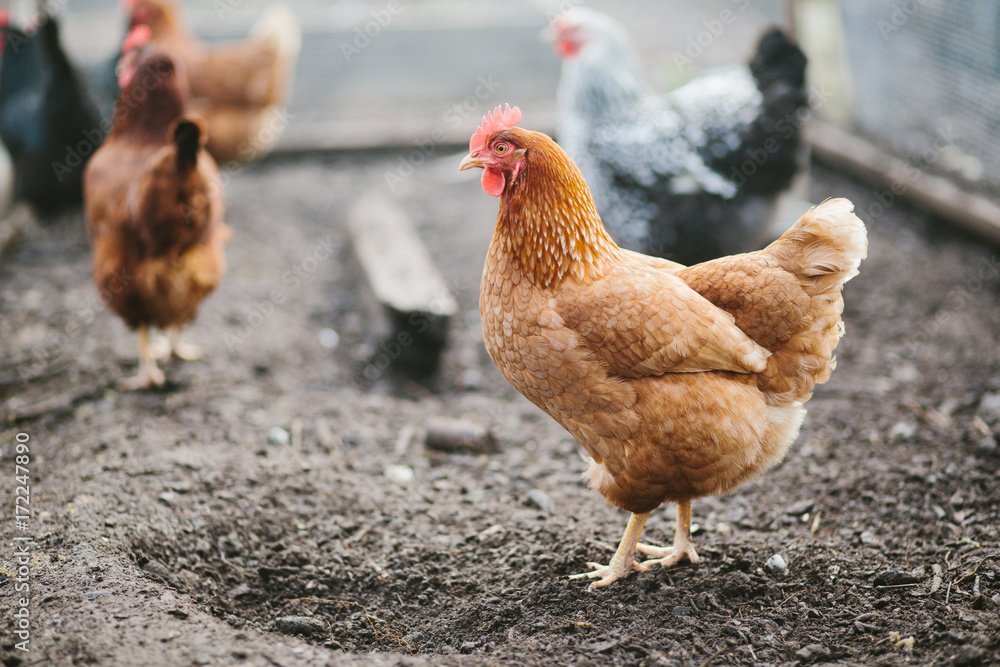
My name is Pius Emeka. I farm chickens in Oyi Local Government Area, Anambra State. For eight years, I’ve watched too many farmers lose birds to coccidiosis. This disease kills more chickens than any other problem I see.
Coccidiosis in chickens Nigeria natural remedies treatment works better than expensive drugs. I’ll share what I’ve learned from training over 200 farmers across Southeast Nigeria.
The rainy season brings the worst outbreaks. Last July, my neighbor Chidi lost 40 birds in one week. He didn’t know the warning signs. Don’t make his mistake.
What Is Coccidiosis and Why Should Nigerian Farmers Care?
Coccidiosis comes from tiny parasites called Eimeria. These parasites attack your chicken’s gut lining. They multiply fast when conditions are right.
Research shows that coccidiosis affects 31.8% of chickens in Nigeria. Studies from Maiduguri found this rate across both local and exotic breeds. In Akwa Ibom State, the rate jumps to 46%.
Young birds suffer the most. Chicks aged 3-6 weeks face the highest risk. Adult birds can carry parasites without showing symptoms.
Economic Impact on Nigerian Poultry
The numbers tell a scary story. Coccidiosis causes 11-15% profit loss on affected farms. In my area, farmers lose ₦50,000-₦150,000 per outbreak.
Here’s what happens to your money:
- Dead birds = direct loss
- Sick birds eat less = poor growth
- Treatment costs pile up
- Egg production drops
One farmer in my training group, Mama Ngozi, lost ₦200,000 in three months. She had 500 layers when coccidiosis hit. Production dropped from 400 eggs daily to just 150 eggs.
How to Spot Coccidiosis Early (Save Your Birds)
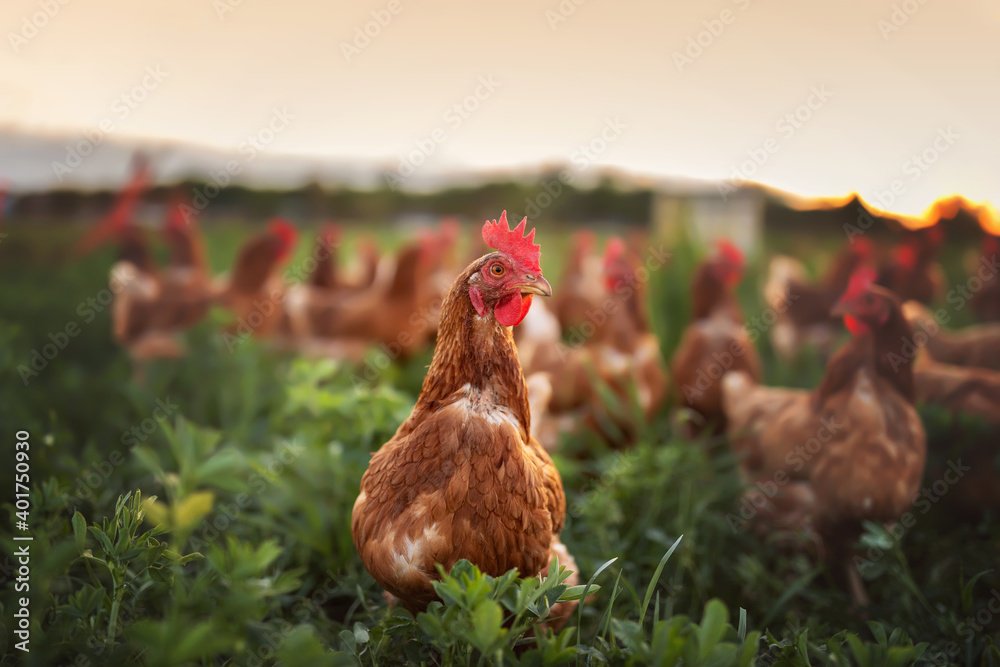
Early detection saves birds and money. I teach farmers to watch for these signs every morning:
Physical Symptoms to Watch For:
- Bloody droppings (most obvious sign)
- Watery diarrhea with mucus
- Birds sitting hunched up
- Ruffled feathers
- Loss of appetite
- Weight loss despite eating
- Pale comb and wattles
Behavioral Changes:
- Birds staying close to water
- Less movement around the pen
- Weak chirping sounds
- Crowding together more than usual
Blood in droppings doesn’t always mean coccidiosis. Other diseases cause similar symptoms. But when you see bloody droppings plus listless behavior, act fast.
During my workshop in Awka last year, I showed farmers photos of different dropping types. Many said they’d been missing early signs for months.
Understanding Coccidiosis in Nigeria’s Climate
Our hot, humid weather creates perfect conditions for Eimeria parasites. Coccidiosis in chickens Nigeria natural remedies treatment must consider our unique environment.
Why Nigeria’s Climate Favors Coccidiosis:
- High humidity helps oocysts survive
- Warm temperatures speed up lifecycle
- Rainy season creates damp conditions
- Poor drainage in many coops
The lifecycle works like this:
- Infected birds drop oocysts in feces
- Oocysts need 2-3 days to become infective
- Other birds eat contaminated feed/water
- Parasites multiply inside new host
- Cycle repeats in 4-7 days
Temperature matters. Oocysts develop fastest at 25-30°C. That’s our average temperature most of the year.
Proven Natural Remedies for Coccidiosis Treatment
I’ve tested many natural treatments over eight years. Some work well. Others waste your time and money. Here are the ones that actually work:
Apple Cider Vinegar (ACV) Treatment
This is my go-to remedy. Raw, unfiltered ACV with “mother” works best.
How to use:
- Add 30ml ACV to 1 liter of drinking water
- Give for 5 days straight
- Skip 2 days, then repeat cycle
- Continue for 3 weeks total
Why it works: ACV creates acidic conditions in the gut. Eimeria parasites struggle in low pH environments. Research supports this approach for coccidiosis in chickens Nigeria natural remedies treatment.
Mama Adanma from Ogbaru uses this method. She hasn’t lost a bird to coccidiosis in two years. Her secret? She starts ACV treatment at first signs of stress.
Garlic and Ginger Combination
Fresh garlic and ginger have natural antiparasitic properties. Studies show they boost chicken immunity while fighting parasites.
Recipe:
- 5 garlic cloves (crushed)
- 2 tablespoons fresh ginger (grated)
- 2 liters water
- Let sit overnight
- Give as only drinking water for 7 days
Important: Remove old mixture daily. Make fresh batches to avoid contamination.
Pumpkin Seeds and Pawpaw Seeds
Local farmers have used these seeds for generations. Modern research confirms their effectiveness against intestinal parasites.
Pumpkin seed method:
- Grind fresh pumpkin seeds
- Mix 1 tablespoon per kg of feed
- Feed for 10 days
- Best during rainy season prevention
Pawpaw seed method:
- Dry pawpaw seeds in shade
- Grind to powder
- Add 1 teaspoon per liter water
- Give for 5 days
Brother Emeka in Onitsha swears by pawpaw seeds. His free-range chickens stay healthy during wet months when other farms struggle.
Natural Prevention Strategies That Work
Prevention costs less than treatment. Smart management stops coccidiosis before it starts.
Coop Management for Prevention
| Management Practice | How It Helps | Implementation |
|---|---|---|
| Dry Litter | Prevents oocyst development | Change wet areas daily |
| Proper Ventilation | Reduces humidity | Install windows/vents |
| Regular Cleaning | Removes contamination | Clean weekly minimum |
| Separate Age Groups | Limits disease spread | Different pens for different ages |
| Quarantine New Birds | Prevents introduction | 14-day isolation period |
Herbal Prevention Program
I developed this program after watching too many preventable outbreaks:
Weekly herbal rotation:
- Week 1: ACV water (3 days)
- Week 2: Garlic water (2 days)
- Week 3: Normal water with probiotics
- Week 4: Ginger tea (2 days)
This rotation keeps the gut environment hostile to parasites while supporting beneficial bacteria.
Nutritional Support for Immunity
Strong birds resist coccidiosis better. Focus on these nutrients:
Vitamin A sources:
- Green vegetables (waterleaf, spinach)
- Yellow corn
- Palm oil (small amounts)
Vitamin C sources:
- Fresh fruits as treats
- Green leaves
- Sprouted grains
Protein for recovery:
- Fish meal
- Blood meal
- Groundnut cake
During training sessions, I emphasize that well-fed birds get sick less often. Nutrition is your first defense.
Advanced Natural Treatment Protocols
When basic remedies aren’t enough, step up to these protocols. I use these for severe cases or stubborn infections.
Intensive Treatment Protocol (Severe Cases)
Day 1-3:
- ACV water (double strength)
- Electrolyte solution
- Probiotics in feed
- Isolate affected birds
Day 4-7:
- Garlic and ginger tea
- Vitamin supplements
- Easy-digest feed only
- Monitor closely
Day 8-14:
- Herbal rotation begins
- Gradual return to normal feed
- Continue monitoring
Recovery Support Protocol
Recovering birds need special care. Their gut lining must heal before normal digestion returns.
Recovery feed mix:
- 60% fine corn meal
- 20% cooked rice
- 15% fish meal
- 5% groundnut oil
- Pinch of salt
Feed small amounts 4-5 times daily. This reduces gut stress while providing nutrition.
Plant-Based Treatments From Nigerian Flora
Our local plants offer powerful medicine. I’ve researched and tested these with university extension officers.
Neem (Dongoyaro) Treatment
Neem leaves have strong antiparasitic properties. Studies confirm effectiveness against Eimeria species.
How to prepare:
- Boil 50g fresh neem leaves in 2 liters water
- Simmer for 15 minutes
- Cool and strain
- Give as drinking water for 5 days
Safety note: Use only fresh, green leaves. Old or yellow leaves can be toxic.
Bitter Leaf (Onugbu) Remedy
Bitter leaf is common in Southeast Nigeria. It boosts immunity and fights parasites naturally.
Preparation:
- Squeeze fresh bitter leaves to extract juice
- Mix 2 tablespoons juice per liter water
- Give for 3 days maximum
- Too much causes diarrhea
Scent Leaf (Nchuanwu) Treatment
Scent leaf contains compounds that kill parasites while soothing inflamed gut tissue.
Recipe:
- Blend 20 fresh scent leaves with 1 liter water
- Strain well
- Give immediately (doesn’t keep long)
- Repeat daily for 5 days
Professor Okoro from University of Nigeria, Nsukka, confirmed these plants show promise. But he warns against overdosing.
Commercial Natural Products That Work
Some commercial products deliver consistent results. I recommend these to farmers who want reliable options:
Organic Acid Blends
- Look for products with formic and propionic acids
- Mix according to label directions
- More consistent than homemade ACV solutions
Herbal Coccidiosis Formulas
- Check ingredients for proven herbs
- Avoid products with wild claims
- Stick to reputable suppliers
Probiotic Supplements
- Support gut healing after treatment
- Help prevent re-infection
- Essential during recovery phase
Warning: Don’t waste money on “miracle cures.” Stick to products with clear ingredient lists and realistic claims.
When Natural Remedies Aren’t Enough
Sometimes natural treatments fail. Knowing when to seek help saves birds and prevents spread.
Red Flag Symptoms:
- Death rate above 10% in 24 hours
- No improvement after 3 days of treatment
- Birds unable to stand or eat
- Severe dehydration
- Blood in every dropping
Call a veterinarian when:
- Multiple treatment attempts fail
- Disease spreads to other pens
- You suspect drug-resistant strains
- Valuable breeding stock affected
Dr. Chukwu, our local vet, says combination therapy works best for resistant cases. Natural remedies plus targeted drugs can save farms.
Creating Your Coccidiosis Management Plan
Every farm needs a written plan. Here’s the framework I teach:
Phase 1: Prevention (Daily)
- Morning health checks
- Water quality monitoring
- Litter management
- Feeding schedule
Phase 2: Early Detection (Weekly)
- Dropping examinations
- Weight monitoring
- Behavior observations
- Environmental checks
Phase 3: Treatment Response (As needed)
- Isolation protocols
- Treatment selection
- Progress monitoring
- Recovery management
Phase 4: Follow-up (Post-treatment)
- Cleaning and disinfection
- Immunity building
- Prevention restart
- Record keeping
Common Mistakes Nigerian Farmers Make
I’ve seen these mistakes destroy farms. Learn from others’ errors:
Mistake #1: Waiting Too Long
What farmers do: Hope sick birds recover naturally Reality: Early treatment saves more birds Solution: Act at first symptoms
Mistake #2: Wrong Dosage
What farmers do: “More medicine works faster”
Reality: Overdosing causes new problems Solution: Follow exact measurements
Mistake #3: Mixing Treatments
What farmers do: Combine multiple remedies Reality: Interactions can be harmful Solution: One treatment at a time
Mistake #4: Poor Hygiene
What farmers do: Treat birds in dirty conditions Reality: Reinfection happens immediately
Solution: Clean first, then treat
Mistake #5: No Follow-up
What farmers do: Stop when birds look better Reality: Parasites survive incomplete treatment Solution: Complete full treatment cycles
Success Stories from My Training Programs
These real examples show that coccidiosis in chickens Nigeria natural remedies treatment works when done right:
Chinedu’s Turnaround
Chinedu runs 1,000 broilers in Nnewi. Last year, coccidiosis killed 200 birds in one week. After my training, he implemented:
- Daily ACV program
- Better ventilation
- Regular health checks
- Herbal prevention cycles
Result: Zero coccidiosis deaths in 8 months. His birds reach market weight 3 days faster than before.
Women’s Cooperative Success
I trained a 20-woman cooperative in Ogidi. They pooled resources to buy natural treatments in bulk. Each woman treats her birds using the group protocol.
Results after 6 months:
- 85% reduction in bird deaths
- ₦300,000 saved in treatment costs
- Improved egg production
- Higher profits per bird
Youth Farm Revival
Young farmers in Otuocha were ready to quit after repeated coccidiosis outbreaks. My intensive training program changed everything.
Key changes they made:
- Built proper drainage
- Started prevention programs
- Learned early detection
- Formed support network
Six months later: All five farms profitable. They’re now teaching other youth farmers.
Cost Analysis: Natural vs Chemical Treatments
Smart farmers count costs carefully. Here’s the real comparison:
Natural Treatment Costs (per 100 birds)
- ACV (1 month supply): ₦800
- Garlic and ginger: ₦600
- Probiotics: ₦1,200
- Labor time: ₦500
- Total monthly cost: ₦3,100
Chemical Treatment Costs (per outbreak)
- Anticoccidial drugs: ₦2,500
- Vitamins and electrolytes: ₦1,000
- Veterinary consultation: ₦3,000
- Lost production: ₦8,000-₦15,000
- Total outbreak cost: ₦14,500-₦21,500
Natural prevention costs ₦37,200 yearly. One chemical treatment costs ₦14,500-₦21,500.
Most farms face 2-3 outbreaks yearly without prevention. That’s ₦29,000-₦64,500 in treatment costs alone.
The math is simple: Prevention saves money.
Building Immunity the Natural Way
Strong immunity prevents most coccidiosis cases. Focus on these natural immunity builders:
Stress Reduction Techniques
- Consistent feeding times
- Proper space per bird
- Temperature control
- Noise reduction
Natural Immune Boosters
Turmeric powder: Mix 1g per kg feed twice weekly Moringa leaves: Dry and grind, add to feed Local honey: Small amounts boost energy and immunity Fermented feed: Improves gut health naturally
Exercise and Environment
- Provide scratching areas
- Allow some free-range time
- Install perches for roosting
- Ensure fresh air circulation
Healthy birds resist all diseases better. Strong immunity is your best defense against coccidiosis in chickens Nigeria natural remedies treatment needs.
Seasonal Management Strategies
Nigerian weather patterns affect coccidiosis risk. Adjust your management accordingly:
Dry Season Management (November-March)
- Increase water availability
- Monitor for dust in coops
- Provide shade during hot afternoons
- Continue prevention protocols
Rainy Season Management (April-October)
- Double vigilance needed
- Change litter more frequently
- Improve drainage around coops
- Increase herbal treatments
- Monitor humidity levels
Harmattan Season (December-February)
- Protect birds from dust storms
- Provide windbreaks
- Maintain consistent water supply
- Watch for respiratory stress
The wet months bring highest coccidiosis risk. Plan extra prevention during this period.
Record Keeping for Better Results
Good records help you improve results over time. Track these important details:
Daily Records
- Bird count and condition
- Feed consumption
- Water intake
- Weather conditions
- Any unusual observations
Weekly Records
- Weight samples
- Egg production (layers)
- Treatment applications
- Environmental changes
- Costs and expenses
Monthly Reviews
- Compare performance data
- Identify problem patterns
- Plan prevention schedules
- Calculate profit/loss
- Update treatment protocols
Simple record keeping reveals patterns you’d otherwise miss. Many successful farmers credit good records for their improved results.
Working with Local Veterinarians
Natural remedies work best with professional support. Build relationships with local vets who understand both approaches.
Questions to Ask Your Vet:
- Which natural remedies do you recommend?
- When should I switch to conventional drugs?
- Can we combine natural and chemical treatments?
- How often should I bring samples for testing?
Regular Health Monitoring
- Quarterly flock health checks
- Fecal examinations during outbreaks
- Vaccination schedule discussions
- Treatment effectiveness reviews
Dr. Nwosu in Awka works with many farmers using natural methods. She says combination approaches often work best.
Future of Natural Coccidiosis Control
Research continues on natural coccidiosis control. Studies show promising results for herbal treatments.
Emerging Natural Solutions:
- Essential oil blends
- Probiotic combinations
- Plant extract formulations
- Immunity-boosting feeds
Local Research Initiatives:
Universities across Nigeria study our traditional remedies. Some findings support what farmers have known for generations.
The future looks bright for natural poultry medicine. More farmers choose sustainable, cost-effective approaches.
FAQs About Coccidiosis Treatment in Nigeria
How long does it take for natural remedies to work against coccidiosis in chickens?
Most natural treatments show results within 3-5 days. Apple cider vinegar works fastest, often showing improvement in 24-48 hours. Herbal treatments like garlic and ginger take 3-4 days for visible results.
Complete recovery takes 10-14 days with consistent treatment. Don’t expect overnight miracles. Natural healing takes time but provides lasting results.
I tell farmers to be patient. Chemical drugs might work faster, but natural remedies build stronger, healthier birds long-term.
Can I use natural remedies alongside conventional anticoccidial drugs?
Yes, but with caution. Some combinations work well together. Apple cider vinegar and probiotics support any treatment. However, avoid mixing multiple herb treatments with drugs.
Always consult your veterinarian before combining treatments. Some herbs interact with medications. What works safely for one farm might cause problems for another.
In my experience, farmers get best results using one approach completely before switching. Mixing treatments makes it hard to know what’s actually working.
Which natural remedy works fastest for severe coccidiosis outbreaks?
Apple cider vinegar with electrolytes gives fastest results in severe cases. The acid environment slows parasite reproduction immediately. Electrolytes prevent dehydration while birds recover.
For emergency situations, I recommend:
- 50ml ACV per liter water (double strength)
- Add commercial electrolyte powder
- Provide easily digestible feed
- Isolate affected birds immediately
Garlic juice also works quickly but requires fresh preparation. Crush 10 garlic cloves per liter water. Give immediately as parasites can’t survive high sulfur levels.
Are natural coccidiosis treatments safe for laying hens and broilers?
Most natural treatments are safe for both layers and broilers. Apple cider vinegar, garlic, ginger, and local herbs don’t leave harmful residues in meat or eggs.
However, some precautions apply:
- Don’t give neem to laying hens (can affect egg taste)
- Avoid bitter leaf during peak laying period
- Reduce herbal treatments 1 week before slaughter
- Never exceed recommended dosages
Commercial buyers prefer naturally-treated birds. Many pay premium prices for birds raised without synthetic drugs.
How much does natural coccidiosis treatment cost compared to conventional drugs?
Natural treatments cost 60-70% less than chemical drugs. My cost analysis shows:
Natural prevention (monthly): ₦3,100 per 100 birds Chemical treatment (per outbreak): ₦14,500-₦21,500 per 100 birds
Most farms save ₦50,000-₦150,000 yearly switching to natural prevention. The savings increase with larger flocks.
Initial setup costs more because you buy ingredients in bulk. But monthly costs drop significantly. Plus, birds stay healthier overall, reducing other medical expenses.
Can I prevent coccidiosis completely using only natural methods?
Complete prevention is difficult but significant reduction is possible. Well-managed farms using natural prevention report 80-90% fewer coccidiosis cases.
Key factors for maximum prevention:
- Consistent herbal rotation programs
- Excellent coop hygiene and drainage
- Proper nutrition and immunity support
- Early detection and rapid response
- Appropriate stocking densities
No method guarantees 100% prevention. Coccidiosis parasites exist everywhere in the environment. But natural methods create conditions where parasites can’t thrive and birds resist infection better.
What’s the best natural treatment for baby chicks under 4 weeks old?
Baby chicks need gentler treatments. Their digestive systems can’t handle strong herbal preparations that work for adult birds.
Safe treatments for young chicks:
- Diluted ACV (15ml per liter water)
- Light probiotic supplements
- Clean, dry environment maintenance
- Proper brooding temperature
- Small frequent meals
Avoid these for young chicks:
- Full-strength herbal teas
- Garlic in large amounts
- Any bitter plant extracts
- Treatment overdoses
Prevention works better than treatment for young birds. Focus on perfect hygiene and proper nutrition. Healthy chicks rarely develop severe coccidiosis.
How do I know if my natural treatment is working or failing?
Look for these improvement signs within 3-4 days:
- Birds become more active
- Appetite returns gradually
- Droppings become more solid
- Blood in droppings reduces
- Birds stand upright more often
Warning signs treatment isn’t working:
- No improvement after 5 days
- More birds getting sick
- Death rate continues rising
- Birds getting weaker instead of stronger
- Complete loss of appetite
Keep detailed daily records. Write down bird behavior, dropping appearance, feed consumption, and water intake. Patterns become clear over time.
If natural treatment fails after 7 days, switch approaches. Sometimes you need stronger intervention to save your flock.
Conclusion: Your Path to Coccidiosis-Free Farming
Coccidiosis in chickens Nigeria natural remedies treatment works when you understand the disease and apply proven methods consistently. After eight years farming and training hundreds of farmers, I’ve seen these natural approaches transform struggling farms into profitable enterprises.
The key points to remember:
- Early detection saves more birds than any treatment
- Prevention costs far less than treatment
- Natural remedies work but require patience and consistency
- Good management prevents most outbreaks
- Record keeping helps you improve results over time
Start with simple prevention programs. Add herbal treatments during high-risk periods. Build your knowledge gradually through experience and training.
Don’t try to implement everything at once. Choose one natural prevention method and master it first. Success builds confidence and knowledge.
The future of Nigerian poultry farming depends on sustainable, cost-effective approaches. Natural coccidiosis control fits perfectly with this vision.
Your birds deserve the best care you can provide. Natural methods offer effective, affordable solutions that protect both your profits and your birds’ health.
Take action today. Choose one natural prevention method from this guide. Start small, monitor results, and build from there.
Your farming success story starts with the first healthy bird you save.
References:
- Herbal Remedies for Coccidiosis Control: Research Review
- Economic Impact of Coccidiosis on Nigerian Poultry Farms
- Natural Parasite Management for Organic Poultry Production
Disclaimer: This information is based on practical farming experience and published research. Always consult qualified veterinarians for severe disease outbreaks. Natural remedies work best as part of comprehensive farm management programs.


