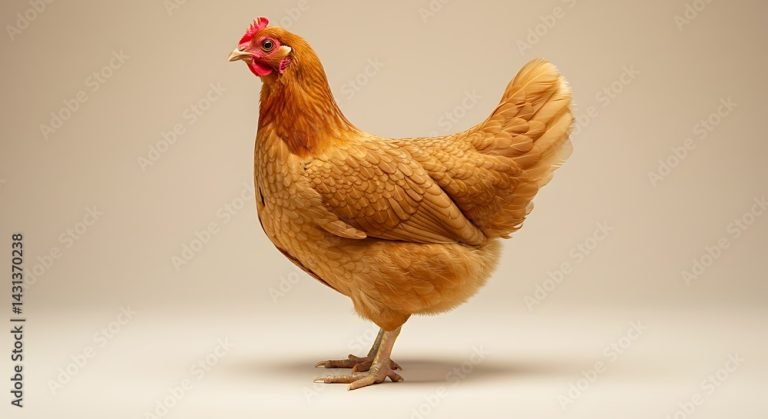
Newcastle Disease Symptoms in Chickens Nigeria: Complete Prevention Guide for Nigerian Farmers
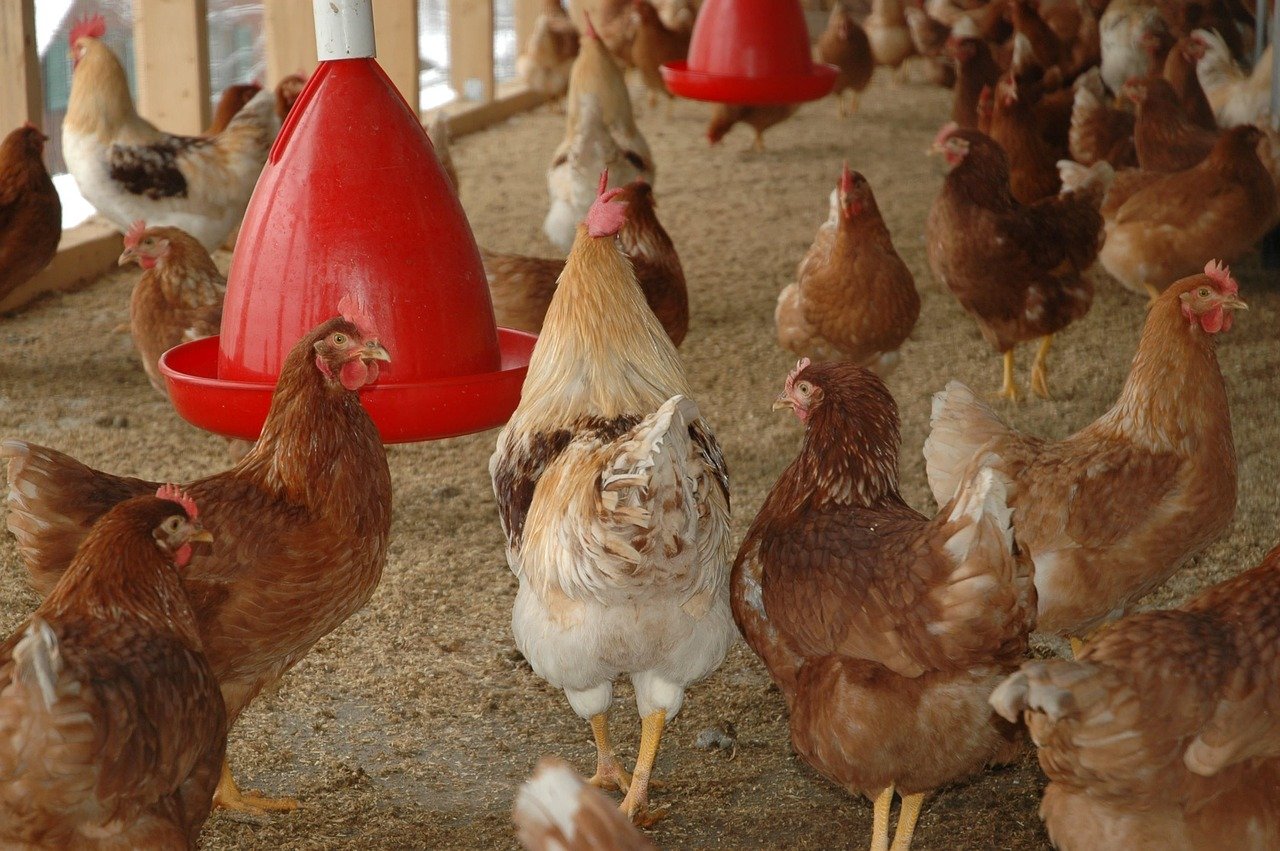
As a chicken farmer in Oyi Local Government Area, Anambra State, I’ve watched too many fellow farmers lose their entire flocks to Newcastle disease.
After 8 years in poultry farming and training hundreds of farmers across the Southeast, I can tell you this: Newcastle disease symptoms in chickens are something every Nigerian farmer must recognize early.
The first time I encountered Newcastle disease was in 2017. My neighbor, Papa Chukwu, lost 400 birds in just one week. He called me crying, saying his chickens were “acting drunk” and dying faster than he could bury them.
That experience taught me the hard truth about this disease – it spreads like wildfire through Nigerian poultry farms.
Newcastle disease symptoms in chickens include sudden death, respiratory distress, greenish diarrhea, and neurological signs.
Newcastle disease is a contagious disease of birds and is the greatest constraint to the development of rural poultry production in Nigeria and most developing countries. This disease has cost Nigerian farmers billions of naira annually.
In this guide, I’ll share everything I’ve learned about recognizing, preventing, and managing Newcastle disease in Nigerian chicken farms.
These are real strategies that work in our climate, with our local breeds, and within our budget constraints.
What is Newcastle Disease and Why Does it Hit Nigerian Farms So Hard?
Newcastle disease is caused by a virus that attacks chickens, turkeys, and other birds. Onset is rapid, and signs appear throughout the flock as early as 2 days (average 4–6) after aerosol exposure. In Nigeria, we call it different names depending on the region – some farmers in the North call it “Farin Kashi” or “Mai kere.”
The virus spreads through:
- Infected bird droppings
- Contaminated water and feed
- Wild birds landing in your compound
- Visitors who’ve been to infected farms
- Used equipment from other farms
Newcastle disease symptoms in chickens vary depending on the strain. Some strains kill birds within 24 hours without showing obvious symptoms. Others cause visible signs that last several days before death.
During my training sessions in Awka and Onitsha, I always tell farmers: “This virus doesn’t respect farm size.” I’ve seen it wipe out 50-bird backyards and 10,000-bird commercial operations with equal speed.
Early Newcastle Disease Symptoms in Chickens Every Nigerian Farmer Should Know
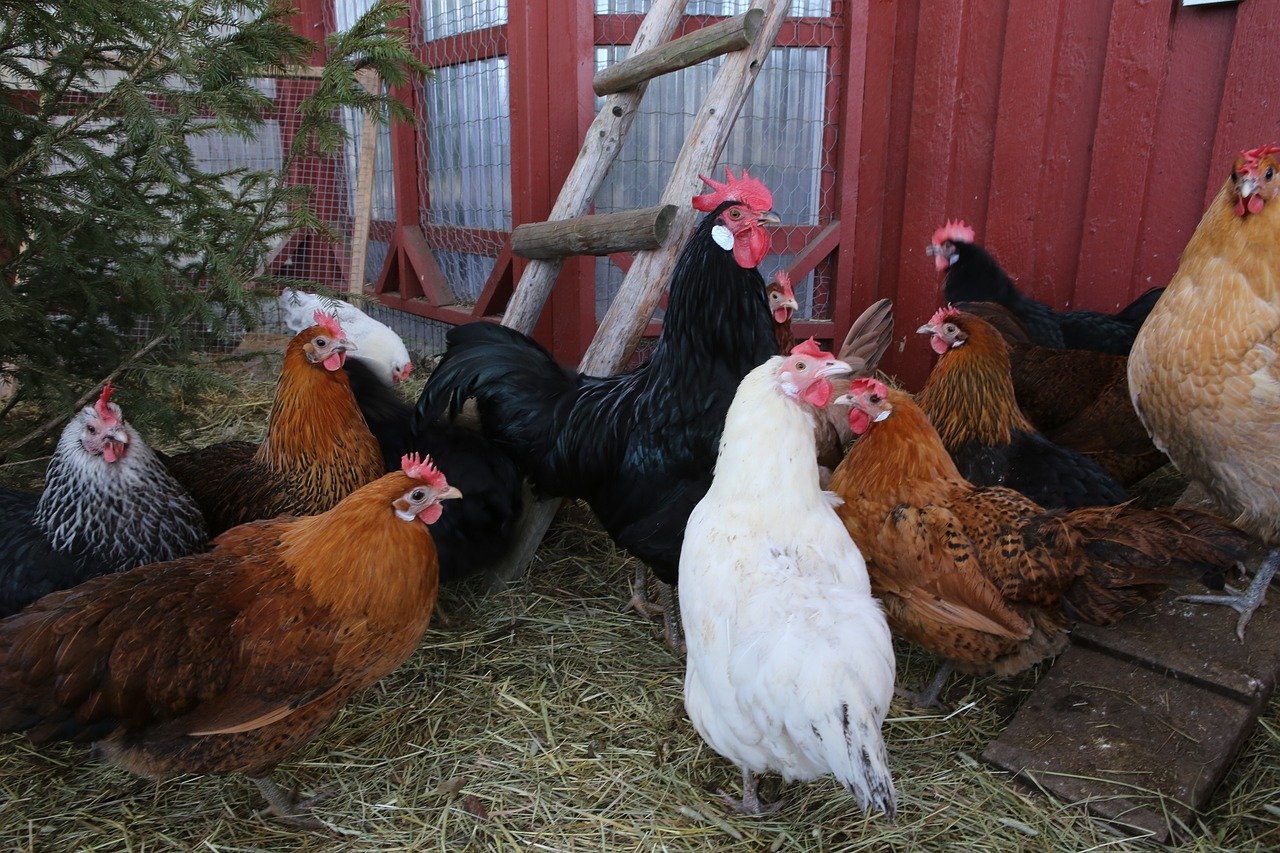
Recognizing Newcastle disease symptoms in chickens early can save your entire flock. Here are the warning signs I teach in my workshops:
Respiratory Symptoms (Most Common First Signs)
- Coughing and sneezing: Birds sound like they have severe colds
- Rattling breathing: You’ll hear clicking sounds when birds breathe
- Gasping for air: Birds stretch their necks, opening beaks wide
- Nasal discharge: Clear or cloudy fluid from nostrils
Last month, Mama Ngozi from Nteje brought me a video of her birds. “Pius, listen to this sound,” she said. The birds were making rattling noises with every breath. We immediately started isolation protocols.
Digestive System Symptoms
- Greenish or watery diarrhea: The most visible sign many farmers notice first
- Loss of appetite: Birds stop rushing to feed
- Excessive thirst: Birds drink more water than normal
- Crop problems: The crop feels hard or doesn’t empty properly
Nervous System Symptoms (Advanced Stage)
- Twisted neck: Birds hold their heads at weird angles
- Walking in circles: Birds lose coordination
- Paralysis: Wings or legs stop working properly
- Trembling: Uncontrollable shaking, especially in the head
Newcastle disease symptoms in chickens affecting the nervous system mean the disease is advanced. At this stage, even vaccinated birds have poor survival chances.
General Symptoms
- Sudden death: Healthy-looking birds found dead without warning
- Depression: Birds sit quietly, don’t interact with the flock
- Reduced egg production: Layers stop laying or produce deformed eggs
- Swollen eyes: Eyes become puffy and may close
Newcastle Disease Symptoms Comparison Table
| Symptom Category | Mild Strain (Lentogenic) | Moderate Strain (Mesogenic) | Severe Strain (Velogenic) |
|---|---|---|---|
| Respiratory Signs | Slight coughing, clear discharge | Coughing, sneezing, rattling breath | Severe gasping, thick discharge |
| Nervous Signs | None or minimal | Mild head tremors | Twisted necks, paralysis, circles |
| Digestive Signs | Slight diarrhea | Greenish diarrhea, reduced appetite | Severe watery diarrhea, no eating |
| Death Rate | Under 10% | 10-50% | 80-100% |
| Time to Death | 7-10 days | 4-6 days | 1-3 days |
| Egg Production | Slightly reduced | Drops by 50% | Stops completely |
This table shows how Newcastle disease symptoms in chickens vary by strain severity. The severe strains are what devastate Nigerian farms.
How Newcastle Disease Spreads in Nigerian Poultry Farms
Understanding transmission helps prevent outbreaks. After training farmers in 12 local governments across Anambra, I’ve identified the most common ways Newcastle disease spreads in our region:
Direct Contact Transmission
- Infected birds mixing with healthy ones
- Sharing feeders and drinkers
- Overcrowded pens where birds can’t maintain distance
- Fighting or mating between infected and healthy birds
Airborne Transmission
Respiratory signs include gasping, coughing, sneezing and rales. When infected birds cough or sneeze, they spray virus particles into the air. These can travel several meters.
Environmental Contamination
- Contaminated feed and water
- Dirty equipment moved between farms
- Infected droppings on shoes, vehicles, or clothes
- Wild birds carrying the virus
Human-Mediated Transmission
This is the biggest problem I see in Nigerian farms. Farmers unknowingly spread the disease by:
- Not changing clothes between farm visits
- Sharing equipment without disinfection
- Not quarantining new birds
- Allowing too many visitors
During a 2022 outbreak in Awkuzu, I traced the source to a farmer who bought birds from three different markets in one week. Within 10 days, the disease had spread to 8 neighboring farms.
Seasonal Patterns of Newcastle Disease in Nigeria
Newcastle disease symptoms in chickens appear more frequently during certain seasons in Nigeria. ND which locally was known as Farin Kashi or Mai kere occurs between November and February with symptoms of snick/rales, greenish/ whitish diarrhoea and mortality in the neighbourhood.
High-Risk Seasons
November to February (Harmattan Season):
- Low humidity helps virus survival
- Dusty conditions stress birds
- Cold nights weaken immune systems
- More birds crowded in enclosed spaces
March to May (Hot Dry Season):
- Heat stress makes birds vulnerable
- Water scarcity leads to sharing contaminated sources
- Birds gather around limited shade areas
Lower Risk Seasons
June to October (Rainy Season):
- High humidity reduces virus survival in environment
- Less dust means fewer respiratory irritations
- More natural water sources available
However, I always warn farmers: “No season is completely safe.” I’ve seen outbreaks during rainy season when farmers neglect biosecurity, thinking they’re protected.
Proven Prevention Strategies for Nigerian Chicken Farms
Prevention remains the only effective approach since there is no treatment for Newcastle Disease, although treatment with antibiotics to control secondary infections may assist.
Vaccination Programs That Work in Nigeria
Core Vaccination Schedule:
- Day 1-7: Newcastle disease vaccine (eye drop or spray)
- Day 21-28: Booster vaccination
- Day 56-63: Third vaccination for layers
- Every 3-4 months: Ongoing boosters for adult birds
During my workshop in Aguleri last year, farmer Emeka asked, “Why do my vaccinated birds still get sick?” The answer lies in proper vaccine handling.
Vaccine Storage and Handling:
- Store in refrigerator (2-8°C), never freeze
- Use within 2 hours after mixing
- Keep cold during transport (use ice packs)
- Don’t expose to direct sunlight
- Check expiry dates religiously
I’ve seen farmers lose entire flocks because they left mixed vaccine in the sun for 3 hours. The vaccine was worthless.
Biosecurity Measures for Nigerian Farms
Access Control:
- One entry point to your farm
- Disinfection footbaths at all entrances
- Limit visitors (maximum 2 people per week)
- No entry for people who’ve visited other farms recently
- Keep visitor logbook with contact details
Equipment and Vehicle Disinfection:
- 2% sodium hypochlorite solution for routine cleaning
- Quaternary ammonium compounds for equipment
- Don’t share feeders, drinkers, or tools with neighbors
- Disinfect vehicles before entering farm premises
Feed and Water Management:
- Buy feed only from reputable sources
- Store feed in sealed containers
- Provide clean, fresh water daily
- Don’t use surface water that wild birds access
Wild Bird Control Strategies
Wild birds are major carriers of Newcastle disease virus. The most common symptoms of Newcastle disease are coughing, sneezing, nasal discharge, greenish/watery diarrhea, and depression. These symptoms can appear in wild birds that then infect your flock.
Effective Wild Bird Control:
- Net your chicken runs completely
- Remove trees that attract wild birds near coops
- Don’t leave feed exposed where wild birds can access
- Install scarecrows or reflective tape
- Block holes where small birds can enter
In 2020, a farmer in Abba lost 200 birds because weaver birds nested above his chicken coop. The wild birds dropped infected feces directly into feed troughs.
What To Do When You Suspect Newcastle Disease
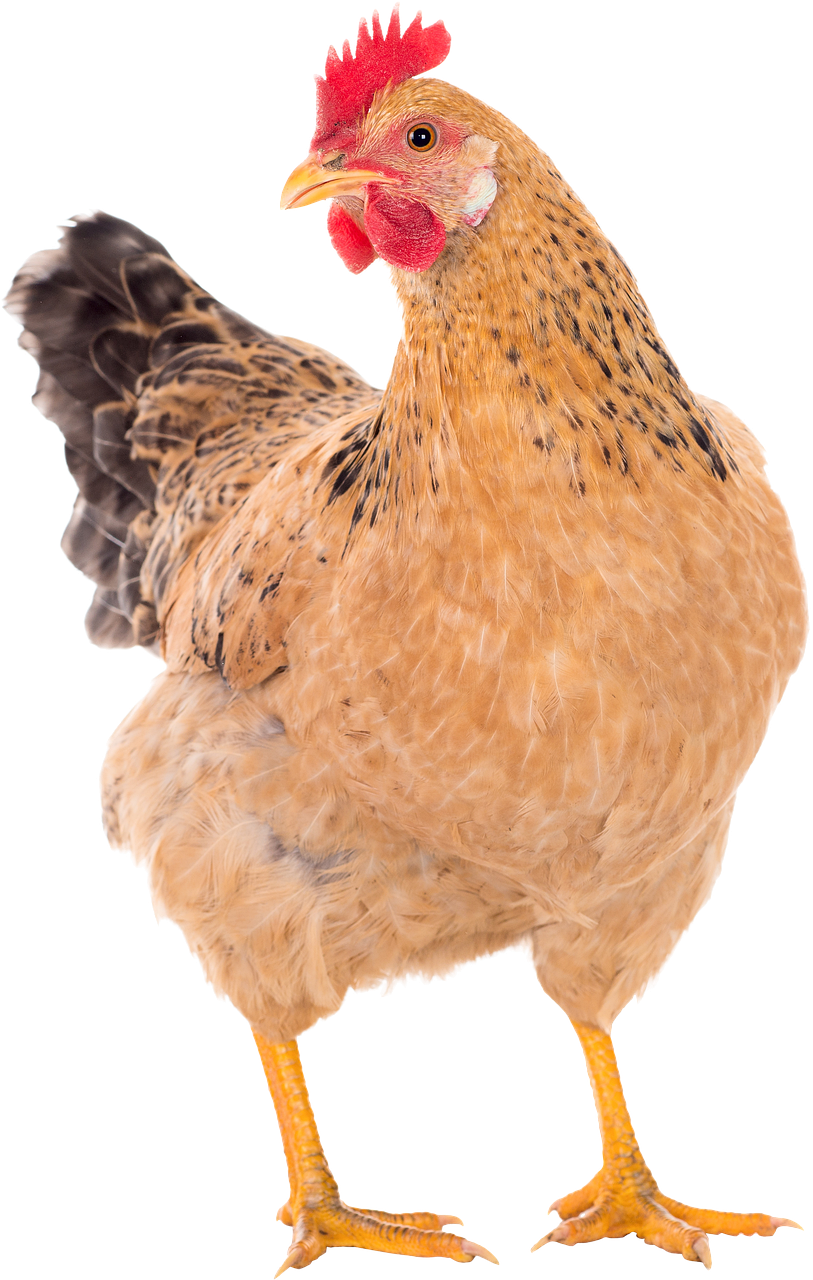
Time matters when dealing with Newcastle disease symptoms in chickens. Here’s my emergency protocol:
Immediate Actions (First 2 Hours)
- Isolate suspicious birds immediately in separate pen
- Stop all movement of birds, equipment, people
- Call veterinary officer or experienced poultry consultant
- Document symptoms with photos/videos
- Count healthy birds to track progression
Short-term Management (First 48 Hours)
- Increase vitamin supplementation for remaining birds
- Provide electrolytes in drinking water
- Improve ventilation to reduce respiratory stress
- Disinfect all equipment and surfaces
- Restrict all visitors to the farm
Recovery and Prevention Planning
- Wait 30 days after last death before restocking
- Deep clean and disinfect all structures
- Replace all bedding and organic materials
- Revise vaccination schedule with veterinary guidance
- Improve biosecurity based on how disease entered
During the 2021 outbreak in Nteje, farmer James followed this protocol. He saved 60% of his flock by acting within the first hour of noticing symptoms.
Cost Analysis: Prevention vs Treatment in Nigerian Poultry
Many farmers ask about the economics of Newcastle disease prevention. Based on my experience helping farmers recover from outbreaks, here’s the reality:
Prevention Costs (Per 100 Birds):
- Vaccination: ₦2,000-3,000 annually
- Disinfectants: ₦1,500-2,000 annually
- Biosecurity materials: ₦3,000-5,000 annually
- Total Prevention: ₦6,500-10,000 annually
Outbreak Costs (Per 100 Birds):
- Bird losses (70% mortality average): ₦350,000-500,000
- Veterinary consultation: ₦15,000-25,000
- Medications (limited effectiveness): ₦10,000-15,000
- Lost egg production: ₦50,000-100,000
- Total Outbreak Cost: ₦425,000-640,000
The mathematics is clear: prevention costs 50-100 times less than dealing with outbreaks.
Common Mistakes Nigerian Farmers Make
In 8 years of training farmers, I’ve seen the same mistakes repeatedly. Avoiding these can save your flock:
Vaccination Mistakes
- Timing errors: Waiting too long between vaccinations
- Storage problems: Keeping vaccines too hot or too cold
- Mixing mistakes: Using wrong water or mixing too early
- Application errors: Not reaching all birds during mass vaccination
Biosecurity Failures
- False security: Thinking isolated farms are automatically safe
- Gradual relaxation: Starting strict, becoming careless over time
- Social pressure: Allowing visits to maintain relationships
- Equipment sharing: Borrowing tools from infected farms
Recognition Delays
- Symptom confusion: Mistaking Newcastle disease for other conditions
- Delayed action: Hoping sick birds will recover naturally
- Partial isolation: Moving some birds but not all exposed ones
- Consultation delays: Trying home remedies before calling experts
Mama Adanna from Awkuzu told me, “I thought it was just cold weather making my birds cough.” By the time she called me, 80% of her 300 birds were already showing Newcastle disease symptoms in chickens.
Success Stories: How Nigerian Farmers Beat Newcastle Disease
Case Study 1: Chief Okwudili’s Farm, Onitsha
Chief Okwudili runs a 2,000-bird layer farm. In 2022, his neighbor’s farm was hit by Newcastle disease. Instead of panicking, he:
- Immediately stopped all farm visits
- Doubled biosecurity measures
- Emergency vaccinated all birds
- Monitored birds hourly for 2 weeks
- Result: Zero cases, zero losses
“Pius taught me that prevention is cheaper than tears,” Chief Okwudili often says during our training sessions.
Case Study 2: Cooperative Success in Awkuzu
Eight farmers formed a cooperative and implemented group biosecurity:
- Shared vaccination costs (bulk purchasing)
- Coordinated vaccination schedules
- Joint quarantine facility for new birds
- Group emergency response protocol
- Result: 90% reduction in disease outbreaks compared to individual efforts
Natural Immune Support Strategies
While vaccination remains primary protection, supporting natural immunity helps. These methods work well in Nigerian conditions:
Nutritional Immunity Boosters
- Ginger and garlic water: 2-3 times weekly
- Moringa leaf powder: Mixed in feed
- Palm kernel oil: 1-2% of feed ration
- Local herbs: Bitter leaf, scent leaf (under veterinary guidance)
Safety Disclaimer: Natural supplements support vaccination but never replace it. Always consult qualified veterinarians before adding new supplements to poultry diets.
Environmental Management
- Proper ventilation reduces respiratory stress
- Clean, dry bedding prevents bacterial complications
- Adequate spacing reduces disease transmission
- Regular cleaning removes virus reservoirs
Advanced Biosecurity for Commercial Operations
Large farms need additional measures beyond basic biosecurity:
Personnel Management
- Shower-in/shower-out facilities for all workers
- Dedicated farm clothes that never leave the premises
- Health monitoring of all farm workers
- Training programs for proper disease recognition
Equipment Protocols
- Color-coded equipment for different sections
- Disinfection stations between houses
- Equipment tracking to prevent cross-contamination
- Regular equipment replacement schedules
Monitoring and Surveillance
- Daily health checks with written records
- Weekly blood sampling for high-risk periods
- Post-mortem examinations of all deaths
- Laboratory confirmation of suspected cases
Regional Variations in Newcastle Disease Across Nigeria
Newcastle disease symptoms in chickens can vary by region due to different strains and environmental factors:
Northern Nigeria (Kano, Kaduna, Sokoto)
- Higher prevalence during Harmattan season
- More severe strains common
- Limited veterinary services in rural areas
- Traditional poultry management systems vulnerable
Middle Belt (Jos, Abuja, Ilorin)
- Year-round risk due to climate variations
- Better veterinary infrastructure
- Mixed farming systems create transmission risks
- Government intervention programs more accessible
Southern Nigeria (Lagos, Port Harcourt, Calabar, Onitsha)
- High humidity reduces environmental virus survival
- Dense population increases transmission risks
- Better cold chain for vaccine storage
- More commercial operations with better biosecurity
In my experience training across these regions, Southern farmers often underestimate risks during rainy season, while Northern farmers struggle with vaccine storage during hot months.
Economic Impact and Government Support Programs
180 million birds poultry birds population exists in Nigeria according to the Poultry Association of Nigeria, making Newcastle disease a major economic threat.
Available Support Programs
- NALDA (National Agricultural Land Development Authority) provides technical training
- CBN Agricultural Credit offers funding for biosecurity improvements
- State ADPs (Agricultural Development Programs) provide vaccination support
- Veterinary Teaching Hospitals offer diagnostic services at reduced rates
Accessing Government Support
Most farmers don’t know about available programs. Contact your:
- Local Government Agricultural Development Officer
- State Ministry of Agriculture
- Nearest University Veterinary Faculty
- NAERLS (National Agricultural Extension Research and Liaison Services)
During my 2023 training in Nsukka, I connected 15 farmers with government vaccination programs. They saved over ₦200,000 collectively on vaccine costs.
Frequently Asked Questions About Newcastle Disease in Nigerian Chickens
How quickly do Newcastle disease symptoms appear in chickens after infection?
Newcastle disease symptoms in chickens can appear as early as 2 days after exposure, with most cases showing signs within 4-6 days. In my experience, severe strains common in Nigeria often show symptoms within 24-48 hours. I’ve seen cases where healthy birds in the morning were dead by evening.
The speed depends on:
- Virus strain (virulent strains act faster)
- Bird’s immune status (vaccinated birds may show delayed symptoms)
- Environmental stress (heat, overcrowding speed up symptom development)
- Age of birds (younger birds show symptoms faster)
During the 2020 outbreak in Onitsha, farmer Paul called me saying his birds were “fine yesterday, dying today.” That’s typical of severe Newcastle disease strains.
Can humans get Newcastle disease from infected chickens in Nigeria?
Newcastle disease rarely affects humans, and when it does, symptoms are mild. No instances of disease have resulted from eating poultry products. However, people working closely with infected birds might develop:
- Mild eye irritation (conjunctivitis)
- Slight respiratory symptoms
- These resolve without treatment in 1-2 days
Safety measures when handling suspected cases:
- Wear protective clothing and gloves
- Use face masks during cleaning
- Wash hands thoroughly after contact
- Don’t touch eyes after handling birds
In 8 years of dealing with Newcastle disease outbreaks, I’ve never seen serious human illness. The bigger concern is farmers spreading the virus between farms on contaminated clothing.
What’s the best Newcastle disease vaccine for Nigerian chicken farms?
The most effective vaccines in Nigerian conditions are:
- Live vaccines (LaSota strain): Best for routine protection
- Killed (inactivated) vaccines: For breeding stock and high-value birds
- Combination vaccines: Protect against multiple diseases
Recommended brands available in Nigeria:
- Lasota (various manufacturers)
- Newcastle-Gumboro combinations
- Imported vaccines (more expensive but highly effective)
Choose based on:
- Your farm size and budget
- Local availability and cold storage
- Veterinary recommendations for your area
- Previous experience with different brands
During my Awka training last month, I demonstrated proper vaccine mixing. Many farmers were wasting expensive vaccines through improper handling.
How long should I wait before restocking after a Newcastle disease outbreak?
Wait minimum 30 days after the last bird death before bringing new chickens. However, I recommend 45-60 days for complete safety. The virus can remain alive in manure for up to 2 months and in dead carcasses for up to 12 months
Complete decontamination process:
- Remove all organic matter (bedding, feed, manure)
- Wash all surfaces with detergent
- Apply disinfectant (2% sodium hypochlorite)
- Allow 2 weeks for complete drying
- Repeat disinfection before restocking
Environmental persistence varies by:
- Temperature (survives longer in cool weather)
- Humidity (dies faster in very dry conditions)
- Organic matter (survives longer in manure, carcasses)
- Sunlight exposure (UV kills virus quickly)
Farmer Chidi from Aguleri restocked after 20 days in 2021. He lost the new batch too. Don’t rush – patience saves money.
Can local herbs and traditional medicine treat Newcastle disease in chickens?
Traditional remedies cannot cure Newcastle disease, but some may support bird immunity alongside proper veterinary treatment. There is no treatment for Newcastle Disease, although treatment with antibiotics to control secondary infections may assist.
Supportive traditional remedies (not cures):
- Ginger-garlic water for respiratory support
- Moringa leaves for nutritional boost
- Palm kernel oil for energy during illness
- Bitter leaf extract for general immunity
Important warnings:
- Never replace vaccination with herbs
- Don’t delay veterinary consultation for herbal treatment
- Some herbs can be toxic in wrong doses
- Always consult veterinarians before using herbs
Safety Disclaimer: Traditional remedies are supplements only. Newcastle disease requires professional veterinary management and vaccination for effective prevention and control.
What should I do if my vaccinated chickens still show Newcastle disease symptoms?
Vaccinated birds can still get Newcastle disease, but usually with milder symptoms and lower death rates. Possible reasons:
- Vaccine failure (storage, handling, timing issues)
- Immune suppression from stress, other diseases
- Very virulent virus strains overwhelming immunity
- Incomplete vaccination (some birds missed)
Immediate actions:
- Isolate affected birds immediately
- Call veterinary officer for confirmation
- Review vaccination records and storage
- Implement strict biosecurity measures
- Consider emergency re-vaccination of healthy birds
Prevention for future:
- Use reputable vaccine suppliers with cold chain
- Follow exact mixing and application instructions
- Maintain consistent vaccination schedules
- Address stress factors (overcrowding, heat, poor nutrition)
During 2022 training in Nsukka, farmer Mary showed me her vaccination records. She was mixing vaccines incorrectly, reducing their effectiveness by 70%.
How much does Newcastle disease vaccination cost for small-scale farmers in Nigeria?
Vaccination costs vary by location and farm size, but here are current Nigerian market estimates:
Vaccine costs (2024 prices):
- LaSota vaccine (1000 doses): ₦3,000-5,000
- Killed vaccine (500 doses): ₦8,000-12,000
- Combination vaccines: ₦10,000-15,000 per 1000 doses
Additional costs:
- Cold storage/ice: ₦500-1,000 per vaccination
- Veterinary consultation: ₦5,000-10,000
- Transportation: ₦1,000-3,000
- Equipment (syringes, etc.): ₦1,000-2,000
Cost per bird (annual):
- Small farms (50-200 birds): ₦50-80 per bird
- Medium farms (500-2000 birds): ₦30-50 per bird
- Large farms (5000+ birds): ₦20-35 per bird
Cost-saving strategies:
- Join farmer cooperatives for bulk purchasing
- Share veterinary consultation costs
- Proper vaccine storage to prevent waste
- Government-subsidized programs where available
Can wild birds spread Newcastle disease to my chickens in Nigeria?
Yes, wild birds are major carriers of Newcastle disease virus in Nigeria. Common carriers include:
- Pigeons and doves (very common in urban/suburban farms)
- Weaver birds (seasonal movements spread virus)
- Egrets and herons (from rice fields and water bodies)
- Migratory birds (introduce new virus strains)
High-risk situations:
- Wild birds roosting above chicken coops
- Shared water sources with wild birds
- Open feeding areas accessible to wild birds
- Farms near rice fields, rivers, or wetlands
Effective wild bird control:
- Complete netting of chicken runs
- Remove water sources that attract wild birds
- Don’t plant fruit trees near chicken houses
- Use covered feeders and waterers
- Install bird deterrents (scarecrows, reflective tape)
In my Oyi farm, I invested ₦50,000 in complete netting in 2019. I haven’t had a Newcastle disease outbreak since, while my unneted neighbors have had three major outbreaks.
References:
- MSD Veterinary Manual – Newcastle Disease in Poultry: https://www.msdvetmanual.com/poultry/newcastle-disease-and-other-paramyxovirus-infections/newcastle-disease-in-poultry
- PMC – Prevalence of Newcastle Disease Antibodies in Nigeria: https://pmc.ncbi.nlm.nih.gov/articles/PMC4897135/
- Poultry Hub Nigeria – Newcastle Disease Prevention: https://www.poultryhub.org/all-about-poultry/health-management/disease/newcastle-disease
Pius Emeka is a certified poultry farmer and trainer based in Oyi Local Government Area, Anambra State, with 8 years of experience in chicken farming and disease management. He has trained over 500 farmers across Southeast Nigeria in modern poultry management practices.