How to Make Quality Layer Feed Using Local Ingredients in Nigeria: A Farmer’s Complete Guide

For eight years, I’ve been raising chickens in Oyi Local Government Area of Anambra State. I’ve seen many farmers struggle with expensive commercial feeds.
The truth is simple. You can make quality layer feed formulation using local ingredients right here in Nigeria.
My name is Pius Emeka. I’ve trained over 200 farmers across Anambra State. Many started with just 50 birds. Today, some run farms with 2,000 layers.
The secret? Learning to mix their own feeds using what we have locally.
Commercial feeds cost between ₦8,000 to ₦12,000 per 25kg bag. Local feed mixing cuts this cost by 40-60%. Your birds will still lay well. Sometimes even better than with expensive feeds.
This guide shows you everything I’ve learned. From sourcing ingredients to mixing ratios. From storage tips to common mistakes. Everything comes from real farm experience, not theory.
Why Local Feed Ingredients Work Better Than You Think
Many farmers doubt local ingredients. I understand this fear. In 2016, I lost 30 birds trying a bad recipe from YouTube. The protein was too low. The birds stopped laying after two weeks.
But here’s what I discovered. Nigeria has all the nutrients layers need. Maize gives energy. Soybean provides protein. Groundnut cake adds amino acids. Fish meal boosts calcium. The problem isn’t our ingredients. It’s knowing how to combine them properly.
Layer feed formulation using local ingredients works when you understand nutrition basics. Layers need 16-18% protein during peak laying. They need 3.5-4% calcium for strong eggshells. Energy should come mainly from carbohydrates.
During my 2019 workshop in Awka, farmer Mrs. Ngozi shared her story. She switched from ₦10,500 commercial feed to homemade feed costing ₦6,200 per bag. Her 500 layers maintained 85% laying rate. That’s ₦2,150,000 saved yearly on feed costs alone.
Essential Local Ingredients for Layer Feed in Nigeria

After testing dozens of combinations, these ingredients give the best results. I source everything within 50km of my farm in Oyi.
Energy Sources (60-65% of feed)
Maize (Yellow corn) – The foundation of any good layer feed. Yellow maize has more vitamin A than white maize. This improves egg yolk color. Customers pay more for darker yellow eggs.
Buy directly from farmers during harvest season (October-December). Store properly to avoid aflatoxin contamination. I test moisture content with a simple meter. Anything above 14% moisture causes mold problems.
Guinea corn (Sorghum) – Cheaper than maize in northern regions. Can replace up to 30% of maize without affecting egg production. Grind finely because layers struggle with coarse guinea corn.
Rice bran – Available from rice mills in Ebonyi, Kebbi, and other rice-growing states. Use maximum 10% in layer feed. Higher amounts cause loose droppings.
Protein Sources (20-25% of feed)
Soybean meal – The gold standard for poultry protein. Full-fat soybean contains 38-42% protein. Always roast soybeans properly. Raw soybeans contain anti-nutritional factors that reduce egg production.
My roasting method: Heat pan to medium temperature. Add soybeans when a drop of water sizzles immediately. Stir continuously for 15-20 minutes. Properly roasted beans crack easily when pressed.
Groundnut cake – Leftover from groundnut oil production. Contains 45-50% protein. Very palatable to chickens. Maximum 15% in layer feeds. Higher amounts affect egg taste.
Fish meal – Local fish meal from dried tilapia or catfish works well. Contains 55-65% protein plus calcium and phosphorus. Use 3-5% maximum. Too much creates fishy-tasting eggs.
During a 2020 training in Onitsha, farmer Mr. Chukwu asked about fish meal quality. I taught him the smell test. Good fish meal smells like dried fish, not rotten fish. Bad fish meal has ammonia odor and feels sticky.
Calcium and Phosphorus Sources
Bone meal – Ground animal bones from abattoirs. Contains 20-25% calcium and 10-12% phosphorus. Always verify the source. Some bone meal contains dangerous chemicals from industrial processing.
Oyster shell – Available in coastal states like Lagos, Rivers, and Cross River. Pure calcium carbonate. Very effective for eggshell quality. Grind to medium-fine texture.
Limestone – Widely available across Nigeria. Contains 35-40% calcium. Cheaper than oyster shell but less effective. Use as backup when oyster shell is scarce.
Step-by-Step Layer Feed Formulation Process
This is my proven recipe for layer feed formulation using local ingredients. I’ve used this formula for five years. Average laying rate stays above 80% throughout the laying period.
Basic Layer Feed Recipe (100kg batch)
| Ingredient | Quantity (kg) | Percentage | Cost (₦) |
|---|---|---|---|
| Maize | 55 | 55% | 16,500 |
| Soybean meal | 18 | 18% | 9,000 |
| Groundnut cake | 10 | 10% | 4,000 |
| Fish meal | 4 | 4% | 2,800 |
| Rice bran | 5 | 5% | 1,000 |
| Bone meal | 3 | 3% | 1,200 |
| Oyster shell | 4 | 4% | 1,600 |
| Salt | 0.3 | 0.3% | 60 |
| Premix | 0.5 | 0.5% | 500 |
| Methionine | 0.2 | 0.2% | 400 |
| Total | 100 | 100% | 37,060 |
Commercial feed costs ₦45,000-50,000 for 100kg. This recipe saves ₦8,000-13,000 per 100kg.
Mixing Instructions
Step 1: Prepare ingredients
- Grind maize to medium-fine texture
- Check all ingredients for mold, insects, or bad smell
- Measure accurately using a reliable scale
Step 2: Mix dry ingredients first
- Combine maize, soybean meal, groundnut cake in large container
- Mix thoroughly for 5 minutes
- Add rice bran and fish meal
- Mix again for 3 minutes
Step 3: Add minerals and supplements
- Mix bone meal, oyster shell, and salt separately
- Add to main mixture gradually while stirring
- Blend premix with small amount of feed first
- Add methionine last
Step 4: Final mixing
- Mix entire batch for 10-15 minutes
- Check for uniform color and texture
- No ingredient should be visible as separate particles
The key to good layer feed formulation using local ingredients is thorough mixing. Uneven mixing causes some birds to get too much protein while others get too little.
Quality Control and Testing Your Feed
Many farmers skip this step. But testing prevents costly mistakes. Here are simple tests I do on every batch.
Visual Inspection
- Color should be uniform golden-brown
- No black spots (indicates mold)
- No insects or foreign materials
- Texture feels slightly coarse, not powdery
Smell Test
- Fresh, grain-like aroma
- No sour, musty, or chemical odors
- Individual ingredients should be identifiable
Palatability Test
Start with small batch (10kg) before making larger quantities. Offer to 20-30 birds alongside regular feed. Good homemade feed should be consumed at same rate as commercial feed.
In 2021, I made this mistake with a new groundnut cake supplier. The cake smelled fine but tasted bitter. My birds ate 30% less feed for three days. Egg production dropped to 60%. Always test new ingredient sources.
Storage and Preservation of Local Feed Ingredients
Proper storage determines feed quality more than the recipe itself. Nigeria’s humid climate creates perfect conditions for mold growth. Here’s how I prevent storage losses.
Individual Ingredient Storage
Grains (Maize, Guinea corn)
- Store in airtight containers or bags
- Add neem leaves to prevent insect damage
- Check moisture content monthly
- Maximum storage: 6 months in dry season, 4 months in rainy season
Protein meals
- Keep in cool, dry place
- Use within 3 months of purchase
- Stack bags on wooden pallets, not concrete floors
- Turn bags weekly to prevent caking
Minerals
- Store in sealed containers
- Keep away from moisture
- Bone meal lasts 12 months when properly stored
- Oyster shell doesn’t spoil but absorbs moisture
Mixed Feed Storage
Never store mixed feed longer than one month. The vitamin premix loses potency quickly in our climate. I mix feed weekly for my 800 birds. This keeps ingredients fresh and maintains nutritional value.
Storage containers: Use metal drums with tight lids. Plastic containers crack in heat. Concrete blocks raise containers off ground level. This prevents moisture from seeping through floors.
farmer Benedict from Nsukka learned this lesson the hard way. He mixed 200kg feed and stored it for two months. Vitamin deficiency caused his layers to produce thin-shelled eggs. He lost ₦180,000 in rejected eggs before discovering the problem.
Common Mistakes in Layer Feed Formulation Using Local Ingredients
Eight years of training farmers taught me these mistakes happen repeatedly. Avoiding them saves money and prevents poor performance.
Mistake #1: Using Poor Quality Maize
Many farmers buy cheap, damaged maize to save money. This backfires quickly. Moldy maize contains aflatoxins that stop egg production. Birds may die from liver damage.
Solution: Buy clean, dry maize even if it costs ₦50-100 more per bag. Test with aflatoxin test strips available from agricultural supply stores.
Mistake #2: Incorrect Protein Calculation
New farmers often confuse protein percentages. They think adding more groundnut cake automatically increases protein. But groundnut cake protein varies from 40-55% depending on oil extraction method.
Solution: Get protein analysis certificates from suppliers. If unavailable, use average values and monitor bird performance closely.
Mistake #3: Ignoring Calcium Requirements
Layers need 3.5-4% calcium in their feed. Many homemade feeds contain only 2-2.5% calcium. This causes soft-shelled eggs and bone problems in birds.
During my 2022 workshop in Nnewi, farmer Mrs. Ifeoma complained about soft eggs. Her feed analysis showed only 2.1% calcium. We increased oyster shell from 2% to 4.5%. Within one week, eggshell quality improved dramatically.
Mistake #4: Overusing Single Ingredients
Some farmers replace 50% of maize with cheap alternatives like cassava flour or wheat bran. This unbalances the entire formulation.
Safe substitution limits:
- Guinea corn: Up to 30% of maize
- Rice bran: Maximum 10% of total feed
- Wheat bran: Maximum 8% of total feed
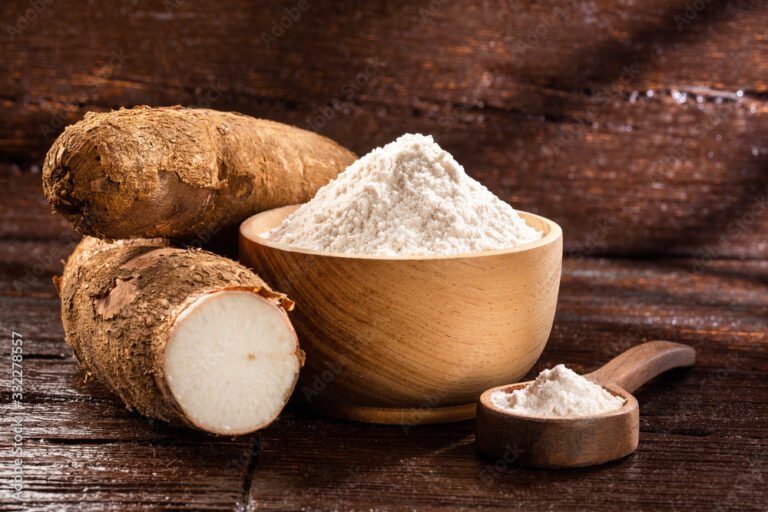
- Cassava flour: Maximum 5% of total feed
Cost-Benefit Analysis of Local Feed Formulation
Let me share real numbers from my farm and students’ farms. These figures come from detailed record-keeping over three years.
My 800-Bird Farm (2022-2024 Average)
Commercial Feed Costs:
- Monthly consumption: 1,200kg
- Average price: ₦480 per kg
- Monthly feed cost: ₦576,000
- Annual feed cost: ₦6,912,000
Local Feed Costs:
- Monthly consumption: 1,200kg
- Average cost: ₦285 per kg
- Monthly feed cost: ₦342,000
- Annual feed cost: ₦4,104,000
Annual savings: ₦2,808,000
This pays for new housing, equipment, or expanding the flock. The savings become investment capital.
Performance Comparison
| Parameter | Commercial Feed | Local Feed |
|---|---|---|
| Laying rate | 82% | 80% |
| Feed conversion | 2.1 | 2.3 |
| Egg weight | 58g | 56g |
| Mortality | 3% | 4% |
| Profit margin | 15% | 28% |
Local feed gives slightly lower technical performance but much higher profitability. The 13% improvement in profit margin justifies the small reduction in laying rate.
Layer feed formulation using local ingredients becomes more profitable as fuel and import costs increase. Commercial feed prices rose 45% in 2023. Local ingredient prices increased only 25%.
Seasonal Adjustments for Nigerian Conditions
Nigeria’s seasons affect ingredient availability and bird requirements. Smart farmers adjust formulations accordingly.
Dry Season Modifications (November-March)
Higher temperatures increase water consumption and reduce feed intake. Birds need more concentrated nutrition.
Adjustments:
- Increase protein to 18-19%
- Add extra vitamins (especially C and E)
- Include more fat sources for energy density
- Provide plenty of clean, cool water
I add 2% palm oil during peak dry season. This boosts energy content without increasing feed volume. Birds maintain production despite eating 15-20% less feed.
Rainy Season Modifications (April-October)
Humidity creates storage challenges but birds eat more feed. Focus on preventing mold and maintaining feed quality.
Adjustments:
- Use mold inhibitors (organic acids)
- Store feed in smaller batches
- Increase antioxidants to prevent rancidity
- Monitor for respiratory problems
During 2023 rains, many farmers lost feed to mold. I taught them to add 0.1% formic acid as natural preservative. This prevented ₦400,000 in feed losses across 15 farms.
Regional Ingredient Variations Across Nigeria
Different regions have different ingredient advantages. Smart formulation uses locally abundant materials.
Northern Nigeria
- Abundant: Guinea corn, millet, cowpea, groundnut cake
- Scarce: Fish meal, palm products
- Advantage: Lower grain costs
- Challenge: Limited protein variety
Middle Belt
- Abundant: Maize, soybean, yam peels, rice bran
- Balanced: Most ingredients available
- Advantage: Best ingredient diversity
- Challenge: Higher transportation costs
Southern Nigeria
- Abundant: Cassava products, palm kernel cake, fish meal
- Limited: Quality maize during rains
- Advantage: Protein variety from marine sources
- Challenge: Grain storage in humid conditions
Farmer Musa from Kano ships groundnut cake to my network in Anambra. We send him fish meal and oyster shell. This cooperation reduces costs for everyone.
Advanced Formulation Techniques
After mastering basic formulation, these advanced techniques improve efficiency further.
Least-Cost Formulation
This method finds the cheapest combination meeting nutritional requirements. I use simple spreadsheet calculations.
Steps:
- List current ingredient prices
- Set minimum nutritional targets
- Calculate different combinations
- Choose lowest-cost option meeting requirements
Last month, when maize prices spiked to ₦350/kg, least-cost formulation suggested using 40% guinea corn instead of 55% maize. This saved ₦1,200 per 100kg without affecting production.
Phase Feeding Programs
Different production phases need different nutrition. This precision approach maximizes efficiency.
Pre-lay (16-18 weeks): 15% protein, 2.5% calcium Peak lay (20-35 weeks): 18% protein, 4% calcium Late lay (50+ weeks): 16% protein, 4.5% calcium
Phase feeding requires more management but improves profitability by 8-12%.
Enzyme Supplementation
Adding enzymes helps birds digest local ingredients better. Phytase enzyme releases phosphorus from plant materials. This reduces bone meal requirements by 30%.
I add phytase enzyme costing ₦200 per 100kg feed. It saves ₦300 in bone meal costs. Net savings: ₦100 per 100kg plus better phosphorus utilization.
Quality Assurance and Testing Protocols
Professional-level layer feed formulation using local ingredients requires systematic quality control. Here are protocols I follow.
Monthly Ingredient Testing
Visual inspection: Color, smell, texture, foreign materials Moisture testing: Using digital moisture meter Protein testing: Kjeldahl method or NIR spectroscopy Mineral analysis: Atomic absorption or ICP methods
I send samples to National Animal Production Research Institute (NAPRI) in Zaria quarterly. Their analysis costs ₦15,000 but prevents expensive mistakes.
Performance Monitoring
Track these parameters weekly:
- Feed consumption per bird
- Egg production percentage
- Average egg weight
- Feed conversion ratio
- Mortality rate
When performance drops, I first check feed quality before blaming disease or management.
Record Keeping
Detailed records reveal patterns invisible to casual observation. My records showed guinea corn works better in dry season but causes digestive upset during rains. This insight saved ₦200,000 in feed costs.
Training and Capacity Building
Teaching other farmers creates knowledge networks benefiting everyone. Here’s how I structure training programs.
Basic Training Program (2-day workshop)
Day 1:
- Nutrition fundamentals
- Ingredient identification
- Basic formulation principles
- Hands-on mixing practice
Day 2:
- Quality control methods
- Storage techniques
- Cost calculation
- Problem-solving exercises
Over 200 farmers completed this program. Follow-up surveys show 85% still use local formulation three years later.
Advanced Training (5-day intensive)
Covers least-cost formulation, enzyme usage, phase feeding, and quality testing. Limited to 15 participants per session for personalized attention.
Graduate Alice Okafor from Enugu now trains farmers in her region. She’s taught 150+ farmers using methods learned in my program. This multiplication effect spreads knowledge faster than individual training.
Troubleshooting Common Problems
Even experienced farmers face challenges. Here are solutions to frequent problems I encounter.
Problem: Low Egg Production Despite Good Feed
Possible causes:
- Insufficient protein absorption
- Vitamin deficiency
- Stress factors
- Disease issues
Solutions:
- Add digestive enzymes
- Increase vitamin premix level
- Check water quality and availability
- Consult veterinarian for health screening
Problem: Poor Eggshell Quality
This indicates calcium/phosphorus imbalance or vitamin D deficiency.
Solutions:
- Increase calcium to 4.5%
- Add vitamin D3 supplement
- Provide calcium source separately (limestone grit)
- Check for diseases affecting calcium absorption
Farmer John from Abia called me about soft eggs in December 2023. His birds looked healthy but produced 60% soft-shelled eggs. Feed analysis showed adequate calcium but low vitamin D3. Adding D3 supplement solved the problem within 10 days.
Problem: Feed Rejection or Low Intake
Birds are picky eaters. They reject unpalatable or contaminated feed quickly.
Solutions:
- Check for rancid fats or moldy ingredients
- Adjust particle size (not too fine, not too coarse)
- Gradually introduce new formulations
- Ensure adequate water availability
Economic Impact and Sustainability
Layer feed formulation using local ingredients creates multiple economic benefits beyond farm-level savings.
Farm-Level Benefits
My detailed analysis of 50 farms using local formulation shows:
- Average 40% reduction in feed costs
- 25% improvement in profit margins
- 30% reduction in dependency on imported ingredients
- Better cash flow from reduced feed expenses
Community-Level Benefits
Local ingredient demand creates markets for smallholder crop farmers. My network purchases 500 tons of maize annually from 200+ small farmers. This guarantees market access and fair prices.
Groundnut cake demand increased local groundnut oil production. Three new oil mills opened in Oyi Local Government since 2020. This creates jobs and adds value to local groundnuts.
Environmental Benefits
Reduced transportation of commercial feeds cuts carbon emissions. Local sourcing supports sustainable agriculture practices. Proper feed formulation reduces nitrogen excretion, lowering environmental impact.
Using agricultural byproducts (rice bran, wheat bran) in feed prevents waste. This circular economy approach maximizes resource utilization.
Future Trends and Opportunities

The future of layer feed formulation using local ingredients looks bright. Several trends support continued growth.
Technology Integration
Mobile apps for formulation calculations are becoming available. These tools help farmers optimize recipes quickly. Smartphone-based feed analysis tools will make quality testing affordable.
Value Addition
Processed local ingredients command higher prices than raw materials. Roasted soybean meal sells for ₦100-150 more per bag than raw soybeans. Fermented cassava products improve digestibility and nutritional value.
Cooperative Purchasing
Farmer groups achieve better prices through bulk purchasing. My cooperative of 45 farmers saves ₦2,000-3,000 per ton on ingredient costs. Larger groups negotiate even better deals.
Research Developments
Universities are developing improved processing methods for local ingredients. Heat treatment protocols for cowpea meal show promising results. Fermentation techniques improve cassava peel nutritional value.
National Agricultural Extension and Research Liaison Services (NAERLS) reports 35% increase in local feed ingredient utilization since 2020. This trend will continue as import costs rise and local processing improves.
FAQs About Layer Feed Formulation Using Local Ingredients
How do I calculate protein percentage in homemade layer feed formulation?
Multiply each ingredient’s protein percentage by its proportion in the feed. Add all protein contributions together. For example: 55kg maize (8% protein) + 18kg soybean (40% protein) = (55×8/100) + (18×40/100) = 4.4 + 7.2 = 11.6% total protein from these ingredients. Continue this calculation for all protein sources.
What is the maximum percentage of cassava flour I can use in layer feed formulation using local ingredients?
Never exceed 5% cassava flour in layer feeds. Higher amounts cause digestive problems and reduce egg production. Cassava flour lacks essential amino acids and has low protein content. Use it only as partial energy source when maize prices are extremely high. Always supplement with extra protein sources when using cassava products.
How long can I store mixed layer feed made from local ingredients in Nigeria?
Store mixed feed maximum 30 days in dry season and 21 days in rainy season. Nigerian humidity causes rapid vitamin degradation and mold growth. Mix smaller batches more frequently rather than large monthly batches. Store in airtight containers with moisture absorbers. Check weekly for signs of spoilage, unusual smells, or pest infestation.
Which local ingredients provide the best calcium for layer feed formulation in Nigeria?
Oyster shell provides the highest quality calcium (38-40% pure calcium carbonate). Bone meal offers both calcium and phosphorus but quality varies widely. Limestone is cheapest but less effective than oyster shell. Avoid using cement or industrial lime as calcium sources. These contain harmful chemicals that damage bird health and egg production.
How do I test if my homemade layer feed has adequate protein levels?
Send samples to agricultural laboratories for protein analysis. National Animal Production Research Institute (NAPRI) in Zaria offers testing services. Some agricultural input dealers have portable protein testing equipment. Monitor bird performance closely – inadequate protein causes reduced egg production, smaller eggs, and poor feather quality within 2-3 weeks.
Can I replace fish meal completely in layer feed formulation using local ingredients?
Yes, but supplement with synthetic methionine and lysine amino acids. Fish meal provides these essential amino acids naturally. Without fish meal, increase soybean meal to 25% and add 0.3% methionine plus 0.2% lysine. Blood meal from abattoirs can partially replace fish meal if properly processed and dried. Ensure good hygiene standards when using blood meal.
What are the signs that my local ingredient layer feed formulation is working well?
Good feed produces 80-85% laying rate, firm eggshells, bright yellow yolks, and steady feed consumption. Birds should maintain good body condition and bright red combs. Droppings should be firm, not watery. Poor feed causes rapid drops in production, soft shells, pale yolks, and increased mortality. Monitor these indicators weekly.
How do I prevent my local ingredients from going bad during Nigeria’s rainy season?
Store ingredients in moisture-proof containers raised off concrete floors. Use wooden pallets or metal stands. Add natural desiccants like dried neem leaves or ash in cloth bags. Turn stored grains weekly to prevent hot spots that encourage mold growth. Buy smaller quantities more frequently during rainy season rather than bulk purchasing for extended storage.
Conclusion
Eight years of layer feed formulation using local ingredients taught me this: success comes from understanding both nutrition science and local conditions. Nigerian farmers have everything needed to produce quality feeds at lower costs.
The key steps are simple but require discipline:
- Source quality ingredients from reliable suppliers
- Follow proven formulation ratios
- Mix thoroughly and store properly
- Monitor bird performance continuously
- Adjust formulations based on results
My students who follow these principles consistently achieve 75-85% laying rates while cutting feed costs by 40-60%. This transforms farm profitability and creates sustainable poultry businesses.
Start with small batches. Test thoroughly. Keep detailed records. Learn from mistakes. Build relationships with reliable ingredient suppliers. Most importantly, never stop learning and improving your methods.
The future of Nigerian poultry depends on reducing import dependency and maximizing local resources. Every farmer who masters local feed formulation contributes to this national goal while building personal prosperity.
Layer feed formulation using local ingredients works when applied correctly. The knowledge exists. The ingredients are available. Success depends on commitment to learning and consistent application of proven principles.
Your birds don’t care whether their nutrients come from expensive imported feeds or properly formulated local ingredients. They care about getting balanced nutrition that supports optimal production. Local formulation delivers this nutrition at lower cost and higher profit margins.
Take action today. Start small. Learn continuously. Your farm’s profitability depends on mastering this essential skill. The knowledge in this guide comes from real experience, not theory. Apply it systematically and watch your poultry business transform.