How to Build a Rodent-Proof Foundation for Your Chicken Coop in Nigeria: A Complete Guide
Rats killed 47 of my birds in one night back in 2017.
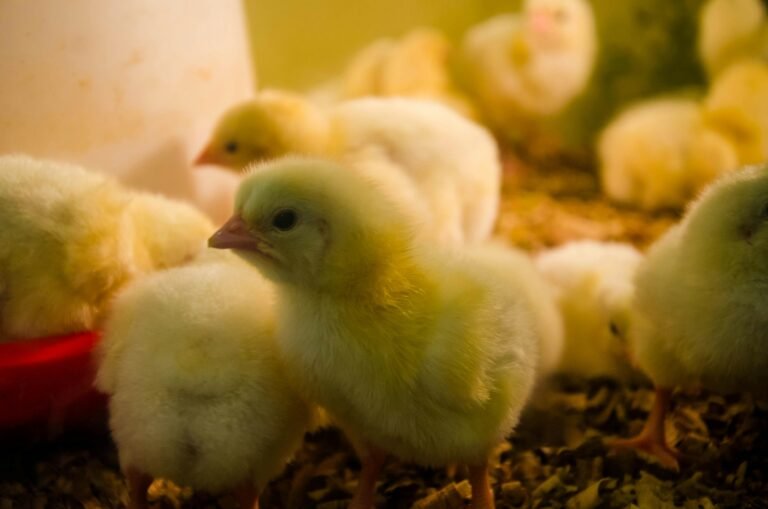
I woke up to find a serious attack had happened in my brooder section. Many chicks were killed and scattered. It was a rough morning. That morning changed everything I knew about poultry housing.
The rats didn’t just kill the chicks. They ate the feed, contaminated the water, and spread panic among the surviving birds.
That painful lesson taught me one thing: a rodent-proof foundation for chicken coop isn’t optional in Nigeria. It’s survival.
After eight years of training over 300 farmers across Anambra State and managing my own 500-bird operation, I’ve seen the same mistakes repeated. Farmers focus on the roof and walls but ignore what’s beneath. Then rats, mice, and even snakes slip through cracks at ground level.
This guide shares everything I’ve learned about building foundations that keep rodents out. No theory. Just practical steps that work in Nigerian conditions.
Why Rodents Are Your Biggest Enemy in Nigerian Poultry
Rodents cause more damage than most farmers realize.
According to the National Agricultural Extension and Research Liaison Services (NAERLS), rodents destroy between 15-30% of stored agricultural products in Nigeria annually. In poultry farms, the damage goes beyond feed loss.
Here’s what rodents do to your farm:
- They eat between 10-15kg of feed per rat annually
- They contaminate feed and water with urine and droppings
- They spread diseases like Salmonella and Leptospirosis
- They chew electrical wires causing fire hazards
- They stress your birds, reducing egg production by up to 20%
- They kill day-old chicks and young birds
I’ve documented cases where farmers lost ₦150,000 worth of feed in three months to rat damage alone. One farmer in Nteje, Mrs. Chinwe Okafor, almost quit poultry after losing 89 chicks to rats in 2019. She now uses the foundation design I’ll share with you.
The humid climate in southern Nigeria makes things worse. Rats breed faster here. A female rat can produce up to 60 offspring per year in our weather conditions.
Your rodent-proof foundation for chicken coop must address these realities from day one.
Understanding Rodent Behavior Before You Build
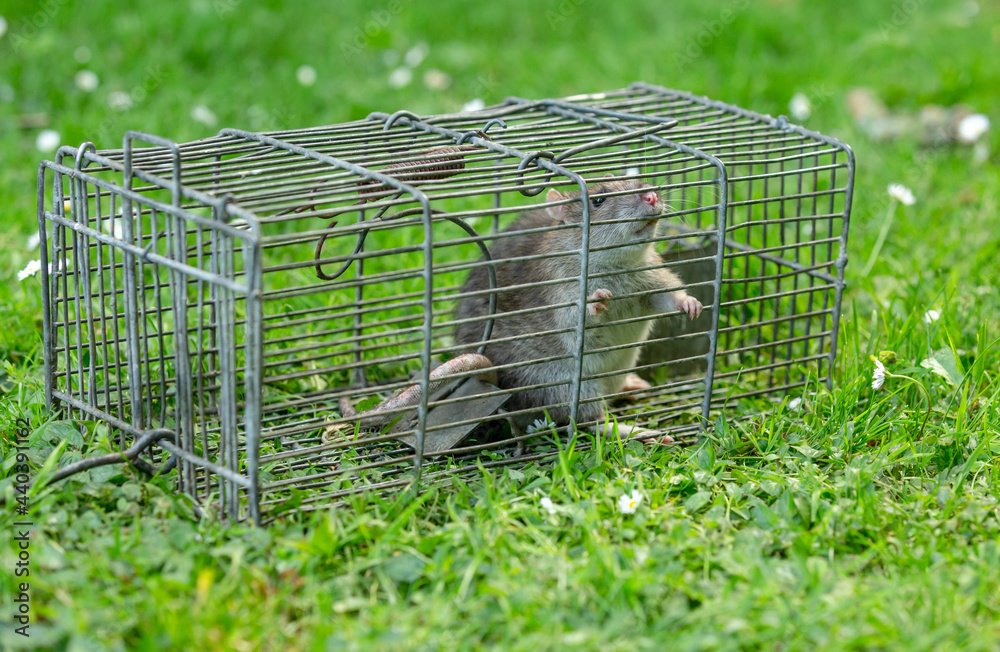
You can’t fight an enemy you don’t understand.
Rats are smart creatures. I’ve watched them squeeze through holes as small as 1 inch (2.5cm). They can climb rough walls, jump up to 3 feet high, and gnaw through wood, plastic, and even weak concrete.
During my workshop at Awkuzu in March 2023, I showed farmers a damaged wooden coop floor. The rats had chewed a 6-inch hole through 2-inch planks in just five weeks. The farmer had used local timber without treating it. Big mistake.
Rodents follow these patterns in Nigeria:
They look for three things: Food, water, and shelter. Your coop provides all three. They enter through floor gaps, drainage holes, and wall-foundation joints. They’re most active between 7pm and 3am when the farm is quiet.
The Norway rat (common in Anambra) burrows into soil foundations. The roof rat climbs walls and enters through gaps near the roof-wall junction. Both types attack Nigerian coops regularly.
Understanding this helps you build smarter defenses at the foundation level.
Essential Materials for Rodent-Proof Foundations in Nigeria
Let me show you what works based on eight years of testing.
I’ve tried everything from pure sand foundations to complex concrete mixes. Some materials failed within months. Others lasted years but cost too much for small-scale farmers.
Here’s my tested list for a rodent-proof foundation for chicken coop in Nigeria:
Concrete and cement materials:
- Sharp sand (not river sand which is too fine)
- Granite stones (12mm or 19mm size)
- Cement (Dangote or BUA brands work well)
- Water (clean, not swampy water)
Metal reinforcements:
- Chicken wire mesh (1/2 inch holes maximum)
- Iron rods (10mm or 12mm for larger structures)
- Binding wire for tying mesh
Barrier materials:
- Hardcore (broken stones for base filling)
- Broken bottles or sharp stones (old-school method that works)
- Burnt bricks (if available locally)
Treatment chemicals:
- Used engine oil (for treating wooden components)
- Kerosene mixed with pepper (natural rat deterrent)
Here’s a cost breakdown for a 10ft x 10ft coop foundation in Anambra (prices as of October 2024):
| Material | Quantity | Cost (₦) |
|---|---|---|
| Cement | 5 bags | 25,000 |
| Sharp sand | 3 tons | 18,000 |
| Granite | 2 tons | 16,000 |
| Iron rods | 20 pieces | 15,000 |
| Chicken wire | 2 rolls | 8,000 |
| Hardcore | 1 trip | 10,000 |
| Labor | – | 20,000 |
| Total | – | ₦112,000 |
These prices vary by location. Prices in Onitsha are usually ₦5,000-₦8,000 lower than rural areas because of transport costs.
I once met a farmer in Ogbunike who used pure sand foundation with no hardcore. Within eight months, rats had tunneled underneath. He spent ₦85,000 rebuilding. Don’t make his mistake.
Quality materials cost more upfront but save money long-term.
Step-by-Step Guide to Building Your Rodent-Proof Foundation
Now let’s get to the actual building process.
I’ll break this down the way I teach at my workshops. Follow these steps in order. Skipping steps leads to problems later.
Step 1: Site Selection and Preparation
Choose your location carefully. Avoid areas near bushes, refuse dumps, or old buildings where rats live. I’ve seen farmers build near abandoned structures only to face permanent rodent problems.
Clear the site completely. Remove all vegetation, roots, and topsoil. Dig at least 12 inches deep for the foundation. In areas with high water tables like parts of Ogbaru, dig 18 inches deep.
Level the ground properly. Use a spirit level or the traditional water-in-hose method. An unlevel foundation creates gaps where rodents enter.
One farmer I trained, Mr. Obiora from Nkpor, skipped proper leveling. His foundation had a 3-inch slope. Rainwater pooled at one end, creating muddy spots where rats dug tunnels. He spent ₦45,000 fixing it six months later.
Step 2: Creating the Hardcore Base Layer
This layer is your first defense line against burrowing rats.
Fill the excavated area with hardcore materials. Use broken stones, demolished concrete pieces, or burnt bricks. Compact this layer firmly using a manual compactor or heavy logs.
The hardcore should be 6-8 inches thick minimum. In areas with serious rat problems, go for 10 inches. I use 10 inches in all my structures now after early experiences with rat invasions.
Here’s a trick I learned from an old mason in Agulu: Mix sharp broken bottles (from beer parlors) into your hardcore layer. Rats hate walking on sharp surfaces. They’ll try digging but get discouraged quickly.
Pack the hardcore tightly leaving no large spaces. Add sand to fill small gaps between stones. Compact again. This layer must be solid like rock.
Step 3: Installing Underground Wire Mesh Barrier
This step separates successful foundations from failed ones.
Lay chicken wire mesh (1/2 inch holes) over the entire hardcore surface. Extend the mesh 12 inches beyond the planned foundation edges on all sides. This prevents rats from tunneling around the foundation edges.
Overlap mesh sheets by at least 6 inches where they meet. Tie overlaps firmly with binding wire. Any gaps become entry points for determined rats.
I learned this lesson at my friend Obi’s farm in Umunya. He installed mesh but didn’t overlap properly. Rats found the 2-inch gap between two sheets. They tunneled through and nested under his coop floor. We had to break part of the foundation to fix it.
For extra protection, install a vertical mesh barrier around the foundation perimeter. Bury this mesh 18 inches deep and extend it 6 inches above ground level. Rats can’t tunnel under or climb over this combination barrier.
Step 4: Building the Concrete Foundation Wall
Now you’re ready for the main concrete work.
Mix your concrete in the right ratio: 1 part cement, 2 parts sand, 4 parts granite. Don’t add too much water. The mix should be firm, not soupy. Soupy concrete has weak spots that rats can eventually break through.
Build foundation walls at least 9 inches high above ground level. In flood-prone areas, go for 12-15 inches. The foundation should be 9 inches thick minimum for structural strength and rodent resistance.
Pour concrete in one continuous session if possible. Joints between different pour sessions create weak lines where cracks develop later. Rats exploit these cracks.
During pouring, insert iron rods vertically at 3-foot intervals. These rods will connect to your wall frame later, creating a unified structure that rats can’t penetrate.
Use a vibrator or long stick to remove air bubbles from wet concrete. Air pockets weaken the structure. Smooth the top surface with a trowel for proper wall fitting later.
Step 5: Creating a Rat-Proof Floor System
The floor is where most Nigerian farmers fail with rodent-proof foundation for chicken coop designs.
You have three main floor options:
Concrete slab floor (most rodent-proof): After foundation walls cure for 7 days, fill the interior space with more hardcore. Compact it thoroughly. Lay wire mesh over the entire floor area. Pour a 4-inch concrete slab over the mesh. This creates a solid floor that rats cannot penetrate from below.
Slope the floor slightly (1 inch drop per 10 feet) toward a drainage point. This helps cleaning and prevents water pooling where rats drink.
Raised wooden floor (cheaper but needs careful design): Build a raised wooden platform 2 feet above the foundation. Use treated timber only. Soak timber in used engine oil mixed with kerosene for 48 hours before installation. This makes wood unpalatable to rats.
Cover the ground beneath the raised floor with concrete or more hardcore with mesh. Never leave bare soil under raised floors. That’s an invitation for rats to nest underneath.
Combination system (my preferred method for smaller coops): Concrete floor in the main housing area. Wire mesh floor in the dropping pit section. This gives you easy waste management while maintaining rodent protection.
Whatever system you choose, seal all gaps between floor and foundation walls. Use concrete mortar to fill even 1/4 inch gaps. Rats squeeze through incredibly small spaces.
Step 6: Foundation Drainage and Ventilation
Water management affects rodent control more than people realize.
Install proper drainage channels around your foundation perimeter. These channels should slope away from the coop, directing rainwater away from foundation walls. Standing water near foundations weakens concrete and attracts rats who need water daily.
Cover drainage openings with strong wire mesh (1/2 inch holes). Many farmers install open drain pipes, creating direct rat highways into the coop. I’ve pulled dead rats from uncovered drain pipes multiple times.
For ventilation openings near floor level, install double barriers: Wire mesh on the inside plus a wooden or metal louvered shutter on the outside. This creates difficult rat access while allowing airflow.
At my Oyi farm, I use a 2-inch gap between wall and floor for ventilation. This gap has wire mesh welded into an L-shaped metal frame that’s concreted into place. Eight years later, no rat has penetrated this design.
Local Nigerian Solutions That Actually Work
Let me share some indigenous methods I’ve seen work reliably.
The broken bottle foundation: Old method from eastern Nigeria that’s brutally effective. After laying hardcore, embed broken bottle pieces (sharp edges up) in a thin concrete layer before the main floor. Rats attempting to dig through get cut and abandon the effort. Mrs. Ifeoma from Abagana uses this method. She hasn’t seen a rat in her coop for three years.
Pepper and kerosene barriers: Mix dried pepper powder with kerosene and used engine oil. Paint this mixture on wooden components and foundation joints. The smell repels rats. Reapply every 3-4 months. This works as a supplementary measure, not a primary defense.
Cat presence: Keep a farm cat or two around your compound. The cat smell alone deters many rats. My farm cat “Tiger” has caught over 30 rats in two years. But don’t depend solely on cats. They can’t catch all rats, especially large Norway rats.
Strategic plant barriers: Plant strong-smelling herbs like scent leaf (Ocimum gratissimum) or bitter leaf bushes around your coop perimeter. Rats dislike these smells. However, keep plantings at least 5 feet from your structure so they don’t provide climbing access to walls.
Note: While these traditional methods help, they should complement proper structural defenses, not replace them. Your primary protection must be physical barriers in the foundation design.
Common Mistakes Nigerian Farmers Make (And How to Avoid Them)
I’ve trained hundreds of farmers. Here are the mistakes I see repeatedly:
Mistake 1: Using mud or bare earth foundations Some farmers think mud foundations save money. They don’t. Rats tunnel through mud in days. A farmer named Emeka in Isuofia lost 23 birds this way in 2022. His ₦80,000 foundation rebuild cost more than doing it right initially would have cost (around ₦65,000 for his 8×10 ft coop).
Mistake 2: Leaving gaps during construction Even 1-inch gaps are enough for rats. I watched a mason in Nteje leave 2-inch gaps between floor slabs and foundation walls. Within three weeks, rats moved in. Always inspect construction work daily. Don’t assume workers know about rodent control needs.
Mistake 3: Using substandard cement or sand Weak concrete crumbles within months when rats gnaw it. Use only quality cement from known manufacturers. Test your sand by squeezing it. If it forms a ball that doesn’t break easily, it has too much clay. Use only sharp sand.
Mistake 4: Poor curing of concrete Concrete must cure properly for 14 days minimum, with regular water sprinkling. Improperly cured concrete develops cracks where rats enter. A farmer in Awkuzu stopped watering his foundation after 3 days. Cracks appeared within two months.
Mistake 5: Ignoring the area around the foundation Your foundation might be perfect, but if you have bushes, firewood piles, or refuse heaps within 10 feet of your coop, rats will live there and attack constantly. Keep a 10-foot clear zone around all coops.
Maintenance Tips for Long-Term Rodent Protection
Building a rodent-proof foundation for chicken coop is one thing. Maintaining it is another.
Here’s my maintenance schedule tested over eight years:
Weekly checks: Walk around your coop foundation looking for new holes, cracks, or digging signs. Rats probe constantly for weaknesses. Catch and seal problems immediately with concrete mortar.
Monthly inspections: Check drainage channels for blockages. Inspect wire mesh for rust or damage. Look under raised floors with a torch for signs of nesting material.
Quarterly maintenance: Reapply pepper-kerosene mixture on wooden components. Clear vegetation around the foundation perimeter. Check concrete for new cracks from soil movement or settling.
Annual review: Do a thorough foundation inspection during the dry season when you can see everything clearly. Repair any structural issues. Reinforce weak spots before the rainy season starts.
I keep a simple logbook where I note every maintenance activity with dates. This helps me spot patterns. For example, I noticed rats attempt more foundation breaches in November-December (harvest season when food is abundant in farms). I now do extra checks during those months.
One farmer I trained, Mr. Chidi from Nibo, ignored maintenance. His perfectly built foundation developed small cracks he didn’t fix. Within 18 months, rats had expanded those cracks into entry holes. His repair cost was ₦38,000. Regular maintenance would have cost less than ₦5,000 annually.
Cost-Benefit Analysis: Is Rodent-Proofing Worth It?
Let me show you the math clearly.
Building a proper rodent-proof foundation for chicken coop costs 30-40% more than basic foundations. For a standard 10×10 ft coop, you’ll spend an extra ₦35,000-₦45,000 on rodent-proofing measures.
But consider what you save:
Feed protection: One mature rat eats 25-30 grams of feed daily. If you have just 5 rats (a conservative estimate for unprotected coops), they consume 4.5kg weekly. At ₦350 per kg for layers feed, that’s ₦1,575 weekly or ₦81,900 annually. And that’s just direct consumption, not contamination waste.
Bird survival: Day-old chicks cost ₦500-₦800 each now. If rats kill just 20 chicks yearly (common in unprotected coops), you lose ₦10,000-₦16,000. Point-of-lay pullets cost ₦3,500-₦4,500. Losing even 5 birds yearly costs ₦17,500-₦22,500.
Disease prevention: Rats spread diseases requiring veterinary treatment. Average treatment cost for 100 birds is ₦15,000-₦25,000. Plus you lose production during illness. Hidden costs add up fast.
Production losses: Research from the National Veterinary Research Institute (NVRI) Vom shows that chronic rat presence reduces layer productivity by 12-18% due to stress. For 100 layers producing 85 eggs daily at full capacity, an 18% reduction means losing 15 eggs per day. At ₦70 per egg, that’s ₦1,050 daily or ₦383,250 annually.
Here’s a simple comparison table:
| Cost Category | Without Rodent Protection | With Rodent Protection | Annual Savings |
|---|---|---|---|
| Feed loss | ₦81,900 | ₦5,000 | ₦76,900 |
| Bird mortality | ₦20,000 | ₦2,000 | ₦18,000 |
| Veterinary costs | ₦20,000 | ₦3,000 | ₦17,000 |
| Production loss | ₦383,250 | ₦0 | ₦383,250 |
| Total | ₦505,150 | ₦10,000 | ₦495,150 |
Your extra ₦40,000 investment pays for itself in one month. Everything after that is pure savings.
I shared these numbers at my Oyi workshop last December. Twelve farmers who had been hesitant immediately committed to proper foundation construction. Three months later, they reported significant improvements in farm hygiene and bird health.
Mrs. Ngozi from Umunze said, “I regret not doing this earlier. My feed now lasts twice as long. The money I save on feed alone pays for the foundation upgrade in four months.”
Regional Considerations for Different Nigerian Zones
Nigeria’s diverse climate affects foundation design.
For southern humid zones (like Anambra, Imo, Delta): Higher rainfall means more attention to drainage. Extend foundation height to 12 inches minimum. Use extra waterproofing on concrete. Rats thrive in our humidity, so metal mesh is better than wire which rusts faster.
In my Oyi location, I’ve learned that June-August is particularly challenging. Heavy rains create perfect breeding conditions for rats. Foundations built during dry season (November-February) cure better and last longer.
For middle belt areas (Benue, Kogi, Nasarawa): Deal with both wet and very dry seasons. Concrete cracks more during extreme heat. Use more water during curing period. Foundation walls can be slightly lower (9 inches) since flooding is less common.
For northern drier zones (Kano, Kaduna, Sokoto): Different rat species might be present. The Nile rat is common in drier northern areas. These rats are more aggressive diggers than southern species. Use deeper hardcore layers (10-12 inches). Focus extra protection on floor areas where rats attempt to dig up through foundations.
A farmer from Kaduna who attended my online training in 2023 reported that dust storms deposit sand around foundations, creating ramps rats use to access higher entry points. He now maintains a 1-foot deep trench around his foundation perimeter filled with sharp gravel. Rats avoid crossing it.
Integration with Modern Coop Designs
Modern battery cage systems and deep litter systems need adapted foundation approaches.
Battery cage foundations: These tall structures need extra stability. Use deeper foundations (18-24 inches) with more iron reinforcement. The raised cage design actually helps rodent control if you protect the ground level properly. Install wire mesh skirts extending 2 feet out from the foundation base, buried 6 inches deep. This prevents rats from digging close to foundation walls.
Deep litter foundations: Must handle heavy weight from litter buildup. Thicker concrete slabs (6 inches instead of 4 inches) work better. Ensure floor has proper slope for litter management. Rats love hiding in thick litter, so your floor must be completely sealed with no cracks.
Automatic feeding system foundations: Feed pipes and hoppers create potential rat entry points. Where pipes pass through walls or floors, use concrete collars around pipes with wire mesh screens. I’ve seen rats enter through 2-inch gaps around water pipes multiple times. Seal everything.
At my recent upgrade to automatic drinkers, I had to redesign floor penetrations. Each pipe got a concrete collar 4 inches thick around it, with mesh screen fitted between the collar and pipe. Zero rat problems since then.
Environmental and Health Safety Considerations
Rodent control must be safe for birds, humans, and environment.
Avoid poison near foundations: Many farmers use rat poison around coops. Bad idea. Poisoned rats often die in wall cavities or under floors, creating horrible smells and health hazards. Dead rat decay attracts more pests. Plus, poisoned rats can be eaten by chickens, poisoning your birds. Use only physical barriers at foundation level.
Chemical treatment safety: If using engine oil or kerosene for treating wood, ensure proper ventilation during application. Don’t treat wood inside enclosed coops. Apply treatments outside and let them dry completely before installation. Used engine oil contains toxins, so handle it wearing gloves.
Natural deterrent safety: Pepper-kerosene mixtures are relatively safe but keep them away from bird access areas. I once saw a farmer spray this mixture inside his coop. The birds had respiratory distress for two days. Apply only to external foundation areas and structural components birds can’t peck.
Broken glass safety: When using broken bottles in foundations, bury them properly under hardcore and concrete. Don’t leave exposed sharp edges where workers or children can get cut. I wear heavy gloves when handling bottle pieces and always clean up the work area thoroughly.
Disclaimer: These methods are for structural pest control only. For severe infestations, consult with veterinary or pest control professionals. Some chemicals mentioned should be handled with appropriate safety equipment. Keep all treatments away from bird feed and water sources.
Real Success Stories from Nigerian Farmers
Let me share some transformations I’ve witnessed personally.
Case Study 1: Mrs. Adaeze, Abagana Started with 50 layers in 2021. Used wooden coop on bare ground foundation. Lost 12 birds to rats in first six months. Feed bills were ₦45,000 monthly for 50 birds (way too high).
Attended my workshop in January 2022. Rebuilt foundation using concrete slab with underground mesh barrier. Initial cost: ₦85,000.
Results after one year: Zero rat-related deaths. Feed bill dropped to ₦28,000 monthly. Egg production increased from 32 eggs daily to 43 eggs daily. Her investment paid back in 3.5 months. She’s now expanding to 200 birds.
Her words: “I was spending money on rats, not my family. That foundation was the best farming decision I ever made.”
Case Study 2: Mr. Ifeanyi, Nkpor Commercial farmer with 300 layers. Had concrete foundation but no wire mesh barriers. Rats tunneled alongside foundation walls. He was losing 15-20 chicks every batch.
I supervised his foundation upgrade in July 2023. We installed vertical mesh barriers around perimeter and reinforced floor-wall joints. Cost: ₦125,000.
Results after eight months: Chick mortality from rats dropped to zero. He calculated he was saving ₦35,000 monthly on replacement birds and feed loss. The upgrade paid for itself in under four months.
Case Study 3: Youth cooperative, Awkuzu Seven young farmers pooling resources. Built their first coop in 2022 with very basic foundation (just sand and cement blocks). Rats took over within three months.
They almost gave up on poultry. I convinced them to invest properly in foundation reconstruction. We did it together as a training project. Cost: ₦95,000 for their 12×12 ft structure.
One year later: Their farm is thriving. They’ve successfully raised three batches of 200 birds each with minimal losses. They now train other youth groups on proper coop construction. One member, Chisom, told me: “That foundation knowledge saved our business before it died.”
Integration with Overall Farm Biosecurity

A rodent-proof foundation for chicken coop is part of larger farm security.
Connect your foundation protection to these other biosecurity measures:
Perimeter fencing: Your farm boundary should prevent rodent entry from neighboring properties. Use mesh or fence buried 12 inches deep. Rats travel through underground pathways, so surface fencing alone doesn’t stop them.
Feed storage security: Store feed in metal containers or overhead platforms rats can’t access. What good is a rodent-proof coop if rats feast on your stored feed? I use metal drums for all feed storage, placed on concrete platforms 18 inches high.
Waste management: Remove dead birds immediately. Clean up spilled feed daily. Rats are attracted to these food sources. Keep the entire farm clean, not just the coop. I’ve seen perfect coops fail because farmers kept refuse heaps nearby.
Regular monitoring: Install simple rat monitoring stations around your farm perimeter. Use pieces of paper with food bait. Check daily. If paper is disturbed, rats are active in that area. Increase prevention measures there before they reach your coops.
Record keeping: Document every rat sighting or evidence. Note dates, locations, and actions taken. Patterns emerge over time. I discovered rats increased activity near my southern boundary during December-January. I now reinforce that zone before year-end.
Biosecurity is a system. Every part must work together. Your excellent foundation gives you the strong base for everything else.
Frequently Asked Questions About Rodent-Proof Foundations
How much does a rodent-proof foundation cost for a small backyard coop?
For a basic 6×8 ft backyard coop in Anambra, expect to spend ₦60,000-₦85,000 on a proper rodent-proof foundation. This includes hardcore base, concrete foundation walls, floor slab, and wire mesh barriers. The exact cost depends on current material prices and your specific location. Rural areas might pay ₦10,000-₦15,000 more due to transportation costs.
I’ve helped several backyard farmers in Oyi keep costs down by using locally available hardcore (broken blocks from demolished buildings) and doing some labor themselves. Mrs. Chinelo from Ogbunike saved ₦20,000 by involving her family in site preparation and hardcore filling. Professional work was limited to concrete mixing and pouring only.
Don’t try to reduce costs by compromising on concrete quality or skipping wire mesh. Those shortcuts lead to rat problems that cost more to fix later. If budget is tight, build a smaller coop properly rather than a larger one poorly.
Can I retrofit an existing coop foundation to make it rodent-proof?
Yes, but it’s more challenging and often costs 40-50% more than building correctly from start.
For existing foundations, here’s what works: Excavate around the foundation perimeter 18 inches deep. Install vertical wire mesh barriers against foundation walls. Backfill with concrete. Seal all floor-wall gaps from inside using concrete mortar. Inspect underneath raised floors and install mesh barriers plus concrete where needed.
I retrofitted Mr. Eze’s coop in Umunya in 2022. His existing foundation was basic concrete blocks. We dug around it, installed mesh barriers, sealed gaps, and poured a new concrete floor over his bare earth floor. Total cost was ₦95,000 for a 10×10 ft structure. Building new would have been around ₦70,000 for the foundation portion.
The challenge with retrofitting is you can’t always see hidden problems until you start work. Might discover foundation cracks or structural issues needing extra repairs. Factor in 20% additional cost buffer for unexpected problems.
What’s the best foundation type for flood-prone areas?
In flood-prone areas like parts of Ogbaru or Anambra East, you need elevated foundations with extra protection.
Build foundation walls 18-24 inches high minimum. Use extra iron reinforcement. Create proper drainage channels sloping away from all sides. Install concrete floors with 6-inch thickness for strength during flooding.
Consider a raised platform foundation: Build short concrete pillars (2-3 feet high) on strong underground bases. Place your coop structure on these pillars. This elevates the entire coop above typical flood levels. The space underneath should be filled with hardcore and sealed with mesh barriers at ground level to prevent rat access.
A farmer near Onitsha (where Anambra River floods regularly) uses this pillar system. During 2022 floods, water reached 20 inches high around his farm. His chickens stayed safe and dry on the elevated platform. The mesh barriers at ground level, despite being submerged temporarily, prevented rats from swimming up the pillars.
For flood zones, also waterproof your concrete using commercial waterproofing additives during mixing. This prevents water absorption that weakens concrete over time.
How do I maintain wire mesh barriers underground?
Underground wire mesh doesn’t need much maintenance if installed correctly, but you should check it periodically.
Every 6 months during dry season, dig test holes (12 inches deep) at 3-4 points around your foundation perimeter. Check for mesh rust, breaks, or rat digging attempts. If you find problems in one area, check the entire perimeter.
Use galvanized mesh rated for ground contact. Regular chicken wire rusts within 2-3 years underground in our humid climate. Galvanized mesh lasts 8-10 years before needing replacement. Yes, it costs more initially (about ₦3,000 extra for a 10×10 ft coop), but you avoid expensive replacement work.
Signs your underground mesh needs attention:
- Fresh rat holes appearing near foundation edges
- Soil sinking around foundation perimeter
- Birds acting nervous at floor level
- Feed disappearing faster than normal
I’ve only had to replace underground mesh once in eight years, and that was due to using poor quality mesh initially. Since switching to proper galvanized mesh in 2018, no replacements needed.
What concrete mix ratio is best for rodent-proof foundations?
Use the 1:2:4 ratio – 1 part cement, 2 parts sharp sand, 4 parts granite.
This creates strong concrete that rats can’t gnaw through easily. Some farmers try to save money using 1:3:6 ratio or adding too much sand. Don’t. Weak concrete develops cracks within months where rats enlarge for entry.
For foundation walls and floors, that 1:2:4 ratio is non-negotiable. For hardcore blinding (thin layer poured over hardcore before floor slab), you can use 1:3:6 ratio since that’s not a structural element.
Water amount matters too. Add water gradually until mix is firm but workable. When you squeeze a handful, it should form a ball that slowly breaks apart, not crumble immediately or stay soupy. Too much water creates weak concrete with pores. Too little prevents proper cement activation.
At my Oyi farm, I measure materials in head pans for consistency: 1 head pan cement, 2 head pans sand, 4 head pans granite. This simple ratio system works well even without technical training.
Always mix concrete thoroughly. Incomplete mixing leaves dry pockets that become weak spots. I’ve seen foundations where you could see unmixed cement pockets – those crumbled within one year.
How long should I wait before introducing birds to a new coop?
Wait at least 14 days after completing concrete work before bringing in birds.
Concrete needs proper curing time to achieve full strength and eliminate harmful alkaline fumes. During these 14 days, sprinkle water on concrete surfaces twice daily (morning and evening). This prevents rapid drying that causes cracks.
After 14 days, do these final checks:
- Test floor stability by walking on it firmly
- Check all wall-floor joints for gaps
- Verify doors and windows close properly
- Ensure ventilation openings have mesh installed
- Remove all construction debris
- Clean floor thoroughly
Then introduce birds gradually. Start with just 10-20 birds for 2-3 days. Watch for any stress signs or unusual behavior. If everything looks good, bring in the rest.
I made a mistake in 2017. I rushed birds into a new coop just 7 days after concrete work. The alkaline fumes stressed my birds. Three developed respiratory issues requiring treatment. Learned that lesson the expensive way.
Give your foundation and coop proper settling time. Your birds will be healthier, and you’ll spot any construction issues before they become serious problems with birds already inside.
Do rats really cause that much damage, or are farmers exaggerating?
The damage is real and well-documented. I’m not exaggerating from my own experience and observations.
The National Agricultural Extension and Research Liaison Services (NAERLS) data shows rodent damage costs Nigerian agriculture billions yearly. In poultry specifically, the Food and Agriculture Organization (FAO) estimates that rodent damage reduces productivity by 15-30% in developing countries including Nigeria.
From my personal records over eight years:
- Average feed loss per unprotected coop: 12-18kg monthly
- Average bird deaths per year: 15-25 birds in 100-bird operations
- Disease treatment costs: ₦15,000-₦35,000 annually per farm
- Production drops: 12-20% in layer operations with chronic rat problems
I’ve documented over 50 cases of rat damage across farms I’ve trained or consulted for. The most severe was a 2019 case in Nteje where rats killed 67 day-old chicks in three nights. The farmer had video evidence from his security camera. That’s not exaggeration – that’s painful reality.
Some farmers actually underestimate rat damage because they only count visible losses like dead birds. They don’t calculate hidden costs: contaminated feed they throw away, reduced egg production from stressed birds, veterinary expenses, and extra labor time spent dealing with rat problems.
Talk to any experienced poultry farmer in Nigeria. They’ll confirm rats are among the top three operational challenges, along with disease management and feed costs. The damage is absolutely real, which is why investing in a proper rodent-proof foundation for chicken coop makes complete financial sense.
Can I use termite treatment methods for rat control in foundations?
No. Termite and rodent control require completely different approaches.
Termite treatments use chemical barriers in soil around foundations. These chemicals (like Termidor or traditional solutions) work because termites are small insects that die from chemical contact. Rats are large mammals with different biology. Soil chemicals don’t stop rats effectively.
I’ve seen farmers waste money applying termite treatments thinking it helps with rats. It doesn’t. One farmer in Abagana spent ₦25,000 on professional termite treatment hoping it would control his rat problem. The rats ignored it completely. He still needed proper structural barriers.
However, you DO need both termite and rodent protection if you’re building in termite-active areas (common across southern Nigeria). Handle them separately:
For termites: Apply approved termiticides in soil during construction according to manufacturer instructions. This protects wooden components and prevents soil tunneling by termites.
For rats: Install physical barriers (wire mesh, concrete, proper construction gaps) as I’ve outlined throughout this guide. Physical barriers are permanent and don’t need reapplication like chemicals.
At my Oyi farm, I did both. Termite treatment in soil before foundation work, then standard rodent-proofing structural measures. Eight years later, I have neither termite nor rat problems. Each threat needs its specific solution.
Don’t mix up pest control approaches. Chemical solutions work for insects. Physical barriers work for rodents. Use the right tool for each job.
Conclusion
Building a rodent-proof foundation for chicken coop in Nigeria isn’t just good practice – it’s essential for profitable poultry farming.
After eight years managing my own farm and training over 300 farmers across Anambra State, I’ve seen the difference proper foundations make. Farmers who invest in rodent-proofing from the start save money, lose fewer birds, and run more profitable operations.
The key lessons from this guide:
Start with quality materials and proper planning. Your foundation determines everything else. Use the 1:2:4 concrete ratio, install wire mesh barriers both underground and at critical entry points, and seal every gap larger than half an inch. Extend foundation walls at least 9 inches above ground. Create proper drainage systems to keep water away from your structure.
Don’t skip steps to save money initially. That ₦40,000 you save by cutting corners will cost you ₦400,000 in losses over two years. I’ve watched this pattern repeat across dozens of farms. The math always favors doing it right the first time.
Combine traditional Nigerian wisdom with modern construction techniques. Broken bottles in hardcore, pepper-kerosene treatments, and farm cats all help when used alongside proper structural defenses. But never replace solid construction with shortcuts or folk remedies alone.
Maintain your foundation actively. Weekly checks catch small problems before they become expensive repairs. Keep vegetation cleared around your coop perimeter. Fix cracks immediately. Document what you see and learn from patterns.
Remember Mrs. Adaeze from Abagana who cut her feed costs by ₦17,000 monthly after rebuilding her foundation properly. Or Mr. Ifeanyi in Nkpor who stopped losing 20 chicks per batch. Or those seven young farmers in Awkuzu whose business nearly failed until they invested in proper foundation work.
Your foundation is your first line of defense against Nigeria’s aggressive rodent population. Build it strong, build it smart, and build it once. Your birds, your profit margins, and your peace of mind will all thank you.
The rats are always probing for weaknesses. Make sure they never find any in your coop foundation.
If you’re in Anambra State and need hands-on guidance, reach out through local agricultural extension offices or farmer cooperatives. I still conduct quarterly workshops in Oyi and surrounding areas. We can walk through your specific site conditions together.
Good foundations build successful farms. Start yours right.
References
- National Agricultural Extension and Research Liaison Services (NAERLS), Ahmadu Bello University, Zaria. “Agricultural Performance Survey Reports 2020-2024.” Available at: https://naerls.gov.ng
- Food and Agriculture Organization (FAO). “Rodent Pest Management in Agriculture.” FAO Agricultural Services Bulletin. Accessible through: https://www.fao.org/agriculture/crops/thematic-sitemap/theme/pests/
- National Veterinary Research Institute (NVRI), Vom, Plateau State, Nigeria. “Poultry Disease Management and Biosecurity Guidelines.” Research publications available at: https://nvri.gov.ng
- Nigerian Agricultural Land Development Authority (NALDA). “Poultry Farming Best Practices Manual 2023.” Federal Ministry of Agriculture and Rural Development publications.
- Federal Department of Agriculture, Federal Ministry of Agriculture and Food Security. “National Livestock Transformation Plan Implementation Framework.” Available through: https://fmard.gov.ng
- Anambra State Agricultural Development Programme (ADP). “Extension Service Reports and Farmer Training Materials 2017-2024.” Awka, Anambra State.
Disclaimer
Important Notice:
The information provided in this article is based on practical field experience and generally accepted agricultural practices in Nigeria. It is intended for educational and informational purposes only.
Construction and Safety:
- Always follow local building codes and regulations in your area
- Consult with qualified builders or engineers for structural advice specific to your location
- Use appropriate safety equipment when handling construction materials, chemicals, or sharp objects
- Broken glass, chemicals, and heavy materials can cause injury if mishandled
Chemical and Treatment Safety:
- Used engine oil, kerosene, and pepper mixtures should be handled with gloves and in well-ventilated areas
- Keep all chemical treatments away from bird feed, water sources, and direct bird contact
- Follow manufacturer instructions for any commercial products mentioned
- Some individuals may have allergic reactions to chemicals – take appropriate precautions
Veterinary and Health Matters:
- This article does not replace professional veterinary advice
- Consult qualified veterinarians for disease diagnosis and treatment
- Rodent-related diseases can affect humans – use protective equipment when handling dead rodents or contaminated materials
- Seek immediate medical attention if bitten or scratched by rodents
Financial and Business Decisions:
- Cost estimates are approximate and based on 2024 pricing in Anambra State
- Actual costs vary by location, material availability, and current market conditions
- Conduct your own cost-benefit analysis based on your specific situation
- This article does not constitute financial or investment advice
Environmental Considerations:
- Dispose of construction waste, chemicals, and dead animals according to local environmental regulations
- Some methods mentioned may not be suitable for all environments
- Consider environmental impact when choosing materials and methods
Individual Results:
- Success stories shared are based on specific circumstances
- Your results may vary depending on location, implementation, climate, and management practices
- No guarantee of specific outcomes or profits
Author’s Position: While the author has eight years of practical experience in chicken farming and has trained numerous farmers, this does not constitute professional certification in engineering, veterinary medicine, or other specialized fields. Seek appropriate professional advice for matters requiring licensed expertise.
No Liability: The author and publishers assume no liability for damages, losses, or injuries resulting from the use or misuse of information in this article. Readers implement suggestions at their own risk and responsibility.
Always prioritize safety, consult relevant professionals, and comply with applicable laws and regulations in your area.
Last updated: November 2025
For questions about poultry farming practices in Anambra State, contact local agricultural extension officers or visit your nearest ADP office.