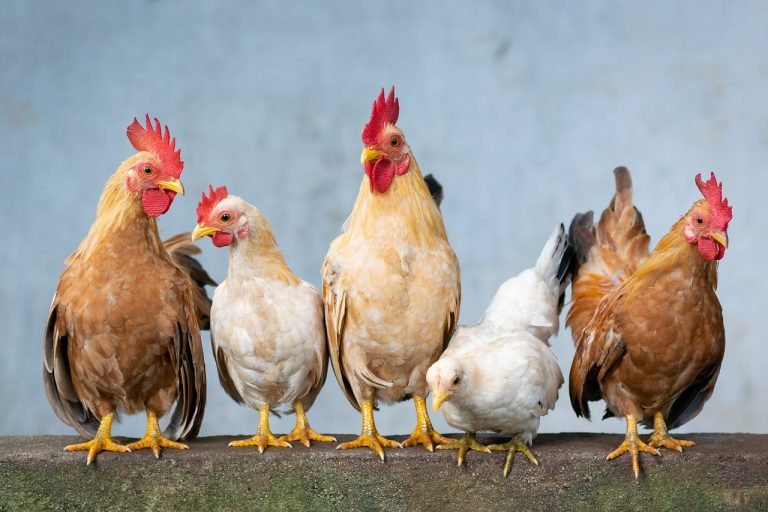
Affordable Substitute for Maize in Poultry Feed Formula Nigeria: Cut Feed Cost by 40%
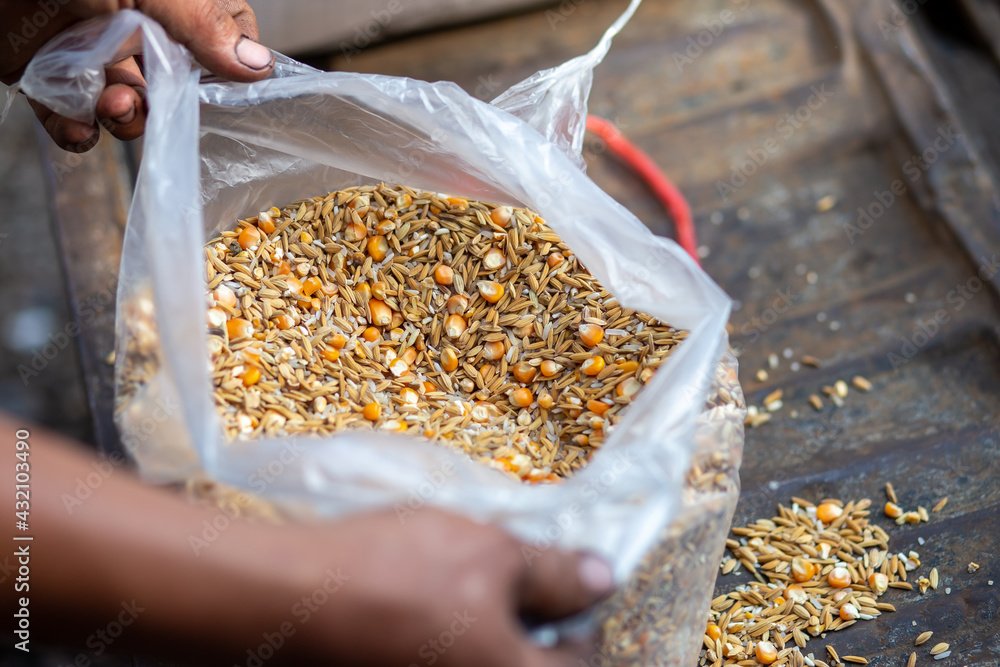
Maize is expensive in Nigeria right now. As of October 2025, one 100kg bag of maize costs between ₦58,000 to ₦68,000 in most markets across Anambra State. This high price is killing many small chicken farms.
I’m Pius Emeka, a chicken farmer from Oyi Local Government Area, Anambra State. I’ve been raising broilers and layers since 2017. I’ve trained over 200 farmers in my community. Today, I’ll share practical alternatives to maize that work.
Finding a good substitute for maize in poultry feed formula can save your farm. I’ve tested these alternatives myself. Some worked well. Others failed. I’ll tell you the truth about each one.
Why Maize Is Expensive in Nigeria
Maize prices jumped because of several problems. Insecurity in northern states affected farming. Flooding destroyed many farms in 2024. The exchange rate made imported maize costly.
Many Nigerian farmers stopped raising chickens. They couldn’t afford feed anymore. But smart farmers found alternatives. These substitutes work if you use them correctly.
The main problem is simple. Maize makes up 50-55% of poultry feed. When maize costs too much, feed becomes expensive. Your profit disappears.
I remember Mr. Chukwuma from Awkuzu. He closed his 500-bird farm in 2023. He said feed was too expensive. Six months later, he visited my farm. He saw my birds eating feed with sorghum instead of maize. He reopened his farm using my formula.
Understanding Maize in Poultry Feed
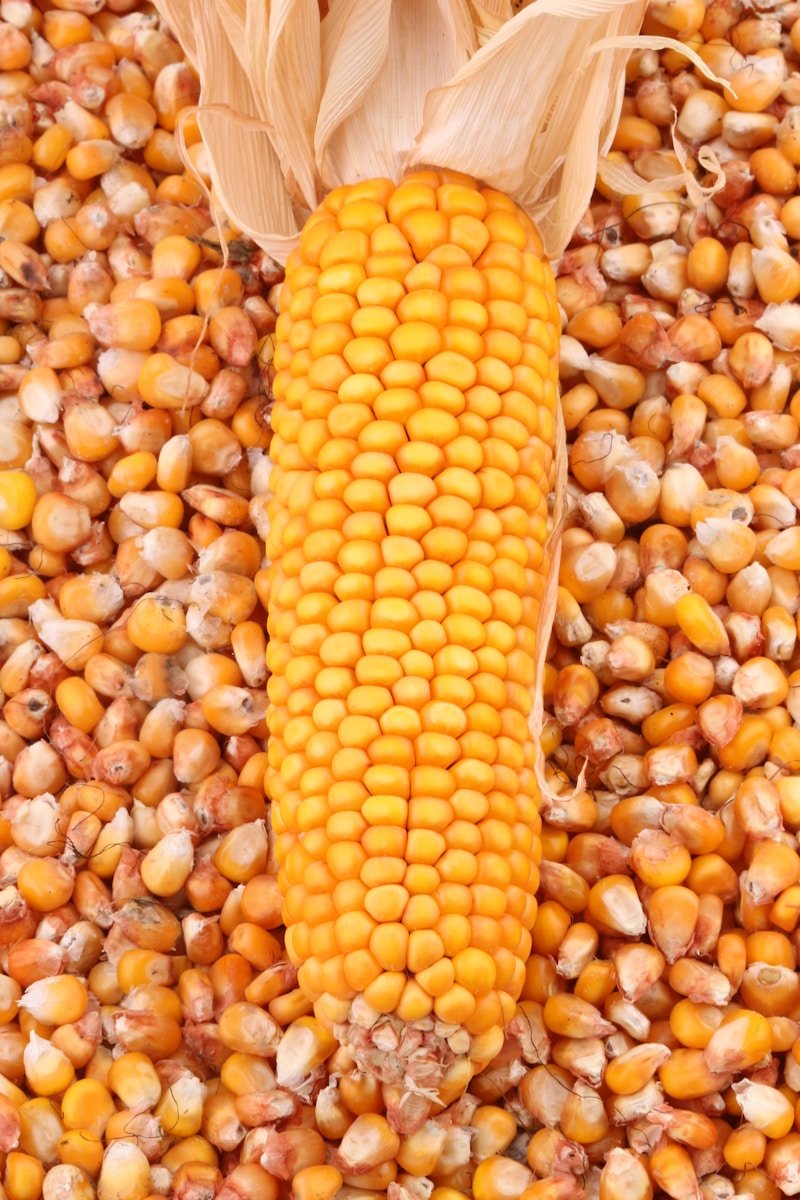
Maize provides energy to chickens. It contains about 8-9% protein and 3,350 kcal/kg of metabolizable energy. Chickens digest maize easily. That’s why every farmer uses it.
But here’s what most farmers don’t know. Chickens don’t need maize specifically. They need energy and some protein. Any grain that provides these nutrients can work.
During my training at the National Agricultural Extension and Research Liaison Services (NAERLS) workshop in Zaria, 2019, the facilitator said something important. He said, “Maize is convenient, not irreplaceable.”
That statement changed how I formulate feed. I started testing different grains. Some worked better than I expected.
Top 7 Substitute for Maize in Poultry Feed Formula
Let me share the substitutes I’ve tested successfully. These options work in Nigerian conditions. I’ll tell you the good and bad sides of each one.
1. Sorghum (Guinea Corn)
Sorghum is my favorite substitute for maize in poultry feed formula. It grows well in northern Nigeria. The price is usually ₦10,000 to ₦15,000 cheaper than maize per 100kg bag.
Nutritional value: Sorghum contains 8-11% protein and 3,250 kcal/kg energy. This is almost the same as maize.
How to use it: Replace up to 100% of maize with sorghum. I’ve done this many times. My birds grew normally. No health problems appeared.
Processing tip: Sorghum has tannins that reduce nutrient absorption. Soak the grains in water for 12-24 hours. Drain and dry them before milling. This removes most tannins.
I learned this soaking method from Mrs. Ngozi in Nteje. She’s been using sorghum since 2020. Her layers produce eggs just like birds on maize-based feed.
Where to buy: You can find sorghum in most northern markets. Kano, Kaduna, and Katsina have plenty. You can also buy from farmers directly.
2. Millet
Millet works well but costs almost as much as maize in some markets. I use it when sorghum isn’t available.
Nutritional value: Millet has 10-12% protein and 3,100 kcal/kg energy. It’s slightly lower in energy than maize.
How to use it: Replace up to 60% of maize with millet. If you go higher, add palm oil or animal fat. This compensates for the energy difference.
During a training session at Oyi Town Hall in 2021, I showed 30 farmers my millet-based feed formula. Three months later, 8 of them switched to millet. They reported 15-20% savings on feed costs.
Important note: Millet is small and hard. Mill it finely so chickens can digest it properly.
3. Broken Rice and Rice Bran
Broken rice is cheap in rice-producing areas. I buy mine from rice mills in Ayamelum Local Government Area.
Nutritional value: Broken rice has 7-8% protein and 3,350 kcal/kg energy. The energy level matches maize perfectly.
How to use it: Replace up to 40% of maize with broken rice. Don’t go higher because rice has less protein than maize.
Rice bran is different. It’s the outer layer removed during milling. It contains 12-15% protein and 2,500 kcal/kg energy.
How to use rice bran: Add 10-15% rice bran to your feed formula. It provides protein and fiber. But too much causes loose droppings.
I bought spoiled broken rice from a miller in 2022. The rice had a bad smell. My birds refused to eat it. I lost ₦45,000. Always check quality before buying.
4. Cassava Products
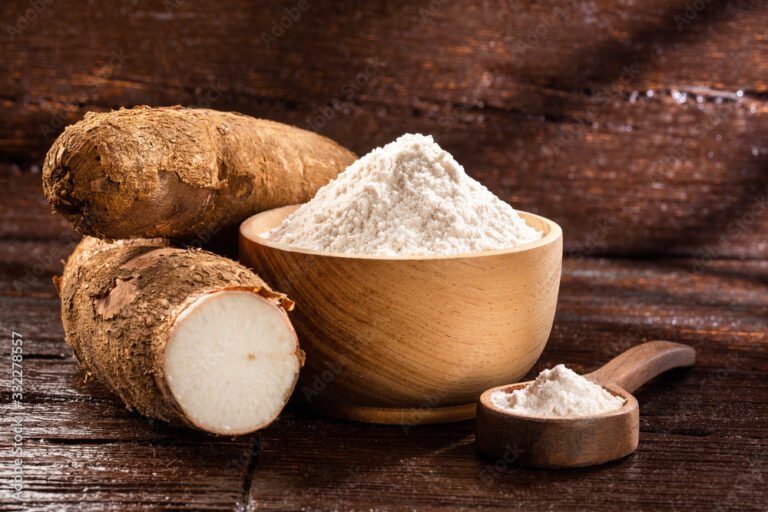
Nigeria produces millions of tons of cassava yearly. Cassava can replace some maize in feed. I use cassava in two forms: High-Quality Cassava Flour (HQCF) and cassava chips.
Nutritional value: Cassava flour has 2-3% protein and 3,200 kcal/kg energy. It’s high in energy but very low in protein.
How to use it: Replace only 15-20% of maize with cassava products. You must add extra protein sources like soybean meal or fish meal.
Processing is critical: Raw cassava contains cyanide. This poison kills chickens. Always use properly processed cassava. Buy HQCF from registered producers.
The National Agency for Food and Drug Administration and Control (NAFDAC) approves some cassava flour producers. Look for their certification.
Mr. Obiora from Nteje used unprocessed cassava chips in 2023. He lost 80 birds in two days. The post-mortem showed cyanide poisoning. Don’t make this mistake.
5. Sweet Potato
Sweet potato is seasonal but very useful. I use it during harvest season when prices drop.
Nutritional value: Sweet potato has 4-6% protein and 3,000 kcal/kg energy. It also contains vitamin A, which is good for egg color.
How to use it: Replace up to 25% of maize with dried sweet potato chips. Slice the potatoes thinly. Dry them completely in the sun. Mill them before mixing.
I visited a farm in Nsukka in 2024. The farmer used fresh sweet potato. His birds got diarrhea. The problem was too much moisture. Always dry sweet potato completely.
6. Wheat Offal
Wheat offal comes from flour mills. It’s cheap and available in most cities. I buy mine from flour mills in Onitsha.
Nutritional value: Wheat offal contains 14-17% protein and 2,200 kcal/kg energy. It has good protein but low energy.
How to use it: Wheat offal can’t directly replace maize. But you can add 10-20% to your formula. It provides fiber and protein. Reduce your soybean meal slightly when you add wheat offal.
Quality warning: Some sellers mix wheat offal with sand or dirt to increase weight. Always buy from trusted sources. Sieve a sample before buying.
7. Palm Kernel Cake (PKC)
Palm kernel cake is abundant in southern Nigeria. Many farmers waste this resource.
Nutritional value: PKC has 16-19% protein and 2,100 kcal/kg energy. It’s high in protein but low in energy.
How to use it: Add 5-10% PKC to your feed. It can’t replace maize directly. But it reduces your need for protein sources. This indirectly saves money.
Processing note: PKC is very hard. Mill it finely. Otherwise, chickens can’t digest it. I learned this the hard way in 2018.
Practical Feed Formulas Using Maize Substitutes
Here are actual formulas I use on my farm. These formulas work for broilers and layers.
Broiler Starter (0-4 Weeks) Using Sorghum
| Ingredient | Percentage | Cost per 25kg (₦) |
|---|---|---|
| Sorghum | 52% | 6,240 |
| Soybean meal | 30% | 7,500 |
| Fish meal | 5% | 2,500 |
| Groundnut cake | 5% | 1,250 |
| Wheat offal | 5% | 500 |
| Bone meal | 2% | 600 |
| Salt | 0.3% | 50 |
| Premix | 0.25% | 375 |
| Methionine | 0.2% | 250 |
| Lysine | 0.25% | 325 |
| Total | 100% | ₦19,590 |
This formula gives you about 23% protein and 2,950 kcal/kg energy. Compare this to maize-based feed that costs about ₦24,500 per 25kg. You save ₦4,910 per bag.
Layer Feed Using Mixed Substitutes
| Ingredient | Percentage | Cost per 25kg (₦) |
|---|---|---|
| Sorghum | 35% | 4,200 |
| Broken rice | 15% | 1,875 |
| Soybean meal | 18% | 4,500 |
| Fish meal | 3% | 1,500 |
| Groundnut cake | 8% | 2,000 |
| Wheat offal | 10% | 1,000 |
| PKC | 5% | 375 |
| Limestone | 5.5% | 275 |
| Bone meal | 0.3% | 90 |
| Salt | 0.3% | 50 |
| Premix | 0.25% | 375 |
| Methionine | 0.15% | 188 |
| Lysine | 0.2% | 260 |
| Total | 100% | ₦16,688 |
This layer formula costs about 30% less than standard maize-based feed. My layers produce 85-90% consistently on this formula.
How to Successfully Switch from Maize to Substitutes
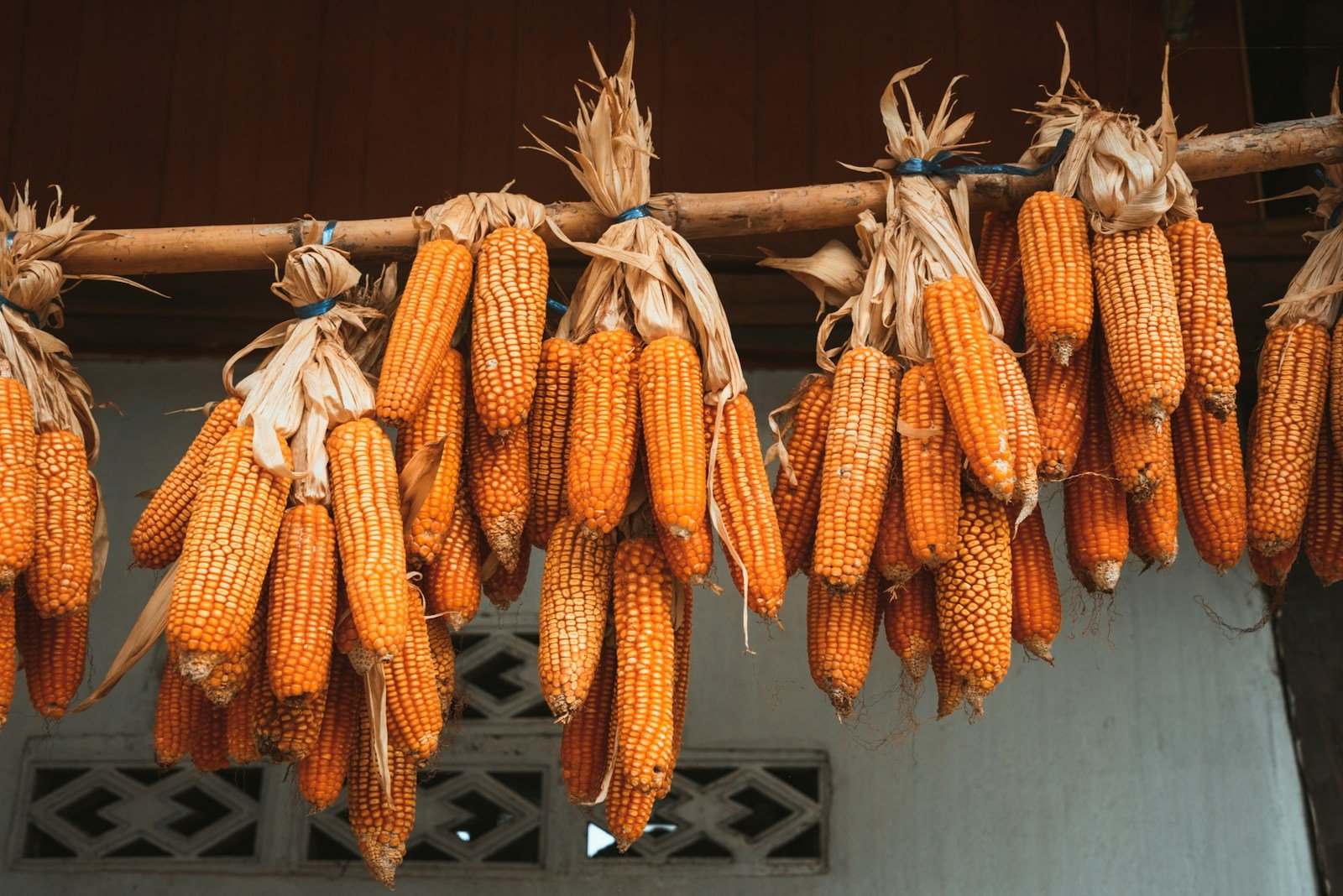
Switching suddenly causes problems. I made this mistake in 2019. My birds stopped eating for two days. Production dropped.
Here’s the correct method:
Week 1: Replace 25% of maize with your chosen substitute. Mix thoroughly. Watch your birds closely.
Week 2: If birds eat normally, replace 50% of maize. Check their droppings. Normal droppings mean good digestion.
Week 3: Replace 75% of maize. Monitor weight gain or egg production. It should remain stable.
Week 4: Complete the switch if everything looks good.
This gradual method prevents stress. Chickens adapt slowly to new feed ingredients.
I taught this method at a National Agricultural Land Development Authority (NALDA) training in Awka, 2023. One participant, Mrs. Okoye, called me three months later. She said her birds didn’t notice any difference. She’s still using sorghum today.
Common Mistakes When Using Maize Substitutes
Let me share mistakes I’ve seen farmers make. Avoiding these will save you money and birds.
Mistake 1: Not Balancing Energy and Protein
Mr. Ifeanyi from Ogbunike replaced all maize with cassava flour in 2022. He didn’t increase protein sources. His broilers grew slowly. They took 9 weeks to reach 2kg instead of 6 weeks.
The lesson: Always balance your formula. If your substitute has less energy or protein than maize, compensate with other ingredients.
Mistake 2: Using Moldy or Spoiled Substitutes
Moldy grains contain aflatoxin. This poison damages the liver. Your birds will die or grow poorly.
I check every bag before buying. Look for mold, bad smell, or discoloration. Reject any questionable grain.
Mistake 3: Not Processing Properly
Some substitutes need processing. Sorghum needs soaking. Cassava must be properly dried. Sweet potato requires complete drying.
Skip these steps and you’ll have problems. I’ve seen it happen many times.
Mistake 4: Ignoring Bird Behavior
Your birds will tell you if something is wrong. Watch for these signs:
- Reduced feed intake
- Watery droppings
- Slow growth
- Drop in egg production
- Weakness or lethargy
When you see these signs, check your feed formula. Something might be wrong with your substitute for maize in poultry feed formula.
Cost Analysis: Maize vs. Substitutes
Let me show you real numbers from my farm. This data covers January to September 2025.
100 broilers for 6 weeks (standard maize feed):
- Feed consumed: 600kg
- Feed cost at ₦280/kg: ₦168,000
- Average weight per bird: 2.1kg
- Total revenue at ₦2,800/kg: ₦588,000
- Profit (excluding other costs): ₦420,000
100 broilers for 6 weeks (sorghum-based feed):
- Feed consumed: 610kg (slightly more because of adaptation)
- Feed cost at ₦195/kg: ₦118,950
- Average weight per bird: 2.0kg
- Total revenue at ₦2,800/kg: ₦560,000
- Profit (excluding other costs): ₦441,050
The sorghum formula saves ₦49,050 per 100 birds. The weight difference is minimal. Your profit increases by about 5%.
Multiply this across 1,000 birds. You save ₦490,500 per cycle. That’s significant money.
Where to Source Alternative Grains in Nigeria
Finding these substitutes can be challenging. Here are places I buy from:
Sorghum: Kano, Kaduna, Katsina, Jigawa, Borno markets. Some northern farmers deliver to southern states. Contact them through agricultural Facebook groups.
Broken rice: Rice mills in Ebonyi, Anambra (Ayamelum LGA), Kebbi, Niger States. Visit mills directly for best prices.
Cassava products: IITA-certified processors in Ogun, Ondo, Benue, Cross River States. Always verify NAFDAC certification.
Wheat offal: Flour mills in Lagos, Onitsha, Kano, Port Harcourt, Aba. Some mills deliver if you buy in bulk.
PKC: Palm oil mills across southern Nigeria. Imo, Abia, Akwa Ibom, Rivers States have many suppliers.
I buy most substitutes directly from processors. This eliminates middlemen. My costs stay low.
What Nigerian Agricultural Bodies Say
The Federal Ministry of Agriculture and Rural Development published a report in 2024. They encouraged farmers to use alternative energy sources. The report mentioned sorghum, millet, and cassava as viable options.
NAERLS research from 2023 showed that sorghum-based feed produced similar results to maize-based feed. The study covered 500 broilers across five farms in Kaduna State.
The Poultry Association of Nigeria (PAN) estimated that feed costs account for 70-75% of production costs. Reducing feed costs directly increases profitability.
These organizations support using maize alternatives. The data backs up what I’ve experienced on my farm.
My Personal Experience with Feed Substitutes

I’ll be honest with you. My first attempt at using substitutes failed. It was 2018. I replaced all maize with poorly processed cassava. Twenty birds died. Others grew slowly.
I was frustrated. I almost gave up. But feed costs were crushing me. I had to find a solution.
I attended a workshop organized by NALDA in 2019. That’s where I learned about proper feed formulation. I met Dr. Adeyemi, a poultry nutritionist. He explained how to balance nutrients correctly.
I went home and reformulated my feed. I used sorghum this time. I processed it properly. I balanced the protein and energy carefully.
The results surprised me. My birds grew just as well as they did on maize. My feed costs dropped by 35%. I haven’t looked back since then.
Today, I teach other farmers these methods. I’ve trained over 200 farmers in Anambra State. Most of them now use some form of substitute for maize in poultry feed formula.
Mrs. Chioma from Nkpor attended my training in 2023. She was skeptical. She thought substitutes would kill her birds. I invited her to my farm. She saw my healthy birds eating sorghum-based feed.
Three months later, she called me. She said, “Pius, my feed costs dropped by ₦180,000 last month. My birds are doing great.” She’s now teaching other women in her cooperative.
Safety Considerations and Warnings
Important: Not all substitutes are safe for chickens. Some require proper processing. Others have limits on how much you can use.
Cassava warning: Never use raw or improperly processed cassava. The cyanide content will kill your birds. Always buy from certified processors.
Mold warning: Reject any grain with visible mold. Aflatoxin causes liver damage and death. It’s not worth the risk.
Quality testing: If possible, test your substitutes at a laboratory. The National Veterinary Research Institute in Vom, Plateau State offers feed testing services. Cost is about ₦15,000 per sample.
Gradual change: Never switch feed suddenly. Always transition over 3-4 weeks. This prevents stress and rejection.
I cannot stress these warnings enough. I’ve seen farmers lose birds because they ignored safety guidelines.
Tips for Small-Scale Farmers
If you have 50-200 birds, buying alternative grains in bulk might be difficult. Here are tips for small farmers:
Form a cooperative: Pool money with other farmers. Buy in bulk. Split the grains. This reduces cost.
I helped form Oyi Poultry Farmers Cooperative in 2022. We’re 15 members. We buy sorghum together from Kano. Each member saves about ₦8,000 per bag.
Start small: Test substitutes with a small batch first. Use 25kg to make test feed. Feed it to 20-30 birds. If results are good, scale up.
Keep records: Write down everything. Feed costs, weight gain, mortality, egg production. Compare different formulas. Find what works best for your farm.
Seek advice: Don’t experiment blindly. Contact agricultural extension officers. Join farmer groups on social media. Learn from experienced farmers.
The Agricultural Development Programme (ADP) in your state can help. They offer free training and advice.
Frequently Asked Questions
Can I completely replace maize in poultry feed?
Yes, you can replace 100% of maize with sorghum. I’ve done this successfully since 2019. Other substitutes like broken rice or millet can replace 40-60% of maize. The key is proper formulation and gradual transition.
Which is the cheapest substitute for maize in Nigeria right now?
Sorghum is currently the cheapest option. As of October 2025, sorghum costs ₦45,000-₦52,000 per 100kg bag. Maize costs ₦58,000-₦68,000. That’s ₦10,000-₦16,000 savings per bag. Palm kernel cake is also cheap at ₦18,000-₦25,000 per 100kg, but you can only use 5-10% in feed.
Will my chickens grow slower on substitute feeds?
Not if you formulate correctly. My birds on sorghum-based feed reach market weight at the same time as birds on maize feed. The secret is balancing energy and protein properly. I’ve raised over 5,000 broilers on substitute feeds since 2019. Growth rates remained normal.
Where can I buy sorghum in bulk in southern Nigeria?
Contact grain traders in northern markets like Dawanau Market in Kano or Kaduna Central Market. Many traders deliver to southern states. Expect delivery cost of ₦15,000-₦25,000 per truck load (5-10 tons). You can also check agricultural Facebook groups like “Nigeria Poultry Farmers Connect” or “Agribusiness Nigeria.
How do I know if cassava is properly processed and safe?
Buy only from NAFDAC-certified processors. Check for certification labels on bags. Properly processed HQCF should be white or cream-colored, dry, and odorless. Avoid yellowish cassava flour as it may contain high cyanide levels. When in doubt, buy from research institutes like IITA or their certified partners.
Can I use alternative feeds for day-old chicks?
Yes, but be extra careful. Day-old chicks need high-quality, easily digestible feed. I use sorghum-based starter feed for my chicks. The sorghum must be properly processed by soaking to remove tannins. Mill it very finely so tiny beaks can eat it easily. I’ve raised thousands of chicks this way without problems.
Will eggs from layers on substitute feeds taste different?
No difference in taste. I’ve eaten eggs from my layers on sorghum feed for years. My customers cannot tell any difference. What matters is overall nutrition balance, not the specific grain used. However, feeds with sweet potato may slightly deepen yolk color due to vitamin A content.
What happens if I use too much of one substitute?
Imbalance causes problems. Too much cassava without enough protein causes slow growth. Too much PKC causes hard droppings. Too much wheat offal causes loose droppings. This is why I recommend starting small and gradually increasing. Watch your birds closely. They’ll show you if something is wrong through their behavior and droppings.
Conclusion
Maize is expensive but not irreplaceable. A good substitute for maize in poultry feed formula can save you 30-40% on feed costs. This increases your profit significantly.
I’ve shared everything I learned in 8 years of chicken farming. These substitutes work. I use them daily on my farm. Hundreds of farmers I’ve trained use them successfully.
Start with sorghum. It’s the easiest substitute. Process it properly. Formulate carefully. Transition gradually.
The current maize price shouldn’t stop you from raising chickens. Nigerian farmers are creative and resilient. We find solutions to problems.
If you need help with feed formulation, contact your local ADP office. They offer free advice. You can also join farmer cooperatives. We learn faster together.
Remember what my mentor told me in 2019: “Maize is convenient, not irreplaceable.” Those words changed my farming business. I hope they change yours too.
Feed your birds well. Keep proper records. Learn from mistakes. Your chicken farming business will succeed.
References
- National Agricultural Extension and Research Liaison Services (NAERLS) – Feed Formulation Guidelines: https://naerls.gov.ng
- Federal Ministry of Agriculture and Rural Development – Alternative Feed Resources Report 2024: https://fmard.gov.ng
- Poultry Association of Nigeria (PAN) – Production Cost Analysis: https://poultryassociationng.org
Pius Emeka is a chicken farmer and trainer based in Oyi Local Government Area, Anambra State, Nigeria. He has trained over 200 farmers since 2017 on cost-effective poultry production methods. Contact him through local agricultural extension offices for training inquiries.