Is Rice Bran Good for Local Scavenging Chickens in Nigeria? A Practical Guide from 8 Years of Field Experience

I still remember the day Mama Ngozi came to my farm in Oyi with a bag of rice bran she bought from the local mill. She asked me, “Pius, will this thing help my chickens lay more eggs?” That question changed how I approached feeding my scavenging chickens.
After eight years of raising chickens here in Anambra State, I’ve learned that rice bran can be a game-changer for local scavenging chickens in Nigeria – but only when you use it correctly.
Many small-scale farmers in Nigeria don’t realize that their free-range chickens need nutritional support. They think because the birds roam around eating insects and seeds, they’re getting enough. That’s not always true. Rice bran offers an affordable way to boost your chickens’ nutrition without breaking the bank.
In this guide, I’ll share everything I’ve learned about using rice bran for scavenging chickens. You’ll discover what rice bran contains, how it helps your birds, and the mistakes I’ve seen farmers make over the years.
What Exactly Is Rice Bran?
Rice bran is the brown layer between the rice grain and the outer husk. When rice is processed at the mill, this layer gets removed. Many people throw it away or use it for other purposes. But smart chicken farmers know its value.
I get my rice bran from Eke Market in Awkuzu. The mill operators used to dump it until farmers started asking for it. Now they sell it for ₦50 to ₦100 per cup, depending on availability.
Rice bran contains several important nutrients. It has protein, fiber, vitamins, and minerals. According to research from the National Agricultural Extension and Research Liaison Services (NAERLS), rice bran contains about 12-15% crude protein. That’s not as high as soybean meal, but it’s still valuable for scavenging chickens.
The fiber content helps with digestion. I’ve noticed my chickens have healthier droppings when I add rice bran to their diet. The vitamins, especially B vitamins, support egg production and overall health.
Why Local Scavenging Chickens Need Nutritional Support

Many farmers believe scavenging chickens don’t need extra feed. This is wrong. Let me explain why.
In 2019, I conducted a small experiment with 20 local chickens. I split them into two groups. One group got only what they scavenged. The other group received rice bran mixed with other ingredients twice daily.
After three months, the difference was clear. The supplemented chickens laid more eggs. They also had shinier feathers and better body weight. The scavenging-only group looked thinner and produced fewer eggs.
Is rice bran good for local scavenging chickens? Yes, because the natural environment doesn’t always provide complete nutrition. During dry season, insects become scarce. Plants dry up. Your chickens need help during these periods.
Dr. Chinwe Okoli from the Federal University of Agriculture, Abeokuta, explains in her research that even free-range chickens benefit from supplementary feeding. She found that farmers who provide additional feed see up to 40% more egg production.
Nutritional Composition of Rice Bran for Chickens
Let me break down what rice bran offers your chickens:
| Nutrient | Percentage in Rice Bran | Benefit for Chickens |
|---|---|---|
| Crude Protein | 12-15% | Supports growth and egg production |
| Crude Fiber | 8-12% | Improves digestion and gut health |
| Fat | 15-20% | Provides energy and improves feather quality |
| Calcium | 0.05-0.1% | Helps with eggshell formation |
| Phosphorus | 1.5-2% | Strengthens bones and supports metabolism |
| Vitamin B Complex | Good amounts | Boosts overall health and nervous system |
The fat content in rice bran is particularly important. I’ve seen scavenging chickens with dull, rough feathers transform within weeks of eating rice bran. Their feathers become smooth and shiny.
However, rice bran alone cannot meet all your chickens’ needs. You must combine it with other ingredients. I’ll explain more about this later.
My Personal Experience Using Rice Bran in Oyi
I started using rice bran seriously in 2017. Before that, I relied mainly on expensive commercial feed. My profit margins were thin.
One day, I met Papa Okeke at a FADAMA training workshop in Nteje. He told me about rice bran. I was skeptical at first. How could something so cheap work well?
I decided to test it with 30 of my local chickens. I mixed rice bran with groundnut cake, palm kernel cake, and oyster shells. I fed this mixture to my birds every evening after they returned from scavenging.
Within two weeks, I noticed changes. The chickens were more active. Their droppings looked healthier. After one month, egg production increased by about 30%. I was amazed.
Is rice bran good for local scavenging chickens in Nigeria? My experience says absolutely yes. But you must use it as part of a balanced feeding program, not alone.
How Rice Bran Supports Different Life Stages
Rice bran works differently depending on your chickens‘ age and purpose. Let me share what I’ve observed.
For Growing Chicks
Young chicks need more protein than adult birds. Rice bran’s 12-15% protein helps, but it’s not enough alone. I mix rice bran with fishmeal or soybean meal to boost protein levels.
At my training sessions in Oyi, I teach farmers to use this ratio: 40% rice bran, 30% groundnut cake, 20% maize bran, and 10% fishmeal. This mixture supports healthy growth in local chicks.
For Laying Hens
Laying hens need extra calcium and energy. Rice bran provides energy through its fat content. But you must add calcium sources like oyster shells or limestone.
I learned this the hard way. In 2018, I gave my laying hens rice bran without enough calcium. Their eggs had thin shells. Some eggs broke before I collected them. After I added crushed oyster shells, the problem stopped.
For Brooding Hens
Hens sitting on eggs need steady energy. They don’t move around much to scavenge. Rice bran mixed with other grains helps them maintain body weight while brooding.
Mama Chioma, who buys chicks from me, shared that her brooding hens stayed healthier when she gave them rice bran mixture twice daily.
Common Mistakes Farmers Make with Rice Bran
Over the years, I’ve seen farmers make several errors. Let me help you avoid them.
Mistake 1: Using Rice Bran Alone
Rice bran cannot be the only feed ingredient. It lacks enough protein and calcium for optimal chicken health. Is rice bran good for local scavenging chickens? Yes, but only as part of a mixture.
In 2020, a farmer named Emeka from Awkuzu called me. His chickens were losing weight despite eating rice bran daily. When I visited his farm, I discovered he was feeding only rice bran. His chickens needed protein and minerals.
We created a balanced mixture, and within three weeks, his chickens improved.
Mistake 2: Storing Rice Bran Improperly
Rice bran contains fat, which means it can spoil quickly. I’ve seen farmers lose entire bags of rice bran to mold and rancidity.
Store rice bran in a cool, dry place. Use airtight containers if possible. Don’t buy more than you can use in two weeks, especially during rainy season.
I once lost ₦5,000 worth of rice bran because I stored it in a leaking bag. The moisture made it moldy. My chickens refused to eat it. That lesson cost me money.
Mistake 3: Buying Poor Quality Rice Bran
Not all rice bran is the same quality. Some mills mix rice bran with rice husks to increase quantity. Rice husks have very little nutritional value.
Always check what you’re buying. Good rice bran should feel slightly oily and have a brownish color. It should smell fresh, not sour or musty.
According to guidelines from the National Agency for Food and Drug Administration and Control (NAFDAC), spoiled rice bran can contain harmful substances. Always buy from trusted sources.
How to Prepare Rice Bran Feed Mixture at Home
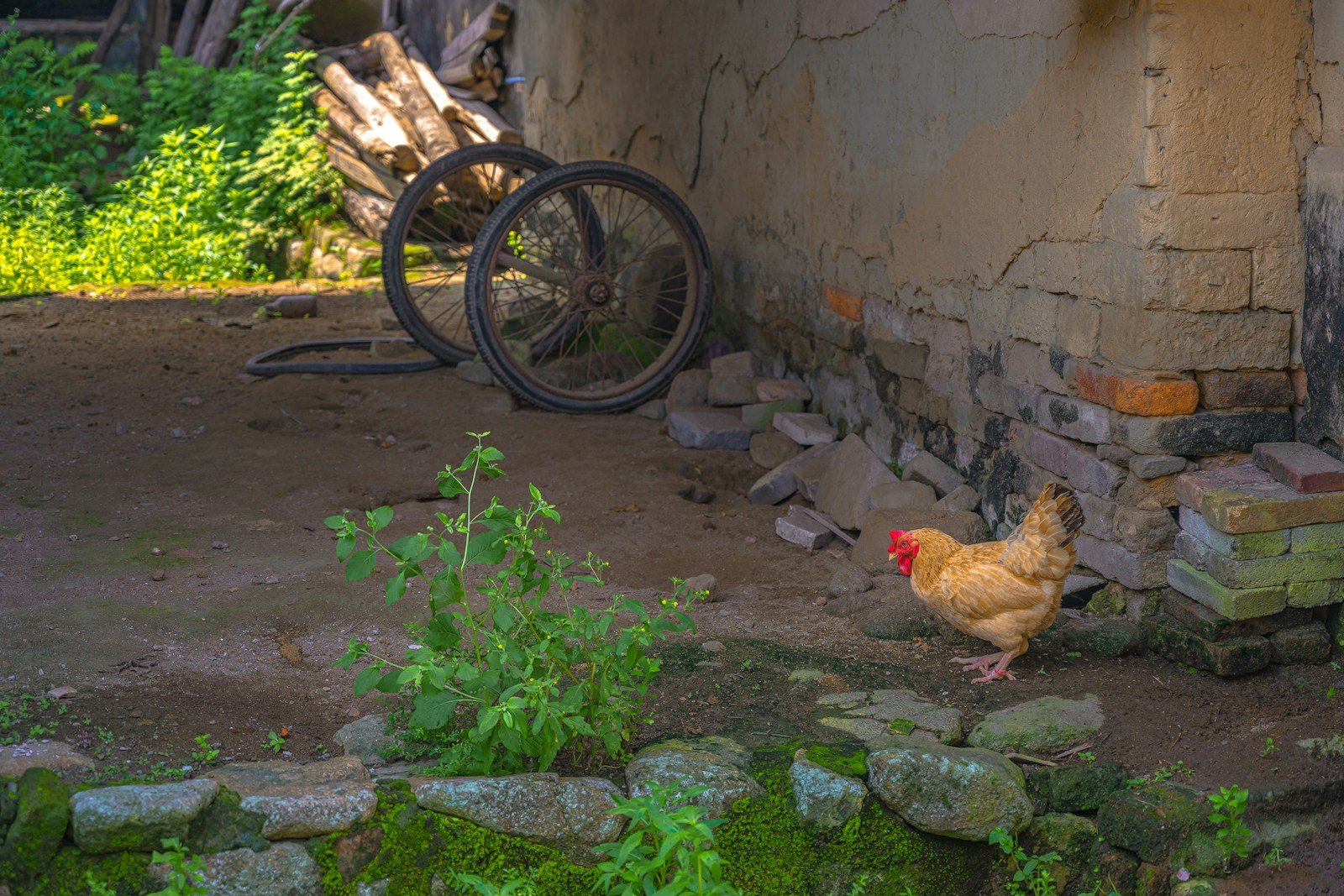
Let me share my proven formula for scavenging chickens. This is what I’ve used successfully in Oyi for years.
Basic Rice Bran Mixture Recipe
Ingredients:
- 30% rice bran
- 25% groundnut cake (or soybean meal)
- 20% maize bran (or broken maize)
- 15% palm kernel cake
- 5% fishmeal or dried crayfish
- 3% oyster shell (crushed)
- 2% bone meal or limestone
Mix these ingredients thoroughly. Store in a dry container. Feed your chickens twice daily – morning and evening.
Quantity Guidelines
For adult scavenging chickens, provide about 50-70 grams per bird daily. This supplements what they find while scavenging.
During dry season or when natural food is scarce, increase to 80-100 grams per bird. Watch your chickens’ body condition. They should feel firm but not too fat.
I remember training some farmers in Nteje in 2021. One woman, Mrs. Okafor, asked how to measure without a scale. I told her to use a plastic cup. One full cup of this mixture feeds about 7-8 adult chickens.
Economic Benefits of Using Rice Bran
Money matters to every farmer. Let me show you why rice bran makes economic sense.
Cost Comparison
Commercial layer feed costs about ₦8,000-₦10,000 per 25kg bag in Anambra State. My rice bran mixture costs about ₦4,500-₦5,500 per 25kg when I buy ingredients locally.
That’s almost 50% savings. For a farmer with 50 chickens, these savings add up quickly over a year.
Is rice bran good for local scavenging chickens in Nigeria? From an economic standpoint, absolutely. You get good nutrition at a fraction of commercial feed costs.
Return on Investment
In 2022, I kept detailed records of my expenses and income. I spent ₦45,000 on feed (including rice bran mixture) for 100 local chickens over six months.
These chickens produced eggs worth ₦95,000 during the same period. I also sold some chickens for meat, bringing in another ₦80,000. My profit was substantial compared to before I used rice bran.
The National Agricultural Land Development Authority (NALDA) encourages small-scale farmers to use local feed ingredients like rice bran. This reduces dependence on expensive commercial feeds and increases profitability.
Potential Challenges and How to Overcome Them
Nothing is perfect. Rice bran has some challenges you should know about.
Challenge 1: Rancidity
Rice bran’s high fat content means it can go rancid if stored too long. Rancid rice bran smells bad and can harm your chickens.
Solution: Buy small quantities regularly. Use rice bran within 10-14 days of purchase. Store in cool, dry conditions.
Challenge 2: Anti-nutritional Factors
Rice bran contains phytic acid, which can reduce mineral absorption in chickens. This is usually not a serious problem for scavenging chickens who eat varied diets.
Solution: Add limestone or oyster shells to your mixture. These provide minerals and help overcome phytic acid effects.
I learned about this at a Federal Ministry of Agriculture workshop in Awka in 2019. The resource person explained how to balance poultry diets properly.
Challenge 3: Availability During Rice Harvest Season
Rice bran is most available during and after rice harvest. At other times, it might be scarce or more expensive.
Solution: Buy and store larger quantities when prices are low. Improve your storage system to keep rice bran fresh longer. Consider alternative feed ingredients during off-season.
What Local Farmers Say About Rice Bran
I’ve trained over 200 farmers in Anambra State. Here are real testimonials from people using rice bran.
Mama Ifeoma (Nteje): “Before Pius taught me about rice bran, my chickens were thin. Now they lay more eggs. I mix rice bran with what I have, and my chickens are healthier. My egg sales have increased.”
Mr. Chukwudi (Awkuzu): “I was skeptical about rice bran. I thought only expensive feed works. But after trying Pius’s recipe, I’m convinced. My chickens look better, and I’m saving money on feed.”
Sister Nkechi (Umunya): “The rice bran mixture is easy to make. Even my children can prepare it. My local chickens now compete with those fed commercial feed. I’m very happy with the results.”
These are real people I’ve worked with. Their success proves that rice bran is good for local scavenging chickens in Nigeria when used correctly.
Comparing Rice Bran with Other Local Feed Ingredients
Many feed ingredients are available locally. How does rice bran compare?
| Feed Ingredient | Protein Content | Cost (per kg) | Availability | Best Use |
|---|---|---|---|---|
| Rice Bran | 12-15% | ₦80-₦120 | Good | Energy and B vitamins |
| Groundnut Cake | 40-45% | ₦200-₦300 | Moderate | Protein source |
| Palm Kernel Cake | 16-18% | ₦100-₦150 | Good | Fiber and protein |
| Soybean Meal | 44-48% | ₦250-₦350 | Moderate | High protein source |
| Maize Bran | 8-10% | ₦100-₦150 | Excellent | Energy and fiber |
| Fishmeal | 60-65% | ₦400-₦600 | Poor | Concentrated protein |
As you can see, rice bran offers good value. It’s not the highest in protein, but it’s affordable and usually available. When combined with protein sources like groundnut cake, it creates excellent feed.
Dr. Adewale Fashina from the University of Nigeria, Nsukka, recommends combining multiple local ingredients for balanced poultry nutrition. His research shows that diverse feed ingredients lead to healthier chickens.
Best Practices for Feeding Rice Bran to Scavenging Chickens
Let me share practical tips I’ve developed over eight years.
Timing of Feeding
I feed my chickens twice daily. First feeding is around 6:30 AM, before they go out to scavenge. Second feeding is around 5:30 PM, when they return to roost.
Morning feeding should be lighter. Give them just enough to start the day. Evening feeding can be more substantial since they won’t scavenge at night.
Feeding Method
Don’t just throw feed on the ground. Use feeding troughs or containers. This reduces waste and contamination.
I use old tire rims cut in half as feeding troughs. They’re cheap, durable, and easy to clean. Each rim can feed 8-10 chickens comfortably.
Water Availability
Rice bran can be dry. Always provide clean water alongside feed. Chickens need water to digest properly and stay healthy.
I’ve seen chickens choke on dry feed because they didn’t have water nearby. This is dangerous and preventable.
Monitoring Your Chickens
Watch your chickens’ response to rice bran mixture. Are they eating eagerly? Are their droppings normal? Is their body condition improving?
If you notice problems, adjust your formula. Every farm is slightly different. What works perfectly for me might need tweaking for your situation.
Safety Considerations When Using Rice Bran
I always emphasize safety at my training sessions. Here are important precautions.
Check for Mold: Never feed moldy rice bran to your chickens. Mold produces toxins that can kill your birds. If rice bran smells musty or looks discolored, throw it away.
Avoid Contamination: Store rice bran away from chemicals, pesticides, and other harmful substances. Cross-contamination can poison your chickens.
Gradual Introduction: If your chickens have never eaten rice bran, introduce it slowly. Start with small amounts mixed with familiar feed. Increase gradually over 7-10 days.
In 2018, I introduced rice bran too quickly to a new batch of chickens. They had digestive upset for a few days. Now I know better.
Wash Containers Regularly: Clean your feeding and storage containers weekly. This prevents bacterial growth and keeps your feed fresh.
These safety measures protect your investment and ensure healthy chickens.
Regional Variations in Rice Bran Use Across Nigeria
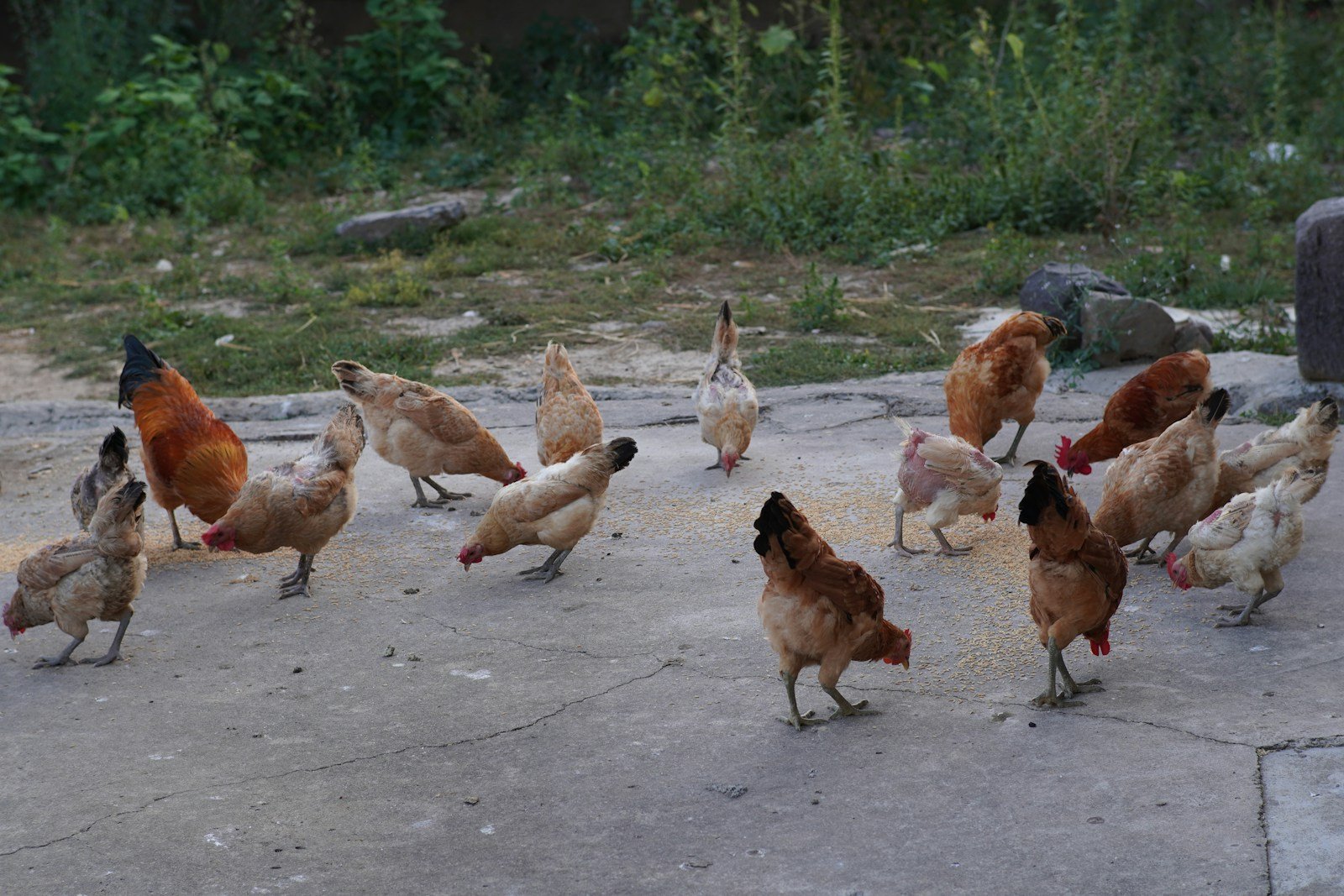
Rice bran use varies across Nigeria’s regions. Let me share what I’ve learned from fellow farmers nationwide.
In northern Nigeria, especially Kano and Kaduna states, rice production is high. Rice bran is very affordable there. Farmers use it extensively for both chickens and other livestock.
In the southwest, particularly Ogun and Oyo states, farmers combine rice bran with cassava peels and brewery waste. This creates diverse, affordable feed mixtures.
Here in the southeast, we’re lucky to have access to palm kernel cake and groundnut cake. These combine well with rice bran for excellent poultry feed.
Is rice bran good for local scavenging chickens? Yes, across all Nigerian regions. But how you use it might differ based on what other ingredients are available locally.
The Future of Rice Bran in Nigerian Poultry Farming
I’m optimistic about rice bran’s role in Nigerian agriculture. As commercial feed prices keep rising, more farmers are seeking affordable alternatives.
The Federal Government’s agricultural policies increasingly support local feed production. Programs by NALDA and other agencies encourage farmers to use indigenous ingredients.
I recently attended a seminar in Enugu where experts discussed sustainable poultry farming. Rice bran featured prominently as a solution to high feed costs.
As more farmers learn about rice bran’s benefits, demand will increase. This might raise prices slightly, but it will still remain more affordable than commercial feed.
I’m already teaching younger farmers in Oyi how to create their own feed formulas using rice bran. This knowledge transfer ensures sustainable poultry farming for future generations.
Frequently Asked Questions
Can Rice Bran Completely Replace Commercial Feed for Scavenging Chickens?
No, rice bran alone cannot replace commercial feed entirely. However, a well-balanced rice bran mixture can reduce your dependence on commercial feed by 60-70%. My scavenging chickens thrive on homemade rice bran mixtures supplemented with what they find naturally. The key is balancing ingredients to provide adequate protein, energy, vitamins, and minerals.
How Long Can I Store Rice Bran Before It Goes Bad?
Fresh rice bran lasts about 10-14 days in tropical conditions like ours in Nigeria. The high fat content makes it prone to rancidity. Store it in airtight containers in a cool, dry place. During harmattan season, it might last slightly longer. During rainy season, use it within one week. Always smell and inspect rice bran before feeding it to your chickens.
Will Rice Bran Make My Chickens Gain Too Much Weight?
Rice bran contains about 15-20% fat, which provides energy. For scavenging chickens who exercise naturally by roaming, weight gain is rarely a problem. Actually, most scavenging chickens need the extra energy rice bran provides. However, if you confine your chickens and feed them heavily, they might get overweight. Balance is important.
What Is the Best Ratio of Rice Bran to Other Ingredients?
Based on my experience, rice bran should make up 25-35% of your total feed mixture for scavenging chickens. Combine it with protein sources (groundnut cake, soybean meal), energy sources (maize bran), and mineral supplements (oyster shells, bone meal). The exact ratio depends on your chickens’ age and purpose. I’ve shared my proven recipe earlier in this article.
Where Can I Buy Good Quality Rice Bran in Nigeria?
Rice bran is available at rice mills, local markets, and agricultural supply stores. In Anambra State, I buy from Eke Market in Awkuzu and Nkwo Nnewi market. Check rice processing areas in your locality. Always inspect before buying – good rice bran should be brownish, slightly oily, and smell fresh. Avoid rice bran mixed with too many husks.
Is Rice Bran Safe for Chicks and Young Chickens?
Yes, rice bran is safe for chicks, but young birds need higher protein than rice bran alone provides. Mix rice bran with high-protein ingredients like fishmeal or soybean meal. For chicks under 8 weeks, I recommend rice bran make up only 20-25% of the mixture. Ensure the mixture is finely ground so chicks can eat it easily.
Can Rice Bran Improve Egg Production in Local Chickens?
Yes, definitely. Rice bran improves egg production when used as part of a balanced diet. The B vitamins in rice bran support reproductive health. The energy from fat content helps hens maintain body condition while laying. In my experience, properly fed scavenging chickens can produce 12-15 eggs per month, compared to 6-8 eggs without supplementary feeding.
What Should I Do If My Chickens Refuse to Eat Rice Bran Mixture?
Chickens can be picky about new foods. If your chickens refuse rice bran mixture, introduce it gradually. Start by mixing a small amount with their current feed. Increase the proportion slowly over 7-10 days. You can also try adding a little palm oil or sugar water to make it more attractive. Ensure the mixture isn’t moldy or rancid – chickens won’t eat spoiled feed.
Conclusion
After eight years of farming chickens in Oyi Local Government Area, I can confidently say that rice bran is good for local scavenging chickens in Nigeria. It provides affordable nutrition, improves egg production, and enhances overall chicken health.
However, rice bran is not a magic solution. You must use it correctly as part of a balanced feeding program. Combine it with protein sources, minerals, and other ingredients. Store it properly to prevent spoilage. Monitor your chickens’ response and adjust as needed.
The farmers I’ve trained across Anambra State have seen remarkable improvements in their chickens’ productivity after adopting rice bran-based feeding. You can achieve similar results.
Start small. Try rice bran with a few chickens first. Observe the results. Adjust your formula based on what works for your farm. Over time, you’ll develop a feeding system that maximizes your chickens‘ health while minimizing costs.
Rice bran represents the future of affordable, sustainable poultry farming in Nigeria. As more farmers embrace local feed ingredients, we reduce dependence on expensive imports and build stronger agricultural communities.
If you’re serious about improving your chicken farming business, give rice bran a try. Your chickens – and your wallet – will thank you.
About the Author: Pius Emeka is a chicken farmer and agricultural trainer based in Oyi Local Government Area, Anambra State, Nigeria. With over 8 years of hands-on experience, he has trained hundreds of small-scale farmers across southeastern Nigeria in sustainable poultry farming practices.
References:
- National Agricultural Extension and Research Liaison Services (NAERLS) – Agricultural Performance Survey Reports – https://naerls.gov.ng
- Federal University of Agriculture, Abeokuta – Department of Animal Nutrition Research Publications – https://unaab.edu.ng
- National Agency for Food and Drug Administration and Control (NAFDAC) – Feed Safety Guidelines – https://nafdac.gov.ng