Can Spoilt Cassava Be Used as Chicken Feed in Nigeria? A Practical Guide from 8 Years of Experience
My name is Pius Emeka. I run a chicken farm in Oyi Local Government Area, Anambra State. I’ve been raising chickens for eight years now.
One question I hear often is this: “Can spoilt cassava be used as chicken feed?”
The short answer is no. Spoilt cassava should not be fed to chickens. It contains harmful toxins that can kill your birds.
Let me explain why. And I’ll share what happened to a farmer I know who tried it.
Why Spoilt Cassava Is Dangerous for Chickens
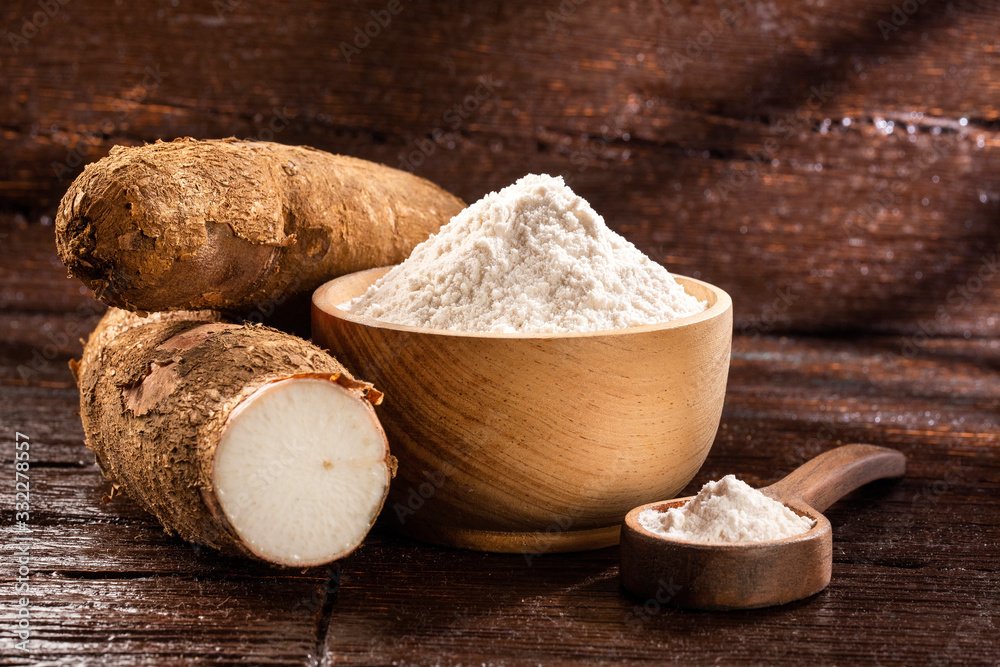
Cassava contains cyanogenic glycosides. These are natural compounds that turn into hydrogen cyanide when the cassava rots or spoils.
Fresh cassava has these compounds too. But proper processing removes most of them. When cassava spoils, the cyanide levels increase. Your chickens cannot handle this poison.
I learned this the hard way. Not from my own farm, but from someone I trained in 2019.
Brother Chidi from Awkuzu bought spoilt cassava from a local processor. He thought he was saving money. The cassava was selling for ₦3,000 per 50kg bag instead of ₦8,000 for good quality.
He mixed it with his feed. Within three days, twelve of his broilers died. The vet confirmed cyanide poisoning. He lost over ₦120,000 in birds and treatment costs.
That experience taught both of us a painful lesson about spoilt cassava be used as chicken feed dangers.
Understanding Cassava as Chicken Feed: Fresh vs Spoilt
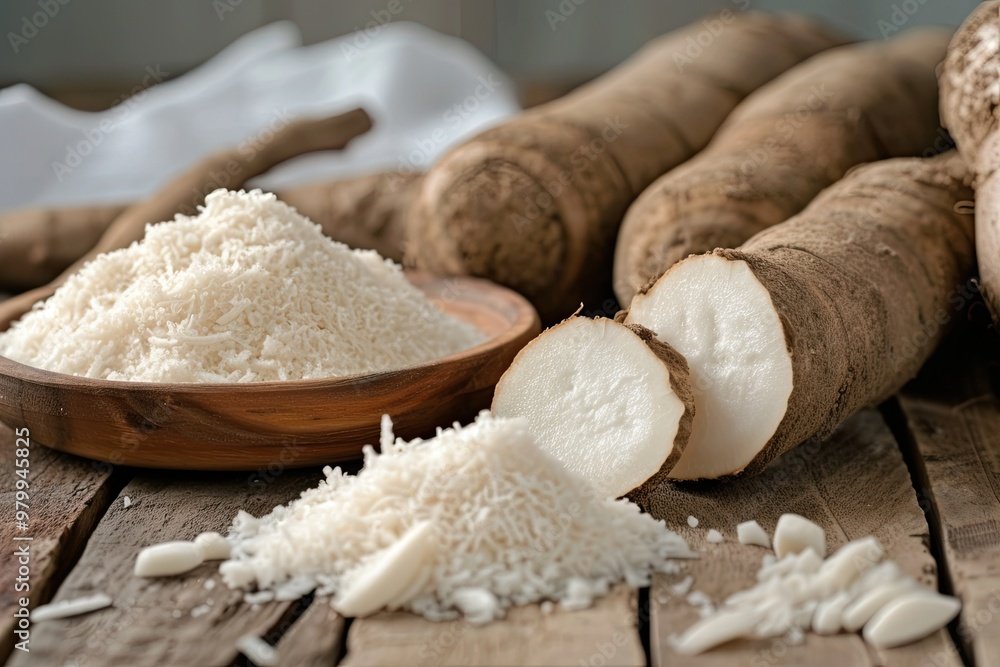
Let me be clear about something first. Fresh, properly processed cassava can be an excellent feed ingredient. But spoilt cassava is a different story entirely.
What Makes Cassava Spoil?
Cassava starts spoiling within 24 to 48 hours after harvest. This happens because of its high moisture content.
When you see these signs, the cassava is spoilt:
- Dark brown or black spots
- Soft, mushy texture
- Sour or fermented smell
- Blue-gray discoloration
- Mold growth on the surface
These changes mean harmful bacteria and fungi have taken over. The cyanide levels have also increased significantly.
The Science Behind Cassava Toxicity
According to research from the National Root Crops Research Institute in Umudike, raw cassava contains 15-400 mg of cyanogenic glucosides per kilogram. The safe level for chicken consumption is below 50 mg/kg after processing.
When cassava spoils, these levels can double or triple. Your chickens will show poisoning symptoms within hours of eating it.
Here’s what happens inside your chicken’s body:
The cyanide blocks oxygen transport in the blood. The bird cannot breathe properly at the cellular level. Death follows quickly if the dose is high enough.
My Personal Experience with Cassava in Chicken Farming
I started using cassava in my feed formulation in 2018. But only after proper training from the National Agricultural Extension and Research Liaison Services (NAERLS).
The training held at Awka. It lasted three days. They taught us how to process cassava safely for poultry use.
The Right Way to Use Cassava for Chickens
Fresh cassava must go through these steps:
- Peel immediately after harvest
- Wash thoroughly with clean water
- Grate or chip into small pieces
- Sun-dry for 3-4 days until crispy
- Mill into flour
- Store in dry, sealed containers
This process reduces cyanide levels by 80-90%. The dried cassava chips can replace up to 40% of maize in your feed formula.
I use this method on my farm. My feed cost dropped by 25%. My chickens remain healthy and productive.
But I never use cassava that shows any sign of spoilage. Not even if someone offers it for free. The risk is too high.
Real Stories from Nigerian Chicken Farmers
Let me share more stories from farmers in Anambra State. These are people I’ve worked with over the years.
Case Study 1: The Nsukka Farmer’s Mistake
Sister Ngozi runs a layer farm in Nsukka. She has 500 birds. In 2020, she bought cassava peelings from a garri processor.
The peelings had been sitting outside for five days. They smelled bad. But she thought fermentation was natural.
She fed the peelings to her layers for two weeks. Egg production dropped from 450 eggs daily to 180 eggs. Many birds became weak and stopped eating.
The vet diagnosed mycotoxin poisoning. The spoilt cassava had grown dangerous molds. She spent ₦85,000 on medication. It took six weeks for her flock to recover fully.
“I thought I was being smart by recycling waste,” she told me during our farmers’ meeting. “I nearly lost my entire investment.”
Case Study 2: Success with Proper Processing
Now let me tell you about Brother Emeka from Onitsha. He does things right.
He buys fresh cassava directly from farmers in Umuleri. He processes it the same day. His drying space is clean and covered with net to keep out insects.
He’s been using cassava in his feed for four years now. His 1,000 broilers grow faster than birds on commercial feed alone. His feed conversion ratio improved from 2.1 to 1.8.
“The secret is discipline,” he says. “Never compromise on quality. Fresh cassava only. Proper drying. Clean storage.”
His farm now serves as a training center. I bring my students there to see best practices in action.
The Economic Reality: Is Spoilt Cassava Worth the Risk?
Some farmers think spoilt cassava saves money. Let me show you the math.
Cost Comparison Table
| Item | Cost | Risk Level | Outcome |
|---|---|---|---|
| Spoilt cassava (50kg) | ₦2,000-₦3,000 | Very High | Bird deaths, treatment costs, lost production |
| Fresh cassava, properly processed (50kg) | ₦7,000-₦9,000 | Very Low | Healthy birds, good growth, lower feed cost |
| Commercial feed only (50kg) | ₦12,000-₦15,000 | None | Reliable but expensive |
| Fresh cassava + proper processing equipment | ₦8,500 per 50kg | Low | Best value, healthy birds, sustainable |
Look at the numbers. Spoilt cassava seems cheap at ₦3,000. But when you lose birds worth ₦120,000, the savings disappear.
I’ve done this calculation with every farmer I train. The answer is always the same. Proper processing pays for itself within three months.
Health Risks: What Happens When Chickens Eat Spoilt Cassava
The symptoms appear quickly. Usually within 6-24 hours of feeding spoilt cassava be used as chicken feed to your flock.
Early Warning Signs
Watch for these symptoms in your chickens:
- Difficulty breathing (gasping, open-mouth breathing)
- Blue or purple coloring on combs and wattles
- Weakness and inability to stand
- Convulsions or muscle spasms
- Sudden death without prior symptoms
- Reduced feed intake across the flock
- Watery or bloody droppings
I saw all these symptoms in Brother Chidi’s farm. The birds looked fine in the morning. By afternoon, they were dying.
Long-term Effects on Survivors
Even chickens that survive cyanide poisoning suffer permanent damage. Their growth slows down. Egg production never fully recovers in layers.
According to research from Ahmadu Bello University’s Department of Veterinary Medicine, chickens exposed to chronic low-level cyanide poisoning show:
- 35% reduction in weight gain
- 40% drop in egg production
- Higher susceptibility to diseases
- Poor feed conversion efficiency
Your birds might survive. But they’ll never perform well again. You’ll still lose money.
Safe Alternatives to Spoilt Cassava for Feed Cost Reduction
You don’t need spoilt cassava to reduce feed costs. Many safe alternatives exist in Nigeria.
Locally Available Options
Here are ingredients I use successfully on my farm:
Palm Kernel Cake (PKC)
- Costs ₦5,000-₦6,000 per 50kg
- Contains 18% protein
- Can replace up to 30% of soybean meal
- Readily available in southern Nigeria
Brewer’s Dried Grains
- Costs ₦3,500-₦4,500 per 50kg
- Rich in protein and fiber
- Available near breweries in major cities
- Must be stored dry to prevent mold
Fresh Vegetables and Kitchen Scraps
- Free or very cheap
- Provides vitamins and minerals
- Use only fresh materials, never spoilt
- Good for free-range systems
Properly Processed Cassava Peel
- Costs ₦2,000-₦3,000 per 50kg dried
- Must be sun-dried immediately after collection
- Can replace up to 15% of maize
- Check for mold before use
I teach a complete workshop on alternative feed ingredients twice yearly in Oyi. The next one holds in March 2026. Many farmers have cut their feed costs by 30% using these methods.
How to Process Fresh Cassava Safely for Your Chickens
If you want to use cassava in your feed, here’s my proven method. I’ve used this for eight years without losing a single bird to cassava poisoning.
Step-by-Step Processing Guide
Day 1: Harvest and Preparation
- Buy cassava harvested the same day
- Peel within 4 hours of harvest
- Wash thoroughly to remove soil and bacteria
- Cut into thin chips (5mm thick) for faster drying
Day 2-4: Drying
- Spread chips on clean tarpaulin or drying mat
- Choose a location with good sunlight and airflow
- Turn the chips every 3-4 hours
- Cover at night to prevent moisture absorption
- Dry until chips are crispy and snap easily
Day 5: Quality Check and Storage
- Check moisture content (should be below 12%)
- Look for any signs of mold or discoloration
- Discard any chips that smell sour or look suspicious
- Mill into flour or store as chips
- Use airtight bags or containers
- Store in a cool, dry place
Equipment You Need
The investment is small. Here’s what I use:
- Clean tarpaulins: ₦3,000
- Sharp peeling knives: ₦1,500
- Large washing basins: ₦4,000
- Moisture meter (optional): ₦15,000
- Storage bags: ₦2,000
Total initial investment: About ₦25,500. This equipment lasts for years with proper care.
Common Mistakes Nigerian Farmers Make with Cassava Feed
I’ve trained over 200 farmers since 2017. I see the same mistakes repeatedly. Let me help you avoid them.
Mistake #1: Buying Pre-Spoilt Cassava
Some processors sell cassava that has already started spoiling. They offer big discounts. Farmers see the low price and buy without inspection.
Always inspect before buying. Smell it. Look at the color. Press it to check texture. If anything seems off, walk away. No discount is worth dead birds.
Mistake #2: Inadequate Drying
Drying cassava properly takes 3-4 days of good sunshine. Some farmers try to rush this process.
I’ve seen farmers dry cassava for just one day. Then they pack it in bags. Within a week, mold grows inside. The cassava becomes toxic.
Brother Ike from Abagana learned this in 2021. He lost 80 birds. Now he tests every batch with a moisture meter before storage.
Mistake #3: Poor Storage Practices
Properly dried cassava can last for months. But only if stored correctly.
Many farmers store cassava in old cement bags. These bags have tiny holes. Moisture gets in. Insects infest the cassava. Mold develops.
Use new polypropylene bags. Store in a dry room with good ventilation. Check weekly for signs of moisture or pests. This simple practice saves thousands of naira.
Mistake #4: Mixing Spoilt and Fresh Cassava
Some farmers think mixing spoilt cassava with fresh reduces the risk. This is false. The toxins from spoilt cassava contaminate the entire batch.
Even 10% spoilt cassava in your feed is dangerous. Your birds will still get poisoned. Don’t take this risk.
What Nigerian Agricultural Experts Say About Spoilt Cassava
I’m not alone in warning against spoilt cassava be used as chicken feed practices. Agricultural institutions across Nigeria agree.
Official Guidelines from NAERLS
The National Agricultural Extension and Research Liaison Services published guidelines in 2022. They specifically warn against using spoilt cassava for any livestock.
Their recommendations include:
- Process cassava within 24 hours of harvest
- Achieve minimum 90% dry matter content
- Store in moisture-proof containers
- Conduct regular quality checks
- Never use cassava showing signs of rot or mold
You can find these guidelines at their office in Zaria or on their official website.
Research from Nigerian Universities
Professor Adeyemi from the University of Ibadan’s Department of Animal Science conducted research in 2020. His team studied cassava toxicity in poultry.
The findings were clear: “Spoilt cassava contains cyanide levels 3-5 times higher than safe limits. Even small amounts cause reduced growth rates and increased mortality in chickens.”
This research was published in the Nigerian Journal of Animal Production. It confirms what I’ve observed on farms across Anambra State.
NALDA’s Position on Feed Safety
The National Agricultural Land Development Authority (NALDA) trains farmers nationwide. They emphasize feed safety in all their programs.
During a training I attended in Enugu in 2023, the facilitator said: “Feed safety is not negotiable. Using spoilt ingredients to save money is false economy. You’ll pay more in bird losses.”
Creating Your Own Safe Feed Formula with Fresh Cassava
Now let me show you how to formulate feed using fresh, properly processed cassava. This is the formula I use on my farm.
Broiler Starter Feed Formula (0-4 weeks)
| Ingredient | Percentage | Cost per 50kg bag (₦) |
|---|---|---|
| Maize (Yellow) | 40% | 8,000 |
| Processed Cassava Flour | 15% | 2,700 |
| Soybean Meal | 30% | 12,000 |
| Fish Meal | 5% | 4,500 |
| Palm Kernel Cake | 5% | 600 |
| Bone Meal | 2.5% | 500 |
| Limestone | 1% | 150 |
| Salt | 0.3% | 50 |
| Premix | 0.25% | 400 |
| Methionine | 0.2% | 300 |
| Lysine | 0.2% | 300 |
| Total | 100% | ≈₦9,500 |
Compare this to commercial starter feed at ₦15,000 per bag. You save ₦5,500 per bag. With 100 broilers eating about 5 bags in 4 weeks, that’s ₦27,500 saved.
Layer Feed Formula (Peak Production)
| Ingredient | Percentage | Notes |
|---|---|---|
| Maize | 35% | Can be yellow or white |
| Processed Cassava | 20% | Must be properly dried |
| Soybean Meal | 20% | Source of protein |
| Fish Meal | 3% | Improves egg quality |
| PKC | 10% | Additional protein |
| Wheat Offal | 5% | Provides fiber |
| Oyster Shell | 5% | Calcium for strong shells |
| Bone Meal | 1.5% | Phosphorus source |
| Salt | 0.3% | Essential mineral |
| Premix | 0.25% | Vitamins and minerals |
This formula costs about ₦11,000 per 50kg. Commercial layer feed sells for ₦16,500-₦18,000. Your savings: ₦6,000 per bag.
Emergency Response: What to Do If Your Chickens Eat Spoilt Cassava
Despite warnings, accidents happen. Maybe your worker used wrong cassava. Maybe you didn’t check properly. Here’s what to do.
Immediate Actions (First 2 Hours)
Stop feeding immediately
- Remove all feed from feeders
- Don’t give any more of the suspect cassava
- Isolate affected birds if possible
Provide fresh water
- Change all water in drinkers
- Add glucose or sugar (1 tablespoon per liter)
- This helps with energy and toxin dilution
Call your veterinarian
- Explain what the birds ate
- Describe the symptoms you’re seeing
- Ask about emergency treatment options
Document everything
- Take photos of the cassava used
- Note how many birds are affected
- Record the timeline of symptoms
Veterinary Treatment Options
There’s no specific antidote for cyanide poisoning in chickens. Treatment focuses on supportive care:
- Activated charcoal given orally (if caught early)
- Vitamin B12 injections (helps with cyanide metabolism)
- Oxygen therapy for severe cases (rarely practical on farms)
- Antibiotics to prevent secondary infections
Honestly, most severely affected birds will die. The vet’s job is to save the ones showing mild symptoms.
This is why prevention is so important. You cannot rely on treatment. Don’t let your birds eat spoilt cassava be used as chicken feed in the first place.
Building a Sustainable, Safe Feed Program for Your Farm
After eight years of chicken farming, I’ve learned that consistency matters most. Here’s how I maintain feed safety and cost efficiency.
My Weekly Feed Management Routine
Monday: Planning and Sourcing
- Check feed inventory
- Calculate needs for the week
- Contact suppliers for fresh ingredients
- Verify delivery schedules
Tuesday-Wednesday: Processing
- Receive fresh cassava deliveries
- Begin processing immediately
- Monitor drying progress
- Quality check each batch
Thursday: Milling and Formulation
- Mill dried cassava into flour
- Mix feed according to formula
- Test moisture content
- Store in labeled bags
Friday: Distribution and Monitoring
- Distribute feed to different pens
- Observe bird behavior and appetite
- Check for any unusual symptoms
- Document feed consumption rates
Saturday: Quality Review
- Inspect storage areas
- Check for pests or moisture
- Review bird health records
- Plan improvements for next week
This system keeps my operation running smoothly. My birds stay healthy. My costs remain predictable.
Training and Resources for Nigerian Chicken Farmers
You don’t have to figure this out alone. Many resources exist to help you succeed.
Government Programs
National Agricultural Land Development Authority (NALDA)
- Free training programs across Nigeria
- Support with improved farming techniques
- Access to quality inputs at subsidized rates
- Contact through their state offices
Agricultural Development Programs (ADPs)
- Present in every state
- Extension officers provide farm visits
- Technical advice on feed formulation
- Usually free for registered farmers
National Root Crops Research Institute (NRCRI), Umudike
- Research on cassava processing
- Training on safe cassava utilization
- Publications available for farmers
- Visit their office in Abia State
Private Training Opportunities
I run practical workshops at my farm in Oyi twice a year. Topics include:
- Safe feed formulation
- Cassava processing methods
- Disease prevention
- Record keeping and profitability
Many other experienced farmers offer similar training. Look for farmers with proven track records. Ask for references. Visit their farms before paying for training.
Online Resources
While I prefer hands-on learning, some websites offer good information:
- Nigerian Poultry Science Association publications
- Federal Ministry of Agriculture resources
- University agricultural extension websites
Always verify online information with local experts. What works in Europe or America may not work in Nigerian conditions.
The Economic Impact: Real Numbers from My Farm
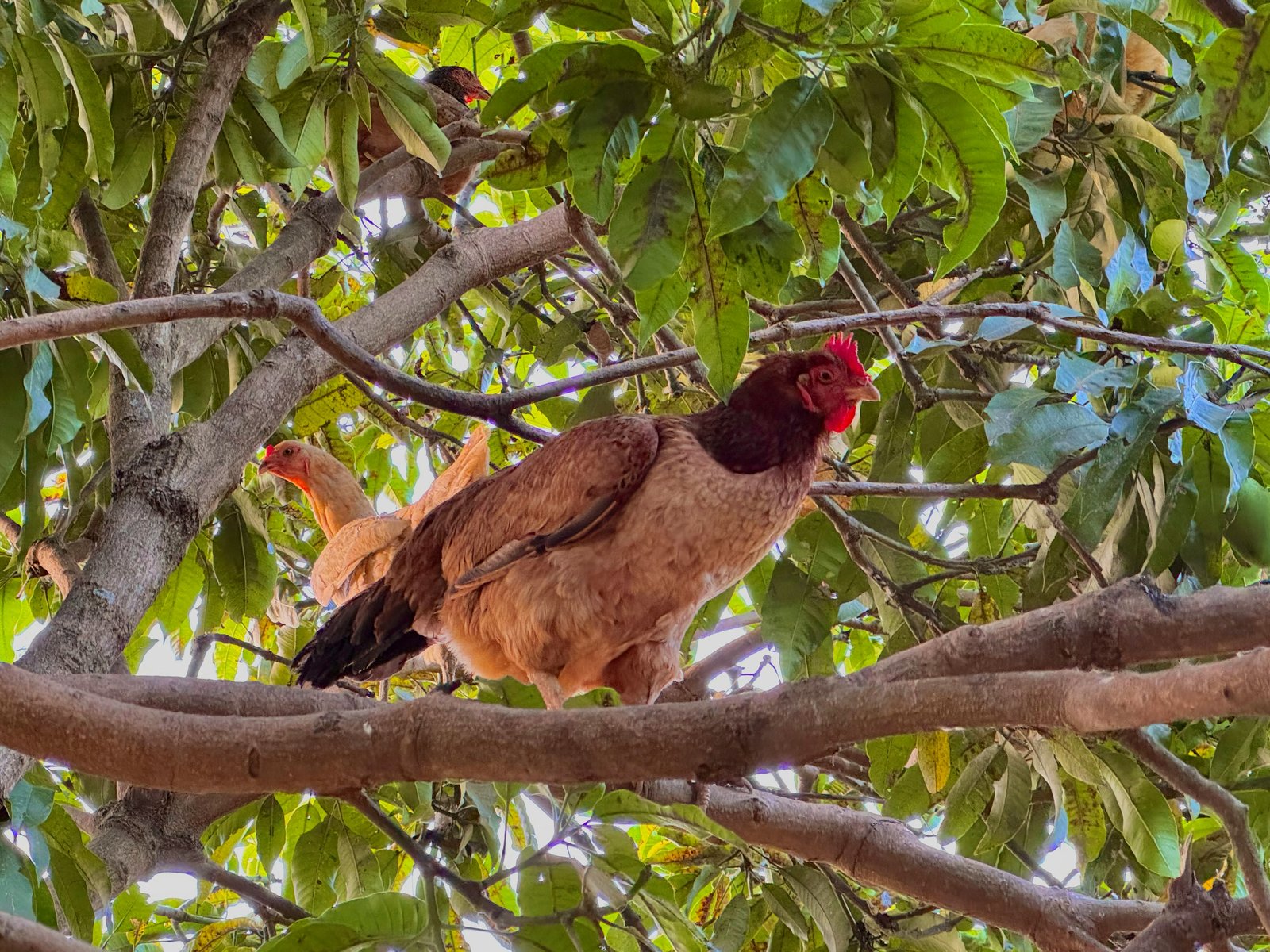
Let me open my books and show you real numbers. This is data from my farm between January and December 2024.
Annual Feed Cost Analysis
Total birds raised: 2,400 broilers across 4 batches Feed consumption: 420 bags (50kg each) Average feed cost per bag: ₦10,200 (using processed cassava) Total feed expense: ₦4,284,000
If I used only commercial feed at ₦15,000 per bag: Total cost: ₦6,300,000
Annual savings: ₦2,016,000
This saving goes straight to profit. It makes the difference between a thriving business and barely breaking even.
But here’s the critical point: These savings only work with safe, properly processed ingredients. Using spoilt cassava would have destroyed everything.
Return on Investment for Processing Equipment
Remember the ₦25,500 I invested in cassava processing equipment? Let me show you the return.
Monthly savings from using processed cassava: ₦168,000 Time to recover equipment cost: Less than 1 week Equipment lifespan: 3-5 years with proper maintenance
The mathematics is simple. Good equipment pays for itself almost immediately.
Regional Variations: Cassava Availability Across Nigeria
Cassava availability and prices vary by region. This affects whether cassava makes sense for your feed program.
Southern Nigeria (My Region)
In Anambra, Abia, Imo, Enugu, and surrounding states, cassava is abundant. Fresh cassava costs ₦150-₦200 per kilogram. Processing facilities exist in most local government areas.
This makes cassava an excellent feed ingredient here. The economics work well. Supply is reliable year-round.
Northern Nigeria
Cassava is less common in northern states. Maize and millet dominate. Cassava prices are higher due to transportation costs.
Farmers in Kano, Kaduna, or Sokoto might find cassava less economical. Focus on locally available ingredients instead.
Western Nigeria
Ogun, Oyo, Osun, and Ondo states have strong cassava production. Many garri processing facilities operate here.
Cassava makes excellent economic sense in these states. Competition among processors keeps prices reasonable.
Environmental Considerations and Waste Management
Proper cassava processing generates waste. Managing this waste correctly protects your farm and community.
Cassava Peel Disposal
Fresh peels can be:
- Dried and fed to other animals (goats, sheep) in small amounts
- Composted for use in crop farming
- Sold to other livestock farmers
Never dump fresh peels in water sources. The cyanide can contaminate water supplies. This has happened in some communities. Local authorities take this seriously.
Water Management During Processing
Washing cassava generates wastewater containing soil and cyanide compounds. Don’t let this water enter streams or wells.
On my farm, I use a soak pit system. The water drains into a designated pit away from water sources. The soil filters out contaminants naturally.
This costs about ₦15,000 to construct. It’s worth it for environmental protection and community relations.
The Future of Cassava in Nigerian Poultry Farming
Cassava will become more important in Nigerian poultry farming. Let me tell you why.
Rising Maize Prices
Maize prices increased by 45% between 2022 and 2024. This trend will likely continue. Climate change, insecurity in farming areas, and increased demand all push prices higher.
Cassava offers an alternative. When processed correctly, it performs nearly as well as maize. The price remains more stable.
Government Support Programs
NALDA and other agencies are promoting cassava utilization in livestock farming. They provide training and sometimes subsidize processing equipment.
These programs will expand. Farmers who learn proper cassava processing now will benefit greatly.
Technology Improvements
New cassava varieties with lower cyanide content are being developed. The National Root Crops Research Institute releases improved varieties regularly.
Better processing equipment is also becoming available. Solar dryers and mechanical peelers make processing easier and safer.
But technology doesn’t change the basic rule: spoilt cassava is dangerous. No variety or processing method makes spoilt cassava safe.
Frequently Asked Questions About Cassava and Chicken Feed
Can I Use Cassava Peel Directly from Garri Processors?
Only if the peels are fresh and you dry them immediately. Most garri processors generate peels throughout the day. If collected daily and dried properly, these peels work well.
But peels that have sat for several days are dangerous. Check for signs of spoilage before buying. When in doubt, walk away.
I buy peels from three processors in Oyi. I collect twice daily—morning and evening. This ensures freshness. The processors know my schedule and keep the peels separated for me.
How Long Can Dried Cassava Be Stored Safely?
Properly dried cassava (below 12% moisture) stores for 6-8 months. Storage conditions matter greatly.
Use these guidelines:
- Store in cool, dry location
- Keep away from direct sunlight
- Use airtight containers or bags
- Check monthly for mold or insects
- Don’t store near water sources or damp areas
On my farm, I store in a dedicated room with good ventilation. I use thick polypropylene bags tied tightly. I’ve never had spoilage with this system.
What Percentage of Cassava Can Replace Maize in Feed?
This depends on bird age and purpose:
Broiler starter (0-4 weeks): Up to 15% of maize can be replaced Broiler finisher (4-8 weeks): Up to 30% replacement possible Layer feed: Up to 40% replacement works well Breeder feed: Limit to 20% replacement
These percentages assume properly processed cassava flour with good quality control. Start with lower percentages. Increase gradually while monitoring bird performance.
Can Fermented Cassava Be Used for Chicken Feed?
Controlled fermentation can actually reduce cyanide levels. But this is different from spoilage.
Proper fermentation:
- Uses specific starter cultures
- Happens under controlled conditions
- Takes 3-5 days
- Results in consistent, safe product
- Requires technical knowledge
Spoilage:
- Happens naturally with harmful bacteria
- Uncontrolled process
- Increases toxins and mold
- Dangerous for chickens
- Should never be used
Don’t confuse the two. Unless you have proper training in cassava fermentation, stick with the sun-drying method I described earlier.
Is Bitter Cassava More Dangerous Than Sweet Cassava?
Yes. Bitter cassava varieties contain much higher cyanide levels than sweet varieties. In Nigeria, we grow both types.
Bitter cassava (like TMS varieties used for garri):
- Contains 200-400 mg cyanide per kg
- Requires extensive processing
- Takes longer to become safe
- Needs extra care in handling
Sweet cassava:
- Contains 15-50 mg cyanide per kg
- Easier to process safely
- Faster drying time
- Generally safer for feed use
I prefer sweet cassava varieties for my chicken feed. They’re safer and easier to process. But even sweet cassava must be properly dried before use.
What Should I Do with Cassava That Started Spoiling During Drying?
Throw it away. Don’t feed it to any animal. Don’t try to save it.
I know it hurts to waste cassava you paid for. But the cost of sick or dead birds is much higher.
Last year, Brother Uchenna tried to salvage partially spoilt cassava. He thought sun-drying would kill the toxins. It doesn’t work that way. He lost 45 birds worth ₦90,000.
Prevention is better than cure. Monitor your drying cassava daily. If spoilage begins, remove affected pieces immediately. Don’t let them contaminate the good cassava.
Can I Mix Spoilt Cassava with Other Ingredients to Dilute the Toxins?
No. This is one of the most dangerous myths in chicken farming. Dilution does not make spoilt cassava safe.
The cyanide and mycotoxins in spoilt cassava remain active even when mixed with other feed ingredients. Your chickens will still get poisoned. The effects might take longer to appear, making diagnosis harder.
Several farmers have told me they use this “dilution method.” Every single one experienced problems:
- Reduced growth rates
- Lower egg production
- Increased disease susceptibility
- Unexpected bird deaths
There is no safe way to use spoilt cassava. Period. The only safe option is proper disposal.
How Do I Find Reliable Cassava Suppliers in My Area?
Building relationships with good suppliers takes time. Here’s my approach:
Visit cassava farms directly: Talk to farmers. See their harvesting practices. Buy directly when possible.
Check garri processing centers: Look for clean facilities with good hygiene. Ask about their daily production. Arrange for fresh peel collection.
Ask other poultry farmers: Join local farmers’ associations. Share information about reliable suppliers.
Start small: Test new suppliers with small quantities first. Monitor your birds carefully. Scale up only if everything goes well.
I’ve worked with the same three suppliers for five years now. They understand my quality requirements. They call me when fresh cassava is available. This relationship saves me time and ensures consistency.
Final Thoughts: Success Through Safety and Quality
After eight years of farming and training hundreds of others, my message is clear: shortcuts in feed safety always cost more than they save.
Spoilt cassava be used as chicken feed is not just a bad idea—it’s a recipe for disaster. I’ve seen too many farmers learn this lesson the expensive way.
Good farming means:
- Using only fresh, high-quality ingredients
- Processing cassava properly and patiently
- Investing in good storage and equipment
- Learning from experienced farmers
- Never compromising on safety
Your chickens depend on you for everything. Feed them right. Keep them safe. Your business will thrive.
If you’re serious about using cassava in your feed program, start small. Get proper training. Visit successful farms. Learn the right way before investing heavily.
The potential savings are real. My farm proves this every month. But those savings only come from doing things correctly.
I hope this article helps you make informed decisions on your farm. If you have questions, ask experienced farmers in your area. Join agricultural programs. Keep learning.
Your success in chicken farming depends on many factors. Feed quality and safety rank among the most important. Get this right, and everything else becomes easier.
From my farm in Oyi to yours, wherever you are in Nigeria: farm smart, farm safe, and farm profitably.
Remember: Fresh cassava, properly processed = good for chickens and your wallet. Spoilt cassava = disaster waiting to happen.
The choice is clear. Make the right one for your birds and your business.
References:
- National Root Crops Research Institute (NRCRI), Umudike – https://nrcri.gov.ng/ – Research on safe cassava processing methods and cyanide reduction techniques for livestock feed
- National Agricultural Extension and Research Liaison Services (NAERLS), ABU Zaria – https://naerls.gov.ng/ – Guidelines on cassava utilization in poultry feed and extension services for farmers
- Federal Ministry of Agriculture and Rural Development, Nigeria – https://fmard.gov.ng/ – National policies on feed safety standards and agricultural best practices
Pius Emeka is a chicken farmer and agricultural trainer based in Oyi Local Government Area, Anambra State, Nigeria. He has trained over 200 farmers in poultry management and feed formulation since 2017.