How to Reduce Feed Spillage in Poultry House: A Nigerian Farmer’s Complete Guide
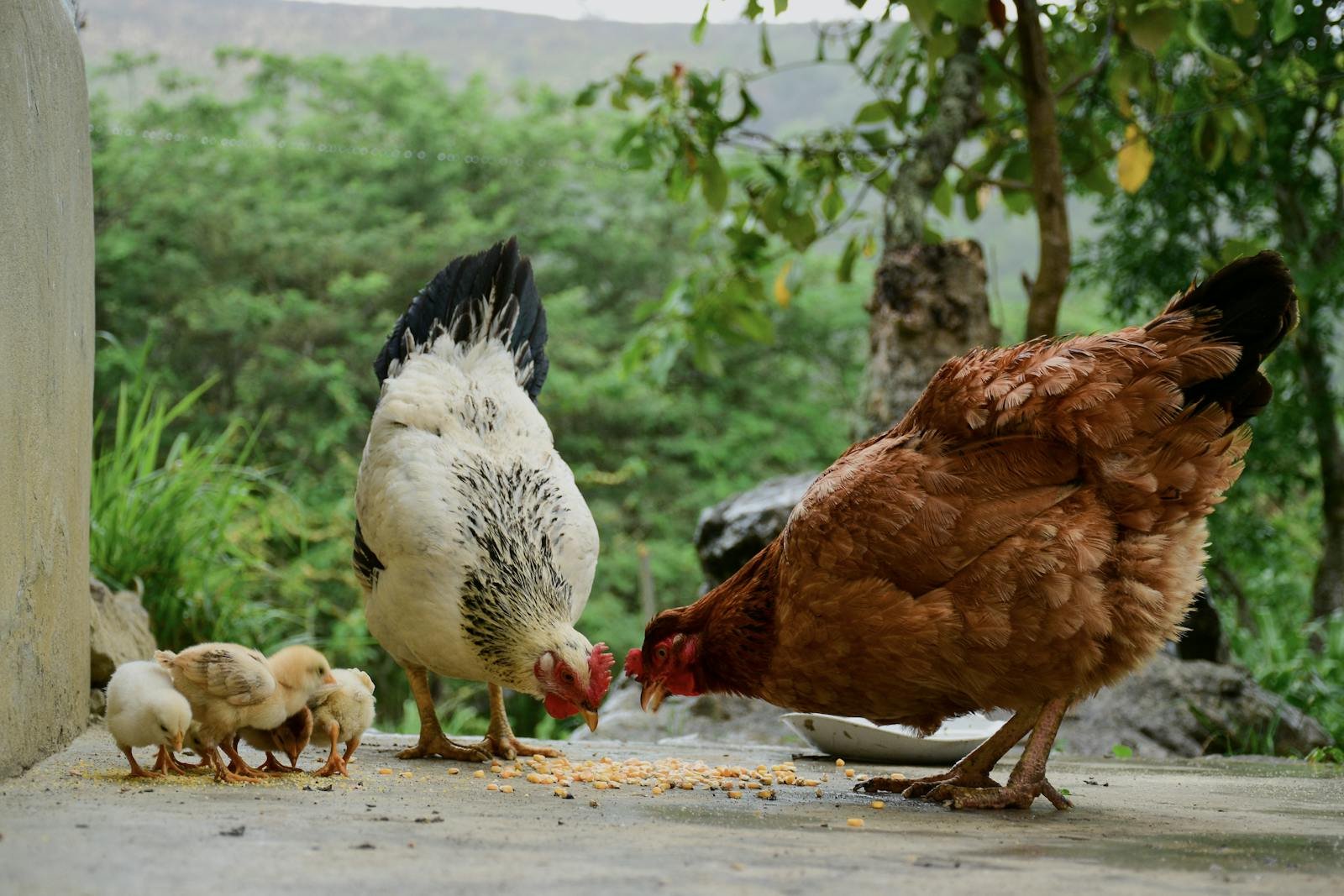
Feed cost makes up 70% of your poultry expenses in Nigeria. When you waste feed, you waste money.
I’ve been raising chickens in Oyi Local Government Area, Anambra State since 2017, and I’ve seen farmers lose thousands of naira every month because of feed spillage.
Last year, I visited a farmer in Awkuzu who complained about poor profits. His 500 birds were healthy, but feed kept disappearing.
When I checked his poultry house, I found heaps of wasted feed under the feeders. He was losing about 15kg of feed daily. That’s ₦6,000 gone every single day.
How to reduce feed spillage in poultry house starts with understanding why feed gets wasted. Then you fix it with simple, proven methods that work in Nigerian conditions.
Why Feed Spillage Happens in Nigerian Poultry Farms
Feed doesn’t just disappear. Birds and poor management cause the waste. Here are the main reasons I’ve seen across Anambra State farms:
Wrong feeder height – When feeders sit too high or too low, birds scatter feed everywhere while trying to eat.
Overcrowded feeders – Too many birds fighting for one feeder creates chaos and waste.
Poor quality feeders – Cheap, badly designed feeders have no lips or barriers to stop feed from spilling out.
Filling feeders too full – When you pour feed to the brim, birds push it out as they peck.
Wind and weather – Open poultry houses in rainy season allow wind to blow feed around.
Rodents and wild birds – Rats and sparrows eat and scatter your expensive feed at night.
A 2023 report from the National Agricultural Extension and Research Liaison Services (NAERLS) showed that Nigerian poultry farmers lose between 10-20% of their feed to spillage and waste. That’s a massive financial loss.
How Much Money You Lose From Feed Spillage
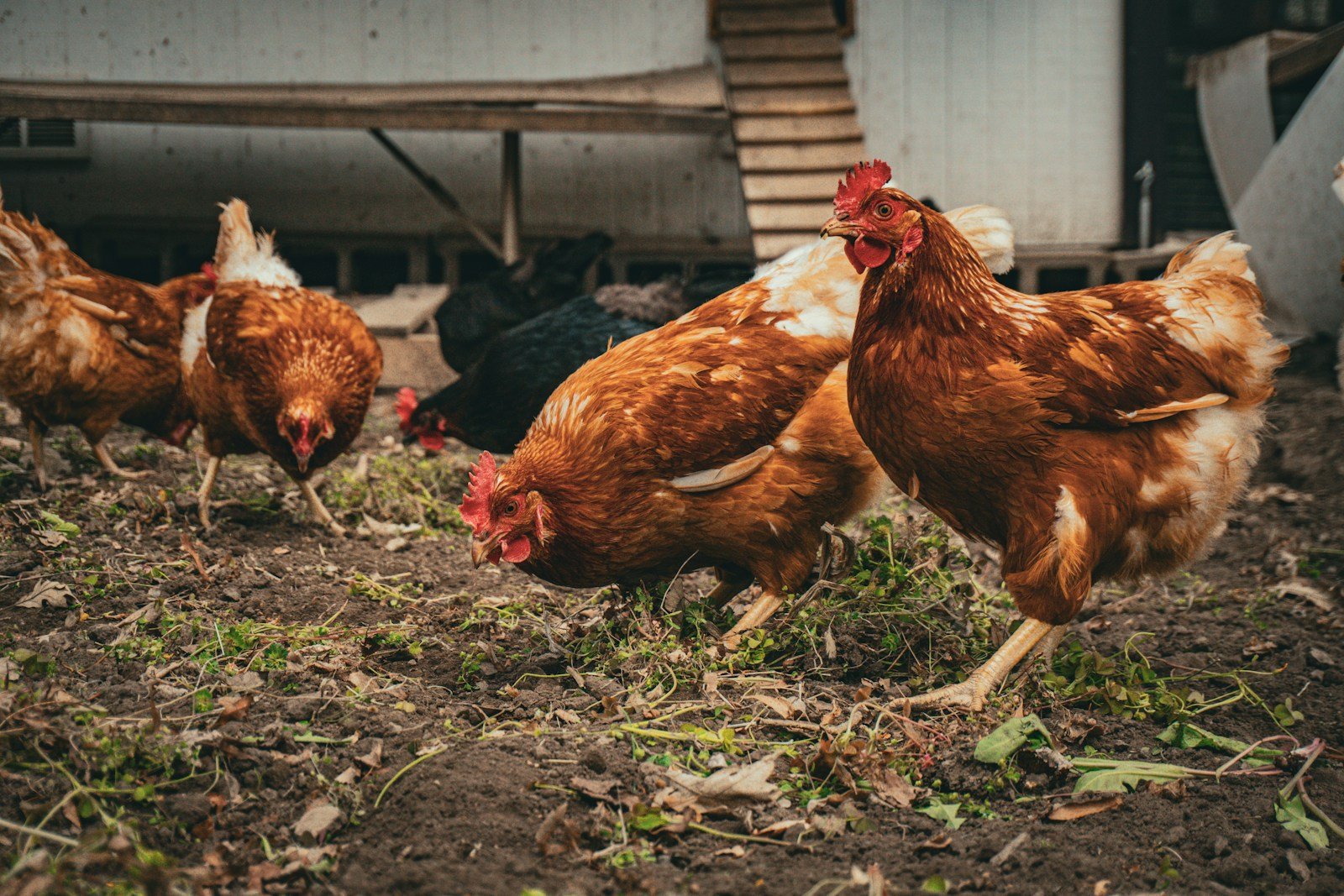
Let me break down the real cost with numbers from my farm records.
| Farm Size | Daily Feed (kg) | Spillage Rate | Feed Wasted Daily | Cost Per Day (₦) | Monthly Loss (₦) |
|---|---|---|---|---|---|
| 100 birds | 12kg | 15% | 1.8kg | 720 | 21,600 |
| 300 birds | 36kg | 15% | 5.4kg | 2,160 | 64,800 |
| 500 birds | 60kg | 15% | 9kg | 3,600 | 108,000 |
| 1000 birds | 120kg | 15% | 18kg | 7,200 | 216,000 |
Based on ₦400 per kg feed price in 2025
One of my students, Mrs. Ngozi from Nteje, reduced her spillage from 15% to just 4%. She saved ₦47,000 every month on her 300-bird farm. She used that money to expand her poultry house.
Choose the Right Feeders for Nigerian Poultry Farms
The type of feeder you buy determines how to reduce feed spillage in poultry house more than any other factor. I’ve tested many types since 2017.
Trough Feeders vs Hanging Feeders
Trough feeders are long, open containers placed on the ground or stands. They’re cheap and easy to find in Nigerian markets. But birds step into them, scratch feed out, and defecate inside. I stopped using them in 2019.
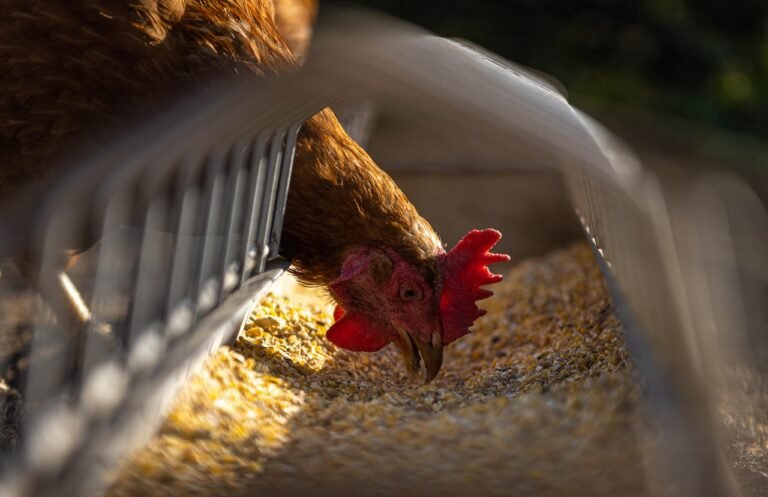
Hanging feeders are round, suspended from the roof with chains or ropes. They have lips that curve inward to prevent spillage. Birds can’t step inside them. These are the best choice for layers and broilers in Nigeria.
In 2022, I switched all my feeders to hanging tube feeders. My feed waste dropped from 18% to 5% within one month. The feeders cost more upfront (₦3,500 each vs ₦2,000 for trough), but they paid for themselves in six weeks.
Automatic Feeders
Some modern farms in Lagos and Abuja use automatic feeding systems. Feed flows from storage bins through pipes to eating points. These systems reduce human error and spillage.
But they’re expensive for small-scale farmers. A basic automatic system costs ₦150,000 to ₦300,000. Only consider this if you have more than 2,000 birds and stable electricity.
Local Feeder Solutions
Not everyone can afford imported feeders. I’ve seen creative solutions in Anambra villages:
- Old truck tyres cut and cleaned make decent feeding troughs (add wooden edges to prevent spillage)
- Large plastic bowls with wire mesh covers reduce waste while keeping rats out
- PVC pipes cut lengthwise with caps on ends work for chicks
Just make sure any local feeder has raised edges and can be cleaned easily.
Set Feeder Height Properly
Getting feeder height right is critical for how to reduce feed spillage in poultry house. The rule is simple but often ignored.
For chicks (0-4 weeks): Feeder should be at floor level or slightly raised (2-3cm). Their legs are too short to reach higher feeders.
For growers (5-12 weeks): Adjust feeders to the height of the bird’s back. As birds grow taller each week, raise the feeders.
For adult layers and broilers: Feeders should sit at the level of the bird’s breast. Not higher, not lower.
I visit farms every month for consultations. The most common mistake I see is feeders placed at the same height for months while birds grow. The result? Birds stretch their necks upward, knock feed out with their beaks, and waste money.
Use adjustable chains or ropes for hanging feeders. Check and adjust height every two weeks during the growing phase.
Don’t Fill Feeders to the Brim
This mistake cost me ₦15,000 in my first year of farming. I thought filling feeders completely would save time. I was wrong.
Birds are messy eaters. They thrust their beaks into feed, shake their heads, and scatter everything. When feeders are full, this behavior wastes massive amounts.
The one-third rule: Only fill feeders one-third full. This gives birds enough to eat while preventing excessive spillage.
Fill feeders 2-3 times per day instead of once. Yes, it takes more time. But you’ll save more money than the time is worth.
During my training workshop in Ayamelum LGA last October, I taught 23 farmers this technique. They all reported 20-30% reduction in feed waste within two weeks.
Manage Feeder Space and Bird Density
Overcrowding around feeders creates fighting, stress, and waste. Nigerian poultry guides often ignore this detail, but it matters greatly.
Feeder Space Requirements
For broilers: Provide 3-4cm of linear feeder space per bird. If using round hanging feeders, one feeder serves 40-50 birds maximum.
For layers: Provide 10cm of linear feeder space per bird. One round hanging feeder serves 25-30 layers.
If you have 200 layers, you need at least 6-7 hanging tube feeders. Many farmers buy only 3-4 feeders to save money, then wonder why feed disappears.
I learned this the hard way. In 2018, I started with 300 broilers and only 4 feeders. Birds crowded around them, fighting and spilling feed everywhere. When I added 3 more feeders, the chaos stopped immediately.
Drinker Placement
Place drinkers away from feeders. When birds drink, water drips from their beaks. If they walk directly to feeders after drinking, the water wets the feed. Wet feed clumps together, birds can’t eat it, and it gets wasted.
Keep at least 1.5 meters between drinkers and feeders in your poultry house layout.
Protect Feed From Weather and Wind
How to reduce feed spillage in poultry house in Nigerian climate means dealing with rain, wind, and dust. Our weather is harsh on open poultry structures.
During Rainy Season
Wind blows through open-sided poultry houses during storms. Light feed particles fly everywhere. I’ve seen entire feeders emptied by strong wind in Oyi during April rains.
Solutions that work:
- Install windbreak netting on the side facing prevailing winds
- Move feeders to the center of the house, away from open sides
- Use heavier feeders that can’t tip over easily
- Cover feeders with lids when storms approach (remove lids after the storm)
During Dry Season
Harmattan dust settles on everything between November and February. Dust makes feed less palatable to birds. They eat less and scratch more, causing waste.
Clean feeders every three days during harmattan. Use a damp cloth to wipe dust off feeder edges and surfaces.
Control Rodents and Wild Birds
Rats can consume 10-15kg of feed per month in a 500-bird farm. That’s ₦4,000 to ₦6,000 wasted. Wild birds add to the problem, especially in rural areas like Oyi where farms are near bushes.
Rat Control Methods
Block entry points: Check your poultry house walls for gaps and holes. Rats squeeze through spaces as small as 2cm. Seal everything with cement or metal sheets.
Remove feed spillage daily: Rats are attracted to feed on the floor. Sweep and dispose of spilled feed every evening before locking up.
Use rat traps: Place cage traps or snap traps around the perimeter of your poultry house. Check them daily. I catch 2-3 rats per week during peak breeding season.
Get a farm cat: My farm cat, Tiger, has saved me thousands of naira since 2020. He patrols the compound at night and keeps rat population under control.
Poison use warning: I don’t recommend rat poison in active poultry houses. If a poisoned rat dies inside and birds peck at it, they can get sick or die. If you must use poison, place it only in locked bait stations outside the poultry house.
Wild Bird Control
Sparrows and other small birds fly into open poultry houses to steal feed. They’re bold and persistent.
Install bird netting on all open sides of your poultry house. Use 2.5cm mesh size. It costs about ₦800 per square meter in Onitsha market, but it pays for itself quickly.
Remove trees and perching spots near your poultry house. Wild birds use them as staging areas before entering.
Train Your Workers Properly
If you have staff handling your farm, they need proper training on how to reduce feed spillage in poultry house. Poor training is a hidden cause of feed waste.
In March 2024, I consulted for a 1,200-bird layer farm in Ogbaru. The owner complained about high feed costs. When I observed the workers, I found three problems:
- Workers rushed through feeding, spilling feed on the ground
- They overfilled feeders to avoid multiple trips
- They didn’t clean spilled feed, attracting rats
I conducted a two-hour training session covering proper feeding techniques, feeder adjustment, and cleanliness. The farm reduced feed waste by 22% in one month.
What to Teach Your Workers
- How to adjust feeder height as birds grow
- The one-third filling rule
- Morning and evening cleaning routines
- How to spot and report feeder damage
- Proper feed storage to prevent contamination
Write down these procedures in simple English or Igbo (depending on your staff’s language). Paste the instructions on the poultry house wall.
Store Feed Properly to Reduce Overall Waste
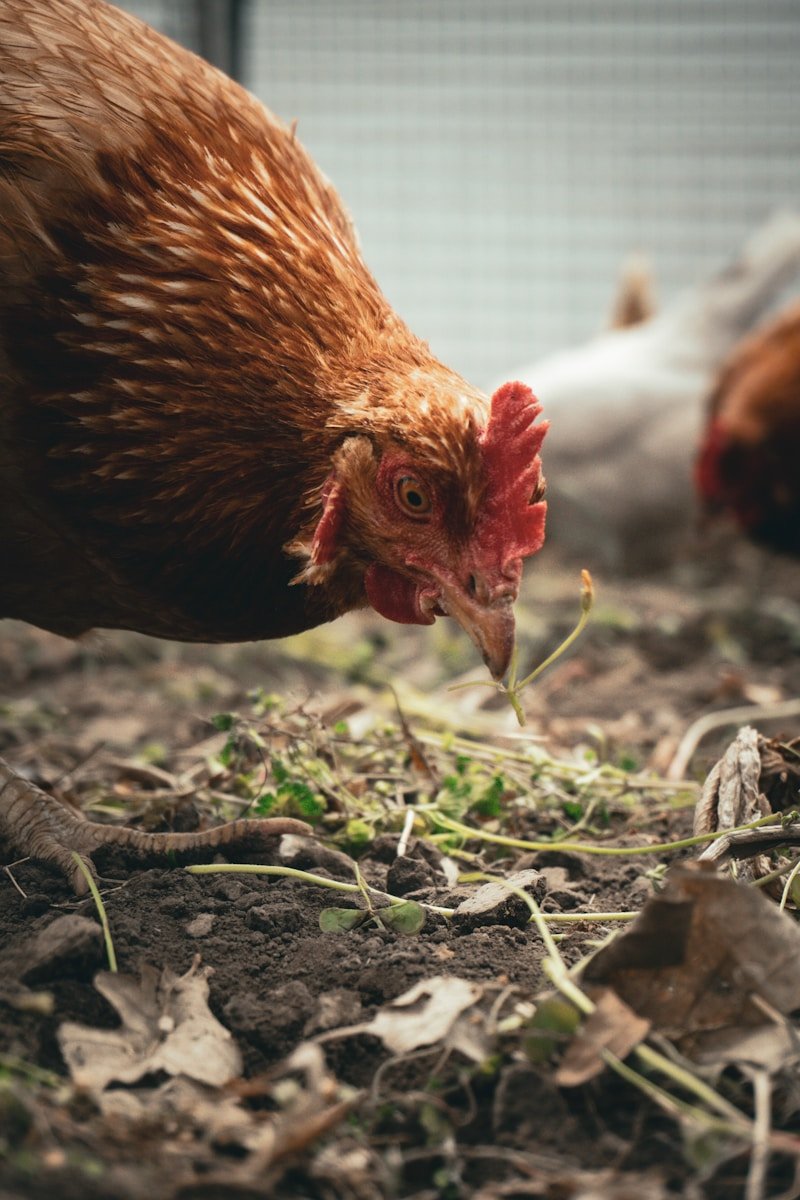
Feed spillage doesn’t only happen at feeders. Poor storage causes huge losses too. This connects directly to how to reduce feed spillage in poultry house because ruined feed can’t be used efficiently.
Storage Room Requirements
Your feed storage room needs these features:
Raised platform: Store bags 15-20cm off the ground on wooden pallets. Ground moisture damages bottom bags.
Dry walls and roof: Leaking roofs ruin feed. Check your roof before rainy season starts.
Good ventilation: Air circulation prevents mold growth. Install vents near the roof.
Rat-proof: Seal all gaps. Rats can chew through bag after bag in one night.
Cool temperature: Heat accelerates feed degradation. If possible, store feed in the coolest room available.
Proper Stacking Method
Stack feed bags in rows with space between them. Don’t pile bags against walls. Leave 30cm between stacks and walls for air circulation and inspection.
Never stack more than 10 bags high. Heavy weight on bottom bags can burst them, spilling feed everywhere.
Use Quality Feed That Birds Actually Want to Eat
Birds waste feed they don’t like. If your feed tastes bad, smells rancid, or has too much dust, birds will pick through it, throwing out the parts they don’t want.
Check Feed Quality Before Buying
Smell test: Fresh feed has a pleasant, grain-like smell. Rancid feed smells sour or musty. Don’t buy it, no matter the price.
Texture test: Squeeze feed between your fingers. It should feel slightly oily from fat content. Extremely dry, dusty feed is old and degraded.
Mold check: Look for white, green, or black patches on feed particles. Moldy feed is toxic and must be thrown away.
Choose Reputable Feed Mills
In Anambra State, I’ve tested feed from over 15 different mills since 2017. Quality varies greatly. Some mills add too many fillers, creating dusty feed that birds waste.
I currently use feed from a mill in Enugu that maintains consistent quality. Yes, it costs ₦20-30 more per bag than cheap alternatives. But birds eat it completely with minimal waste, so I actually save money overall.
Ask fellow farmers which mills they trust. Visit the mill if possible and inspect their production process.
Implement Daily Cleaning and Monitoring Routines
Successful how to reduce feed spillage in poultry house requires daily discipline. You can’t just set up feeders and forget them.
Morning Routine (6:00 – 7:00 AM)
- Check all feeders for damage or tipping
- Adjust feeder heights if needed
- Sweep up any spilled feed from the previous day
- Check for signs of rodent activity
- Fill feeders one-third full
Evening Routine (5:00 – 6:00 PM)
- Fill feeders again (one-third full)
- Sweep the poultry house floor completely
- Dispose of collected waste feed away from the poultry house
- Check drinkers and move them if too close to feeders
- Lock all doors and windows to keep rats out
Weekly Tasks
Every Saturday, I do a thorough inspection:
- Remove and wash all feeders with soap and water
- Check feeder chains and ropes for wear
- Repair any damaged feeders
- Inspect the poultry house roof and walls for new rat entry points
- Calculate feed consumption and wastage percentage
This routine takes discipline, especially during busy periods. But it’s the difference between profit and loss in Nigerian poultry farming.
Calculate Your Feed Efficiency and Waste Percentage
You can’t improve what you don’t measure. I track my feed usage every week to spot problems early.
Simple Calculation Method
Step 1: Record how much feed you give your birds daily. Example: 50kg per day for 500 birds.
Step 2: Weigh feed again after 24 hours to see what’s left. Example: 5kg remaining in feeders.
Step 3: Calculate actual consumption: 50kg – 5kg = 45kg eaten.
Step 4: Calculate expected consumption based on bird age and type. For 500 birds at 20 weeks old, expected consumption is about 48kg per day.
Step 5: If actual consumption is much less than expected, you have a waste problem.
Waste Percentage Formula
(Expected Feed – Actual Feed Consumed) / Expected Feed × 100
Example: (48kg – 45kg) / 48kg × 100 = 6.25% waste
Keep waste below 5%. Anything above 10% means you’re losing serious money.
Learn From Common Mistakes Nigerian Farmers Make
I’ve trained over 200 farmers across Anambra State. Here are the mistakes I see repeatedly:
Mistake 1: Buying Cheap, Poor-Quality Feeders
Mr. Chukwudi from Nteje bought 10 cheap plastic feeders for ₦1,500 each in 2023. They cracked within three months. Birds pushed feed out through the cracks. He replaced them with quality feeders at ₦3,500 each. Should have bought quality from the start.
Lesson: Quality feeders are an investment, not an expense.
Mistake 2: Ignoring Small Daily Spillage
“It’s just a small amount on the floor each day” – this is what farmers tell themselves. But small amounts add up fast.
1kg wasted per day = 30kg per month = ₦12,000 lost per month.
Lesson: Take spillage seriously from day one.
Mistake 3: Keeping Damaged Feeders in Use
A cracked feeder, bent hanging ring, or loose bottom section will continue wasting feed every day. Some farmers keep using damaged equipment because they don’t want to spend money on replacement.
I had a feeder with a 5cm crack in 2019. I thought “I’ll replace it next month.” That crack wasted at least 0.5kg daily for six weeks. That’s ₦6,000 in wasted feed to avoid spending ₦3,500 on a new feeder.
Lesson: Replace or repair damaged equipment immediately.
Mistake 4: Not Training Staff
Your farm manager or workers might not understand why feed spillage matters. They’re focused on keeping birds alive, not on small details that affect profit.
Take time to explain the financial impact. Show them the numbers. Make feed efficiency part of their job evaluation.
Lesson: Your staff can be your greatest asset or your biggest source of waste. Train them properly.
Special Considerations for Broiler vs Layer Farms
How to reduce feed spillage in poultry house differs slightly between broilers and layers because of their behavior and growth patterns.
Broiler-Specific Tips
Broilers grow extremely fast. What fits them today won’t fit next week. Adjust feeder height every 5-7 days during the first 5 weeks.
Broilers are aggressive eaters, especially from week 3 onwards. They push and shove at feeders. This means you need more feeder space per bird than layers require.
Use sturdy, heavy feeders that can’t tip over when large broilers crowd around them.
Layer-Specific Tips
Layers are calmer but more selective. They pick through feed looking for their favorite particles. This behavior scatters feed if feeders are too full.
Layers need feeders adjusted less frequently since they grow slower. But don’t ignore it completely. Check monthly.
Layers produce eggs, and calcium particles in layer feed are heavier. They sink to the bottom of feeders. Birds ignore them if they can reach feed at the top easily. This is why the one-third filling rule is crucial for layers.
Use Technology and Innovation
Modern tools can help reduce feed spillage in Nigerian poultry farms. You don’t need expensive equipment. Simple innovations work well.
Feeder Grills and Anti-Waste Rings
Some feeders come with grills that sit on top. Birds poke their heads through holes to eat but can’t scratch feed out. These reduce waste by 30-40% in my experience.
Anti-waste rings are curved metal or plastic barriers that fit inside hanging tube feeders. They prevent birds from flicking feed out with their beaks. They cost about ₦500-800 each in Nigerian markets and fit most standard feeders.
I installed these on all 12 of my feeders in 2023. Best decision I made that year.
Feed Consumption Tracking Apps
Some Nigerian farmers now use smartphone apps to record daily feed usage. Apps like FarmCrowdy and AgroSpaces have features for tracking expenses and consumption.
I use a simple Excel sheet on my phone. Every evening, I record:
- Date
- Feed given (kg)
- Feed remaining (kg)
- Number of birds
- Any issues noticed
This data helps me spot trends and problems early.
Automatic Weighing Feeders
These are rare in Nigeria but becoming available in Lagos and Abuja markets. The feeder sits on a scale that shows exactly how much feed is inside. You can see consumption in real-time.
They’re expensive (₦15,000-25,000 each) but useful for large farms that need precise data.
Environmental and Economic Benefits
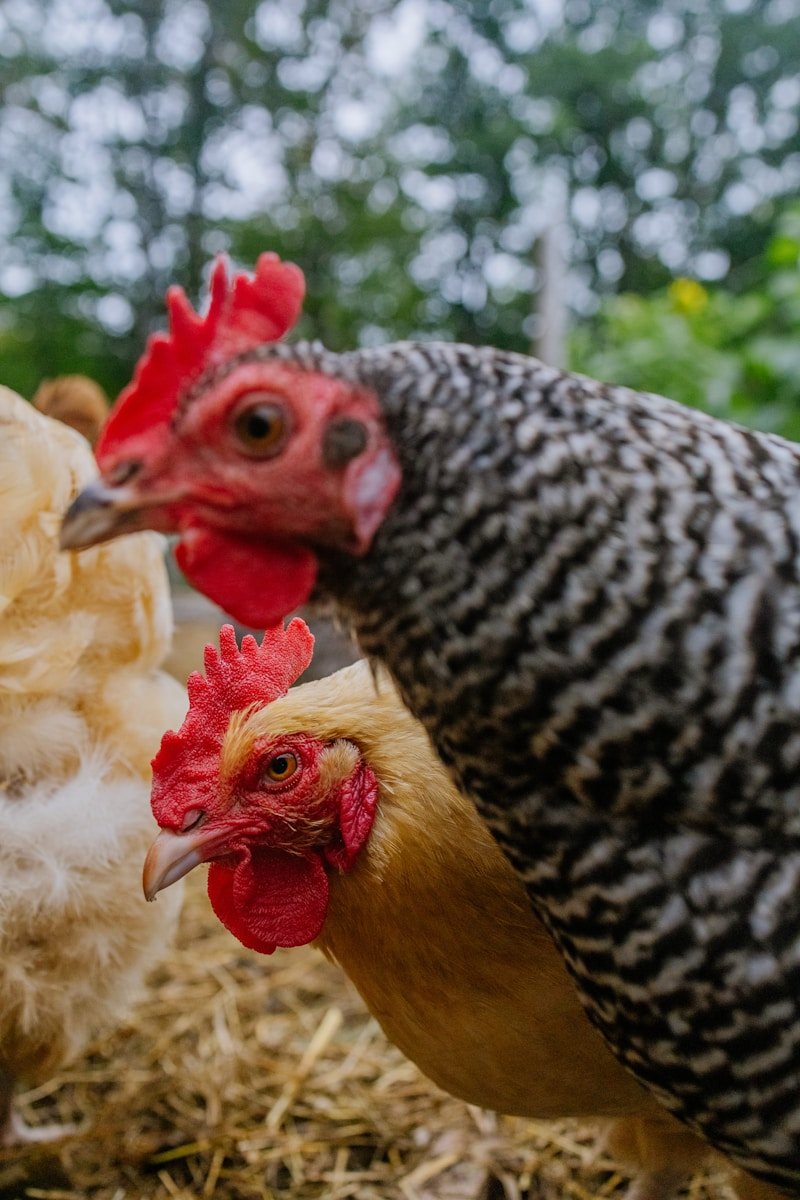
Reducing feed spillage helps more than just your bank account. It has broader benefits for Nigerian agriculture and the environment.
According to a 2024 report by the Nigerian Agricultural Quarantine Service, reducing feed waste in poultry farms decreases the environmental burden of feed production. Less waste means less pressure to grow more corn and soybeans, which saves farmland and water resources.
From an economic perspective, Nigerian poultry farmers collectively waste millions of naira daily through poor feed management. If every farmer reduced waste by just 5%, the industry would save billions annually. That money could go toward expansion, better equipment, and higher quality products.
On my farm, reducing feed spillage from 18% to 5% saved me ₦1,560,000 per year (calculated across 1,000 birds). I used that money to:
- Build a better feed storage room with rat-proof walls
- Buy a generator backup for my incubator
- Start a small feed mixing operation
- Train two young farmers for free
Money saved from efficiency creates opportunities for growth.
When to Seek Professional Help
Sometimes feed waste problems are bigger than management issues. Here’s when to call an expert:
Sudden increase in waste: If waste jumps from 5% to 20% within days, something serious is wrong. Could be disease, rats, theft, or equipment failure.
Birds not eating properly: If birds avoid feeders despite being hungry, the feed might be contaminated or the birds might be sick.
Persistent rat problems: If you’ve tried everything and rats still consume large amounts of feed, you need a pest control expert.
Feeder design issues: If standard solutions don’t work for your specific poultry house design, consult a poultry housing specialist.
I offer farm visits and consultations across Anambra State. Many farmers also contact the Anambra State Ministry of Agriculture or the local NAERLS office for free advice.
Never feel embarrassed to ask for help. Every successful farmer I know had mentors and consultants guide them.
Real Success Stories From Anambra State
Let me share specific examples of farmers who solved their feed spillage problems with practical steps.
Case Study 1: Mrs. Adaobi, Awkuzu (300 Layer Farm)
Problem: Feed cost eating up 78% of revenue. Profitability was poor despite healthy birds.
Solution: We replaced her 6 ground trough feeders with 10 hanging tube feeders. Adjusted height weekly. Implemented the one-third filling rule.
Result: Feed waste dropped from 17% to 4% in two months. She saved ₦58,000 monthly. Used savings to expand to 500 birds.
Her words: “I thought buying expensive feeders was a waste. Now I see they’re an investment. The money I save every month proves it.”
Case Study 2: Mr. Obiora, Nteje (500 Broiler Farm)
Problem: Rats were consuming massive amounts of feed at night. He estimated losing ₦8,000 weekly.
Solution: Sealed all wall gaps with cement and metal sheets. Installed bird netting. Got two farm cats. Started sweeping and removing spilled feed every evening.
Result: Rat activity dropped by 90%. Feed savings of approximately ₦6,000 per week.
His words: “Those cats are the best workers on my farm. They don’t take salary, just eat rats and keep my feed safe.”
Case Study 3: My Own Farm Journey
When I started in 2017 with 200 birds, I was losing money for the first six months. I couldn’t understand why. My birds were healthy, laying well, but profit was tiny.
I started tracking everything with a notebook. That’s when I discovered I was wasting 21% of my feed through spillage, rats, and poor storage.
I made these changes:
- Switched from trough to hanging feeders
- Sealed my storage room properly
- Started adjusting feeder height regularly
- Implemented morning and evening cleaning routines
Within four months, waste dropped to 6%. My profit margin improved from barely breaking even to making ₦180,000 per cycle with 500 birds.
That experience taught me that how to reduce feed spillage in poultry house is not one big change but many small improvements done consistently.
Frequently Asked Questions
How much feed spillage is normal in a poultry house?
Good poultry farms in Nigeria should have less than 5% feed spillage. Anything between 5-10% is acceptable but could be improved. Above 10% means you’re losing significant money and need to take action immediately. Calculate your spillage rate weekly by comparing expected feed consumption with actual amounts used.
What is the best feeder type to reduce spillage in Nigeria?
Hanging tube feeders with anti-waste rings work best for Nigerian conditions. They prevent birds from stepping into feed, reduce scratching behavior, and have lips that curve inward to stop spillage. Buy feeders made from durable plastic or galvanized metal that can handle our climate. Expect to pay ₦3,000-4,500 per quality hanging feeder.
How high should I place feeders for adult layers?
Adult layer feeders should sit at the height of the bird’s breast or slightly below. This is approximately 30-35cm from the ground for most Nigerian layer breeds. Check by observing your birds eating. They should be able to reach feed comfortably without stretching their necks upward or bending down too much. Adjust every 3-4 weeks as birds grow.
Can I use local materials to make feeders that reduce spillage?
Yes, but they must have key features: raised edges or lips to prevent feed from spilling out, smooth surfaces that are easy to clean, and durability to last several months. Old truck tyres cut and cleaned with wooden edges work reasonably well. PVC pipes cut lengthwise with end caps can work for chicks. However, commercial hanging feeders are more effective and worth the investment for serious farmers.
How do I stop rats from eating my chicken feed at night?
Seal all gaps in your poultry house walls with cement or metal sheets. Remove spilled feed from the floor every evening before locking up. Use rat traps around the building perimeter. Consider getting a farm cat if possible. Don’t leave feed bags open in your storage room. Store feed in sealed containers or tie bags tightly. Check for new rat entry points monthly.
Does wet feed count as spillage or waste?
Wet feed is waste because birds won’t eat it and it grows mold quickly. Prevent feed from getting wet by keeping drinkers at least 1.5 meters away from feeders. Fix roof leaks before rainy season. Remove wet feed immediately when you spot it. Never add water to dry feed intentionally. Birds get water from drinkers, not from moistened feed.
How often should I clean my feeders?
Remove and wash feeders with soap and water once per week. This prevents disease spread and removes dust buildup that makes feed less palatable. During harmattan season (November-February), wipe feeder edges every three days to remove dust. Daily, sweep spilled feed from under feeders to discourage rats and maintain cleanliness.
My workers overfill feeders to save time. How do I stop this?
Explain the financial cost clearly with actual numbers from your farm. Show them how overfilling wastes ₦500-1,000 daily, which is often more than their daily wage. Write down the one-third filling rule and post it visibly in the poultry house. Check feeders randomly to ensure compliance. Consider making feed efficiency part of their performance evaluation with small bonuses for meeting waste reduction targets.
Conclusion
How to reduce feed spillage in poultry house is not complicated, but it requires attention to detail and consistent daily effort. The main steps are:
Choose quality hanging feeders with anti-waste features. Adjust feeder height regularly as birds grow. Fill feeders only one-third full. Provide enough feeder space for your flock size. Control rats and wild birds aggressively. Train your workers properly. Track your feed usage and waste percentage weekly. Clean and maintain equipment consistently.
These practices have worked for hundreds of farmers I’ve trained across Anambra State. They’ll work for you too if you implement them seriously.
Start with the easiest changes first. You don’t need to do everything at once. Buy one or two quality feeders this month. Next month, seal those rat holes in your poultry house walls. The month after, start tracking your feed usage properly.
Small improvements add up to big savings over time.
I’ve been farming chickens in Oyi Local Government Area since 2017. The difference between profitable and struggling farmers often comes down to these small management details. Feed cost is your biggest expense. You can’t control corn prices, but you can control how much feed your farm wastes.
Every kilogram of feed you save is money in your pocket. Every naira you save from reduced spillage can go toward expanding your farm, improving your equipment, or supporting your family.
Take action today. Walk to your poultry house right now and check your feeders. Are they at the right height? Are they overfilled? Is there spilled feed on the ground? Fix what you find.
Your chickens can’t reduce feed spillage by themselves. Your workers might not prioritize it without guidance. This is your responsibility as the farm owner.
Make feed efficiency a core part of your farm management, and watch your profits improve month after month.
About the Author: Pius Emeka is a chicken farmer and agricultural trainer based in Oyi Local Government Area, Anambra State, Nigeria. Since 2017, he has helped over 200 farmers improve their poultry operations through practical, hands-on training and consultations.
References:
- National Agricultural Extension and Research Liaison Services (NAERLS) – Feed Management in Nigerian Poultry Systems Report 2023 – https://naerls.gov.ng
- Nigerian Agricultural Quarantine Service – Environmental Impact of Poultry Feed Waste 2024 – https://naqs.gov.ng
- Federal Ministry of Agriculture and Rural Development – Poultry Production Guidelines for Nigerian Farmers – https://fmard.gov.ng