How to Build Mobile Chicken Coops for Rotational Grazing in Nigeria: A Complete Farmer’s Guide
My name is Pius Emeka. I raise chickens in Oyi Local Government Area, Anambra State.
I’ve been doing this for eight years now. I’ve trained over 200 farmers across Anambra and neighboring states.
One question I get asked almost every training session is this: “How can I let my chickens graze without losing them to hawks or neighbors’ dogs?”
The answer is simple. Mobile chicken coops for rotational grazing.
This system saved my farm. It can save yours too.
In this guide, I’ll show you how to build affordable mobile coops using local materials. I’ll share mistakes I made so you don’t repeat them. And I’ll give you real numbers from my farm and others I’ve helped set up.
Let’s get started.
What Is a Mobile Chicken Coop?
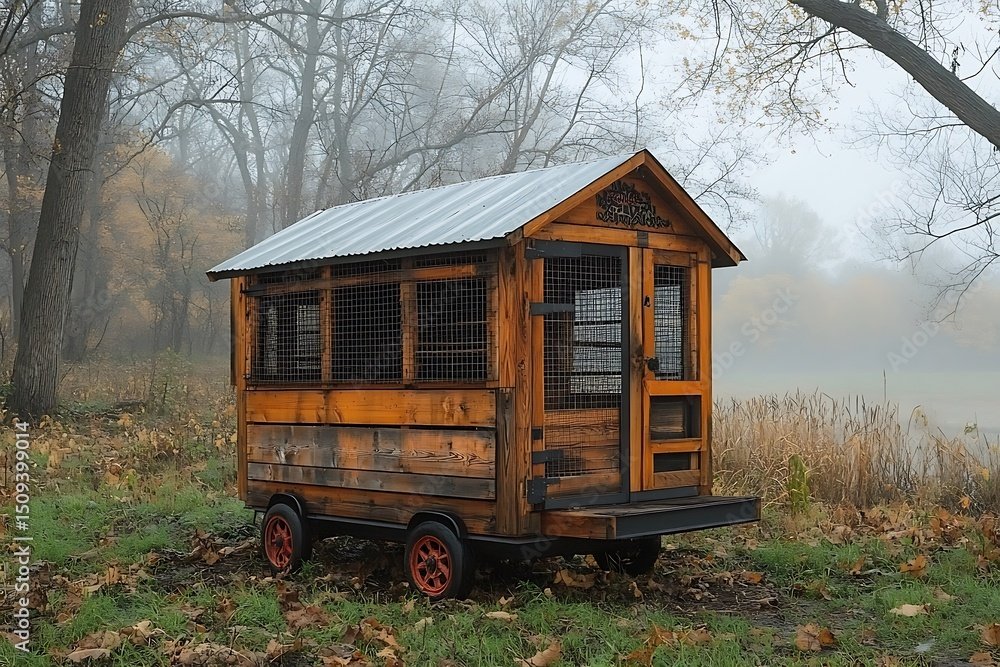
A mobile chicken coop is a movable house for your chickens.
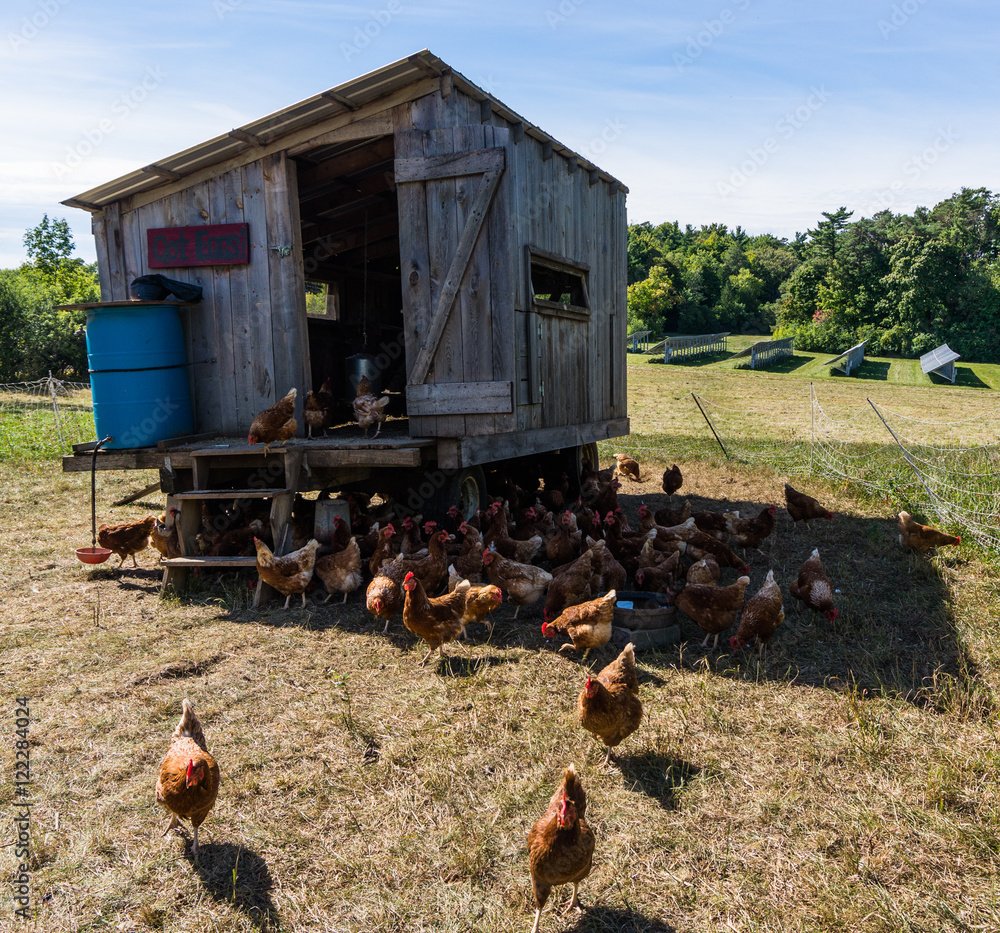
You can push or drag it to fresh ground every few days. This lets your birds eat grass, insects, and seeds. It also spreads their droppings evenly across your land.
I first learned about this system in 2017. A friend showed me pictures from a farm in Enugu State. I thought it was too good to be true.
But I tried it. Within three months, my feed costs dropped by 35%. My chickens looked healthier. Their eggs tasted better too.
Mobile chicken coops for rotational grazing work because they copy how chickens live in nature. Birds move around. They don’t stay in one dirty spot.
Why Nigerian Farmers Need Mobile Coops

Most chicken farmers in Nigeria use fixed coops.
The birds stay in one place for months. The ground becomes muddy and smelly. Diseases spread faster. You spend more money on drugs.
I visited a farm in Awka in 2019. The farmer lost 40 birds to coccidiosis in two weeks. When I checked his coop, the floor was soaked with droppings. The smell was terrible.
He built a mobile coop after that. He hasn’t had a major disease outbreak since.
Here are the main benefits I’ve seen:
- Lower feed costs: Chickens eat grass, worms, and insects from the ground
- Healthier birds: Fresh air and clean ground reduce diseases
- Better soil: Chicken droppings fertilize your land naturally
- Less work: You don’t scrape and clean a fixed coop every week
- Flexible farming: You can move coops to different parts of your farm
The National Agricultural Extension and Research Liaison Services (NAERLS) reported in 2023 that pastured poultry systems can reduce commercial feed use by up to 30% in Nigerian conditions.
Materials You Need to Build a Mobile Coop
You don’t need expensive materials. I built my first mobile coop with ₦45,000 in 2017.
Today, with inflation, you’ll spend between ₦65,000 and ₦85,000 depending on your location.
Here’s what you need:
Wood and Bamboo
- 12 pieces of 2×2 wood (for the frame)
- 8 pieces of bamboo poles (for support)
- 4 wooden planks (for nest boxes)
Wire Mesh and Roofing
- 10 meters of chicken wire or welded mesh
- 2 sheets of aluminum roofing (6 feet each)
- Nails and screws (1kg bag)
Wheels or Skids
- 4 small wheels from a wheelbarrow or trolley
- Or 2 wooden skids (cheaper option)
Other Items
- Hinges for doors (2 pieces)
- Rope or chain (for pulling the coop)
- Paint or used engine oil (to protect wood)
You can buy most items at Onitsha Main Market or any major building materials market in your state.
Step-by-Step Guide to Building Your Mobile Coop
I’ll show you how I built my latest mobile coop in January 2025.
This coop holds 15 to 20 chickens comfortably.
Step 1: Build the Base Frame
Cut your wood into these sizes:
- 4 pieces at 8 feet (length)
- 4 pieces at 4 feet (width)
- 4 pieces at 3 feet (height)
Connect them to form a rectangular box frame. Use nails or screws at each corner.
Make sure the frame is level. A crooked frame will make your coop wobble when you move it.
I made this mistake in 2018. My first coop tipped over when I dragged it across uneven ground. Three chickens escaped.
Step 2: Attach the Wheels or Skids
If you’re using wheels, attach them to the four corners of the base. Use strong bolts.
Test the wheels on your farm ground first. Some cheap wheels break easily on rocky soil.
If you’re using skids, nail two long wooden planks under the base. The skids should stick out about 6 inches in front. This makes pulling easier.
I prefer skids. They’re cheaper and more reliable on Nigerian farm terrain.
Step 3: Add the Wire Mesh Walls
Wrap chicken wire around three sides of the frame. Leave one side open for the door.
Make sure the mesh is tight. Loose mesh lets in snakes and rats.
Cut small holes at the bottom for ventilation. But don’t make them too big. I lost a chicken to a mongoose once because of a big hole.
Step 4: Build the Roof
Nail the aluminum sheets on top of the frame. Let them overhang by about 6 inches on all sides.
This overhang protects your chickens from rain and sun.
If you can’t afford aluminum, use tarpaulin or old corrugated zinc sheets. Just make sure they don’t have holes.
Step 5: Create Nest Boxes and Perches
Nail wooden planks inside the coop to create 3 or 4 nest boxes. Each box should be about 12 inches square.
Add perches using bamboo poles. Space them about 18 inches apart.
Chickens like to sleep on perches at night. This keeps them off the ground where parasites live.
Step 6: Build the Door
Use hinges to attach a small door on one side. The door should be big enough for you to reach in and collect eggs.
Add a simple latch to keep it closed. I use a hook and eye latch. It costs about ₦200.
Step 7: Paint or Treat the Wood
Brush used engine oil on all wooden parts. This protects against termites and rain.
If you can afford paint, use it. But engine oil works fine and costs nothing if you know a mechanic.
Let everything dry for 24 hours before putting chickens inside.
How to Use Your Mobile Coop for Rotational Grazing
Building the coop is just the first step. Using it correctly is what brings results.
Here’s how I rotate my chickens:
Day 1 to 3: Place the Coop on Fresh Grass
Move your coop to an area with fresh grass and vegetation. The chickens will eat the grass tips, insects, and worms.
Watch them the first day. They’ll be excited. They’ll scratch and peck everywhere.
Day 4 to 7: Monitor the Ground
Check the grass condition. If it’s getting bare and the droppings are piling up, it’s time to move.
In rainy season, you might need to move every 3 days. In dry season, you can stay 5 to 7 days.
Moving Day: Drag the Coop to New Ground
Close the door to keep chickens inside. Grab the rope or handle and pull the coop to fresh ground.
If you have help, one person can push while another pulls. It takes about 10 minutes.
I usually move my coops in the morning before it gets too hot.
Rotation Pattern
Don’t move randomly. Create a pattern. I divide my one-acre plot into 12 sections. I rotate through all sections in about 10 weeks.
This gives each section time to recover and regrow grass before the chickens return.
The Nigerian Agricultural Land Development Authority (NALDA) recommends giving grazing areas at least 21 days rest between rotations to prevent overgrazing and maintain soil health.
Cost Comparison: Mobile vs. Fixed Coops
Let me show you real numbers from my farm.
| Cost Item | Fixed Coop (50 birds) | Mobile Coop (50 birds) |
|---|---|---|
| Initial Construction | ₦180,000 | ₦250,000 (5 coops × ₦50,000) |
| Monthly Feed Cost | ₦85,000 | ₦55,000 |
| Monthly Medication | ₦12,000 | ₦4,000 |
| Annual Cleaning Labor | ₦36,000 | ₦8,000 |
| Total First Year Cost | ₦1,344,000 | ₦962,000 |
You save about ₦382,000 in the first year. That’s significant for small-scale farmers.
The mobile coops pay for themselves in about 4 months through feed savings alone.
Common Mistakes to Avoid
I’ve made many mistakes. I’ve also seen other farmers make them. Learn from these errors:
Mistake 1: Building Too Heavy
My first mobile coop weighed over 80kg. I couldn’t move it alone. I needed two people every time.
Keep your coop light. Use bamboo instead of thick wood where possible. One person should be able to move it.
Mistake 2: No Roof Overhang
A farmer I trained in Nsukka built his coop with a flat roof. Rain dripped straight down onto his chickens.
Always let your roof overhang by at least 6 inches. This simple detail prevents many problems.
Mistake 3: Moving Too Often or Not Enough
Some farmers move daily. This stresses the chickens. They don’t settle down to eat properly.
Others leave the coop in one spot for three weeks. The ground becomes a mud pit. The benefits disappear.
Find the balance. For me, it’s every 4 to 5 days during rainy season. Every 6 to 7 days during dry season.
Mistake 4: Using Weak Wheels
Cheap plastic wheels break fast on farm ground. I learned this the hard way.
Invest in metal wheels or use wooden skids instead. They last longer.
Mistake 5: Putting Too Many Birds in One Coop
Overcrowding defeats the purpose of mobile chicken coops for rotational grazing. The chickens fight. They get stressed. Disease spreads.
Keep 15 to 20 birds per 8×4 feet coop. Don’t exceed 25 birds.
Real Results from Nigerian Farmers

Let me share some success stories.
Ngozi’s Story (Ogidi, Anambra State)
Ngozi attended my training in March 2023. She had 30 layers in a fixed coop. Her monthly feed bill was ₦52,000.
She built three mobile coops. After four months of rotational grazing, her feed bill dropped to ₦34,000.
She told me: “Pius, I wish I knew this system five years ago. I would have saved millions.”
Chukwudi’s Experience (Nkpor, Anambra State)
Chukwudi started with 50 broilers in 2024. He used mobile coops from day one.
His birds reached market weight at 7 weeks instead of the usual 8 weeks. The fresh grass and insects boosted their growth.
He said: “My customers notice the difference. They say my chickens taste better than others. I sell out fast.”
Ifeoma’s Challenge and Solution (Awka, Anambra State)
Ifeoma tried mobile coops but struggled with predators. Hawks took three chickens in one week.
I advised her to add a mesh top to her coops. Problem solved. No more losses.
She now runs four mobile coops with 70 birds total. Her egg production averages 55 to 60 eggs daily.
How to Protect Your Birds in Mobile Coops
Predators are real in Nigerian farms. Don’t ignore this issue.
Against Hawks and Birds of Prey
Add a wire mesh roof or tarpaulin cover. Hawks attack during the day. They won’t risk getting trapped in mesh.
I also recommend keeping one rooster with your hens. Roosters are alert. They warn hens when danger approaches.
Against Snakes and Rats
Elevate your coop slightly off the ground. Even 4 inches makes a difference. Snakes prefer ground-level entry.
Check your mesh daily for holes. Rats can squeeze through surprisingly small spaces.
Against Dogs and Foxes
If dogs are a problem in your area, set up a simple wire fence around your grazing zone. The fence doesn’t need to be permanent.
You can move it along with your coops. I use bamboo poles and chicken wire. It takes 20 minutes to set up.
Against Theft
Lock your coop doors at night. Use a padlock if theft is common in your area.
Some farmers in my community take turns doing night patrols. It’s not ideal, but it works.
Best Chicken Breeds for Mobile Coops in Nigeria
Not all chickens do well with rotational grazing. Here are my recommendations:
Local Breeds
- Nigerian Indigenous Chickens: Tough, disease-resistant, great foragers
- They adapt easily to the mobile system
- Lower feed costs since they’re excellent at finding food
Exotic Layers
- ISA Brown: Good egg production, decent foragers
- Black Australorp: Hardy, friendly, work well on pasture
- Rhode Island Red: Strong birds, handle Nigerian weather well
Broilers
- FUNAAB Alpha: A Nigerian breed developed at Federal University of Agriculture, Abeokuta
- Better foraging ability than regular broilers
- Grow reasonably fast on pasture
I prefer mixing local and exotic breeds. The local chickens teach the exotic ones how to forage better.
One farmer in Enugu told me: “My exotic layers learned to scratch and hunt insects by watching the local hens.”
Feeding Strategy for Rotational Grazing
Mobile chicken coops for rotational grazing reduce feed costs. But you still need to provide some feed.
Here’s what I do:
Morning Feeding (7:00 AM)
Give about 60% of their normal feed ration. Use layers mash for layers, growers mash for growing birds.
Let them eat for 30 minutes. Then remove the feeders.
Free Grazing (8:00 AM to 5:00 PM)
The chickens spend the day foraging. They eat grass, leaves, insects, earthworms, and seeds.
Make sure water is always available. Use hanging drinkers or small troughs.
Evening Feeding (6:00 PM)
Give the remaining 40% of their daily ration. Add some maize or guinea corn if you have it.
This encourages them to return to the coop for the night.
Weekly Supplements
Once a week, I give my chickens kitchen scraps. Vegetable peels, leftover rice, plantain peelings.
Mix these with their feed. Don’t overdo it. Too much can cause diarrhea.
Health Benefits of Rotational Grazing
I’ve noticed significant health improvements in my chickens since I started using mobile coops.
Stronger Immune Systems
Birds that exercise and eat varied diets get sick less often. My medication costs dropped by 65% after switching to mobile coops.
Better Egg Quality
The yolks are darker and richer. Customers notice this. They prefer my eggs over cage-layer eggs.
Reduced Respiratory Problems
Fixed coops accumulate ammonia from droppings. This irritates chickens’ lungs. Mobile coops don’t have this problem because you move before ammonia builds up.
Lower Parasite Loads
Worms and external parasites need time to multiply in the soil. When you move every few days, you break their life cycle.
I used to deworm my flock every 6 weeks. Now I do it every 12 weeks.
Seasonal Considerations in Anambra State
Weather affects how you use mobile coops. Let me share what works in our climate.
Rainy Season (April to October)
Move coops more frequently. Every 3 to 4 days is ideal. The ground gets muddy faster.
Check for waterlogging. Don’t place coops in low areas where water collects.
Add extra bedding inside the coop. I use dry grass or wood shavings. This absorbs moisture and keeps chickens comfortable.
Dry Season (November to March)
You can stay in one spot for 6 to 7 days. The grass dries out slowly.
Provide more water. Place multiple drinkers around the grazing area.
Move coops to shaded areas during the hottest part of the day. Or create shade using palm fronds.
Harmattan Period (December to January)
The dusty winds can stress chickens. Keep one side of the coop covered with tarpaulin to block wind.
I noticed my chickens drink more water during harmattan. Keep checking their drinkers throughout the day.
Scaling Up: Managing Multiple Mobile Coops
Once you see results, you’ll want more coops. Here’s how to manage several at once.
Stagger Your Rotations
Don’t move all coops on the same day. I move two coops on Monday, two on Wednesday, two on Friday.
This spreads the work and makes management easier.
Create a Rotation Map
Draw your farm on paper. Mark where each coop goes each week. This prevents confusion.
I use a simple notebook. I write the date and coop number in each section of my map.
Train Family Members or Workers
You can’t do everything alone. Teach your children or workers how to move coops and care for chickens.
My 16-year-old son now manages three coops by himself. He does the morning feeding and moves coops when needed.
Keep Records
Write down feed costs, egg production, and bird health. Compare months and seasons.
This data helps you make better decisions. I discovered that my chickens lay more eggs when I rotate them to areas with fresh legume plants.
Integration with Other Farming Activities
Mobile chicken coops for rotational grazing work beautifully with other crops.
After Harvest
Move coops to your cassava or maize farm after harvest. The chickens eat leftover grains and weeds. Their droppings fertilize the soil for next season.
I do this every year. My cassava yields increased by about 20% since I started this practice.
Between Crop Rows
Some farmers put coops between rows of young trees or plantain. The chickens control weeds and provide fertilizer.
Just make sure your birds don’t damage young plants. I wait until my plantain suckers are 3 feet tall before introducing chickens.
Vegetable Gardens
Rotate chickens through your vegetable garden when beds are resting. They eat pests and improve soil quality.
But don’t do this right before planting. Wait two weeks after the chickens leave. Their droppings are strong and can burn young plants.
Financial Planning and Return on Investment
Let’s talk money. Every farmer wants to know: “Will this make me profit?
Initial Investment Breakdown
For a starter setup with 3 mobile coops (60 birds total):
- Coop construction: ₦195,000
- 60 day-old chicks: ₦90,000
- Initial feed (2 bags): ₦36,000
- Medication and vaccines: ₦15,000
- Feeders and drinkers: ₦18,000
- Total: ₦354,000
Monthly Operating Costs
- Feed: ₦45,000
- Medication: ₦3,000
- Labor (if hired): ₦15,000
- Total: ₦63,000
Expected Monthly Revenue (Layers from Month 5)
- 60 layers × 0.85 egg rate = 51 eggs/day
- 51 eggs × 30 days = 1,530 eggs/month
- 1,530 eggs × ₦80 = ₦122,400
Monthly profit: ₦122,400 – ₦63,000 = ₦59,400
You’ll recover your investment in about 6 months. After that, it’s mostly profit.
Government Support and Training Opportunities
The Nigerian government offers programs that can help you start or expand.
National Agricultural Land Development Authority (NALDA)
NALDA provides training and sometimes input support for poultry farmers. Check their state office in Awka.
Anambra State Ministry of Agriculture
They run quarterly training programs. Some are free. They also connect farmers with extension workers.
Bank of Agriculture
They offer loans for agricultural projects. Interest rates are lower than commercial banks.
I got a ₦300,000 loan from them in 2022. I paid it back in 18 months.
Agricultural Development Programme (ADP)
Your local ADP office in Oyi has extension workers who visit farms. They provide advice and connect you to input suppliers.
My Training Program and Contact Information
I run practical training sessions every quarter. We build a mobile coop together during the training.
Participants learn by doing. No just sitting and listening. We work with our hands.
Training costs ₦5,000 per person. This covers materials and lunch.
I also offer farm visits for a small fee. I come to your location, assess your setup, and give specific advice.
Many farmers who attended my training now train others in their communities. This knowledge is spreading across Anambra State.
Frequently Asked Questions
How long does a mobile chicken coop last?
A well-built mobile coop lasts 4 to 5 years with proper maintenance. I treat my wooden frames with engine oil every 6 months. I replace torn mesh immediately. My oldest coop is going on 5 years now. It’s still strong.
Can I use mobile coops for broilers?
Yes. I raise broilers in mobile coops. They grow faster because of the exercise and fresh air. Just make sure you move them gently. Broilers are heavier than layers. They stress easily if you shake the coop too much while moving it.
What if I don’t have wheels or can’t afford them?
Use wooden skids. Cut two strong planks about 8 feet long. Nail them under your coop base. You’ll drag the coop instead of rolling it. This works perfectly well. Most farmers in my area use skids, not wheels.
How many chickens fit in one mobile coop?
I recommend 15 to 20 birds in an 8×4 feet coop. You can squeeze 25 birds if they’re small breeds. But overcrowding reduces the benefits of mobile chicken coops for rotational grazing. Give your birds space to move.
Do mobile coops work on rocky or hilly ground?
Rocky ground is challenging. The coop can tip over. If your land is rocky, clear paths before moving coops. Or build lighter coops that one person can lift and carry. For hilly ground, move coops across the slope, not up and down. This makes pulling easier.
How do I prevent chickens from escaping during moves?
Close all doors before moving. Check that your mesh has no holes. Move slowly and steadily. Chickens panic when shaken violently. I lost chickens early on because I rushed. Now I take my time. I’ve had zero escapes in the past two years.
What happens during heavy rain?
Your chickens will be fine if your roof is solid. Make sure there’s no leaking. Heavy rain can flood low areas. If you see water pooling around the coop, move it to higher ground immediately. I once lost three chickens to flooding because I ignored this warning.
Can I make money with just one mobile coop?
Yes, but it will be small income. One coop with 20 layers gives you about 15 to 17 eggs daily. That’s about ₦40,000 to ₦45,000 monthly. After feed costs, you’ll profit ₦15,000 to ₦20,000. It’s a good start. Use that profit to build a second coop. Grow slowly.
Final Thoughts from My Experience
Mobile chicken coops for rotational grazing changed my farming life. I went from struggling with disease and high costs to running a profitable operation.
This system works in Nigeria. I’ve proven it. Hundreds of farmers I’ve trained are proving it daily.
You don’t need much money to start. You don’t need fancy equipment. You just need to build a good coop and commit to moving it regularly.
The chickens will do the rest. They’ll forage, fertilize your land, and give you healthy eggs or meat.
I started with one homemade coop in 2017. Today I run eight coops with 150 birds. My children’s school fees come from chicken farming. My wife’s shop started with chicken profits.
This can work for you too.
Start small. Build one coop this month. Put 15 chickens in it. Move it every 5 days. Watch what happens.
You’ll see the difference in three months. Your feed costs will drop. Your chickens will look healthier. Your neighbors will ask questions.
That’s when you know you’re on the right path.
If you’re in Anambra State or nearby, visit my farm. I’ll show you everything. No secrets. No gatekeeping.
Nigerian farmers need to help each other. That’s how we all succeed.
Good luck with your mobile coops. May your chickens be healthy and your eggs plenty.
References:
- National Agricultural Extension and Research Liaison Services (NAERLS) – https://naerls.gov.ng/
- Nigerian Agricultural Land Development Authority (NALDA) – https://nalda.gov.ng/
- Federal University of Agriculture Abeokuta (FUNAAB) Research Publications – https://www.funaab.edu.ng/
Safety Disclaimer: Always consult with local veterinary officers before administering any medication to your chickens. The experiences shared in this article are based on personal farming practice and should not replace professional veterinary advice. Follow biosecurity measures and local regulations when raising poultry.